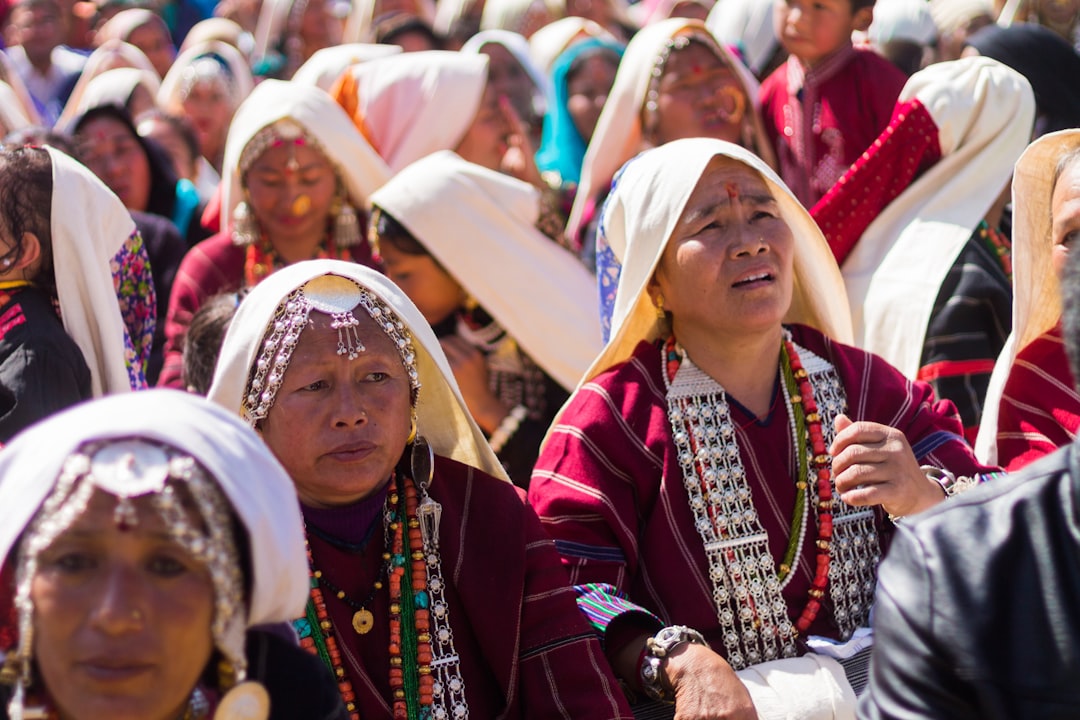
Isolated systems are defined as environments that are largely self-contained, with limited interaction with external influences. These systems can be found in various forms, such as islands, remote ecosystems, or even specific habitats within larger biomes. The isolation can be geographical, ecological, or even social, leading to unique evolutionary processes and the development of distinct species and cultures.
The study of isolated systems is crucial for understanding biodiversity, as these environments often harbor species that are not found anywhere else on the planet. The intricate web of life within these systems is shaped by their isolation, which can lead to both remarkable adaptations and vulnerabilities. The significance of isolated systems extends beyond their biological uniqueness; they serve as natural laboratories for scientists and conservationists alike.
By examining these environments, researchers can gain insights into evolutionary processes, ecological interactions, and the impacts of human activity on biodiversity. Furthermore, isolated systems often act as refuges for endangered species, making their preservation vital for maintaining global biodiversity. As the world faces increasing environmental challenges, understanding and protecting these isolated systems becomes more critical than ever.
Key Takeaways
- Isolated systems require careful management to maintain their unique biodiversity and ecological balance.
- Diversity in isolated systems is crucial for resilience against environmental changes and threats.
- Conservation efforts must address threats such as habitat loss, invasive species, and climate change.
- Integrating indigenous knowledge and collaborative approaches enhances the effectiveness of preservation strategies.
- Ongoing challenges necessitate adaptive management and future-focused conservation planning to sustain diversity.
Importance of Diversity in Isolated Systems
Diversity within isolated systems is essential for several reasons. Firstly, it contributes to the resilience of ecosystems. A diverse array of species can better withstand environmental changes and disturbances, such as natural disasters or climate fluctuations.
This resilience is particularly important in isolated systems, where the limited gene pool can make populations more susceptible to extinction. The presence of a variety of species ensures that ecological functions—such as pollination, nutrient cycling, and habitat provision—are maintained, which in turn supports the overall health of the ecosystem. Moreover, diversity in isolated systems fosters unique cultural and genetic heritage.
Many indigenous communities have developed intricate relationships with their local environments, relying on the diverse flora and fauna for sustenance, medicine, and cultural practices. This interdependence highlights the importance of preserving not only the biological diversity but also the cultural diversity that arises from these unique ecosystems. The loss of species can lead to a decline in traditional knowledge and practices, further threatening the survival of both the ecosystem and the communities that depend on it.
Threats to Diversity in Isolated Systems

Despite their inherent value, isolated systems face numerous threats that jeopardize their diversity.
As natural habitats are altered or destroyed, the delicate balance of these ecosystems is disrupted, leading to declines in species populations and even extinctions.
In many cases, invasive species introduced by human activity further exacerbate these challenges by outcompeting native species for resources. Climate change also poses a formidable threat to diversity in isolated systems. Rising temperatures, altered precipitation patterns, and increased frequency of extreme weather events can drastically affect the delicate ecological balance within these environments.
Species that have evolved in isolation may lack the adaptability needed to cope with rapid changes in their habitats. As a result, many endemic species face heightened risks of extinction, further diminishing the rich tapestry of life that characterizes isolated systems.
Strategies for Preserving Diversity in Isolated Systems
To combat the threats facing isolated systems and their biodiversity, a range of strategies can be employed. One effective approach is the establishment of protected areas or reserves that safeguard critical habitats from human encroachment. These protected zones can serve as sanctuaries for endangered species and help maintain ecological processes essential for biodiversity.
Additionally, implementing sustainable land-use practices in surrounding areas can mitigate the impacts of habitat destruction while allowing local communities to thrive. Another vital strategy involves active restoration efforts aimed at rehabilitating degraded ecosystems. This may include reforestation initiatives, removal of invasive species, or reintroduction of native species that have been lost from the ecosystem.
Engaging local communities in these restoration efforts is crucial, as they often possess valuable knowledge about the land and its historical ecology. By fostering a sense of stewardship among local populations, conservationists can enhance the effectiveness of preservation efforts while ensuring that cultural practices are respected and integrated into management plans.
Role of Conservation Organizations in Isolated Systems
| Metric | Description | Value | Unit | Relevance to Diversity Preservation |
|---|---|---|---|---|
| Genetic Diversity Index (GDI) | Measure of genetic variation within the isolated system | 0.72 | Index (0-1) | High value indicates good preservation of genetic diversity |
| Species Richness | Number of different species present in the system | 15 | Count | Higher species count supports ecosystem resilience |
| Population Size | Total number of individuals across species | 1200 | Individuals | Maintains viable populations to prevent inbreeding |
| Isolation Duration | Time period system has been isolated | 10 | Years | Longer isolation can reduce gene flow and diversity |
| Migration Rate | Rate of new individuals entering the system | 0.05 | Individuals/year | Low migration rate limits genetic exchange |
| Habitat Heterogeneity | Variety of habitat types within the system | 4 | Types | More habitat types support diverse species |
| Extinction Rate | Rate at which species are lost from the system | 0.01 | Species/year | Lower extinction rate indicates better diversity preservation |
Conservation organizations play a pivotal role in preserving diversity within isolated systems. These organizations often serve as advocates for environmental protection, raising awareness about the importance of biodiversity and mobilizing resources for conservation initiatives. They work collaboratively with governments, local communities, and researchers to develop comprehensive strategies aimed at safeguarding these unique ecosystems.
In addition to advocacy and education, conservation organizations frequently engage in on-the-ground projects that directly benefit isolated systems. This may involve conducting scientific research to monitor biodiversity trends, implementing habitat restoration projects, or facilitating community-based conservation programs. By leveraging their expertise and resources, these organizations can significantly enhance efforts to protect and preserve the rich diversity found within isolated systems.
Case Studies of Successful Diversity Preservation in Isolated Systems

Several case studies illustrate successful efforts to preserve diversity in isolated systems around the world. One notable example is the Galápagos Islands, where targeted conservation measures have helped protect its unique flora and fauna from invasive species and habitat degradation. Through a combination of strict regulations on tourism and active management of invasive species, conservationists have seen positive trends in native species populations.
The collaborative efforts between government agencies, NGOs, and local communities have been instrumental in ensuring the long-term survival of this iconic ecosystem. Another compelling case is found in Madagascar, where numerous endemic species face threats from deforestation and habitat loss. Conservation organizations have implemented innovative strategies such as community-based ecotourism initiatives that provide economic incentives for local populations to protect their natural resources.
By involving local communities in conservation efforts and promoting sustainable practices, these initiatives have not only helped preserve biodiversity but also improved livelihoods for those living in proximity to these isolated ecosystems.
Challenges in Preserving Diversity in Isolated Systems
Despite the successes achieved in various case studies, significant challenges remain in preserving diversity within isolated systems. One major obstacle is securing adequate funding for conservation initiatives. Many organizations rely on grants and donations to support their work; however, competition for funding can be fierce.
This financial uncertainty can hinder long-term planning and implementation of effective conservation strategies. Additionally, political instability and governance issues can complicate conservation efforts in certain regions. In some cases, local communities may lack representation or voice in decision-making processes regarding land use and resource management.
This disconnect can lead to conflicts between conservation goals and local needs or interests. Addressing these challenges requires a multifaceted approach that prioritizes collaboration among stakeholders while ensuring that local communities are actively engaged in conservation efforts.
Indigenous Knowledge and Practices in Preserving Diversity in Isolated Systems
Indigenous knowledge plays a crucial role in preserving diversity within isolated systems. Indigenous communities often possess deep-rooted understanding of their local ecosystems gained through generations of interaction with their environment. This knowledge encompasses traditional practices related to resource management, sustainable harvesting techniques, and cultural beliefs that promote stewardship of natural resources.
Integrating indigenous knowledge into contemporary conservation strategies can enhance biodiversity preservation efforts significantly. By recognizing the value of traditional ecological knowledge (TEK), conservationists can develop more effective management plans that respect cultural practices while promoting sustainability. Collaborative approaches that involve indigenous communities not only empower these groups but also enrich conservation initiatives with diverse perspectives on ecosystem management.
Impact of Climate Change on Diversity in Isolated Systems
Climate change poses an existential threat to biodiversity within isolated systems by altering habitats and disrupting ecological relationships. As temperatures rise and weather patterns shift, many species may find it increasingly difficult to adapt to new conditions or migrate to more suitable environments due to their isolation. This vulnerability is particularly pronounced for endemic species that have evolved over millennia in specific ecological niches.
Moreover, climate change can exacerbate existing threats such as habitat loss and invasive species proliferation. For instance, changing precipitation patterns may lead to droughts or flooding that further degrade habitats already under pressure from human activities. The compounded effects of climate change necessitate urgent action to mitigate its impacts on isolated systems while simultaneously addressing other threats to biodiversity.
Collaborative Approaches to Preserving Diversity in Isolated Systems
Collaborative approaches are essential for effectively preserving diversity within isolated systems. Engaging multiple stakeholders—including government agencies, non-governmental organizations (NGOs), local communities, and academic institutions—can foster a more holistic understanding of conservation challenges and opportunities. By pooling resources and expertise, collaborative efforts can lead to innovative solutions that address complex ecological issues.
One successful example of collaboration is the establishment of multi-stakeholder partnerships focused on specific isolated ecosystems. These partnerships often involve shared decision-making processes that prioritize input from local communities while integrating scientific research findings into management strategies.
Future Outlook for Preserving Diversity in Isolated Systems
The future outlook for preserving diversity within isolated systems hinges on a combination of proactive measures and adaptive management strategies. As awareness grows regarding the importance of biodiversity conservation, there is potential for increased funding and support for initiatives aimed at protecting these unique ecosystems. Furthermore, advancements in technology—such as remote sensing and genetic monitoring—can enhance conservation efforts by providing valuable data on species populations and habitat conditions.
However, challenges remain significant; climate change continues to pose an unpredictable threat that requires ongoing adaptation and resilience-building efforts within isolated systems. The integration of indigenous knowledge alongside scientific research will be crucial for developing effective strategies that honor cultural practices while promoting sustainability. Ultimately, preserving diversity within isolated systems will require a concerted effort from all sectors of society—governments, NGOs, local communities, scientists—and a commitment to fostering collaboration across disciplines and borders.
By prioritizing biodiversity preservation now, future generations may inherit vibrant ecosystems rich with life and cultural heritage that continue to inspire wonder and appreciation for our planet’s natural beauty.
In the context of diversity preservation in isolated systems, the article on My Cosmic Ventures provides valuable insights into the mechanisms that support biodiversity in confined environments. This resource explores various strategies for maintaining genetic diversity and ecosystem resilience, which are crucial for the sustainability of isolated habitats.
WATCH THIS! 🧠 The Universe Is A Brain. And It’s Having A Stroke.
FAQs
What is diversity preservation in isolated systems?
Diversity preservation in isolated systems refers to maintaining a variety of elements, such as genetic traits, species, or data types, within a system that has limited or no interaction with external environments. This concept is important in fields like ecology, genetics, and computer science to ensure resilience and adaptability.
Why is diversity preservation important in isolated systems?
Preserving diversity in isolated systems helps prevent the loss of unique characteristics, reduces the risk of system collapse due to uniformity, and enhances the system’s ability to adapt to changes or disturbances. It supports long-term sustainability and robustness.
What are examples of isolated systems where diversity preservation is applied?
Examples include isolated ecological habitats like islands or nature reserves, captive breeding programs for endangered species, isolated computer networks, and closed genetic populations used in research or agriculture.
How is diversity measured in isolated systems?
Diversity can be measured using various indices depending on the context, such as species richness and evenness in ecology, genetic variation metrics in biology, or data variety and entropy in information systems.
What challenges exist in preserving diversity in isolated systems?
Challenges include limited gene flow or information exchange, inbreeding or data redundancy, environmental changes, small population sizes, and the risk of stochastic events causing significant losses.
What strategies are used to preserve diversity in isolated systems?
Strategies include controlled introduction of new elements to increase variability, habitat management, genetic monitoring, use of backup data storage, and implementing algorithms designed to maintain diversity in computational systems.
Can diversity preservation in isolated systems impact global diversity?
Yes, preserving diversity in isolated systems can contribute to global diversity by maintaining unique traits or data that might otherwise be lost, serving as reservoirs for reintroduction or reference in broader contexts.
How does isolation affect diversity over time?
Isolation can lead to reduced diversity due to limited exchange and increased inbreeding or redundancy, but it can also promote unique adaptations and divergence, depending on the system and conditions.
Is diversity preservation relevant to artificial or engineered systems?
Yes, in artificial systems like genetic algorithms, isolated networks, or data storage systems, preserving diversity is crucial to avoid premature convergence, maintain system performance, and ensure robustness.
Where can I learn more about diversity preservation in isolated systems?
Further information can be found in academic journals on ecology, genetics, computer science, and systems theory, as well as textbooks and reputable online resources focusing on conservation biology, evolutionary studies, and information technology.