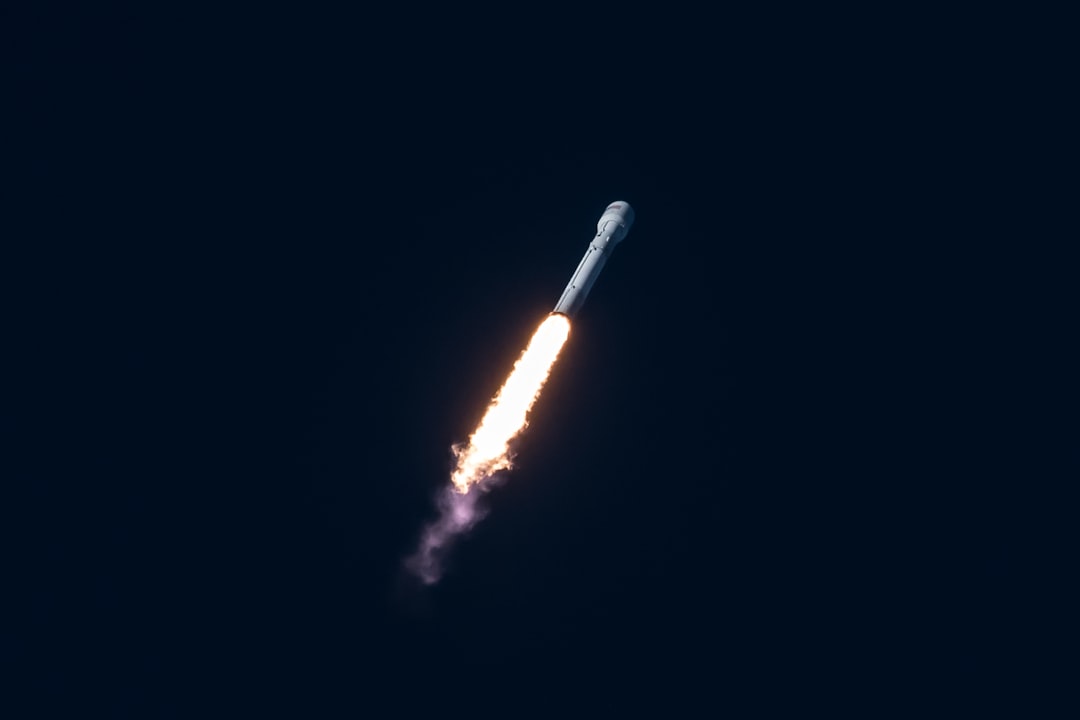
Space junk, often referred to as space debris, has emerged as a significant concern in the realm of space exploration and satellite operations. This term encompasses a wide array of defunct satellites, spent rocket stages, and fragments from collisions or disintegration events that orbit the Earth. As humanity’s ventures into space have increased, so too has the accumulation of these remnants, creating a cluttered environment that poses risks to both current and future missions.
The phenomenon of space junk is not merely a technical issue; it represents a complex interplay of technological advancement, environmental stewardship, and international cooperation. The origins of space junk can be traced back to the early days of space exploration, with the launch of the first artificial satellite, Sputnik 1, in 1957. Since then, thousands of objects have been sent into orbit, many of which have outlived their usefulness.
As the number of active satellites continues to grow, so does the potential for collisions and the subsequent generation of more debris. This escalating situation necessitates a comprehensive understanding of the implications of space junk and the urgent need for effective management strategies.
Key Takeaways
- Space junk refers to the debris and defunct satellites orbiting Earth, posing a threat to space missions and satellites.
- Space junk can impact Earth by causing collisions with operational satellites, leading to potential disruptions in communication and navigation systems.
- The growing threat of orbiting space junk is a result of increased space missions and satellite launches, contributing to the accumulation of debris in orbit.
- Causes of space junk include defunct satellites, spent rocket stages, and fragments from collisions or explosions in space.
- Collisions with space junk pose risks to spacecraft and astronauts, potentially leading to catastrophic consequences.
The Impact of Space Junk on Earth
While space junk primarily exists in the vastness of outer space, its impact can reverberate back to Earth in various ways. One of the most immediate concerns is the potential for debris to re-enter the Earth’s atmosphere. Although most objects burn up upon re-entry, larger pieces can survive and pose a risk to populated areas.
Instances of debris falling to Earth have been recorded, with some notable events causing damage or raising public alarm. The unpredictability of these occurrences adds an element of risk that cannot be overlooked. Moreover, the presence of space junk complicates satellite operations and can disrupt essential services that rely on these technologies.
Communication satellites, weather monitoring systems, and GPS networks are all vulnerable to the threats posed by debris.
The cascading effects of such failures can extend beyond immediate technical issues, impacting economies and national security.
The Growing Threat of Orbiting Space Junk

The threat posed by orbiting space junk is growing at an alarming rate. As more countries and private entities launch satellites into space, the likelihood of collisions increases exponentially. Currently, there are over 36,000 pieces of debris larger than 10 centimeters orbiting Earth, with millions of smaller fragments also contributing to the clutter.
This burgeoning population of debris creates a hazardous environment for operational satellites and manned missions alike. The situation is further exacerbated by the phenomenon known as the Kessler Syndrome, which posits that a collision between two pieces of debris could generate thousands of additional fragments, leading to a cascading effect that could render certain orbits unusable. This scenario highlights the urgent need for proactive measures to address the growing threat of space junk before it spirals out of control.
As humanity continues to push the boundaries of space exploration, it becomes increasingly critical to develop strategies that ensure the sustainability of outer space.
The Causes of Space Junk
| Cause | Description |
|---|---|
| Fragmentation | Result of collisions or explosions, creating smaller pieces of debris. |
| Obsolete satellites | Outdated satellites left in orbit contribute to space junk. |
| Launch vehicle debris | Discarded rocket stages and other components left in space. |
| Spacecraft operations | Activities such as releasing fluids or deploying objects can create debris. |
| Intentional destruction | Deliberate destruction of satellites or other objects in space. |
Understanding the causes of space junk is essential for developing effective mitigation strategies. The primary contributors to this issue include defunct satellites, spent rocket stages, and fragments resulting from collisions or explosions in orbit. Many satellites are launched with limited lifespans, and once they reach the end of their operational life, they often remain in orbit as inactive debris.
Additionally, rocket stages that are no longer needed frequently become stranded in space, contributing to the growing population of space junk. Collisions between operational satellites and debris are another significant source of new fragments. Even small pieces traveling at high velocities can cause substantial damage upon impact.
Furthermore, intentional destruction events—such as anti-satellite tests—have also contributed to the proliferation of debris in orbit. These actions not only create immediate hazards but also set off a chain reaction that can lead to further collisions and fragmentation.
The Risks of Collisions with Space Junk
The risks associated with collisions involving space junk are profound and multifaceted. For operational satellites, even a minor collision can result in catastrophic failure, leading to loss of functionality and costly replacements. The potential for damage extends beyond individual satellites; a collision could create a cascade effect that endangers multiple spacecraft in proximity.
This interconnectedness underscores the importance of monitoring and managing space debris effectively. Moreover, human safety is at stake when considering manned missions to space. Astronauts aboard the International Space Station (ISS) are constantly at risk from debris that could penetrate their habitat at high speeds.
To mitigate this risk, mission planners must continuously track debris and make real-time adjustments to avoid potential collisions. The increasing density of space junk necessitates robust tracking systems and contingency plans to ensure the safety of astronauts and equipment alike.
Current Efforts to Mitigate Space Junk
In response to the growing threat posed by space junk, various organizations and governments have initiated efforts to mitigate its impact. One approach involves improving tracking systems to monitor debris more effectively. Organizations like NASA and the European Space Agency (ESA) have developed sophisticated radar and optical systems capable of tracking thousands of objects in orbit.
This data is crucial for predicting potential collisions and enabling timely evasive maneuvers. Additionally, there are ongoing discussions about implementing guidelines for satellite design and end-of-life disposal strategies. These guidelines encourage satellite operators to deorbit defunct satellites or move them to “graveyard” orbits where they pose less risk to active missions.
Innovative technologies are also being explored, such as using nets or harpoons to capture debris or employing lasers to nudge smaller fragments out of harmful orbits. These initiatives represent a proactive approach to managing space junk and ensuring the long-term sustainability of outer space.
The Role of International Collaboration in Addressing Space Junk
Addressing the issue of space junk requires international collaboration due to its global nature. No single country can tackle this problem alone; it necessitates cooperation among nations, private companies, and international organizations. Collaborative efforts can lead to the establishment of shared guidelines and best practices for satellite launches and debris mitigation strategies.
International forums such as the United Nations Office for Outer Space Affairs (UNOOSA) play a pivotal role in fostering dialogue among nations regarding space debris management. By promoting awareness and encouraging joint initiatives, these organizations can help create a unified approach to tackling the challenges posed by space junk. Furthermore, partnerships between governments and private entities can drive innovation and resource-sharing in developing effective solutions.
Future Challenges in Dealing with Space Junk
As humanity’s presence in space continues to expand, future challenges related to space junk will likely intensify. The increasing number of satellite launches—particularly from private companies—raises concerns about overcrowding in certain orbits. Without effective management strategies in place, this could lead to a scenario where critical orbits become too congested for safe operations.
Additionally, advancements in technology may introduce new types of debris into orbit. For instance, mega-constellations designed for global internet coverage could significantly increase the number of satellites in low Earth orbit (LEO). While these innovations hold great promise for connectivity and communication, they also necessitate careful planning and coordination to prevent exacerbating the existing problem of space junk.
The Environmental Impact of Space Junk
The environmental impact of space junk extends beyond its immediate threats to satellites and human safety; it also raises concerns about the long-term sustainability of outer space as an environment itself. The accumulation of debris poses risks not only to current missions but also to future exploration endeavors that may seek to utilize resources from asteroids or other celestial bodies. Moreover, as more countries engage in space activities, there is an ethical responsibility to ensure that outer space remains accessible and safe for future generations.
The environmental implications of neglecting this issue could hinder scientific progress and exploration opportunities that humanity has yet to fully realize.
The Economic Costs of Space Junk
The economic costs associated with space junk are significant and multifaceted. The potential loss of operational satellites due to collisions can result in substantial financial losses for companies and governments alike. Replacing damaged satellites involves considerable investment in research, development, and manufacturing—costs that can escalate quickly when multiple satellites are affected.
Furthermore, disruptions caused by collisions can lead to service outages that impact industries reliant on satellite technology, such as telecommunications, navigation, and weather forecasting. These interruptions can have cascading effects on economies worldwide, highlighting the need for proactive measures to mitigate risks associated with space debris.
Conclusion and Call to Action
In conclusion, space junk represents a pressing challenge that requires immediate attention from governments, organizations, and individuals alike. As humanity continues its journey into outer space, it is imperative that we prioritize sustainable practices that protect this shared environment for future generations. Collaborative efforts on an international scale will be essential in developing effective strategies for managing space debris.
A call to action is necessary: stakeholders must engage in dialogue about best practices for satellite design, launch protocols, and end-of-life disposal methods. By fostering innovation and cooperation across borders, humanity can work towards ensuring that outer space remains a safe and accessible frontier for exploration and discovery. The time has come for collective responsibility in addressing the issue of space junk—our future in space depends on it.
The issue of space junk has become increasingly concerning as more satellites and debris accumulate in Earth’s orbit. According to a related article on My Cosmic Ventures, the amount of space debris is growing at an alarming rate, posing significant risks to both operational satellites and future space missions. The article highlights the need for international cooperation to address this pressing issue and explores potential solutions to mitigate the risks associated with space debris. For more detailed insights, you can read the full article on space junk by visiting My Cosmic Ventures.
🌌 WATCH THIS! The Billion-Dollar Satellite That Will Trap Humanity on Earth
FAQs
What is space junk?
Space junk, also known as orbital debris, refers to the defunct human-made objects in space, including non-functional satellites, spent rocket stages, and fragments from disintegration, erosion, and collisions.
How much space junk is currently in orbit?
As of 2021, it is estimated that there are over 128 million pieces of debris smaller than 1 cm, over 900,000 pieces of debris 1-10 cm, and around 34,000 pieces larger than 10 cm in orbit around the Earth.
What are the risks associated with space junk?
Space junk poses a significant risk to operational spacecraft and satellites in orbit. Collisions with debris can cause damage to functioning satellites, leading to potential loss of communication, navigation, and weather monitoring capabilities.
How does space junk affect space exploration?
The accumulation of space junk in orbit poses a threat to future space missions and the sustainability of space exploration. It increases the risk of collisions with spacecraft and the International Space Station, potentially endangering astronauts and the success of missions.
What measures are being taken to address the issue of space junk?
Efforts to mitigate the growth of space junk include the development of guidelines for spacecraft disposal, the implementation of debris mitigation measures by space agencies and satellite operators, and the research and development of technologies for active debris removal.