
Storage quota refers to the maximum amount of data that can be stored within a given system or environment. This concept is important in various fields, including data management, cloud storage, and physical inventory systems. Organizations establish storage quotas to ensure efficient resource use and to prevent individual users or applications from consuming disproportionate amounts of storage space.
By setting these limits, companies can maintain equitable resource distribution, which supports operational efficiency and cost control. Storage quotas also function as a data governance mechanism. They encourage users to monitor their data consumption and regularly assess their stored information.
This practice helps maintain organized storage systems and supports compliance with data retention policies. For organizations seeking to optimize their data management strategies, understanding storage quotas is essential to ensure operations remain within allocated resource limits.
Key Takeaways
- Storage quota optimization can be enhanced by applying geometric principles and spatial efficiency techniques.
- Geometric algorithms help in maximizing storage capacity and reducing wastage effectively.
- Analyzing and redesigning storage layouts using geometric patterns leads to better quota management.
- Leveraging specific geometric shapes improves the organization and utilization of storage space.
- Future trends indicate increasing integration of advanced geometric methods for smarter storage quota optimization.
Introduction to Geometry in Storage Optimization
Geometry plays a pivotal role in the optimization of storage systems, particularly when it comes to maximizing available space. The principles of geometry can be applied to both physical and digital storage solutions, allowing for a more efficient arrangement of items or data. By leveraging geometric concepts, organizations can enhance their storage capabilities, ensuring that every inch of space is utilized effectively.
This approach not only improves accessibility but also reduces the time spent searching for items or data. In the realm of physical storage, geometric shapes such as cubes, rectangles, and spheres can influence how items are arranged. For instance, stacking boxes in a warehouse requires an understanding of volume and surface area to minimize wasted space.
Similarly, in digital storage, data can be organized in a way that optimizes retrieval times and minimizes fragmentation. By integrating geometric principles into storage optimization strategies, organizations can achieve a more streamlined and efficient system.
Utilizing Spatial Efficiency for Storage

Spatial efficiency refers to the effective use of available space to maximize storage capacity.
By employing spatial efficiency techniques, organizations can significantly increase their storage capabilities without the need for additional physical space or resources.
This approach often involves analyzing the dimensions and shapes of items to determine the most effective arrangement. One common method of enhancing spatial efficiency is through the use of modular storage solutions. These systems are designed to adapt to various shapes and sizes, allowing for a more flexible approach to storage.
For example, adjustable shelving units can be reconfigured to accommodate different items, ensuring that every available space is utilized. Additionally, digital storage solutions can employ algorithms that optimize data placement based on size and access frequency, further enhancing spatial efficiency.
Implementing Geometric Algorithms for Quota Optimization
Geometric algorithms are mathematical procedures that utilize geometric principles to solve problems related to space and arrangement. In the context of storage quota optimization, these algorithms can be instrumental in determining the most efficient way to allocate space for various items or data sets. By applying these algorithms, organizations can create models that predict the best configurations for maximizing storage capacity while adhering to established quotas.
One example of a geometric algorithm used in storage optimization is the bin packing algorithm. This algorithm seeks to minimize wasted space by efficiently packing items into containers of fixed size. By analyzing the dimensions of each item and the available containers, the algorithm can determine the optimal arrangement that maximizes space utilization.
Implementing such algorithms not only enhances storage efficiency but also streamlines operations by reducing the time spent on manual organization.
Maximizing Storage Capacity with Geometric Principles
| Metric | Description | Typical Value | Unit |
|---|---|---|---|
| Total Storage Quota | The maximum amount of storage allocated for use | 5 | GB |
| Used Storage | Amount of storage currently in use | 2.3 | GB |
| Free Storage | Remaining storage available | 2.7 | GB |
| Block Size | Size of each storage block or unit | 4 | KB |
| Number of Blocks | Total number of blocks in the storage quota | 1,310,720 | blocks |
| Block Overhead | Metadata overhead per block | 128 | bytes |
| Storage Efficiency | Ratio of used storage to total quota | 46 | % |
Maximizing storage capacity involves more than just filling available space; it requires a strategic approach that considers the dimensions and characteristics of both items and storage solutions. Geometric principles provide a framework for understanding how different shapes interact within a given space, allowing organizations to make informed decisions about their storage arrangements. By applying these principles, businesses can identify opportunities for improvement and implement changes that lead to increased capacity.
For instance, understanding the concept of volume is essential when determining how many items can fit within a specific area. By calculating the volume of each item and comparing it to the total volume of the storage space, organizations can identify potential gaps and optimize their arrangements accordingly. Additionally, geometric principles can guide decisions about shelving heights and aisle widths, ensuring that every aspect of the storage environment contributes to maximizing capacity.
Applying Geometric Concepts to Reduce Wastage
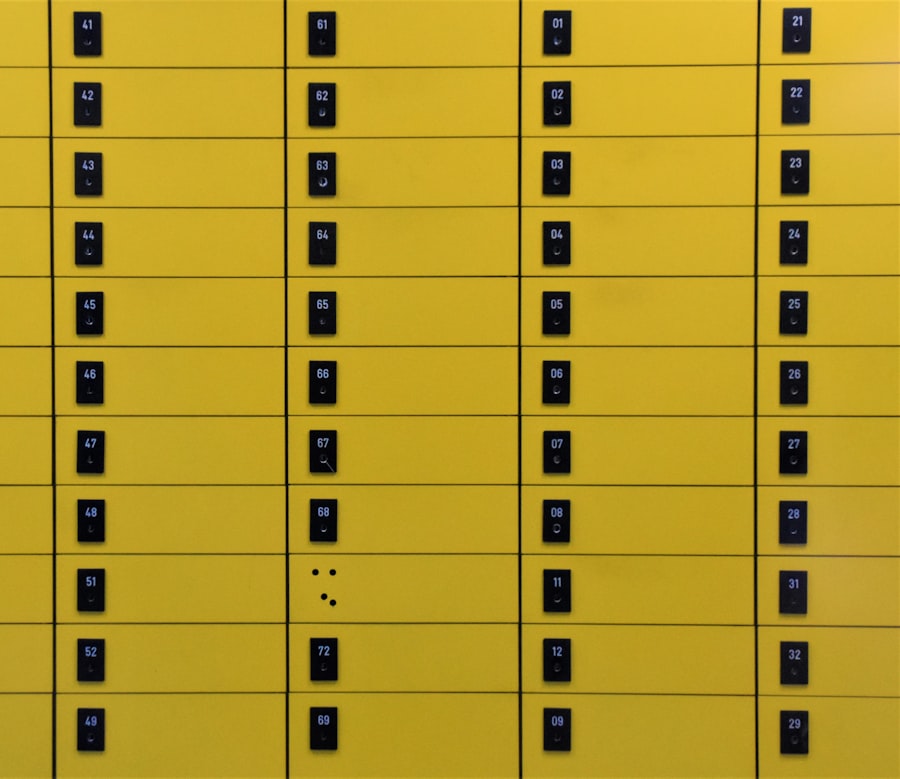
Wastage in storage systems can occur due to inefficient arrangements or poor utilization of available space. By applying geometric concepts, organizations can identify areas where wastage occurs and implement strategies to mitigate it. This process often involves analyzing the shapes and sizes of items being stored and determining how they can be arranged more effectively to minimize empty spaces.
For example, creating shelving units that match the height and width of products can eliminate gaps that would otherwise lead to wasted space. In digital environments, employing data compression techniques based on geometric principles can also reduce wastage by optimizing how data is stored on physical drives.
Analyzing Storage Layouts for Quota Optimization
Analyzing storage layouts is a critical step in optimizing quotas within any organization. A thorough examination of how items are arranged can reveal inefficiencies that may hinder effective quota management. By assessing factors such as accessibility, visibility, and spatial relationships between items, organizations can identify opportunities for improvement that align with their storage quotas.
This analysis often involves creating visual representations of current layouts using geometric modeling techniques. These models allow stakeholders to visualize potential changes and assess their impact on overall efficiency. By simulating different arrangements based on geometric principles, organizations can make informed decisions about how best to optimize their storage layouts while adhering to established quotas.
Incorporating Geometric Patterns for Efficient Storage
Incorporating geometric patterns into storage design can lead to significant improvements in efficiency and organization. Patterns such as grids or modular designs allow for systematic arrangements that enhance accessibility and reduce retrieval times. By utilizing these patterns, organizations can create environments that are not only functional but also aesthetically pleasing.
For example, a grid pattern in a warehouse can facilitate easy navigation and quick access to items by providing clear pathways between rows of shelves. Similarly, in digital storage systems, organizing files according to geometric patterns can streamline data retrieval processes. By adopting these patterns, organizations can enhance their overall efficiency while ensuring compliance with their storage quotas.
Leveraging Geometric Shapes for Quota Management
Geometric shapes play a crucial role in quota management by influencing how items are stored and accessed within a given space. Different shapes have unique characteristics that affect their arrangement and interaction with other items. By understanding these characteristics, organizations can leverage geometric shapes to optimize their storage systems effectively.
For instance, cylindrical shapes may be more challenging to stack efficiently compared to rectangular boxes; however, they may offer advantages in terms of accessibility when stored on shelves. By analyzing these trade-offs, organizations can make informed decisions about which shapes to prioritize in their storage solutions. This strategic approach not only enhances quota management but also contributes to overall operational efficiency.
Case Studies: Successful Quota Optimization with Geometry
Numerous organizations have successfully implemented geometric principles in their quest for effective quota optimization. One notable case study involves a large retail chain that faced challenges with inventory management due to limited warehouse space. By employing geometric algorithms and spatial analysis techniques, they were able to redesign their shelving layout based on item dimensions and sales frequency.
As a result, the retail chain significantly increased its storage capacity while reducing retrieval times for employees. Another case study highlights a cloud service provider that utilized geometric concepts to optimize data placement across its servers. By analyzing data access patterns and applying bin packing algorithms, they achieved a more efficient distribution of data across their infrastructure, leading to improved performance and reduced costs.
Future Trends in Storage Quota Optimization with Geometry
The future of storage quota optimization is poised for exciting developments as advancements in technology continue to evolve. Emerging trends suggest an increased reliance on artificial intelligence (AI) and machine learning algorithms that incorporate geometric principles into their decision-making processes. These technologies will enable organizations to analyze vast amounts of data quickly and accurately, leading to more effective quota management strategies.
Additionally, as industries increasingly adopt sustainable practices, there will be a growing emphasis on optimizing storage solutions that minimize waste and environmental impact. Geometric principles will play a vital role in this shift by guiding organizations toward more efficient designs that prioritize sustainability while still meeting their quota requirements. As these trends unfold, organizations will need to remain agile and adaptable in order to leverage the full potential of geometry in their storage optimization efforts.
For those interested in understanding the intricacies of storage quota geometry, a related article can be found on our website. This article delves into the various factors that influence storage allocation and optimization strategies. You can read more about it by visiting this page.
FAQs
What is storage quota geometry?
Storage quota geometry refers to the structural organization and allocation of storage space within a system or device. It involves how storage capacity is divided, managed, and optimized to meet user or application needs.
Why is understanding storage quota geometry important?
Understanding storage quota geometry helps in efficient storage management, ensuring that space is allocated appropriately to prevent overuse or underutilization. It aids in optimizing performance and maintaining system stability.
How is storage quota typically measured?
Storage quota is usually measured in units such as bytes, kilobytes (KB), megabytes (MB), gigabytes (GB), or terabytes (TB), depending on the scale of storage being managed.
What factors influence storage quota geometry?
Factors include the total available storage capacity, the number of users or applications sharing the storage, system policies, file system architecture, and the specific requirements of the stored data.
Can storage quotas be adjusted?
Yes, storage quotas can often be adjusted by system administrators or users with appropriate permissions to allocate more or less storage space based on changing needs.
What happens if a storage quota is exceeded?
If a storage quota is exceeded, the system may prevent additional data from being saved, generate warnings or errors, or trigger administrative actions to free up space or increase the quota.
Are storage quotas used in cloud storage services?
Yes, cloud storage providers commonly implement storage quotas to manage resource allocation, control costs, and ensure fair usage among users.
How does storage quota geometry affect system performance?
Properly designed storage quota geometry can improve system performance by preventing storage bottlenecks, reducing fragmentation, and ensuring balanced resource distribution.
Is storage quota geometry relevant to both physical and virtual storage?
Yes, storage quota geometry applies to both physical storage devices (like hard drives) and virtual storage environments (such as cloud storage or virtual machines).
What tools are available to manage storage quota geometry?
Various operating systems and storage management software provide tools and interfaces to monitor, configure, and enforce storage quotas, including command-line utilities and graphical user interfaces.