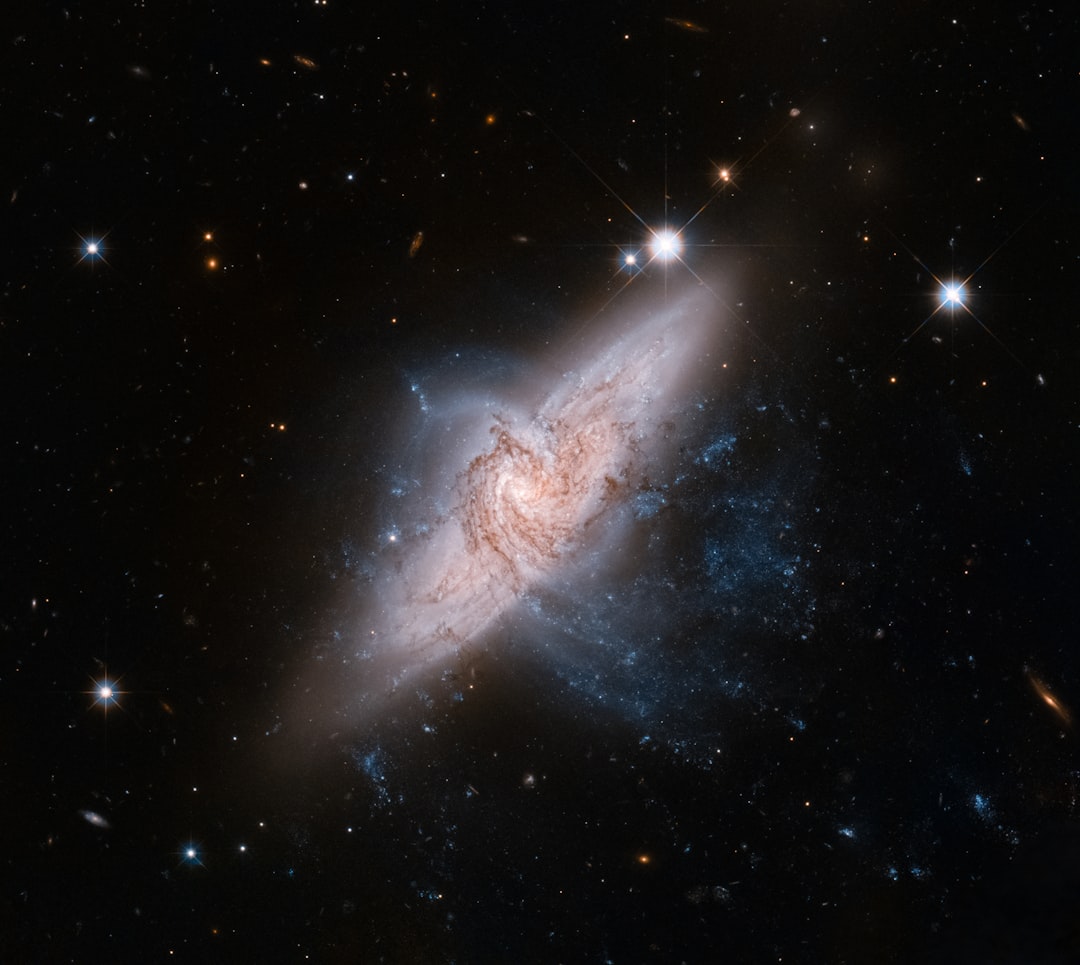
The James Webb Space Telescope (JWST) represents a monumental leap in humanity’s quest to understand the cosmos. Launched on December 25, 2021, this sophisticated observatory is designed to peer deeper into the universe than ever before, surpassing the capabilities of its predecessor, the Hubble Space Telescope. With its large primary mirror measuring 6.5 meters in diameter and its advanced suite of scientific instruments, JWST is equipped to capture light from the earliest epochs of the universe, providing insights into the formation and evolution of galaxies, stars, and planetary systems.
JWST’s design is a testament to human ingenuity and collaboration, involving contributions from space agencies around the world, including NASA, ESA (the European Space Agency), and the Canadian Space Agency. Its location at the second Lagrange point (L2), approximately 1.5 million kilometers from Earth, allows it to maintain a stable position while minimizing interference from our planet’s atmosphere. This strategic placement, combined with its infrared capabilities, enables JWST to observe celestial objects that are too faint or distant for other telescopes to detect, opening a new frontier in astronomical research.
Key Takeaways
- The James Webb Space Telescope (JWST) is the most powerful space telescope ever built, designed to study the universe’s earliest galaxies and stars.
- Scientists are using JWST to search for the oldest galaxies in the universe, which can provide valuable insights into the early stages of cosmic evolution.
- JWST’s advanced technology, such as its infrared capabilities and large mirror, allows it to uncover ancient galaxies that were previously undetectable.
- Studying ancient galaxies with JWST can help scientists better understand the early universe and the processes that led to the formation of galaxies and stars.
- Discovering the oldest galaxies with JWST is significant because it can provide crucial information about the origins and evolution of the universe.
The search for the oldest galaxies
The quest to identify the oldest galaxies in the universe is a fundamental aspect of modern astrophysics. These ancient galaxies hold clues about the conditions that prevailed shortly after the Big Bang, approximately 13.8 billion years ago. By studying these early structures, astronomers hope to unravel the mysteries surrounding galaxy formation and evolution, as well as the processes that led to the creation of stars and planets.
The search for these primordial galaxies is not merely an academic exercise; it is a journey into the very fabric of time and space. As researchers delve into this pursuit, they face numerous challenges. The vast distances involved mean that light from these ancient galaxies has taken billions of years to reach us, making them incredibly faint and difficult to observe.
Moreover, the expansion of the universe causes this light to redshift, shifting it into longer wavelengths that require specialized instruments to detect. The JWST’s ability to observe in the infrared spectrum is crucial for this endeavor, as it allows scientists to capture the light emitted by these distant galaxies before it becomes too faint or redshifted beyond detection.
How JWST is uncovering the oldest galaxies
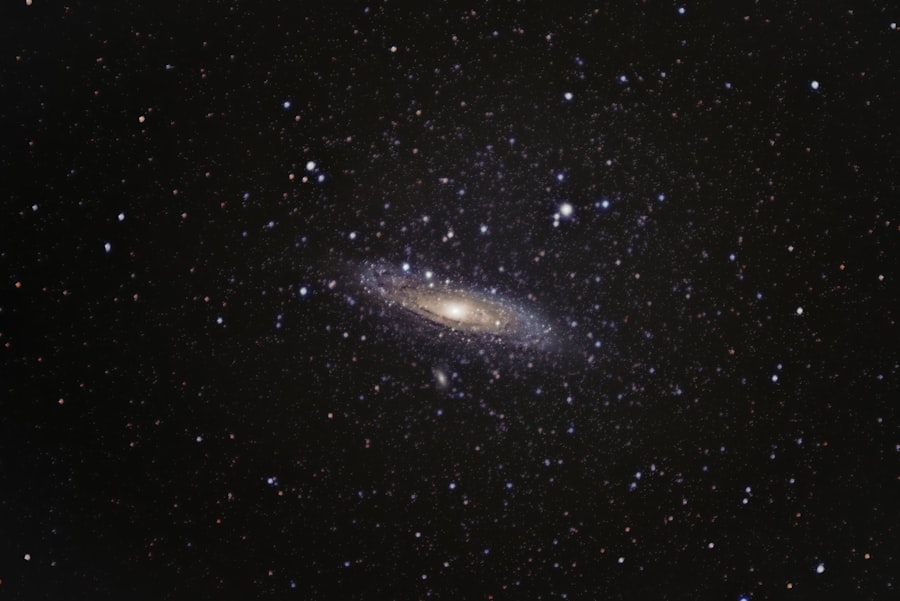
The JWST employs a variety of advanced techniques and instruments to uncover the oldest galaxies in the universe. One of its key capabilities is its ability to conduct deep-field observations, which involve focusing on a small patch of sky for extended periods. This method allows JWST to collect light from extremely faint objects, revealing galaxies that existed when the universe was just a fraction of its current age.
By analyzing these deep-field images, astronomers can identify potential candidates for some of the earliest galaxies. In addition to deep-field observations, JWST utilizes spectroscopy to analyze the light emitted by these ancient galaxies. By dispersing light into its constituent colors, scientists can determine various properties of the galaxies, such as their composition, temperature, and distance from Earth.
This information is vital for understanding how these galaxies formed and evolved over time. The combination of deep imaging and spectroscopy positions JWST as an unparalleled tool in the quest to uncover the universe’s oldest galaxies.
Understanding the early universe through the study of ancient galaxies
| Galaxy Name | Distance from Earth (light years) | Age of Galaxy (billions of years) | Composition |
|---|---|---|---|
| GN-z11 | 13.4 billion | 13.4 | Primarily hydrogen and helium |
| UDFj-39546284 | 13.2 billion | 13.2 | Primarily hydrogen and helium |
| MACS0647-JD | 13.3 billion | 13.3 | Primarily hydrogen and helium |
Studying ancient galaxies provides a unique window into the early universe and its formative years. These galaxies serve as time capsules, preserving information about the conditions that existed shortly after the Big Bang. By examining their structure and composition, astronomers can gain insights into how matter coalesced to form stars and galaxies in a previously chaotic environment.
This understanding is crucial for piecing together the timeline of cosmic evolution. Moreover, ancient galaxies can shed light on the processes that led to the formation of heavy elements through stellar nucleosynthesis. The first stars, known as Population III stars, are believed to have been massive and short-lived, producing heavy elements that were later distributed throughout the universe when they exploded as supernovae.
By studying ancient galaxies, researchers can trace the chemical evolution of the universe and understand how these elements contributed to the formation of subsequent generations of stars and planets.
The significance of discovering the oldest galaxies
The discovery of the oldest galaxies has profound implications for our understanding of cosmology and astrophysics. These findings challenge existing theories about galaxy formation and evolution, prompting scientists to reevaluate their models of how structures in the universe developed over time. For instance, if JWST identifies galaxies that formed much earlier than previously thought, it could suggest that our understanding of cosmic timelines needs adjustment.
Furthermore, these discoveries can provide insights into dark matter and dark energy—two enigmatic components that make up a significant portion of the universe’s mass-energy content. By studying how ancient galaxies interacted with their surroundings and evolved over time, researchers can glean information about these elusive phenomena and their role in shaping cosmic structures.
Challenges and breakthroughs in observing ancient galaxies
While JWST has made significant strides in observing ancient galaxies, challenges remain in this complex field of study. One major hurdle is distinguishing between genuine ancient galaxies and more recent structures that may appear similar due to their brightness or other characteristics. This requires careful analysis and validation through multiple observational techniques.
Additionally, astronomers must contend with cosmic noise and interference from foreground objects such as stars within our own galaxy. Advanced data processing techniques are essential for isolating signals from ancient galaxies amidst this clutter. Despite these challenges, JWST has already achieved remarkable breakthroughs in identifying potential candidates for some of the earliest galaxies ever observed.
The impact of JWST’s discoveries on our understanding of the universe
The discoveries made by JWST are poised to reshape our understanding of the universe fundamentally. As astronomers uncover more about ancient galaxies, they will refine their models of cosmic evolution and gain insights into fundamental questions about our existence. For instance, understanding how early galaxies formed can illuminate the processes that led to our own galaxy’s development—the Milky Way—and provide context for our place in the cosmos.
Moreover, JWST’s findings may lead to new theories regarding galaxy interactions and mergers, which play a crucial role in shaping galactic structures over time. As researchers analyze data from JWST’s observations, they will be able to construct a more comprehensive picture of how galaxies evolve and interact with one another throughout cosmic history.
The role of technology in uncovering ancient galaxies
The technological advancements embodied in JWST are pivotal for its success in uncovering ancient galaxies.
The telescope’s ability to operate at extremely low temperatures allows it to detect faint infrared signals without interference from thermal noise.
Furthermore, advancements in data processing algorithms enable astronomers to analyze vast amounts of data generated by JWST efficiently. Machine learning techniques are increasingly being employed to identify patterns within this data, facilitating the discovery of ancient galaxies that might otherwise go unnoticed. The synergy between technology and astronomy is crucial for pushing the boundaries of what is possible in cosmic exploration.
The future of studying ancient galaxies with JWST
As JWST continues its mission over the coming years, it will undoubtedly yield a wealth of new discoveries related to ancient galaxies. Ongoing observations will refine our understanding of when and how these structures formed while also revealing new insights into their properties and behaviors. The telescope’s ability to conduct long-term studies will allow researchers to track changes in these galaxies over time, providing a dynamic view of cosmic evolution.
Researchers will share findings and insights across disciplines, fostering a more comprehensive understanding of ancient galaxies and their significance within the broader context of cosmology.
Collaborations and partnerships in the study of ancient galaxies
The study of ancient galaxies is inherently collaborative, drawing on expertise from various fields within astronomy and astrophysics. International partnerships among space agencies and research institutions have been instrumental in developing JWST and ensuring its success in uncovering cosmic mysteries. These collaborations extend beyond technical aspects; they also encompass shared scientific goals and objectives.
As discoveries emerge from JWST’s observations, collaborative networks will play a crucial role in interpreting data and disseminating findings across the global scientific community. Joint research initiatives will facilitate cross-disciplinary approaches that integrate insights from different areas of study—such as cosmology, stellar evolution, and galaxy formation—ultimately enriching our understanding of ancient galaxies.
Implications of JWST’s discoveries for astrophysics and cosmology
The implications of JWST’s discoveries extend far beyond individual findings; they have profound consequences for astrophysics and cosmology as a whole. By revealing new information about ancient galaxies, JWST challenges existing paradigms and encourages scientists to rethink fundamental concepts related to galaxy formation and evolution. These discoveries may also influence our understanding of dark matter and dark energy—two critical components that govern cosmic dynamics but remain poorly understood.
As researchers analyze how ancient galaxies interacted with their environments, they may uncover clues about these elusive phenomena that could reshape theoretical frameworks within astrophysics. In conclusion, the James Webb Space Telescope stands at the forefront of astronomical exploration, poised to revolutionize our understanding of ancient galaxies and their role in shaping the universe as we know it today. Through its advanced technology and collaborative efforts among scientists worldwide, JWST is set to unlock secrets that have remained hidden for billions of years—offering humanity a deeper glimpse into its cosmic origins and future possibilities.
The James Webb Space Telescope (JWST) has recently made groundbreaking discoveries by identifying some of the oldest galaxies ever observed, pushing the boundaries of our understanding of the early universe. These ancient galaxies, formed just a few hundred million years after the Big Bang, provide invaluable insights into the formation and evolution of cosmic structures. For more detailed information on these remarkable findings and their implications for cosmology, you can read a related article on the topic by visiting