NASA, the United States government agency responsible for the nation’s civilian space program and for aeronautics and aerospace research, has long been a beacon of scientific achievement and exploration. However, despite its monumental successes, the agency has faced significant challenges in effectively communicating its scientific endeavors to the public. This failure in communication is not merely a matter of public relations; it has profound implications for public understanding of science, funding for future projects, and the overall perception of space exploration.
The importance of effective communication in science cannot be overstated. It serves as a bridge between complex scientific concepts and the layperson’s understanding.
For NASA, this is particularly crucial as it seeks to inspire future generations and secure public support for its ambitious missions. However, the agency’s struggles in this area have raised questions about its ability to engage with the very audience it aims to educate and inspire. By examining the various facets of NASA’s communication failures, one can gain insight into how these shortcomings can be addressed to foster a more informed and engaged public.
Key Takeaways
- NASA has failed in effectively communicating its scientific findings to the public, leading to a lack of engagement and understanding.
- The use of clear and accessible language is lacking in NASA’s communication efforts, making it difficult for the public to comprehend complex scientific information.
- Visual aids are not being utilized adequately by NASA, hindering the public’s ability to visualize and understand scientific concepts and data.
- NASA has not effectively engaged the public in its communication efforts, leading to a disconnect between the organization and the general population.
- There has been a miscommunication of scientific findings by NASA, leading to confusion and misunderstanding among the public.
Lack of Clear and Accessible Language
One of the most significant barriers to effective scientific communication at NASA is the use of jargon and technical language that is often inaccessible to the general public. While scientists are trained to communicate within their fields using precise terminology, this practice can alienate those who lack a background in science. The result is a communication gap that leaves many people confused or disinterested in NASA’s work.
For instance, when discussing complex topics such as astrophysics or planetary science, the agency frequently employs terms that may be familiar to experts but are foreign to everyday citizens. To bridge this gap, NASA must prioritize clarity in its messaging. This involves simplifying language without sacrificing accuracy, ensuring that scientific concepts are conveyed in a way that is relatable and understandable.
By adopting a more conversational tone and avoiding unnecessary jargon, NASA can make its findings more accessible to a broader audience. This shift not only enhances public understanding but also fosters a sense of connection between scientists and the community they serve.
Inadequate Use of Visual Aids
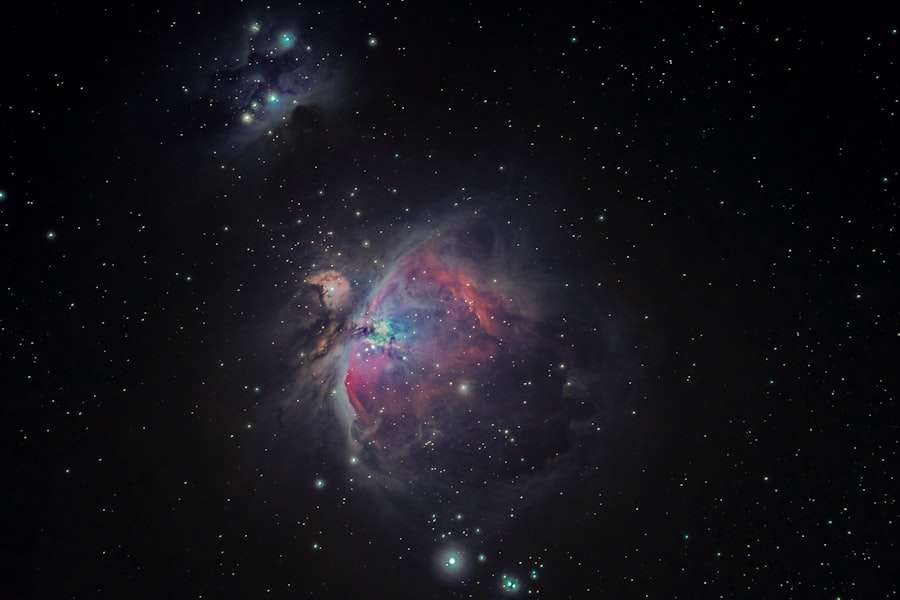
Visual aids play a crucial role in enhancing comprehension and retention of information, yet NASA has not always utilized them effectively in its communications. While the agency is renowned for its stunning imagery from space missions, these visuals are often underutilized in educational materials and public outreach efforts. Infographics, charts, and diagrams can significantly enhance understanding by providing context and illustrating complex data in an easily digestible format.
However, many of NASA’s communications rely heavily on text-based information, which can be overwhelming for those unfamiliar with scientific concepts. To improve its communication strategy, NASA should integrate more visual elements into its outreach efforts. By creating engaging infographics that summarize key findings or using animations to explain intricate processes, the agency can capture the attention of diverse audiences.
Visual storytelling not only makes information more appealing but also aids in breaking down complex ideas into manageable pieces. By embracing this approach, NASA can enhance public engagement and foster a deeper appreciation for its scientific endeavors.
Failure to Engage the Public
| Reason for Failure | Metrics |
|---|---|
| Lack of Communication | Low social media engagement |
| Uninspiring Content | Low website traffic |
| Unclear Messaging | Low attendance at events |
Engagement is a critical component of effective communication, yet NASA has struggled to connect with the public on a meaningful level. While the agency has made strides in outreach through events and educational programs, there remains a disconnect between its initiatives and the interests of the general populace. Many people feel that NASA’s work is distant or irrelevant to their daily lives, leading to apathy toward space exploration and scientific advancements.
To foster greater engagement, NASA must actively seek to understand the interests and concerns of the public. This involves not only listening to feedback but also tailoring outreach efforts to resonate with diverse audiences. By collaborating with community organizations, schools, and local leaders, NASA can create programs that are relevant and impactful.
Additionally, incorporating interactive elements such as Q&A sessions or hands-on activities can help demystify science and encourage participation. By prioritizing engagement, NASA can cultivate a sense of ownership among the public regarding its missions and discoveries.
Miscommunication of Scientific Findings
Miscommunication of scientific findings can have far-reaching consequences, particularly when it comes to public perception and policy decisions. NASA has faced criticism for instances where its messaging has led to misunderstandings about key discoveries or technological advancements. For example, when announcing new findings related to climate change or extraterrestrial life, the agency’s messaging has sometimes been perceived as alarmist or overly optimistic, leading to confusion among stakeholders.
To mitigate these issues, NASA must adopt a more nuanced approach to communicating scientific findings. This includes providing context for discoveries and acknowledging uncertainties inherent in scientific research.
Clear communication about the implications of scientific findings is essential for ensuring that the public understands their significance and relevance.
Lack of Transparency in Data Sharing

Transparency is a cornerstone of scientific integrity, yet NASA has faced challenges in sharing data with the public in an accessible manner. While the agency collects vast amounts of data from its missions, much of this information remains locked away in technical reports or databases that are difficult for non-experts to navigate. This lack of transparency can lead to skepticism about NASA’s findings and hinder public engagement with its work.
To address this issue, NASA should prioritize open data initiatives that make scientific data readily available to the public. By creating user-friendly platforms that allow individuals to explore datasets related to ongoing research or past missions, NASA can empower citizens to engage with science directly. Additionally, providing clear explanations of how data is collected and analyzed can demystify the research process and foster greater trust in the agency’s findings.
Transparency not only enhances public understanding but also encourages collaboration between scientists and citizens.
Ineffective Use of Social Media
In an age where social media plays a pivotal role in shaping public discourse, NASA’s use of these platforms has been inconsistent at best. While the agency has made efforts to establish a presence on various social media channels, its messaging often lacks the creativity and engagement necessary to capture attention in a crowded digital landscape. Posts may be informative but fail to resonate with audiences who are inundated with content from multiple sources.
To maximize its impact on social media, NASA should adopt a more dynamic approach that leverages storytelling techniques and interactive content. Engaging videos, live streams from missions, and behind-the-scenes glimpses into research can create a sense of excitement around NASA’s work. Additionally, encouraging user-generated content through challenges or campaigns can foster community involvement and amplify outreach efforts.
By embracing innovative strategies on social media, NASA can enhance its visibility and connect with younger audiences who are increasingly turning to these platforms for information.
Failure to Address Misinformation
In an era marked by rampant misinformation, NASA faces an uphill battle in ensuring accurate representation of its work in public discourse. The agency has encountered instances where false narratives about space exploration or climate science have gained traction online, undermining public trust in legitimate scientific findings. Failure to address these misconceptions not only hampers public understanding but also poses risks for policy decisions based on inaccurate information.
To combat misinformation effectively, NASA must take an active role in clarifying misconceptions surrounding its work. This involves monitoring social media platforms for false claims related to space exploration or scientific discoveries and responding promptly with accurate information. Collaborating with fact-checking organizations can also enhance credibility while providing resources for journalists covering NASA-related topics.
By proactively addressing misinformation, NASA can reinforce its commitment to transparency and accuracy while fostering a more informed public discourse.
Lack of Diversity and Inclusivity in Outreach Efforts
Diversity and inclusivity are essential components of effective communication; however, NASA has faced criticism for failing to adequately represent diverse voices in its outreach efforts. Historically marginalized communities may feel excluded from conversations about space exploration due to a lack of representation in both messaging and personnel within the agency. This disconnect can perpetuate feelings of alienation among individuals who might otherwise be interested in science.
To create a more inclusive environment, NASA must prioritize diversity in its outreach initiatives by actively seeking input from underrepresented communities. Collaborating with organizations that focus on promoting STEM education among diverse populations can help ensure that messaging resonates with a broader audience. Additionally, featuring diverse scientists and engineers in promotional materials can inspire young people from various backgrounds to pursue careers in science and technology.
By fostering inclusivity within its outreach efforts, NASA can cultivate a sense of belonging among all individuals interested in space exploration.
Inadequate Response to Public Concerns
Public concerns regarding scientific issues often go unaddressed by agencies like NASA, leading to frustration among citizens who seek clarity on pressing matters such as climate change or space exploration ethics. When concerns are dismissed or inadequately addressed, it creates an environment where mistrust flourishes—an outcome detrimental not only for public perception but also for future funding opportunities. To improve responsiveness to public concerns, NASA should establish clear channels for communication where individuals can voice their questions or apprehensions regarding ongoing projects or research findings.
Hosting town hall meetings or virtual forums allows citizens to engage directly with scientists while fostering dialogue around important topics related to space exploration. By demonstrating a commitment to addressing public concerns transparently and thoughtfully, NASA can build trust within communities while reinforcing its role as a leader in scientific inquiry.
Recommendations for Improving NASA’s Scientific Communication
To enhance its scientific communication efforts moving forward, NASA must adopt a multifaceted approach that prioritizes clarity, engagement, transparency, diversity, and responsiveness. First and foremost, simplifying language used in communications will help bridge gaps between scientists and non-experts alike—ensuring that complex concepts are conveyed clearly without sacrificing accuracy. Additionally, integrating visual aids into educational materials will enhance comprehension while making information more engaging for diverse audiences.
Emphasizing interactive elements within outreach initiatives will further encourage participation from individuals who may feel disconnected from traditional forms of communication. Moreover, prioritizing transparency through open data initiatives will empower citizens by allowing them access to valuable information related to ongoing research efforts—fostering trust between scientists and communities alike. Finally—addressing misinformation proactively while prioritizing inclusivity within outreach initiatives will ensure that all voices are heard—creating an environment where everyone feels welcome within conversations surrounding space exploration.
By implementing these recommendations thoughtfully—NASA stands poised not only to improve its own communication strategies but also inspire future generations toward greater understanding—and appreciation—for science as a whole.
One notable instance of scientific communication failure occurred during NASA’s Mars Climate Orbiter mission, where a mix-up between metric and imperial units led to the spacecraft’s loss. This incident highlights the critical importance of clear and effective communication in scientific endeavors. For further insights into the implications of such failures in scientific communication, you can read more in this related article: Understanding Scientific Communication Failures.
WATCH THIS! The Object Defying Gravity: Is This Proof of Alien Technology?
FAQs
What is scientific communication failure?
Scientific communication failure refers to the breakdown in the effective dissemination of scientific information to the public, policymakers, or other relevant stakeholders. This can lead to misunderstandings, misinformation, and a lack of trust in scientific findings.
What are some examples of scientific communication failure at NASA?
One example of scientific communication failure at NASA was the misinterpretation of climate change data by the public and policymakers, leading to a lack of action on addressing the issue. Another example was the miscommunication of the risks and benefits of space exploration, leading to public skepticism and misunderstanding of NASA’s missions.
How does scientific communication failure impact society?
Scientific communication failure can lead to a lack of public trust in scientific institutions, misinformation about important scientific issues, and a failure to take appropriate action on critical matters such as climate change or public health crises. It can also hinder the allocation of resources and funding for scientific research and exploration.
What steps can NASA take to improve scientific communication?
NASA can improve scientific communication by prioritizing clear and accessible language in their public communications, engaging with the public and stakeholders to understand their concerns and perspectives, and collaborating with experts in science communication to effectively convey complex scientific information. Additionally, transparency and openness about scientific findings and uncertainties can help build trust with the public.