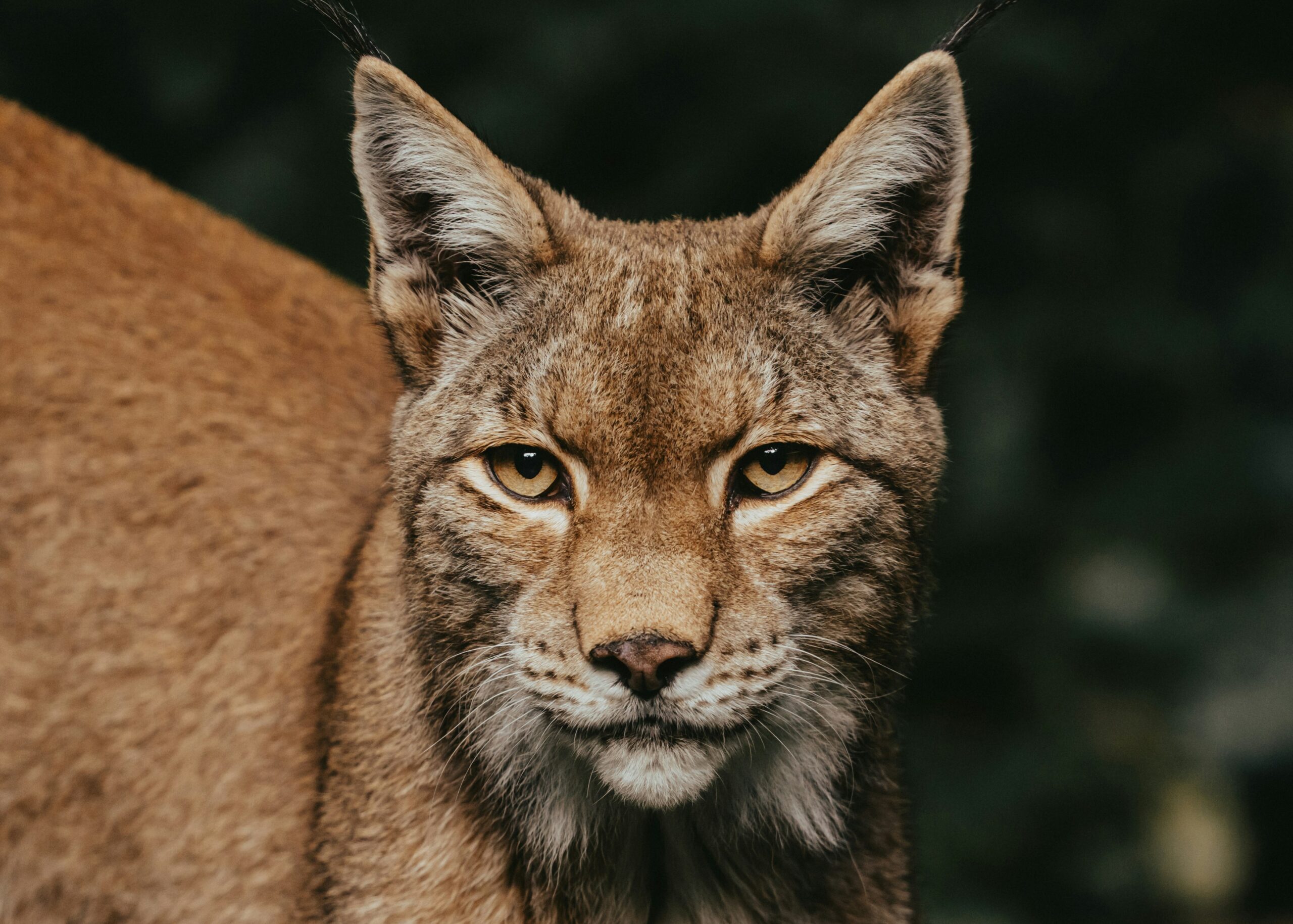
The bobcat, a shadow painted across the snow-laden landscape, is a creature that embodies the untamed spirit of the wild. Its presence, often fleeting and elusive, has woven itself into the folklore and ecological tapestry of regions where winter reigns supreme. This article delves into the world of these felines, exploring their adaptations, hunting strategies, and the challenges they face in their frosty domain.
The bobcat (Lynx rufus) is a medium-sized wild cat native to North America, ranging from southern Canada to central Mexico. Its scientific name, _Lynx rufus_, translates to “red lynx,” a nod to its reddish-brown coat, though its coloration can vary significantly across its vast range. This adaptability in terms of physical appearance is a key factor in its survival.
Physical Characteristics: Built for the Canadian Winter
A bobcat typically stands about 20-30 inches (50-75 cm) at the shoulder and weighs between 15-40 pounds (7-18 kg). Males are generally larger than females. Their most distinctive feature is their short, “bobbed” tail, from which they derive their common name. This tail, measuring only 4-7 inches (10-18 cm), is not merely a cosmetic feature; it aids in balance, particularly when navigating treacherous terrain or leaping to capture prey.
Their fur is dense and soft, providing excellent insulation against the biting cold of winter. The coat color can range from a pale grayish-brown to a reddish-brown, often adorned with darker spots and stripes that serve as a form of natural camouflage. This dappled pattern effectively breaks up their outline, allowing them to blend seamlessly with their surroundings, whether it be a snow-covered forest floor or the varied hues of deciduous undergrowth. The underbelly is typically lighter, often white with darker markings.
Sensory Prowess: Eyes and Ears of the Hunter
The bobcat’s sensory organs are finely tuned instruments for survival in a world where silence and stealth are paramount. Their eyes, large and round, are equipped with excellent night vision, crucial for hunting during the twilight hours when prey is most active. The tapetum lucidum, a reflective layer behind the retina, amplifies available light, giving their eyes that characteristic glow when caught in a beam of light.
Their ears are also highly developed. Not only are they large and erect, capable of swiveling independently to pinpoint the faintest rustle of a leaf or a faint scurrying sound beneath the snow, but they also possess tufts of fur at their tips. These tufts, reminiscent of their larger lynx cousins, are thought to channel sound waves more effectively towards the ear canal, further enhancing their auditory acuity. This combination of keen eyesight and exceptional hearing makes the bobcat a formidable predator, able to detect even the most subtle signs of its quarry.
The local lynx population has been significantly affected by the changing climate, particularly in cold cloud regions where their habitat is being altered. For a deeper understanding of the challenges faced by these magnificent creatures and the conservation efforts underway, you can read a related article that explores the intricate relationship between climate change and wildlife. Check it out here: Local Lynx and Climate Change.
Hunting Prowess: The Silent Stalker of the Snow
The bobcat’s hunting strategy is a testament to its patience, agility, and keen predatory instincts. In the harsh conditions of winter, these skills are amplified, as survival hinges on the successful capture of prey.
Preferred Prey: A Varied Diet for a Solitary Hunter
The bobcat is an opportunistic carnivore, with its diet varying depending on availability. In many regions, rabbits and hares form a significant portion of their diet, especially during winter when these lagomorphs are more visible against the snow. Snowshoe hares, in particular, are a favored meal, and their populations often directly influence bobcat numbers.
However, the bobcat is not a picky eater. It will also prey on rodents such as mice and voles, birds, and even occasionally larger animals like fawns or domestic animals if the opportunity arises. Their hunting method typically involves a combination of stalking and ambush. They will patiently stalk their prey, utilizing their camouflage to remain unseen, before launching a swift and decisive pounce.
Winter Strategies: Adapting to a Frozen Landscape
The arrival of winter presents unique challenges for bobcats. The snow, while offering camouflage, can also make movement difficult and less energy-efficient. Their large, padded paws act like snowshoes, distributing their weight and allowing them to move with relative ease over soft snow. The fur on the soles of their paws also provides additional insulation and grip.
When hunting in deep snow, bobcats often utilize existing trails or the tracks of their prey to conserve energy. They are adept at lying in wait near game trails or burrows, patiently anticipating the appearance of their next meal. The freeze-and-thaw cycles of winter can create icy patches, making the frozen ground a treacherous landscape, but the bobcat’s sharp claws provide excellent traction.
The local lynx population has been significantly affected by the changing climate, particularly in regions experiencing cold cloud cover. A recent article discusses the intricate relationship between these elusive cats and their habitat, shedding light on how environmental shifts impact their survival. For more insights on this topic, you can read the full article here: explore the findings. Understanding these dynamics is crucial for conservation efforts aimed at protecting the lynx and its ecosystem.
The Ambush: A Symphony of Stealth and Power
When a bobcat spots its prey, its approach is a masterclass in stealth. It moves low to the ground, its body coiled like a spring, each step deliberate and silent. The visual cues of the prey’s movement are meticulously observed
FAQs

What is the local lynx of Cold Cloud?
The local lynx of Cold Cloud refers to a specific population or subspecies of lynx that inhabits the Cold Cloud region. Lynxes are medium-sized wild cats known for their tufted ears and thick fur, adapted to cold environments.
Where is Cold Cloud located?
Cold Cloud is a geographic area characterized by cold temperatures and often mountainous or forested terrain. The exact location can vary depending on context, but it typically refers to a region with a cold climate suitable for lynx habitation.
What are the main characteristics of the lynx found in Cold Cloud?
The lynx in Cold Cloud typically have thick, dense fur to insulate against cold temperatures, tufted ears for enhanced hearing, large paws that act like snowshoes, and a short tail. They are solitary predators, primarily hunting small mammals and birds.
What is the conservation status of the local lynx in Cold Cloud?
The conservation status of the local lynx population in Cold Cloud depends on factors such as habitat quality, human impact, and prey availability. Many lynx populations face threats from habitat loss and hunting, but specific status would require local wildlife assessments.
How does the local lynx adapt to the cold environment of Cold Cloud?
The local lynx adapts to the cold environment through physical traits like thick fur and large paws, behavioral adaptations such as hunting strategies suited to snowy terrain, and physiological adaptations that help conserve energy and maintain body heat in low temperatures.