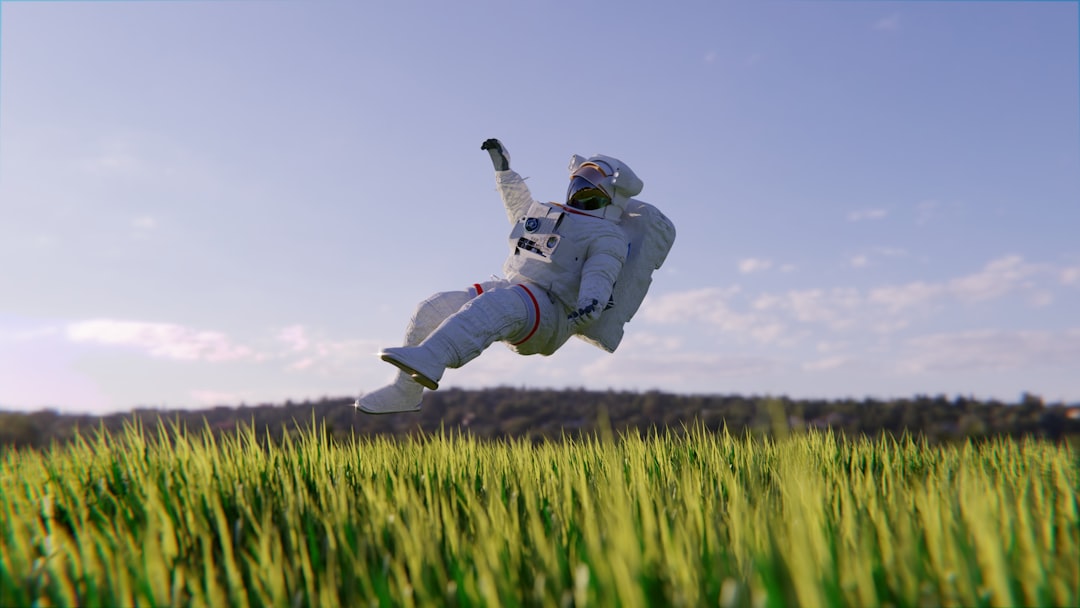
The journey to becoming an astronaut is a rigorous and demanding process that requires extensive training. Candidates undergo a series of evaluations, both physical and psychological, to ensure they possess the necessary skills and resilience for the challenges of space travel. This training begins with a comprehensive selection process, where aspiring astronauts are assessed on their technical knowledge, problem-solving abilities, and teamwork skills.
Those who make it through this initial phase enter a grueling training regimen that includes simulations, survival training, and physical conditioning. In addition to mastering the technical aspects of spacecraft operation, astronauts must also learn to work effectively in high-pressure environments. They participate in simulations that mimic the conditions of space travel, including weightlessness and the confined quarters of a spacecraft.
This preparation is crucial, as it helps them develop the mental fortitude needed to handle unexpected situations. Furthermore, astronauts engage in team-building exercises that foster camaraderie and trust among crew members, which is essential for maintaining morale during long missions.
Key Takeaways
- Preparing for space training involves rigorous physical and mental conditioning to adapt to the challenges of space travel.
- Liftoff into space is a thrilling and intense experience that requires astronauts to be physically and mentally prepared for the journey.
- Adapting to zero gravity in space requires astronauts to adjust to a new environment and learn to perform everyday tasks in a different way.
- Conducting scientific research in space provides unique opportunities for studying phenomena that cannot be observed on Earth.
- Space travel presents psychological challenges that astronauts must overcome, including isolation and the stress of living in a confined environment.
Launching into Space: The Experience of Liftoff
The moment of liftoff is one of the most exhilarating experiences an astronaut can encounter. As the countdown reaches zero, the powerful engines roar to life, propelling the spacecraft into the sky. The sheer force of the launch creates an intense sensation that can be both thrilling and overwhelming.
Astronauts often describe the feeling as being pressed firmly into their seats, with the vibrations of the rocket reverberating through their bodies. This moment marks the culmination of years of preparation and anticipation, as they leave behind the familiar comforts of Earth for the vast unknown of space. As the spacecraft ascends through the atmosphere, astronauts experience a series of physical sensations that are both unique and profound.
The transition from Earth’s gravity to the weightlessness of space is a gradual process, but it is accompanied by a rush of adrenaline and excitement. The view from the windows becomes increasingly breathtaking as they break through the clouds and witness the curvature of the Earth below. This moment serves as a powerful reminder of their mission’s significance and the beauty of the planet they are leaving behind.
Living in Zero Gravity: Adapting to a New Environment
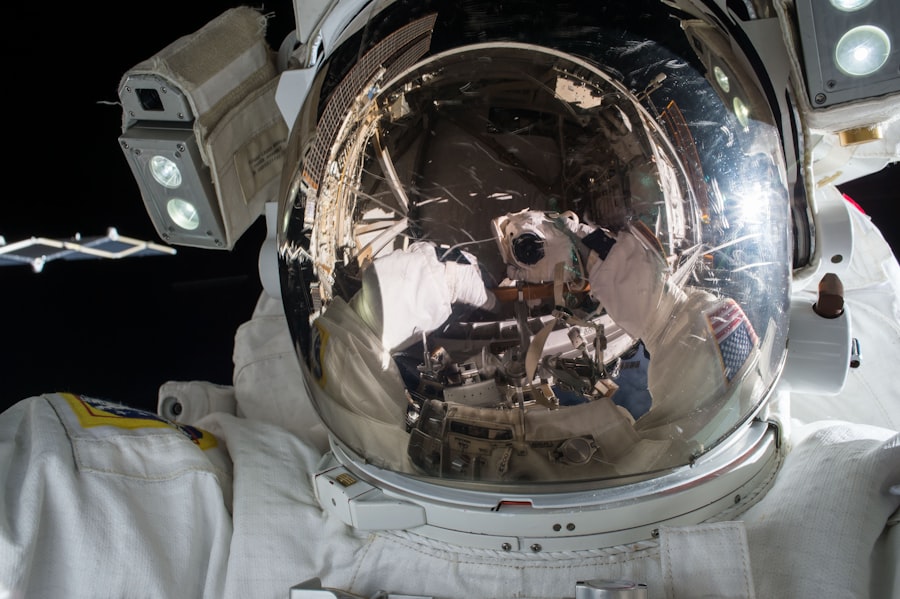
Once in orbit, astronauts must quickly adapt to life in a microgravity environment. The absence of gravity fundamentally alters how they move, eat, and even sleep.
For instance, eating requires special packaging to prevent food from floating away, and astronauts must learn to navigate their surroundings with care to avoid bumping into equipment or fellow crew members. This adjustment period can be disorienting, but astronauts are trained to embrace these changes and find innovative solutions to everyday problems. The psychological impact of living in zero gravity can also be significant.
Astronauts often report feelings of euphoria as they float freely, but this can be accompanied by moments of disorientation or discomfort. To combat these challenges, they establish routines that help maintain a sense of normalcy amidst the chaos of their new environment. Regular exercise is crucial not only for physical health but also for mental well-being, as it provides a structured outlet for stress relief and helps combat the effects of muscle atrophy caused by prolonged weightlessness.
Conducting Scientific Research in Space
| Metrics | Value |
|---|---|
| Number of experiments conducted | 100 |
| Duration of research missions | 6 months |
| Number of participating countries | 15 |
| Cost of conducting research | 10 million |
One of the primary objectives of space missions is to conduct scientific research that can only be performed in microgravity. Astronauts are tasked with a variety of experiments that span multiple disciplines, including biology, physics, and materials science. The unique conditions of space allow researchers to observe phenomena that cannot be replicated on Earth, leading to groundbreaking discoveries that have far-reaching implications for science and technology.
Astronauts work closely with scientists on Earth to ensure that experiments are executed flawlessly. They must be meticulous in their approach, as even minor errors can compromise valuable data. The ability to think critically and adapt quickly is essential when conducting research in such an unpredictable environment.
As they analyze results and share findings with their colleagues back home, astronauts contribute to a growing body of knowledge that enhances humanity’s understanding of life beyond our planet.
The Psychological Challenges of Space Travel
While the physical challenges of space travel are well-documented, the psychological aspects are equally important yet often overlooked. Astronauts face extended periods of isolation and confinement, which can lead to feelings of loneliness and anxiety. The close quarters of a spacecraft mean that personal space is limited, and crew members must learn to navigate interpersonal dynamics carefully to maintain harmony within the team.
To address these psychological challenges, astronauts receive training in stress management and conflict resolution before their missions. They are encouraged to communicate openly about their feelings and experiences, fostering an environment where support is readily available. Additionally, regular check-ins with psychologists help astronauts process their emotions and cope with the unique stresses associated with life in space.
By prioritizing mental health alongside physical well-being, space agencies aim to ensure that astronauts remain resilient throughout their missions.
Spacewalks: Working Outside the Spacecraft

One of the most awe-inspiring aspects of being an astronaut is the opportunity to conduct spacewalks, or extravehicular activities (EVAs). These excursions outside the spacecraft allow astronauts to perform maintenance tasks, conduct experiments, or install new equipment while floating in the vastness of space. The experience is both exhilarating and daunting; astronauts must don specialized suits that provide life support and protection from the harsh environment outside.
During a spacewalk, astronauts are treated to breathtaking views of Earth and the cosmos beyond. The sight of our planet from such a vantage point is often described as transformative, instilling a profound sense of connection to humanity as a whole. However, spacewalks also come with inherent risks; astronauts must remain vigilant and focused on their tasks while managing potential hazards such as micrometeoroids or equipment malfunctions.
The combination of beauty and danger makes each EVA a unique experience that underscores the bravery and skill required for space exploration.
Communication with Mission Control and Loved Ones
Maintaining communication with Mission Control is vital for astronauts during their missions. Ground teams provide essential support by monitoring systems, offering guidance during experiments, and ensuring that all operations run smoothly. This connection serves as a lifeline for astronauts, who rely on their colleagues back on Earth for assistance and reassurance throughout their journey.
In addition to professional communication, astronauts also cherish their connections with loved ones back home. Regular video calls and messages help bridge the emotional distance created by their time in space. These interactions provide comfort and motivation, reminding astronauts of their purpose and the support waiting for them upon their return.
Balancing professional responsibilities with personal connections is crucial for maintaining morale during long missions.
Maintaining Physical Health in Space
Physical health is paramount for astronauts during their time in space, where microgravity can lead to muscle atrophy and bone density loss. To counteract these effects, astronauts engage in daily exercise routines using specialized equipment designed for use in zero gravity. Treadmills with harnesses, stationary bicycles, and resistance machines allow them to maintain cardiovascular fitness and muscle strength while floating in their spacecraft.
Nutrition also plays a critical role in sustaining physical health during missions. Astronauts consume carefully planned diets that provide essential nutrients while accommodating the unique challenges of eating in microgravity. Food scientists work diligently to develop meals that are not only nutritious but also appealing to astronauts’ palates.
By prioritizing physical health through exercise and nutrition, astronauts can perform at their best while conducting research and fulfilling mission objectives.
The Beauty of Space: Views from the International Space Station
The International Space Station (ISS) offers astronauts unparalleled views of Earth and outer space that few people will ever experience firsthand. From its vantage point orbiting our planet at approximately 17,500 miles per hour, astronauts witness sunrises and sunsets every 90 minutes, painting the sky with vibrant colors that shift dramatically as they move through different time zones. The sight of cities illuminated at night or vast landscapes stretching across continents evokes a deep appreciation for Earth’s beauty.
Beyond Earth’s surface lies an expansive universe filled with stars, planets, and galaxies waiting to be explored. Astronauts often take time during their missions to capture photographs or simply gaze out at the cosmos in awe. These moments serve as reminders of humanity’s place in the universe and inspire a sense of wonder about what lies beyond our planet’s atmosphere.
Returning to Earth: Reacclimating to Gravity
The return journey to Earth presents its own set of challenges for astronauts who have spent extended periods in microgravity. As they re-enter Earth’s atmosphere, they experience intense heat and pressure before finally landing safely back on solid ground. The moment they step out of their spacecraft is both exhilarating and disorienting; after months without gravity, reacclimating can be a jarring experience.
Astronauts often report feeling heavy upon returning to Earth as their bodies readjust to gravitational forces. Simple tasks like walking or standing can feel laborious at first as muscles and bones begin to regain strength after being weakened by prolonged weightlessness. Rehabilitation programs are implemented post-mission to help astronauts regain their physical capabilities while also addressing any lingering psychological effects from their time in space.
The Future of Space Exploration: New Frontiers for Astronauts
As humanity continues to push the boundaries of space exploration, new frontiers await discovery beyond low Earth orbit. Missions to Mars are on the horizon, promising unprecedented challenges and opportunities for astronauts willing to venture into deep space. These missions will require even more extensive training and preparation than current endeavors due to longer durations away from Earth and increased isolation.
The future also holds exciting possibilities for commercial space travel, allowing private citizens to experience life beyond our planet alongside professional astronauts. As technology advances and costs decrease, more individuals may have the chance to participate in space missions, further expanding humanity’s reach into the cosmos. With each new mission comes the potential for groundbreaking discoveries that could reshape our understanding of life beyond Earth while inspiring future generations to dream big about what lies ahead in our quest for knowledge among the stars.
Embarking on the journey to become an astronaut is a dream that many hold, but few truly understand the intricacies and challenges involved in this extraordinary profession. For those curious about the day-to-day experiences and the rigorous training that astronauts undergo, an insightful article on the topic can be found on My Cosmic Ventures. This piece delves into the physical and mental preparation required, as well as the unique experiences of living and working in space. To explore more about what it’s like to be an astronaut, you can read the related article by visiting My Cosmic Ventures.
FAQs
What is an astronaut?
An astronaut is a person trained to travel and work in space. They are typically employed by a government or private space agency and undergo rigorous training to prepare for space missions.
What is it like to be an astronaut?
Being an astronaut involves intense physical and mental training, as well as the experience of living and working in the confined and weightless environment of a spacecraft or space station. Astronauts also conduct scientific experiments, perform spacewalks, and operate complex equipment.
What are the requirements to become an astronaut?
To become an astronaut, candidates typically need a bachelor’s degree in a science, engineering, or mathematics-related field, as well as relevant work experience. They must also pass a rigorous selection process, including physical and psychological evaluations.
What are the risks of being an astronaut?
Astronauts face a number of risks, including exposure to radiation, the physical effects of microgravity, and the potential for spacecraft malfunctions. They also undergo long periods of isolation and confinement, which can have psychological effects.
What do astronauts do in space?
Astronauts in space conduct scientific research, perform maintenance and repairs on spacecraft and equipment, and participate in spacewalks to perform tasks outside of the spacecraft. They also document their experiences and conduct educational outreach activities.
How long do astronauts stay in space?
The length of time astronauts stay in space varies depending on the mission. Some missions may last a few days, while others, such as those on the International Space Station, can last several months. The longest single spaceflight by an astronaut is nearly a year.