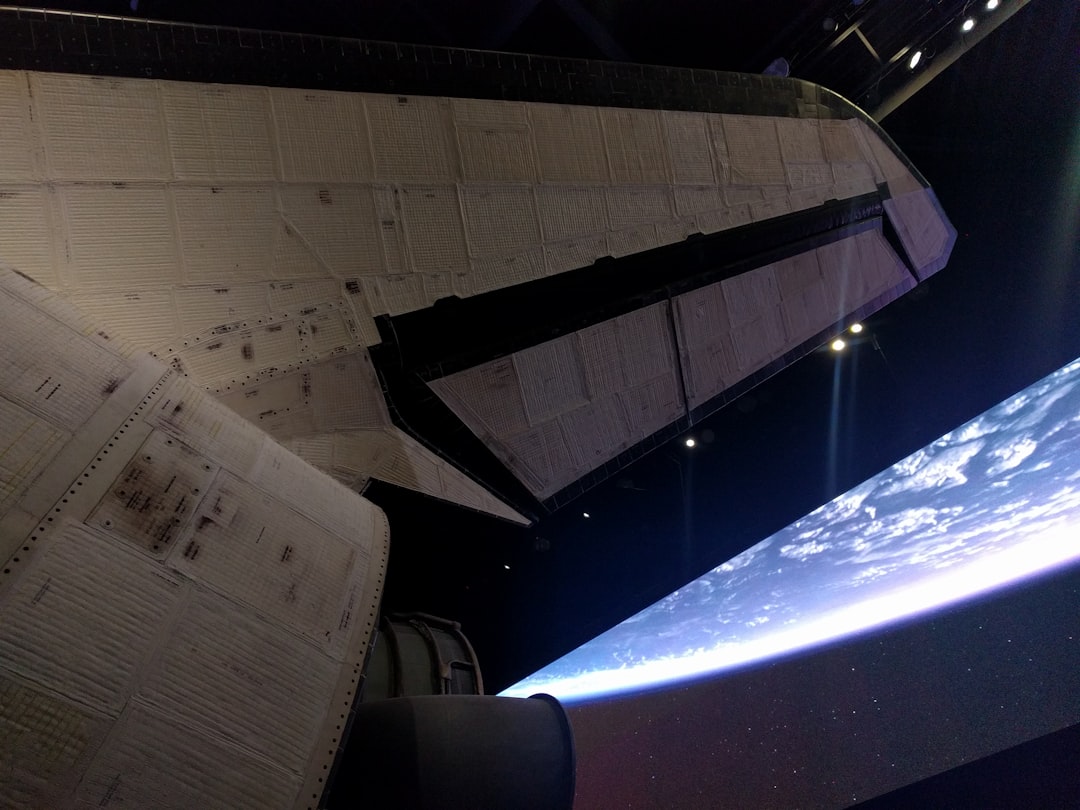
Space junk, often referred to as space debris, encompasses a wide array of defunct satellites, spent rocket stages, and fragments from collisions or disintegration of spacecraft. As humanity’s ventures into outer space have expanded over the decades, so too has the accumulation of these remnants. The term “space junk” evokes images of a cluttered cosmic environment, where the remnants of human ingenuity float aimlessly, posing potential threats to operational satellites and future missions.
The increasing reliance on satellite technology for communication, navigation, and scientific research has made the issue of space debris more pressing than ever. The origins of space junk can be traced back to the dawn of the space age in the late 1950s.
As these objects collide or break apart, they generate even more debris, creating a cascading effect that complicates the already challenging task of managing space traffic. The sheer volume of debris in Earth’s orbit raises significant concerns about the safety and sustainability of future space exploration and utilization.
Key Takeaways
- Space junk refers to the debris and defunct satellites orbiting Earth, posing a threat to operational spacecraft and the safety of astronauts.
- Space junk can impact Earth by causing damage to satellites, generating hazardous space collisions, and creating dangerous re-entry events.
- The growing problem of space debris is exacerbated by the increasing number of satellites and spacecraft being launched into orbit.
- Potential risks and dangers of space junk include collisions with operational satellites, the creation of more debris, and the risk of harm to astronauts on space missions.
- Current efforts to mitigate space debris include tracking and monitoring systems, debris removal missions, and the development of guidelines for responsible satellite deployment.
The Impact of Space Junk on Earth
While space junk primarily exists in the vastness of outer space, its impact can be felt on Earth in various ways. One of the most immediate concerns is the potential for debris to re-enter the atmosphere and pose risks to people and property. Although most objects burn up upon re-entry, larger pieces can survive the descent and land in populated areas, leading to catastrophic consequences.
Instances of space debris falling to Earth have been recorded, with some notable events causing alarm among communities and prompting discussions about safety regulations. Moreover, the presence of space junk can disrupt critical satellite operations that support everyday life on Earth. Satellites play a vital role in weather forecasting, global communications, and navigation systems.
When operational satellites are threatened by debris, it can lead to service interruptions or even total failures. The economic ramifications of such disruptions can be significant, affecting industries that rely on satellite technology for their operations. Thus, the impact of space junk extends beyond the realm of outer space and directly influences life on Earth.
The Growing Problem of Space Debris
The problem of space debris is not static; it is growing at an alarming rate. As more countries and private companies enter the realm of space exploration, the number of satellites being launched has surged dramatically. This increase in activity has led to a corresponding rise in the amount of debris generated.
According to estimates from various space agencies, there are currently millions of pieces of debris orbiting Earth, ranging from tiny paint flecks to defunct satellites weighing several tons. The situation is exacerbated by the fact that many satellites have limited lifespans and are not designed with end-of-life disposal in mind. As these satellites reach the end of their operational lives, they often remain in orbit instead of being deorbited or moved to a graveyard orbit.
This negligence contributes to the growing population of space junk and poses a significant challenge for future missions. The increasing density of objects in certain orbits raises the likelihood of collisions, which can create even more debris and further complicate efforts to maintain a safe operating environment in space.
Potential Risks and Dangers of Space Junk
| Category | Potential Risks and Dangers |
|---|---|
| Collisions | Space junk can collide with operational satellites, spacecraft, and even the International Space Station, causing damage or destruction. |
| Fragmentation | When space junk collides with each other, it can create smaller fragments, increasing the amount of debris in orbit and the risk of further collisions. |
| Debris Clouds | Large-scale collisions can create debris clouds that pose a threat to other objects in orbit, leading to a cascading effect of further collisions. |
| Earth Impact | Some space junk may re-enter the Earth’s atmosphere, posing a risk of impact and potential damage to property or injury to people. |
| Spacecraft Malfunction | Space junk can cause malfunctions or damage to operational spacecraft, jeopardizing missions and putting astronauts at risk. |
The risks associated with space junk are multifaceted and can have dire consequences for both current operations and future endeavors in space exploration. One of the most significant dangers is the potential for collisions between operational satellites and debris. Even small fragments traveling at high velocities can cause catastrophic damage upon impact.
The infamous Kessler Syndrome illustrates this risk: a scenario where collisions between debris create more debris, leading to a cascading effect that could render certain orbits unusable. In addition to threatening satellites, space junk poses risks to astronauts aboard the International Space Station (ISS) and other crewed missions. The ISS regularly performs avoidance maneuvers to steer clear of larger pieces of debris, highlighting the constant vigilance required to protect human life in orbit.
The potential for injury or loss of life due to space debris is a sobering reality that underscores the urgency of addressing this growing problem.
Current Efforts to Mitigate Space Debris
Recognizing the severity of the space debris issue, various organizations and governments have initiated efforts to mitigate its impact. One approach involves improving tracking systems to monitor debris and predict potential collisions. Advanced radar and optical systems are being developed to enhance situational awareness in orbit, allowing operators to make informed decisions about satellite maneuvers.
Additionally, there is a growing emphasis on designing satellites with end-of-life plans that prioritize deorbiting or moving to graveyard orbits once they are no longer functional. This proactive approach aims to reduce the number of defunct satellites contributing to the debris problem. Some companies are also exploring innovative technologies for capturing and removing debris from orbit, showcasing a commitment to addressing this pressing challenge.
The Role of Space Agencies in Addressing Space Junk
Space agencies around the world play a crucial role in tackling the issue of space junk. Organizations such as NASA, ESA (European Space Agency), and JAXA (Japan Aerospace Exploration Agency) have established programs dedicated to monitoring and mitigating space debris.
Furthermore, international cooperation is essential in addressing this global challenge. Space agencies are increasingly recognizing that space debris knows no borders; therefore, collaborative efforts are necessary to establish guidelines and best practices for responsible satellite design and operation. By working together, these agencies can share data, resources, and expertise to create a safer environment for all space activities.
Future Challenges and Concerns
As humanity continues to push the boundaries of space exploration, several challenges loom on the horizon regarding space debris management. One significant concern is the increasing number of mega-constellations being deployed by private companies for global internet coverage. While these constellations promise enhanced connectivity, they also raise questions about congestion in low Earth orbit (LEO) and the potential for increased collisions.
Moreover, as new technologies emerge, such as reusable rockets and advanced satellite designs, there is a pressing need for regulatory frameworks that address both innovation and safety. Striking a balance between fostering technological advancement and ensuring responsible practices will be crucial in preventing further accumulation of space junk. The future landscape of space exploration will require careful consideration of these challenges to ensure sustainable practices are adopted.
The Economic and Environmental Impact of Space Debris
The economic implications of space debris extend beyond immediate operational disruptions; they also encompass long-term costs associated with mitigation efforts and potential accidents. Insurance premiums for satellite operators may rise as risks increase due to higher levels of debris in orbit. Additionally, if collisions occur that result in significant damage or loss of assets, the financial repercussions could be substantial.
From an environmental perspective, while space junk does not directly impact terrestrial ecosystems, its presence raises concerns about sustainability in outer space. The accumulation of debris represents a failure to manage resources responsibly and poses risks for future generations who may wish to explore or utilize outer space. Addressing these economic and environmental impacts requires a comprehensive approach that prioritizes sustainable practices in all aspects of space exploration.
International Collaboration and Cooperation in Space Cleanup
The global nature of space exploration necessitates international collaboration in addressing the issue of space debris. Various countries have begun to engage in discussions about establishing common standards for satellite design and end-of-life disposal practices. Initiatives such as the Inter-Agency Space Debris Coordination Committee (IADC) facilitate cooperation among nations by promoting information sharing and joint research efforts.
Furthermore, international treaties may be necessary to establish binding agreements on responsible behavior in outer space. By fostering a culture of collaboration rather than competition, nations can work together toward shared goals that prioritize safety and sustainability in orbit. Such cooperation will be essential as humanity continues its journey into the cosmos.
Innovative Solutions for Space Debris Cleanup
In recent years, innovative solutions have emerged aimed at tackling the problem of space debris cleanup. Several companies are developing technologies designed specifically for capturing and removing defunct satellites and fragments from orbit. Concepts such as robotic arms, nets, and harpoons are being explored as potential methods for safely retrieving debris.
Additionally, some researchers are investigating the use of lasers to nudge smaller pieces of debris into lower orbits where they would eventually burn up upon re-entry into Earth’s atmosphere. These innovative approaches highlight humanity’s ingenuity in addressing complex challenges while underscoring the importance of investing in research and development for effective solutions.
The Importance of Space Sustainability and Responsible Space Exploration
Ultimately, addressing the issue of space junk is integral to ensuring sustainable practices in outer space exploration. As humanity ventures further into the cosmos, it becomes increasingly vital to adopt responsible behaviors that prioritize long-term sustainability over short-term gains. This includes designing satellites with end-of-life plans, adhering to best practices for orbital operations, and actively participating in cleanup efforts.
Space sustainability is not merely an ethical consideration; it is essential for preserving access to outer space for future generations. By fostering a culture that values responsible exploration and stewardship of orbital environments, humanity can continue its quest for knowledge while safeguarding the integrity of outer space for years to come.
The growing concern over space debris and its potential to trap us on Earth is a topic of increasing importance in the field of space exploration. An insightful article that delves into this issue is available on My Cosmic Ventures. It discusses the challenges posed by space junk and the innovative solutions being proposed to mitigate its impact. For a deeper understanding of how space debris could affect future space missions and the measures being taken to address this problem, you can read more in the related article on My Cosmic Ventures.
🌌 WATCH THIS! The Billion-Dollar Satellite That Will Trap Humanity on Earth
FAQs
What is space junk?
Space junk, also known as orbital debris, refers to the defunct human-made objects in space, including old satellites, spent rocket stages, and fragments from disintegration, erosion, and collisions.
How does space junk affect us on Earth?
Space junk poses a threat to spacecraft and satellites in orbit around Earth. Collisions with space junk can cause damage to operational satellites, potentially leading to disruptions in communication, weather forecasting, and navigation systems.
Can space junk trap us on Earth?
While space junk does pose a threat to satellites and spacecraft, it is unlikely to “trap” us on Earth. Efforts are being made to track and mitigate space junk, and technologies are being developed to remove debris from orbit.
What are the efforts to mitigate space junk?
Efforts to mitigate space junk include tracking and monitoring debris, implementing guidelines for satellite disposal, and developing technologies for active debris removal. International cooperation is also crucial in addressing the issue of space junk.
What are the potential long-term consequences of space junk?
If left unaddressed, the accumulation of space junk could lead to a phenomenon known as the Kessler syndrome, where the density of objects in low Earth orbit is high enough to trigger a cascade of collisions, creating even more debris and making space activities in certain orbital regions unfeasible. This could have significant implications for future space exploration and satellite operations.