Space exploration has captivated human imagination for centuries, evolving from mere speculation and myth to a tangible pursuit that has expanded the boundaries of human knowledge. The quest to understand the cosmos has led to remarkable achievements, from the first human landing on the Moon in 1969 to the ongoing exploration of Mars and beyond. This journey into the unknown is not merely about reaching distant celestial bodies; it encompasses a broader quest for knowledge, technological advancement, and the potential for future habitation beyond Earth.
As humanity stands on the brink of interplanetary exploration, it is essential to examine the multifaceted implications of this endeavor. The significance of space exploration extends beyond scientific inquiry. It serves as a testament to human ingenuity and resilience, showcasing the ability to overcome challenges and push the limits of what is possible.
As nations and private entities invest in space missions, the implications of these efforts ripple through various sectors, influencing technology, economy, and even international relations. The exploration of space raises critical questions about sustainability, ethics, and the future of humanity itself, making it a topic worthy of thorough examination.
Key Takeaways
- Space exploration has led to significant technological advancements and has the potential to bring about various benefits.
- The environmental impact of space exploration includes space debris and pollution from rocket launches.
- The economic cost of space exploration is substantial, but it also has the potential to stimulate economic growth and innovation.
- Private companies play an increasingly important role in space exploration, driving competition and innovation in the industry.
- Ethical considerations in space exploration include issues such as space tourism, resource exploitation, and the potential impact on indigenous populations.
The Environmental Impact of Space Exploration
While space exploration offers numerous benefits, it also poses significant environmental challenges. The launch of rockets emits substantial amounts of greenhouse gases and black carbon particles into the atmosphere, contributing to climate change. The production and disposal of spacecraft materials can lead to pollution on Earth, while the potential for space debris in orbit raises concerns about the long-term sustainability of space activities.
As humanity ventures further into space, it becomes increasingly important to consider these environmental ramifications. Moreover, the extraction of resources from celestial bodies, such as asteroids or the Moon, presents its own set of environmental dilemmas. The mining processes required to obtain these resources could disrupt local ecosystems and create unforeseen consequences.
As nations and corporations look to exploit extraterrestrial resources, they must grapple with the ethical implications of their actions and strive to minimize their ecological footprint. Balancing the pursuit of knowledge and resources with environmental stewardship is a challenge that must be addressed as humanity continues its journey into space.
The Economic Cost of Space Exploration

The financial implications of space exploration are substantial and often contentious. Government-funded space agencies like NASA and ESA allocate billions of dollars annually to research, development, and missions. These investments can strain national budgets, leading to debates about prioritizing space exploration over pressing terrestrial issues such as healthcare, education, and infrastructure.
Critics argue that the funds spent on space could be better utilized to address immediate societal needs. However, proponents of space exploration contend that the economic benefits can outweigh the costs in the long run. Investments in space technology often lead to innovations that have practical applications on Earth, driving economic growth and creating jobs in various sectors.
The development of satellite technology has revolutionized communication, weather forecasting, and navigation systems, demonstrating that the initial financial outlay can yield significant returns. As private companies increasingly enter the space sector, they bring new funding sources and business models that could further alleviate some of the economic burdens traditionally borne by governments.
The Potential Benefits of Space Exploration
| Benefit | Description |
|---|---|
| Technological advancements | Space exploration drives innovation and leads to the development of new technologies that benefit various industries on Earth. |
| Scientific discoveries | Exploring space allows us to learn more about the universe, including the origins of planets, stars, and galaxies. |
| Resource utilization | Space exploration may lead to the discovery and utilization of valuable resources, such as minerals and water, on other celestial bodies. |
| Environmental monitoring | Satellites and space missions provide valuable data for monitoring and understanding Earth’s environment, including climate change and natural disasters. |
| Inspiration and education | Space exploration inspires the next generation of scientists, engineers, and explorers, and promotes STEM education. |
The potential benefits of space exploration are vast and varied, encompassing scientific discovery, technological innovation, and even societal advancement. One of the most significant advantages is the opportunity to expand human knowledge about the universe. Missions to Mars, for instance, aim to uncover clues about the planet’s past and its potential for supporting life.
Understanding other celestial bodies can provide insights into Earth’s history and future, enhancing humanity’s grasp of fundamental scientific principles. In addition to scientific gains, space exploration fosters technological advancements that permeate everyday life. Innovations developed for space missions often find applications in various industries, from healthcare to transportation.
For example, advancements in materials science have led to more efficient solar panels and improved medical imaging technologies. Furthermore, the collaborative nature of space missions encourages international cooperation and diplomacy, fostering peaceful relations among nations as they work together toward common goals.
The Role of Private Companies in Space Exploration
The emergence of private companies in space exploration has transformed the landscape of this field dramatically. Companies like SpaceX, Blue Origin, and Virgin Galactic have not only reduced costs associated with launching payloads into orbit but have also accelerated the pace of innovation.
Moreover, private companies are expanding access to space for a broader range of stakeholders. With reduced launch costs and increased availability of commercial services, universities, research institutions, and even small businesses can now participate in space exploration endeavors. This democratization of access fosters a diverse array of projects that can contribute to scientific knowledge and technological progress.
However, this shift also raises questions about regulation and oversight as private interests increasingly shape the future of space exploration.
The Ethical Considerations of Space Exploration
As humanity ventures deeper into space, ethical considerations become paramount. The question of ownership over celestial bodies is a contentious issue; international treaties like the Outer Space Treaty assert that no nation can claim sovereignty over outer space or celestial bodies. However, as private companies seek to mine asteroids or establish colonies on other planets, the legal and ethical frameworks governing these activities remain murky.
Additionally, there are concerns about the potential consequences of colonizing other planets. The introduction of Earth-based life forms could disrupt existing ecosystems on Mars or other celestial bodies, raising ethical dilemmas about humanity’s right to alter environments that may harbor their own forms of life or ecosystems. As exploration efforts intensify, it is crucial for policymakers and scientists to engage in discussions about responsible practices that prioritize ethical considerations alongside scientific ambitions.
The Technological Advancements from Space Exploration
Space exploration has historically been a catalyst for technological advancements that extend far beyond the realm of astronomy. The challenges posed by operating in extreme environments have driven innovation in materials science, robotics, telecommunications, and more. For instance, technologies developed for spacecraft have led to breakthroughs in lightweight materials that are now used in everything from automobiles to consumer electronics.
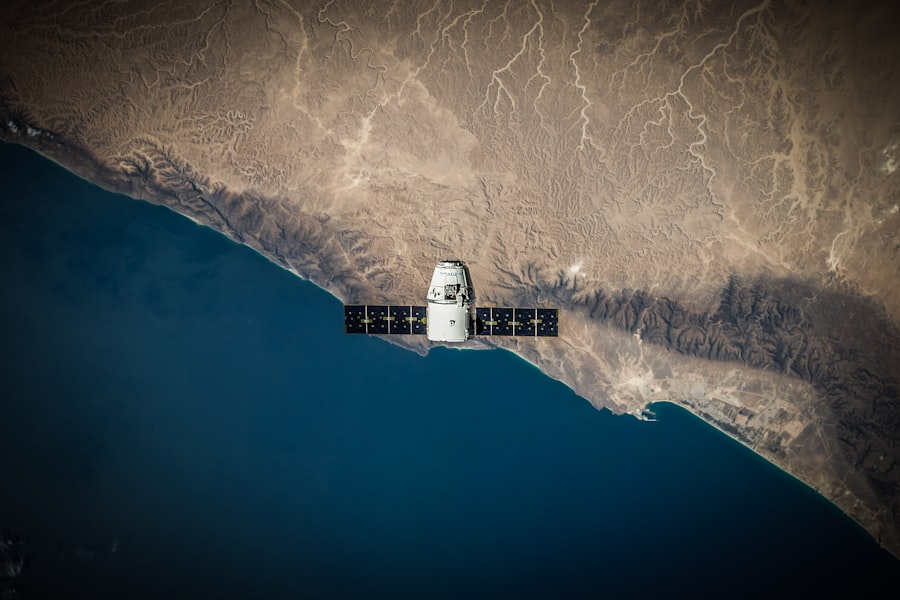
Moreover, advancements in satellite technology have revolutionized various industries by enabling global communication networks, enhancing weather forecasting capabilities, and improving disaster response efforts. The data collected from satellites has proven invaluable for climate monitoring and environmental management. As humanity continues its exploration of space, it is likely that new technologies will emerge that will further enhance life on Earth while also supporting future missions beyond our planet.
The International Collaboration in Space Exploration
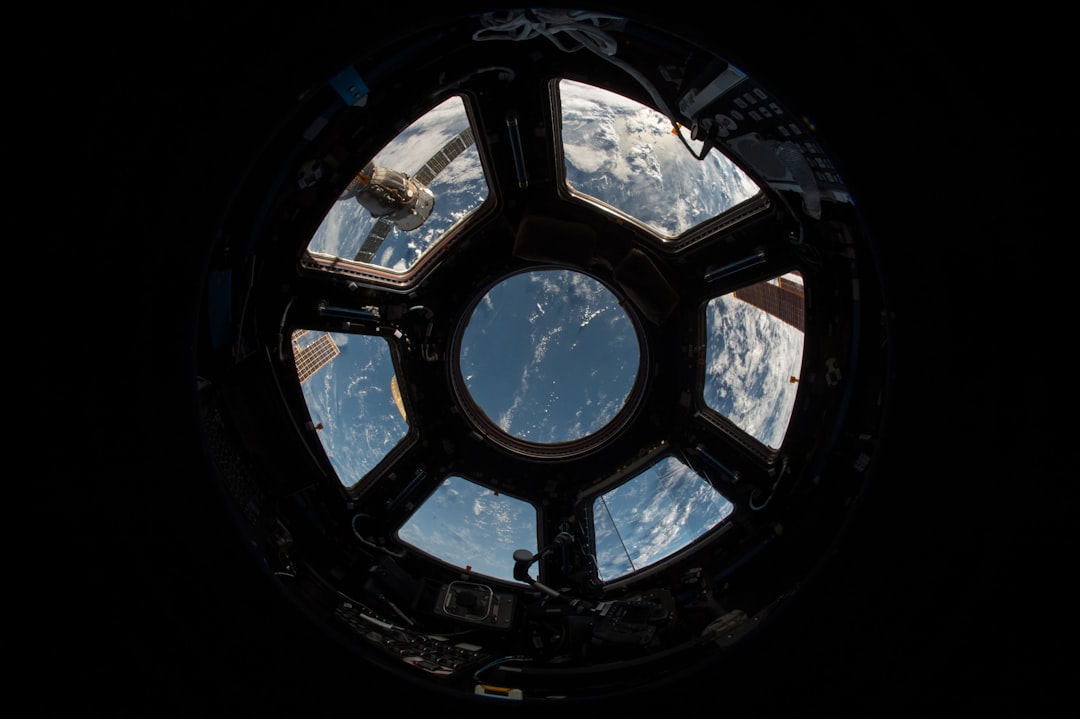
International collaboration has become a hallmark of modern space exploration efforts. Programs like the International Space Station (ISS) exemplify how countries can work together toward shared goals despite geopolitical differences. Scientists from various nations collaborate on research projects aboard the ISS, fostering goodwill and cooperation while advancing scientific knowledge.
Such collaborations extend beyond governmental agencies; partnerships between private companies across borders are also becoming increasingly common. These alliances enable resource sharing and expertise exchange that can accelerate progress in space exploration initiatives. As humanity faces global challenges such as climate change and resource scarcity, international cooperation in space may serve as a model for addressing terrestrial issues through collective action.
The Challenges of Sustainable Space Exploration
Sustainable space exploration presents a myriad of challenges that require careful consideration and innovative solutions. One pressing issue is space debris—defunct satellites and spent rocket stages cluttering Earth’s orbit pose risks to operational spacecraft and future missions. Developing strategies for debris mitigation and removal is essential for ensuring long-term access to space.
Sustainable practices must be integrated into mission planning to minimize ecological footprints both on Earth and beyond. This includes developing technologies for in-situ resource utilization (ISRU), which allows astronauts to use local materials rather than relying solely on supplies launched from Earth.
The Future of Space Exploration
The future of space exploration holds immense promise as technological advancements continue to evolve at an unprecedented pace. With plans for crewed missions to Mars on the horizon and discussions surrounding lunar bases gaining traction, humanity stands poised at a pivotal moment in its quest for knowledge beyond Earth. The potential for discovering extraterrestrial life or habitable environments could redefine humanity’s place in the universe.
Moreover, advancements in propulsion technology may enable faster travel times between celestial bodies, making interplanetary missions more feasible than ever before. As private companies continue to innovate alongside governmental agencies, new opportunities for collaboration may arise that could further accelerate progress in this field. However, as excitement builds around these possibilities, it is crucial for stakeholders to remain vigilant about ethical considerations and sustainability practices.
Is Space Exploration Sustainable for the Future?
In conclusion, while space exploration offers remarkable opportunities for scientific discovery and technological advancement, it also presents significant challenges that must be addressed if humanity is to pursue this endeavor sustainably. Balancing economic costs with potential benefits requires careful planning and international cooperation among governments and private entities alike. Ethical considerations surrounding ownership rights and environmental impacts must guide decision-making processes as humanity ventures further into the cosmos.
Ultimately, whether space exploration is sustainable for the future hinges on our ability to innovate responsibly while fostering collaboration across borders. As humanity stands at this crossroads between ambition and responsibility, it is imperative that we approach our quest for knowledge with foresight and care—ensuring that our journey into the stars enriches not only our understanding but also our stewardship of both Earth and beyond.
Space exploration has always been a topic of great interest and debate, particularly when it comes to its sustainability. As we continue to push the boundaries of what is possible beyond our planet, questions arise about the long-term viability and environmental impact of these endeavors. A related article that delves into the intricacies of sustainable space exploration can be found on My Cosmic Ventures. This article explores the challenges and potential solutions for making space exploration more sustainable, ensuring that our quest for knowledge does not come at the expense of our own planet’s health. For more insights, you can read the full article on their website by following this link: Sustainable Space Exploration.
🌌 WATCH THIS! The Billion-Dollar Satellite That Will Trap Humanity on Earth
FAQs
What is space exploration?
Space exploration is the investigation and study of outer space using space technology and spacecraft. It includes the exploration of celestial bodies such as planets, moons, and asteroids, as well as the study of phenomena such as black holes and supernovae.
Why is space exploration important?
Space exploration is important for advancing scientific knowledge, technological innovation, and understanding the universe. It also has practical applications such as satellite communication, Earth observation, and potential future resource extraction.
Is space exploration sustainable?
Space exploration can be sustainable if conducted responsibly, with consideration for environmental impact and resource management. Efforts are being made to develop sustainable space technologies and practices, such as reusable spacecraft and resource utilization on other celestial bodies.
What are the environmental impacts of space exploration?
Space exploration can have environmental impacts such as space debris and pollution from rocket launches. Efforts are being made to mitigate these impacts through international agreements and the development of cleaner propulsion technologies.
How does space exploration benefit humanity?
Space exploration benefits humanity by advancing scientific knowledge, inspiring technological innovation, and providing practical applications such as satellite communication, Earth observation, and potential future resource extraction. It also fosters international collaboration and cooperation.