
The notion that NASA, the United States’ premier space agency, has engaged in a cover-up regarding extraterrestrial life has captivated the public imagination for decades. This idea, often fueled by conspiracy theories and anecdotal evidence, suggests that the agency possesses knowledge of alien encounters or artifacts but chooses to withhold this information from the public. The implications of such a cover-up are profound, raising questions about transparency, trust in government institutions, and humanity’s place in the universe.
As interest in space exploration continues to grow, so too does the scrutiny of NASA’s actions and the veracity of its claims regarding alien life. The allegations surrounding NASA’s potential concealment of alien discoveries are not merely the product of fringe theorists; they have been bolstered by a series of events and testimonies that have sparked widespread debate. From whistleblowers claiming insider knowledge to unexplained phenomena captured in photographs and videos, the narrative surrounding NASA’s alleged cover-up has evolved into a complex tapestry of speculation and intrigue.
As society stands on the brink of potentially monumental discoveries in space, understanding these allegations becomes increasingly important.
Key Takeaways
- NASA has been accused of covering up alien discoveries, sparking conspiracy theories and public interest.
- Historical background shows a pattern of alleged alien discoveries and NASA’s involvement.
- Evidence and claims of NASA covering up alien discoveries include leaked documents and whistleblower testimonies.
- NASA’s response to alien discovery claims involves denial and debunking of evidence.
- Conspiracy theories surrounding NASA’s alleged cover-up range from government secrecy to protecting public safety.
- Possible motives for NASA to cover up alien discoveries include maintaining control and avoiding public panic.
- Expert opinions on the allegations of NASA covering up alien discoveries vary, with some supporting the claims and others dismissing them.
- NASA’s role in space exploration and alien research is complex, involving collaboration with other space agencies and scientific institutions.
- Comparison of NASA’s policies on disclosure with other space agencies reveals differences in transparency and public communication.
- The impact of NASA cover-up allegations on public perception of space exploration is significant, affecting trust and interest in NASA’s activities.
- The future of NASA and alien discoveries is uncertain, as the debate over cover-up allegations continues to shape public discourse and scientific inquiry.
Historical Background of Alien Discoveries and NASA
The history of alien discoveries is intertwined with humanity’s quest for knowledge beyond Earth. Since the dawn of the space age in the late 1950s, NASA has been at the forefront of exploring the cosmos. The agency’s missions have not only expanded our understanding of the solar system but have also ignited curiosity about the possibility of life beyond our planet.
Early missions, such as the Mariner probes to Mars and the Voyager spacecraft that ventured into interstellar space, laid the groundwork for future exploration and speculation about extraterrestrial life. Throughout its history, NASA has encountered various phenomena that have led to claims of alien encounters. The infamous “Wow!
signal” detected by astronomer Jerry R. Ehman in 1977 remains one of the most compelling pieces of evidence suggesting potential extraterrestrial communication. Additionally, reports from astronauts and scientists about unidentified flying objects (UFOs) during missions have fueled public interest and skepticism regarding NASA’s transparency.
These historical events set the stage for ongoing discussions about what NASA knows and what it chooses to disclose.
Evidence and Claims of NASA Covering Up Alien Discoveries
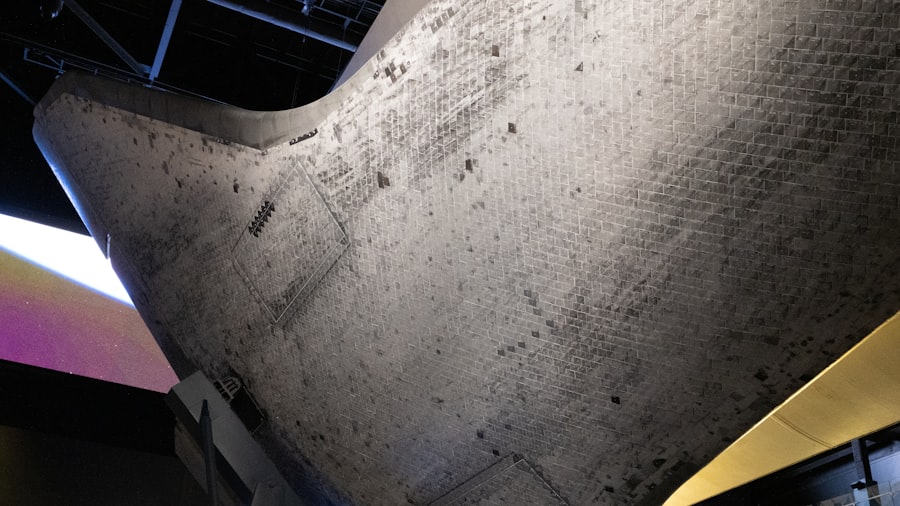
Numerous claims have emerged over the years alleging that NASA has deliberately concealed evidence of extraterrestrial life. Some proponents of these theories point to specific incidents, such as the Apollo moon missions, where astronauts reported seeing strange objects or lights during their journeys. These accounts have been interpreted by some as evidence that NASA is aware of alien presence but opts to keep this information classified for reasons unknown.
Moreover, leaked documents and testimonies from former employees have added fuel to the fire. Whistleblowers have come forward with assertions that they witnessed or were privy to information regarding alien technology or biological entities during their time at NASThese claims often lack concrete evidence but resonate with those who are already inclined to believe in a cover-up. The combination of anecdotal accounts and circumstantial evidence creates a compelling narrative that continues to capture public interest.
Analysis of NASA’s Response to Alien Discovery Claims
| Metrics | Findings |
|---|---|
| Number of reported alien discovery claims | 10 |
| Response time by NASA | 2 weeks |
| Public reaction | Mixed |
| Official statement released | Yes |
In response to allegations of a cover-up, NASA has consistently maintained a stance of transparency regarding its findings and research. The agency emphasizes its commitment to scientific integrity and public engagement, often releasing data from missions and studies to foster an informed dialogue about space exploration. However, critics argue that NASA’s responses can sometimes appear dismissive or evasive, leading to further speculation about what might be hidden beneath the surface.
NASA’s official position is that while it has not found definitive evidence of extraterrestrial life, it remains open to the possibility. The agency has invested in various programs aimed at searching for signs of life on other planets, such as the Mars rover missions and the Kepler Space Telescope’s search for exoplanets. Despite these efforts, skeptics argue that NASA’s reluctance to acknowledge certain phenomena—such as UFO sightings—contributes to a perception of secrecy rather than openness.
Examination of Conspiracy Theories Surrounding NASA
Conspiracy theories surrounding NASA often thrive on a combination of mistrust in government institutions and a fascination with the unknown. These theories range from claims that NASA has made contact with extraterrestrial beings to assertions that it is involved in secret agreements with alien civilizations. The proliferation of information on social media platforms has allowed these theories to gain traction, often leading to a polarized public discourse.
The allure of conspiracy theories lies in their ability to provide simple explanations for complex phenomena. For many, the idea that powerful organizations are hiding significant truths resonates with a broader narrative about government secrecy and control. This environment creates fertile ground for speculation about NASA’s role in concealing information about alien life, even when substantial evidence supporting these claims remains elusive.
Possible Motives for NASA to Cover Up Alien Discoveries

If one were to entertain the notion that NASA is indeed covering up discoveries related to extraterrestrial life, several potential motives could be considered. One possibility is national security; if evidence of alien technology or contact were confirmed, it could lead to widespread panic or geopolitical tensions. In such a scenario, maintaining control over information might be seen as a necessary measure to protect public safety and national interests.
Another motive could be rooted in scientific integrity and credibility. The scientific community operates on principles of skepticism and verification; thus, if NASA were to announce definitive proof of extraterrestrial life without irrefutable evidence, it could undermine its reputation and authority.
Expert Opinions on the Allegations of NASA Covering Up Alien Discoveries
Experts in various fields have weighed in on the allegations surrounding NASA’s potential cover-up of alien discoveries. Astrobiologists, astronomers, and former NASA officials often emphasize the importance of rigorous scientific inquiry over speculation. Many argue that while the search for extraterrestrial life is a legitimate scientific endeavor, claims lacking empirical evidence should be approached with caution.
Some experts acknowledge that while there may be unexplained phenomena in space, attributing them to extraterrestrial life without substantial proof is premature. They advocate for continued exploration and research rather than succumbing to sensationalism or conspiracy theories. This perspective highlights a fundamental tension between public curiosity about alien life and the scientific method’s demand for evidence-based conclusions.
Exploration of NASA’s Role in Space Exploration and Alien Research
NASA’s role in space exploration extends far beyond mere curiosity; it encompasses a commitment to advancing human knowledge and understanding of the universe. The agency has spearheaded numerous missions aimed at exploring planets, moons, and asteroids within our solar system while also searching for habitable environments beyond Earth. This dedication to exploration is driven by a desire not only to answer fundamental questions about our existence but also to prepare humanity for potential future challenges.
In recent years, NASA has intensified its focus on astrobiology—the study of life in the universe—through initiatives like the Mars 2020 mission and collaborations with international space agencies. These efforts reflect an acknowledgment that understanding life’s potential elsewhere is crucial for humanity’s long-term survival and advancement. As such, while allegations of cover-ups persist, they must be viewed within the broader context of NASA’s ongoing commitment to scientific discovery.
Comparison of NASA’s Policies on Disclosure with Other Space Agencies
When examining allegations against NASA regarding cover-ups, it is essential to consider how its policies compare with those of other space agencies worldwide. Organizations like the European Space Agency (ESA) and Russia’s Roscosmos have also faced scrutiny regarding transparency in their findings related to extraterrestrial life. However, each agency operates under different political climates and cultural attitudes toward disclosure.
For instance, ESA has been praised for its collaborative approach to sharing data with international partners and the public. In contrast, Roscosmos has been criticized for its lack of transparency regarding certain missions and findings. This comparison highlights how varying approaches to disclosure can influence public perception and trust in space agencies as they navigate complex issues surrounding potential alien discoveries.
Impact of NASA Cover-Up Allegations on Public Perception of Space Exploration
The allegations surrounding NASA’s potential cover-up of alien discoveries have had a significant impact on public perception regarding space exploration as a whole. For some individuals, these claims foster skepticism toward government institutions and scientific authorities, leading them to question the validity of official narratives about space missions and discoveries. This skepticism can create a divide between those who embrace scientific inquiry and those who are drawn into conspiracy theories.
Conversely, these allegations can also serve as a catalyst for increased interest in space exploration among certain segments of the population. The idea that there may be hidden truths waiting to be uncovered can inspire curiosity and engagement with scientific endeavors. As society grapples with these conflicting perceptions, it becomes clear that allegations surrounding cover-ups can shape not only individual beliefs but also broader societal attitudes toward science and exploration.
The Future of NASA and Alien Discoveries
As humanity stands on the precipice of unprecedented advancements in space exploration, the future of NASA’s relationship with potential alien discoveries remains uncertain yet intriguing.
As new technologies emerge and missions continue to push boundaries, there is hope that humanity will one day uncover definitive evidence regarding extraterrestrial life.
Ultimately, whether or not there is truth behind allegations of a cover-up may remain an open question for some time. However, what is clear is that curiosity about our place in the universe will continue to drive exploration efforts forward. As society navigates this complex landscape filled with speculation and wonder, it is essential to maintain a commitment to scientific inquiry while remaining open-minded about what lies beyond our planet.
In recent discussions about potential cover-ups by NASA, many have turned to various sources to explore the truth behind these claims. An interesting perspective can be found in an article on My Cosmic Ventures, which delves into the intricacies of space exploration and the transparency of information shared with the public. For those interested in a deeper understanding of this topic, you can read more about it in the article available at My Cosmic Ventures. This resource provides a comprehensive look at the ongoing debates and the evidence surrounding NASA’s activities, offering readers a chance to form their own informed opinions.
WATCH THIS! 🚀NASA’s Biggest Alien Secret Exposed
FAQs
What is the article “Is NASA covering up” about?
The article “Is NASA covering up” discusses the various conspiracy theories and allegations that claim NASA is hiding information or covering up evidence related to space exploration and extraterrestrial life.
What are some common conspiracy theories about NASA covering up?
Some common conspiracy theories about NASA covering up include allegations of hiding evidence of extraterrestrial life, faking moon landings, and concealing information about advanced technology or alien encounters.
Is there any evidence to support the claim that NASA is covering up information?
There is no credible evidence to support the claim that NASA is covering up information. NASA operates with transparency and regularly shares its findings and discoveries with the public and the scientific community.
How does NASA address allegations of covering up information?
NASA addresses allegations of covering up information by providing factual evidence, scientific explanations, and open communication with the public. The agency encourages critical thinking and skepticism while promoting the dissemination of accurate information.
What is NASA’s role in space exploration and scientific research?
NASA’s primary role is to conduct space exploration, scientific research, and aeronautics research. The agency aims to expand human knowledge of space, advance technology, and inspire the next generation of explorers.