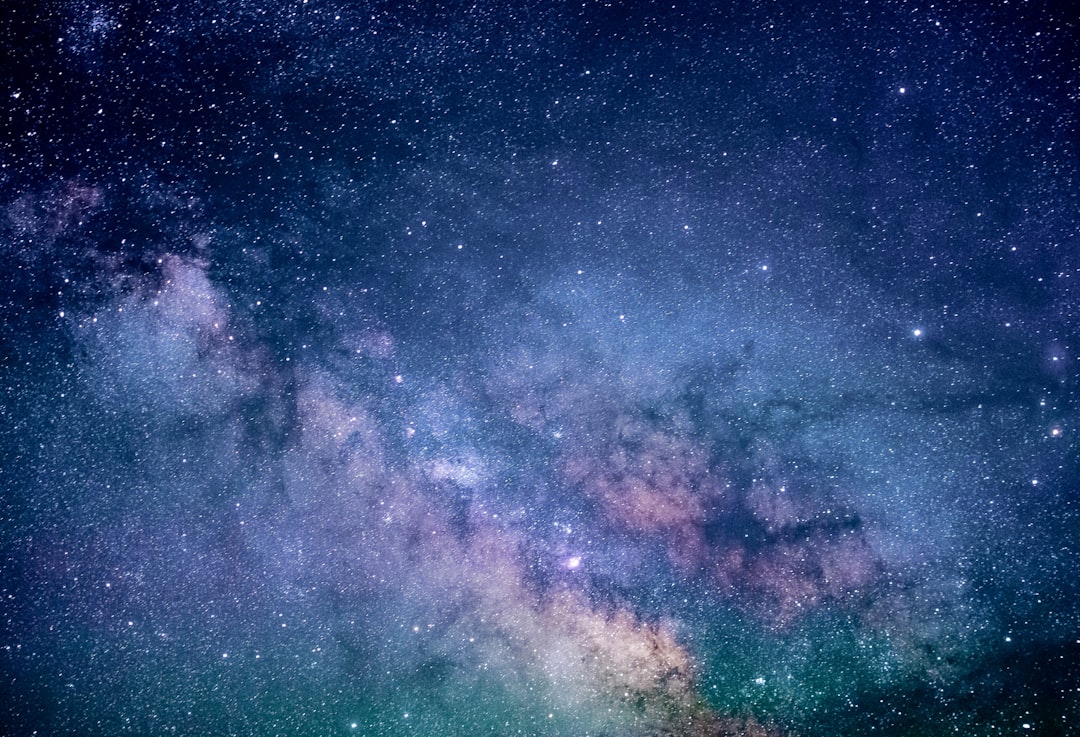
In the vast expanse of the universe, where stars twinkle and galaxies swirl in a cosmic dance, the concept of “impossible galaxies” emerges as a fascinating enigma.
Impossible galaxies are characterized by their peculiar structures, unusual behaviors, and properties that defy conventional understanding.
As researchers delve deeper into the cosmos, they encounter these extraordinary entities that provoke questions about the nature of reality itself. The term “impossible galaxies” refers to those galaxies that exhibit characteristics or behaviors that seem to contradict established scientific principles. They may possess an unusual distribution of mass, exhibit unexpected rotational dynamics, or display formations that cannot be easily explained by current models of galaxy formation.
The study of these galaxies not only captivates the imagination but also serves as a catalyst for scientific inquiry, prompting astronomers to reevaluate existing theories and explore new avenues of research.
Key Takeaways
- Impossible galaxies challenge our current understanding of astrophysics and the formation of galaxies.
- Characteristics of impossible galaxies include irregular shapes, unusual structures, and unexpected behaviors.
- Theories on the formation of impossible galaxies range from galactic collisions to the influence of dark matter.
- Observations and discoveries of impossible galaxies have sparked debate and intrigue within the scientific community.
- The role of dark matter in impossible galaxies is a key area of study and debate, with implications for our understanding of the universe.
Characteristics of Impossible Galaxies
Impossible galaxies often present a range of characteristics that set them apart from their more conventional counterparts. One notable feature is their atypical mass distribution. While most galaxies follow a predictable pattern in terms of how mass is spread across their structure, impossible galaxies may exhibit an uneven or unexpected distribution.
This irregularity can lead to peculiar gravitational effects that challenge existing models of galactic dynamics. Another defining characteristic is the unusual behavior of stars within these galaxies. In many cases, stars in impossible galaxies may rotate at speeds that defy expectations based on their mass and distance from the galactic center.
This phenomenon raises questions about the underlying forces at play and whether there are additional factors influencing stellar motion. Furthermore, some impossible galaxies may display structures that appear to be in conflict with the laws of physics as currently understood, such as spiral arms that seem to defy gravitational pull or formations that suggest a level of organization not typically seen in galactic structures.
Theories on the Formation of Impossible Galaxies
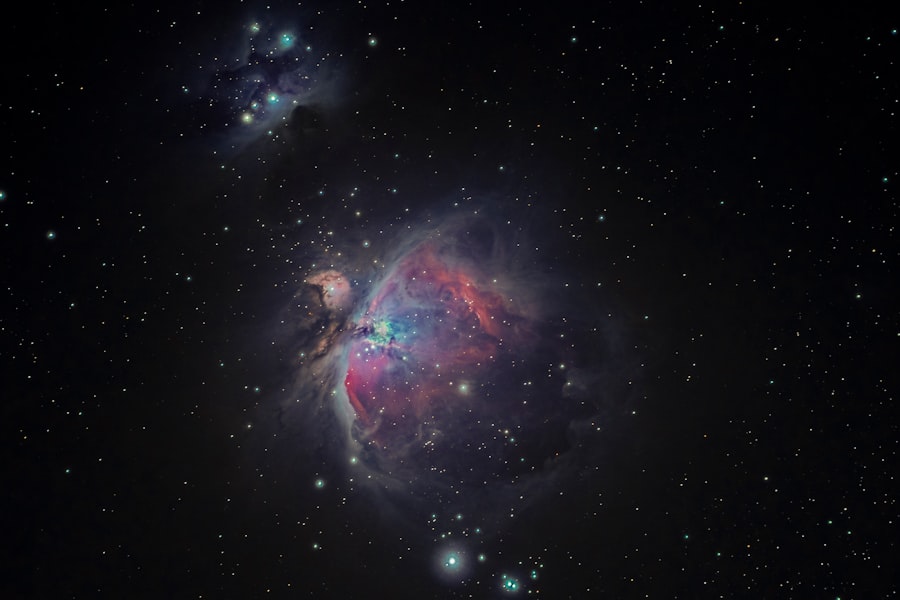
The formation of impossible galaxies has sparked a plethora of theories among astrophysicists and cosmologists. One prominent hypothesis suggests that these galaxies may have originated from unique conditions in the early universe, where fluctuations in density and energy could have led to the creation of structures that do not conform to standard models. This idea posits that the chaotic environment of the early cosmos allowed for the emergence of galaxies with properties that challenge conventional understanding.
Another theory posits that interactions with dark matter or other unseen forces could play a significant role in shaping impossible galaxies. Dark matter, which constitutes a substantial portion of the universe’s mass, remains elusive and poorly understood. Some researchers speculate that the gravitational influence of dark matter could lead to the formation of galaxies with unexpected characteristics, as it interacts with visible matter in ways that are not yet fully comprehended.
This interplay between visible and dark matter may hold the key to unlocking the mysteries surrounding impossible galaxies.
Observations and Discoveries of Impossible Galaxies
| Galaxy Name | Observation Date | Discovery Method |
|---|---|---|
| NGC 1052-DF2 | 2018-03-28 | Gravitational Lensing |
| UGC 1382 | 2019-11-15 | Radio Astronomy |
| NGC 1277 | 2012-11-28 | Stellar Dynamics |
The quest to observe and understand impossible galaxies has led to significant discoveries in recent years. Advanced telescopes and observational techniques have enabled astronomers to identify candidates for these enigmatic structures, revealing their unique properties and behaviors. For instance, some researchers have reported finding galaxies with unusually high star formation rates or those exhibiting rapid rotation speeds that defy expectations based on their mass.
One notable discovery involved a galaxy that appeared to be rotating at an astonishing velocity, raising questions about its mass distribution and the forces at play within it. Such observations challenge existing models and prompt scientists to reconsider their understanding of galactic dynamics. As more data becomes available, astronomers continue to refine their criteria for identifying impossible galaxies, leading to a growing catalog of these extraordinary entities.
The Role of Dark Matter in Impossible Galaxies
Dark matter plays a crucial role in the study of impossible galaxies, as its influence is often intertwined with the peculiar characteristics observed in these structures. While dark matter remains invisible and undetectable through traditional means, its gravitational effects can be inferred from the behavior of visible matter within galaxies. In the context of impossible galaxies, dark matter may provide explanations for their unusual mass distributions and rotational dynamics.
Some researchers propose that dark matter halos surrounding impossible galaxies could account for their unexpected behaviors. These halos may exert gravitational forces that influence star motion and contribute to the overall structure of the galaxy. Understanding how dark matter interacts with visible matter in these contexts is essential for unraveling the mysteries surrounding impossible galaxies and their formation.
The Debate on the Existence of Impossible Galaxies
The existence of impossible galaxies has sparked considerable debate within the scientific community. While some researchers advocate for their recognition as legitimate astronomical entities, others remain skeptical, arguing that observed anomalies may be attributed to observational errors or limitations in current models. This ongoing discourse highlights the challenges inherent in studying phenomena that defy established scientific principles.
They emphasize the importance of ensuring that observations are not merely artifacts or misinterpretations of data. As a result, researchers are compelled to adopt a cautious approach when investigating these enigmatic structures, balancing curiosity with scientific rigor.
The Implications of Impossible Galaxies on our Understanding of Physics
The study of impossible galaxies carries profound implications for our understanding of physics and cosmology. If these galaxies indeed exist as distinct entities with properties that challenge current theories, they could necessitate a reevaluation of fundamental principles governing galactic formation and evolution. Such revelations may prompt scientists to explore new frameworks for understanding gravity, dark matter, and cosmic structure.
Moreover, impossible galaxies could serve as a testing ground for theories beyond the Standard Model of cosmology. As researchers grapple with the implications of these anomalies, they may uncover new insights into the nature of space-time, energy distribution, and the fundamental forces shaping our universe. The exploration of impossible galaxies thus represents not only an opportunity for discovery but also a chance to expand humanity’s understanding of the cosmos.
The Search for More Impossible Galaxies
As interest in impossible galaxies grows, astronomers are intensifying their search for additional candidates across the universe. Utilizing advanced observational techniques and cutting-edge technology, researchers are scouring deep space for signs of these enigmatic structures. Surveys conducted by powerful telescopes aim to identify potential candidates based on their unique characteristics and behaviors.
The search for more impossible galaxies is not merely an academic exercise; it holds the potential to reshape our understanding of cosmic evolution. Each new discovery adds to the growing body of evidence surrounding these extraordinary entities and provides valuable data for refining existing models. As astronomers continue to push the boundaries of exploration, they remain hopeful that future observations will yield even more insights into the nature and significance of impossible galaxies.
The Potential Impact of Impossible Galaxies on Astrophysics
The implications of impossible galaxies extend beyond theoretical discussions; they have the potential to significantly impact various fields within astrophysics. If these galaxies are confirmed as legitimate entities with unique properties, they could challenge existing paradigms and inspire new lines of inquiry across multiple disciplines. Researchers may need to reconsider established theories related to galaxy formation, dark matter interactions, and cosmic evolution.
Furthermore, impossible galaxies could serve as valuable laboratories for testing hypotheses about fundamental physics. By studying their characteristics and behaviors, scientists may uncover new phenomena or refine existing theories related to gravity, energy distribution, and cosmic structure. The exploration of impossible galaxies thus represents an exciting frontier in astrophysics, one that promises to deepen humanity’s understanding of the universe.
The Future of Research on Impossible Galaxies
Looking ahead, research on impossible galaxies is poised for continued growth and exploration. As technology advances and observational capabilities improve, astronomers will have access to increasingly sophisticated tools for studying these enigmatic structures. Future missions and telescopes are likely to enhance our ability to detect and analyze impossible galaxies, providing fresh insights into their properties and behaviors.
Collaboration among researchers from various fields will also play a crucial role in advancing knowledge about impossible galaxies. By fostering interdisciplinary dialogue between astrophysicists, cosmologists, and theoretical physicists, scientists can develop comprehensive frameworks for understanding these anomalies within a broader cosmic context. The future holds great promise for unraveling the mysteries surrounding impossible galaxies and expanding humanity’s grasp of the universe.
Embracing the Unexplainable in the Universe
In conclusion, impossible galaxies represent a captivating intersection between curiosity and scientific inquiry within the realm of astrophysics. Their existence challenges established principles and invites researchers to explore new frontiers in our understanding of cosmic phenomena. As scientists continue to investigate these enigmatic structures, they embrace the unexplainable aspects of the universe—elements that inspire wonder and provoke thought about humanity’s place within it.
The journey into the realm of impossible galaxies serves as a reminder that science is an ever-evolving pursuit marked by discovery and exploration. Each new finding brings with it opportunities for growth and understanding, urging humanity to remain open-minded in its quest for knowledge about the cosmos. Ultimately, embracing the unexplainable allows researchers to push boundaries and redefine what is possible in our understanding of the universe’s vast complexities.
In the fascinating realm of astrophysics, the discovery of galaxies that seemingly defy the known laws of physics has intrigued scientists and enthusiasts alike. These “impossible” galaxies challenge our understanding of cosmic formation and evolution, prompting researchers to delve deeper into the mysteries of the universe. For those interested in exploring this captivating topic further, an insightful article can be found on My Cosmic Ventures. This piece delves into the peculiar characteristics of these enigmatic galaxies and the implications they hold for our comprehension of the cosmos. To read more about these galaxies that should not exist, visit the article on My Cosmic Ventures.
WATCH THIS! Did JWST DISPROVE The BIG BANG?!?!
FAQs
What are galaxies that should not exist?
Galaxies that should not exist are those that defy current understanding of galaxy formation and evolution. They may have unusual characteristics, such as being extremely massive or having irregular shapes, that challenge existing theories.
What makes a galaxy “not supposed to exist”?
A galaxy may be considered “not supposed to exist” if it violates the current understanding of how galaxies form and evolve based on the laws of physics and observations of the universe. This could include being too massive, too old, or having unusual structures.
What are some examples of galaxies that should not exist?
Examples of galaxies that should not exist include “ultra-diffuse galaxies” with very low surface brightness, “red nugget” galaxies that are extremely compact and dense, and “jellyfish galaxies” with long tentacle-like structures of gas and stars.
How do astronomers study galaxies that should not exist?
Astronomers study galaxies that should not exist using a variety of observational techniques, including telescopes that detect different wavelengths of light, computer simulations of galaxy formation, and theoretical models based on the laws of physics.
What can the discovery of galaxies that should not exist tell us about the universe?
The discovery of galaxies that should not exist can challenge and expand our understanding of galaxy formation and evolution, leading to new insights into the physical processes that shape the universe. It can also prompt revisions to existing theories and models of galaxy formation.