
In the vast expanse of the cosmos, humanity has made remarkable strides in exploring and utilizing outer space. However, this progress has come at a cost, leading to the accumulation of debris commonly referred to as space junk. This term encompasses a wide array of defunct satellites, spent rocket stages, and fragments from collisions or disintegration of spacecraft.
As the number of objects in orbit increases, so does the potential for collisions, which can create even more debris. The issue of space junk is not merely a technical challenge; it poses significant risks to both current and future space missions, as well as to the safety of astronauts and satellites that are vital for communication, navigation, and scientific research. The growing concern surrounding space junk has prompted scientists, engineers, and policymakers to take a closer look at its implications.
Understanding the nature of space junk, its origins, and its potential impact is essential for ensuring the sustainability of space activities. This article delves into the various aspects of space junk, from its definition and types to the risks it poses and the efforts being made to address this pressing issue.
Key Takeaways
- Space junk refers to the debris left behind in Earth’s orbit as a result of human activities in space.
- Space junk can be classified into two main types: natural debris and artificial debris, with the latter being the most concerning.
- The impact of space junk on Earth includes potential damage to satellites, space missions, and even the risk of collisions with spacecraft and the International Space Station.
- The weight of space junk is estimated to be in the millions of kilograms, posing a significant threat to space operations.
- Efforts to clean up space junk include the development of technologies such as harpoons, nets, and lasers, but the cost of dealing with space junk remains a challenge.
Definition and Types of Space Junk
Space junk, also known as orbital debris, refers to any non-functional object in orbit around Earth. This includes a diverse range of items, such as defunct satellites that have reached the end of their operational life, spent rocket stages that were used to launch payloads into space, and fragments resulting from collisions or explosions. Additionally, even small pieces of debris, like paint flecks or bolts, can pose significant threats due to their high velocities in orbit.
The classification of space junk can be broadly divided into two categories: large debris and small debris. Large debris typically includes objects that are over 10 centimeters in size, such as defunct satellites and spent rocket bodies. These larger pieces are easier to track and monitor using ground-based radar systems.
On the other hand, small debris consists of particles smaller than 10 centimeters, which are more challenging to detect but can still cause catastrophic damage upon collision with operational spacecraft. The sheer variety of objects that constitute space junk highlights the complexity of managing this issue and underscores the need for comprehensive tracking and mitigation strategies.
The Impact of Space Junk on Earth
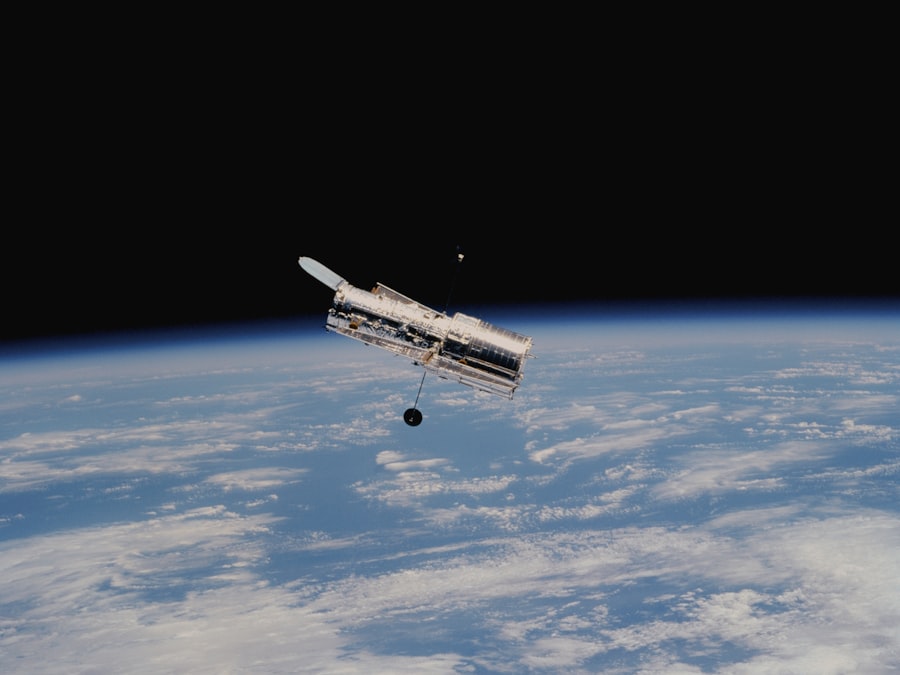
While space junk primarily exists in orbit around Earth, its impact can extend beyond the confines of outer space. One of the most significant concerns is the potential for collisions between space debris and operational satellites or spacecraft. Such collisions can result in the destruction of valuable assets that provide essential services such as telecommunications, weather forecasting, and global positioning systems.
The loss of these services can have far-reaching consequences for economies and societies that rely on them. Moreover, there is a growing concern about the possibility of space debris re-entering Earth’s atmosphere. Although most objects burn up upon re-entry, larger pieces can survive the descent and pose a risk to people and property on the ground.
Incidents involving falling debris have been reported in the past, raising alarms about public safety. As the amount of space junk continues to grow, the likelihood of such events occurring increases, necessitating proactive measures to mitigate these risks.
The Weight of Space Junk
| Year | Estimated Space Junk | Large Debris (>10 cm) | Small Debris (1-10 cm) |
|---|---|---|---|
| 2000 | 8,000 metric tons | 13,000 pieces | 100,000 pieces |
| 2010 | 22,000 metric tons | 20,000 pieces | 500,000 pieces |
| 2020 | 34,000 metric tons | 34,000 pieces | 900,000 pieces |
The total weight of space junk orbiting Earth is staggering. Estimates suggest that there are over 8,000 metric tons of debris currently in orbit. This figure includes both large objects like defunct satellites and smaller fragments resulting from collisions or disintegration events.
The sheer mass of this debris poses a significant challenge for future space missions, as even tiny pieces can cause severe damage when traveling at high velocities. The weight of space junk is not just a numerical concern; it also reflects the cumulative impact of decades of space exploration and satellite launches. Each new mission adds to the existing inventory of debris, creating a cycle that can be difficult to break.
As more countries and private companies enter the realm of space exploration, the potential for increased debris generation grows exponentially. This reality underscores the urgent need for effective policies and practices aimed at reducing the creation of new debris while addressing the existing problem.
Measuring and Tracking Space Junk
To effectively manage space junk, accurate measurement and tracking are essential. Various organizations around the world have developed sophisticated systems to monitor objects in orbit. The United States Space Surveillance Network (SSN) is one such initiative that tracks thousands of pieces of debris using ground-based radar and telescopes.
These systems provide valuable data on the location and trajectory of space junk, enabling operators to assess potential collision risks with active satellites. In addition to government efforts, private companies are also entering the field of tracking space debris. Innovative technologies such as satellite-based monitoring systems are being developed to enhance tracking capabilities further.
These advancements are crucial for improving situational awareness in orbit and facilitating timely responses to potential collision threats. As the number of satellites in orbit continues to rise, robust tracking systems will play an increasingly vital role in ensuring the safety and sustainability of space activities.
The Growth of Space Junk Over Time
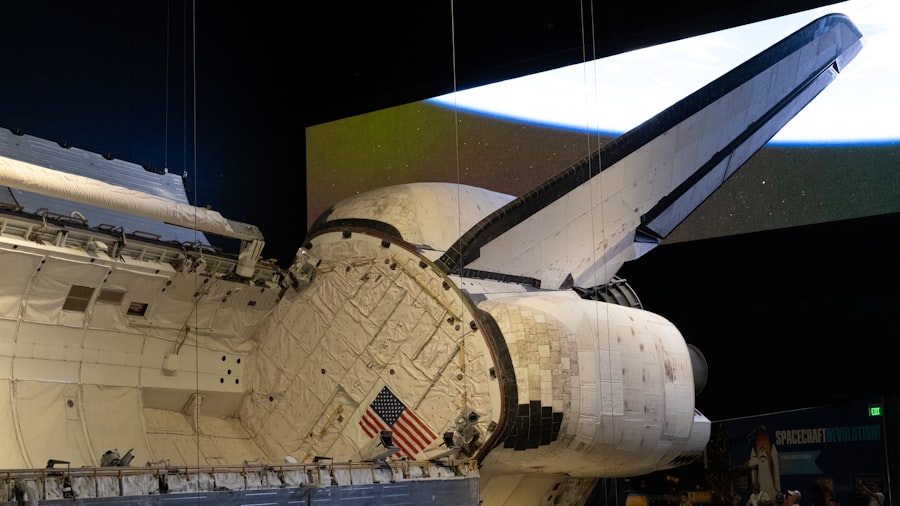
The growth of space junk has been a gradual yet alarming trend since humanity first ventured into space. The dawn of the Space Age in the late 1950s marked the beginning of satellite launches, leading to an increase in orbital debris over time. Early missions contributed relatively few pieces of debris; however, as technology advanced and satellite launches became more frequent, so did the generation of space junk.
The proliferation of small satellites—often referred to as CubeSats—has further accelerated this trend. While these miniaturized satellites offer exciting opportunities for scientific research and commercial applications, they also contribute to the growing population of orbital debris when they become non-operational or collide with other objects. The exponential increase in satellite launches over recent years has raised concerns among experts about reaching a tipping point where collisions become more frequent, leading to a cascade effect known as the Kessler Syndrome.
Risks and Dangers of Space Junk
The risks associated with space junk are multifaceted and far-reaching. One of the most pressing dangers is the potential for collisions between operational satellites and debris. Even small fragments traveling at high speeds can cause catastrophic damage upon impact.
The consequences can range from minor disruptions in service to complete loss of critical satellites that support global communications and navigation systems. Moreover, astronauts aboard the International Space Station (ISS) face constant threats from space debris. The ISS is equipped with shielding designed to protect against small particles; however, larger pieces pose a significant risk during routine operations or when astronauts conduct extravehicular activities (spacewalks).
The potential for injury or loss of life due to collisions with space junk is a serious concern that underscores the need for effective monitoring and mitigation strategies.
Efforts to Clean Up Space Junk
Recognizing the growing threat posed by space junk, various initiatives have emerged aimed at cleaning up orbital debris. Governments and private organizations are exploring innovative technologies designed to capture or deorbit defunct satellites and fragments. One promising approach involves using robotic arms or nets to capture larger pieces of debris and safely remove them from orbit.
Additionally, several experimental missions have been launched to test cleanup technologies in real-world conditions. For instance, missions like RemoveDEBRIS have demonstrated methods for capturing debris using nets or harpoons. These efforts represent a crucial step toward addressing the existing problem while paving the way for sustainable practices in future satellite design and operation.
The Cost of Dealing with Space Junk
Addressing the issue of space junk comes with significant financial implications. The costs associated with tracking, monitoring, and cleaning up orbital debris can be substantial. Governments allocate resources for surveillance systems and research initiatives aimed at understanding and mitigating risks associated with space junk.
Furthermore, satellite operators may incur additional expenses related to collision avoidance maneuvers when tracking potential threats. The economic impact extends beyond immediate costs; disruptions caused by collisions can lead to long-term financial losses for companies reliant on satellite services. As such, investing in effective solutions for managing space junk is not only a matter of safety but also an economic imperative for industries that depend on reliable access to outer space.
Future Solutions for Managing Space Junk
Looking ahead, innovative solutions will be essential for managing space junk effectively. One promising avenue involves designing satellites with end-of-life plans that prioritize deorbiting or repositioning defunct objects safely. Implementing international regulations that mandate responsible satellite design and operation could significantly reduce future debris generation.
Moreover, advancements in technology may lead to new methods for actively removing debris from orbit. Concepts such as laser propulsion systems or electromagnetic tethers are being explored as potential means for deorbiting larger pieces of junk safely. Collaborative efforts among nations and private entities will be crucial in developing comprehensive strategies that address both existing debris and future challenges.
Conclusion and Final Thoughts
The issue of space junk represents one of the most pressing challenges facing humanity’s continued exploration and utilization of outer space. As the number of objects in orbit continues to grow, so too do the risks associated with collisions and disruptions to vital satellite services. Understanding the nature of space junk—its origins, types, impacts, and potential solutions—is essential for ensuring a sustainable future in outer space.
Efforts to clean up existing debris while implementing responsible practices for future satellite launches will be critical in addressing this issue effectively. By fostering collaboration among governments, private companies, and international organizations, humanity can work towards a safer and more sustainable approach to managing space activities. Ultimately, safeguarding outer space is not just about protecting technological assets; it is about preserving an environment that future generations will rely on for exploration, discovery, and innovation.
With thousands of defunct satellites, spent rocket stages, and fragments from disintegration, collisions, or erosion, the weight of space junk is estimated to be thousands of tons. This poses a significant risk to operational satellites and the International Space Station. For a deeper understanding of the impact and management of space debris, you can explore a related article on this topic by visiting My Cosmic Ventures. This article delves into the challenges and potential solutions for mitigating the risks associated with space junk.
🌌 WATCH THIS! The Billion-Dollar Satellite That Will Trap Humanity on Earth
FAQs
What is space junk?
Space junk refers to the debris and defunct satellites that orbit the Earth. This includes fragments from disintegrated spacecraft, old rocket stages, and other discarded objects.
How much does space junk weigh?
It is estimated that there are over 9,000 tons of space junk currently orbiting the Earth.
Why is space junk a concern?
Space junk poses a threat to active satellites and spacecraft, as even small fragments can cause significant damage upon impact. Additionally, the increasing amount of space junk raises the risk of collisions, which could create even more debris and further exacerbate the problem.
How is space junk monitored and tracked?
Space agencies and organizations around the world use radar and other tracking systems to monitor the location and trajectory of space junk. This information is used to predict potential collisions and mitigate the risks associated with space debris.
What are the potential solutions to the issue of space junk?
There are various proposed solutions to address the problem of space junk, including actively removing debris from orbit, designing spacecraft to be more resilient to impacts, and implementing regulations to limit the creation of new space debris.