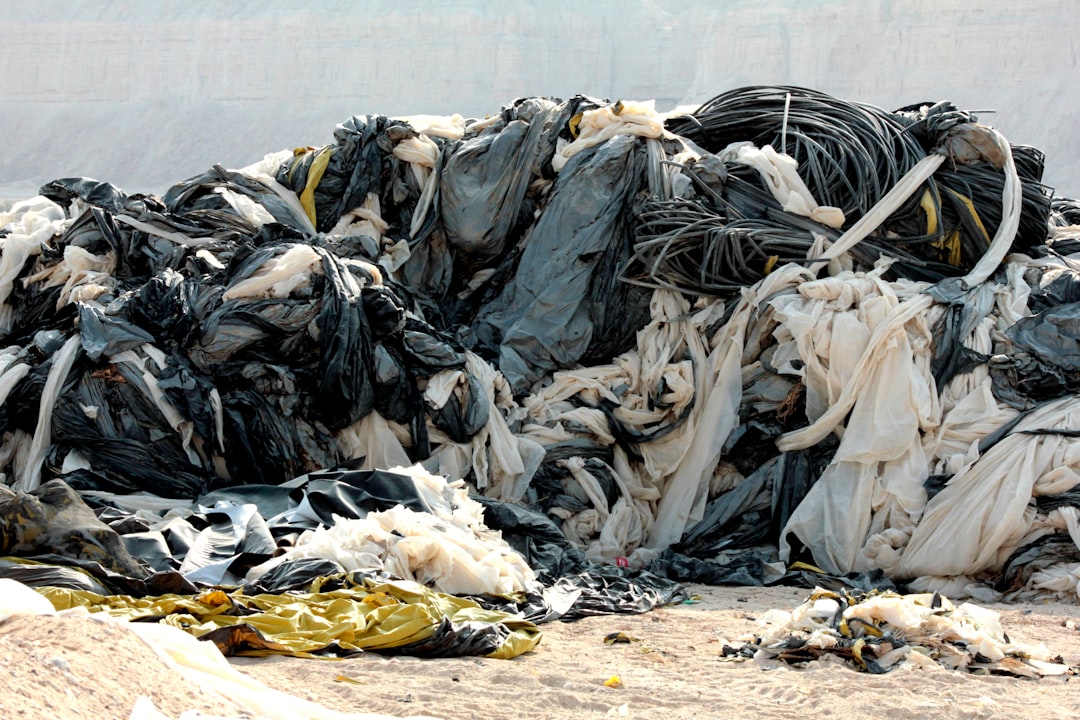
Space debris, often referred to as space junk, encompasses a wide array of non-functional objects orbiting Earth. This includes defunct satellites, spent rocket stages, and fragments resulting from collisions or disintegration of spacecraft. As humanity’s ventures into space have expanded, so too has the accumulation of these remnants.
The increasing number of satellites launched for communication, navigation, and scientific research has exacerbated the problem, leading to a cluttered orbital environment that poses significant risks to operational spacecraft and future missions. The origins of space debris can be traced back to the dawn of the space age in the late 1950s. Since then, thousands of objects have been left in orbit, many of which are no longer operational.
The situation has become increasingly precarious as the density of objects in certain orbits rises, creating a higher likelihood of collisions. These collisions can generate even more debris, leading to a cascading effect known as the Kessler Syndrome, where the density of debris in low Earth orbit (LEO) could reach a point where it becomes hazardous for all space activities.
Key Takeaways
- Space debris poses a significant threat to satellites and spacecraft in orbit around the Earth.
- The impact of space debris can range from minor damage to catastrophic collisions, leading to the generation of even more debris.
- Tracking and monitoring space debris is essential for predicting potential collisions and ensuring the safety of space missions.
- Mitigation strategies for space debris include measures such as debris removal, deorbiting, and end-of-life disposal of satellites.
- Future technologies for space debris mitigation, such as active debris removal, offer promising solutions for addressing the growing issue of space debris.
The Impact of Space Debris
The impact of space debris is multifaceted, affecting both current operations and future endeavors in space exploration. One of the most immediate concerns is the threat posed to active satellites and crewed spacecraft. Even small pieces of debris, traveling at speeds exceeding 17,500 miles per hour, can cause catastrophic damage upon collision.
The International Space Station (ISS), for instance, must regularly perform avoidance maneuvers to steer clear of potential debris threats, diverting valuable resources and time from scientific research. Moreover, the presence of space debris has broader implications for the sustainability of space activities. As the risk of collisions increases, insurance costs for satellite operators rise, potentially leading to higher costs for consumers and businesses reliant on satellite services.
The fear of collisions can also deter investment in new satellite technologies and missions, stifling innovation and progress in various fields such as telecommunications, weather forecasting, and global positioning systems. The long-term viability of space exploration hinges on addressing these challenges effectively.
Tracking and Monitoring Space Debris
To mitigate the risks associated with space debris, tracking and monitoring systems have become essential components of space operations. Various organizations and agencies around the world are dedicated to cataloging and tracking debris in Earth’s orbit. The United States Space Surveillance Network (SSN) is one of the most prominent entities in this field, utilizing ground-based radar and telescopes to detect and track thousands of objects in real-time.
In addition to governmental efforts, private companies are increasingly entering the arena of space debris tracking. These organizations leverage advanced technologies such as artificial intelligence and machine learning to enhance tracking capabilities and predict potential collision events. By providing timely data on the location and trajectory of debris, these systems enable satellite operators to make informed decisions about maneuvering their assets to avoid potential impacts.
Mitigation Strategies for Space Debris
| Strategy | Description |
|---|---|
| Active Debris Removal | Using spacecraft to capture and remove debris from orbit. |
| Passive Debris Removal | Designing satellites to de-orbit and burn up in the atmosphere at the end of their operational life. |
| Space Traffic Management | Implementing regulations and guidelines to minimize the risk of collisions in space. |
| Debris Tracking and Monitoring | Developing systems to track and monitor the location of space debris. |
Mitigation strategies for space debris are critical in preventing further accumulation of junk in orbit. One effective approach involves implementing best practices during satellite design and operation. For instance, satellites should be designed with end-of-life disposal plans in mind, ensuring that they can be deorbited safely once their operational life has ended.
This proactive measure can significantly reduce the number of defunct satellites contributing to the debris problem. Another key strategy is the adoption of guidelines for launch operations. Launch vehicles should be designed to minimize debris generation during ascent and deployment.
This includes ensuring that spent rocket stages are either deorbited or moved to a graveyard orbit after completing their mission. By incorporating these practices into standard operating procedures, the space industry can take significant strides toward reducing the creation of new debris.
Guidelines for Satellite Design and Operations
The design and operation of satellites play a pivotal role in addressing the issue of space debris. Engineers and designers are increasingly incorporating guidelines that prioritize sustainability and safety in their projects. For example, many new satellites are being equipped with propulsion systems that allow for controlled deorbiting at the end of their operational life.
This capability ensures that defunct satellites do not remain in orbit indefinitely, contributing to the growing debris population. Additionally, satellite operators are encouraged to implement measures that minimize the risk of collisions during their operational phase. This includes maintaining accurate tracking data and adhering to established collision avoidance protocols.
By fostering a culture of responsibility among satellite operators, the industry can collectively work towards reducing the risks associated with space debris.
Space Traffic Management
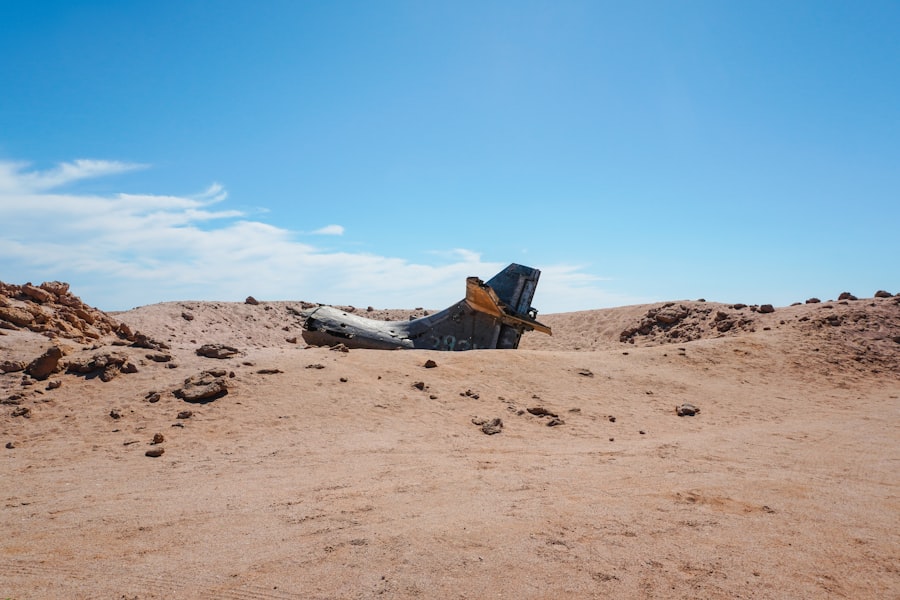
As the number of satellites in orbit continues to grow, effective space traffic management has become increasingly important. This concept involves coordinating the movements of various spacecraft to prevent collisions and ensure safe operations in shared orbital spaces. Just as air traffic control systems manage aircraft movements in busy airspace, similar frameworks are needed for managing satellite traffic in orbit.
The development of a comprehensive space traffic management system requires collaboration among various stakeholders, including government agencies, private companies, and international organizations. By establishing clear communication channels and protocols for sharing data on satellite positions and trajectories, stakeholders can work together to enhance safety in space. Such systems will be crucial as more countries and private entities enter the realm of space exploration.
International Cooperation and Regulations
Addressing the issue of space debris necessitates international cooperation and regulatory frameworks that transcend national boundaries. The global nature of space activities means that debris generated by one country can impact others, making it imperative for nations to collaborate on solutions. Various international bodies, such as the United Nations Office for Outer Space Affairs (UNOOSA), have been working towards establishing guidelines and best practices for debris mitigation.
Treaties and agreements that outline responsibilities for debris mitigation and removal could pave the way for more sustainable practices in space exploration. By fostering a spirit of collaboration and shared responsibility, countries can work together to ensure that future generations can continue to explore and utilize outer space safely.
Deorbiting and End-of-Life Disposal
Deorbiting defunct satellites is a critical component of managing space debris effectively. Various methods have been proposed for safely bringing satellites back to Earth at the end of their operational lives. One common approach involves using onboard propulsion systems to lower a satellite’s orbit gradually until it re-enters the atmosphere and burns up upon re-entry.
Another innovative method being explored is the use of drag sails or other devices that increase atmospheric drag on satellites, facilitating their descent without requiring significant fuel expenditure.
Active Debris Removal
Active debris removal (ADR) represents a proactive approach to tackling existing space junk rather than merely preventing new debris from being created. Various concepts have been proposed for ADR missions, including using robotic arms or nets to capture larger pieces of debris and safely deorbit them. Some innovative ideas even involve using lasers or other technologies to nudge smaller fragments out of orbit.
While ADR presents significant technical challenges, it also offers a promising avenue for addressing the growing threat posed by space debris. Several organizations and companies are actively researching and developing ADR technologies, with pilot missions planned in the coming years. Successful implementation of these initiatives could pave the way for a cleaner orbital environment and restore confidence in long-term space operations.
Future Technologies for Space Debris Mitigation
The future of space debris mitigation lies in innovative technologies that can enhance tracking capabilities, improve satellite design, and facilitate active removal efforts. Advancements in artificial intelligence and machine learning are expected to play a crucial role in predicting potential collision events more accurately and efficiently than ever before. These technologies can analyze vast amounts of data from various sources to identify patterns and trends that may indicate increased collision risks.
Moreover, research into new materials and designs for satellites could lead to more sustainable options that minimize debris generation during both operation and end-of-life disposal. Concepts such as modular satellites that can be easily repaired or upgraded may reduce the need for complete replacements, thereby decreasing overall satellite launches and associated debris creation.
Conclusion and Call to Action
The issue of space debris is one that demands urgent attention from all stakeholders involved in space activities. As humanity continues to explore beyond our planet, it is imperative that we prioritize sustainable practices that protect our orbital environment for future generations. The risks posed by space junk are not just technical challenges; they represent a threat to our ability to utilize space effectively.
A collective effort is needed—governments must collaborate on international regulations, private companies should adopt best practices in satellite design and operations, and researchers must innovate new technologies for tracking and removing debris. By working together towards a common goal, humanity can ensure that outer space remains a safe frontier for exploration and discovery. The time for action is now; only through concerted efforts can we safeguard our access to this vital resource for generations to come.
In recent years, the issue of space debris has become increasingly critical, prompting the development of various mitigation guidelines to ensure the sustainability of outer space activities. An insightful article discussing these guidelines can be found on My Cosmic Ventures. This article delves into the strategies and international efforts aimed at reducing space debris and highlights the importance of collaborative measures to protect the space environment. For more detailed information, you can read the full article on space debris mitigation guidelines by visiting My Cosmic Ventures.
🌌 WATCH THIS! The Billion-Dollar Satellite That Will Trap Humanity on Earth
FAQs
What are space debris mitigation guidelines?
Space debris mitigation guidelines are a set of internationally recognized best practices and recommendations aimed at minimizing the creation of new space debris and reducing the risk of collisions in outer space.
Why are space debris mitigation guidelines important?
Space debris poses a significant threat to satellites, spacecraft, and other objects in orbit. By following mitigation guidelines, spacefaring nations and organizations can help prevent the further accumulation of space debris and protect valuable assets in space.
What are some key components of space debris mitigation guidelines?
Key components of space debris mitigation guidelines include measures to limit the release of debris during normal operations, strategies for spacecraft disposal at the end of their operational life, and guidelines for collision avoidance and spacecraft design to minimize the generation of debris.
Who develops and enforces space debris mitigation guidelines?
Space debris mitigation guidelines are developed and promoted by organizations such as the United Nations Committee on the Peaceful Uses of Outer Space (COPUOS) and its subcommittee on the long-term sustainability of outer space activities. While these guidelines are not legally binding, they are widely endorsed and followed by spacefaring nations and organizations.
What are some examples of space debris mitigation measures?
Examples of space debris mitigation measures include the use of propulsion systems to deorbit satellites at the end of their operational life, the implementation of collision avoidance maneuvers, and the design of spacecraft to minimize the creation of debris during normal operations.
How effective are space debris mitigation guidelines in reducing the risk of space debris collisions?
While space debris mitigation guidelines have been successful in raising awareness and promoting best practices, the issue of space debris remains a significant challenge. Continued efforts to improve compliance with these guidelines and develop new technologies for debris removal are essential for reducing the risk of space debris collisions.