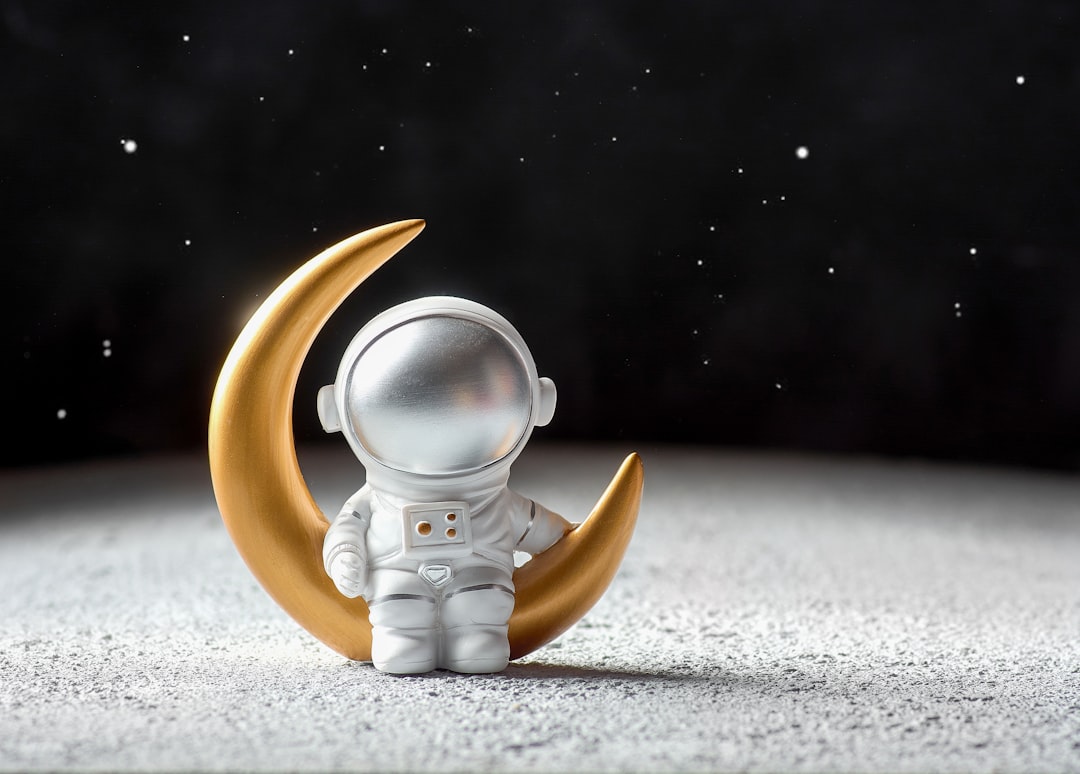
As humanity stands on the brink of a new era, the prospect of living beyond Earth has transitioned from the realm of science fiction to a tangible reality. The idea of establishing human settlements on other celestial bodies, particularly Mars and the Moon, has captured the imagination of scientists, engineers, and dreamers alike. This new frontier represents not only a significant leap in technological advancement but also a profound shift in human perspective.
The challenges and opportunities that come with living in space are vast, and they require a rethinking of what it means to be human in an extraterrestrial environment. The potential for colonization extends beyond mere survival; it encompasses the quest for knowledge, exploration, and the preservation of the human species. As Earth faces numerous challenges, including climate change and overpopulation, the allure of other planets becomes increasingly compelling.
The establishment of a human presence on Mars or the Moon could serve as a backup for humanity, ensuring that life continues even if catastrophic events occur on Earth. This vision of a multi-planetary existence is not just about exploration; it is about securing a future for generations to come.
Key Takeaways
- Living beyond Earth presents new challenges and opportunities for humanity.
- Future astronauts need to undergo rigorous training to prepare for the physical and mental demands of space travel.
- Adapting to zero gravity is a major challenge for space living, requiring new technologies and lifestyle adjustments.
- Isolation in space can have significant psychological effects on astronauts, requiring careful monitoring and support.
- Sustainable living in space is crucial for long-term space missions, emphasizing the importance of recycling and resource management.
Training for Space: What Future Astronauts Need to Know
Preparing for a journey into space is no small feat. Future astronauts undergo rigorous training that encompasses a wide array of skills and knowledge essential for survival in the harsh environment of space. This training includes physical conditioning, technical skills, and psychological preparation.
Astronauts must be in peak physical condition to endure the physical demands of launch, microgravity, and re-entry.
In addition to physical training, future astronauts must acquire a deep understanding of spacecraft systems and operations.
This includes learning how to troubleshoot equipment malfunctions, conduct scientific experiments, and manage life support systems. The ability to work as part of a team is crucial, as astronauts often spend extended periods in confined spaces with their crewmates. Effective communication and conflict resolution skills are essential components of their training, ensuring that they can navigate the complexities of living and working together in an isolated environment.
The Challenges of Space Living: Adapting to Zero Gravity
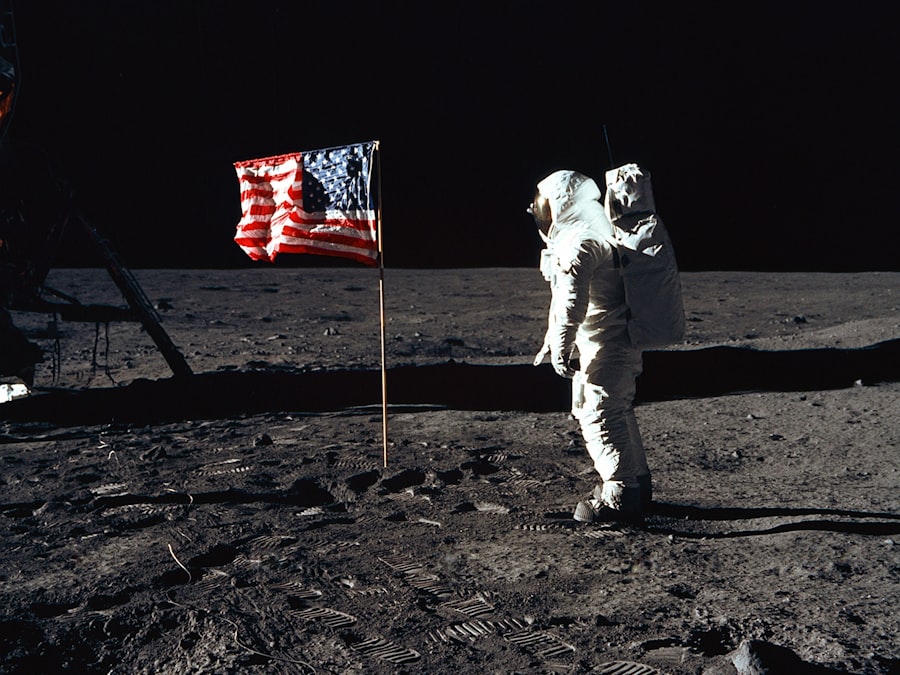
Living in space presents unique challenges that require significant adaptation. One of the most notable aspects of space living is the experience of microgravity, which affects everything from bodily functions to daily activities.
Simple tasks such as eating, drinking, and personal hygiene become complex endeavors that require careful planning and execution. The physiological effects of microgravity are profound. Astronauts experience muscle atrophy and bone density loss due to the lack of gravitational force acting on their bodies.
To counteract these effects, astronauts engage in regular exercise using specialized equipment designed for use in space. This not only helps maintain their physical health but also plays a crucial role in their mental well-being. Adapting to life in microgravity is an ongoing process that requires resilience and ingenuity as astronauts learn to thrive in an environment vastly different from Earth.
The Psychological Effects of Living in Isolation
| Psychological Effects of Living in Isolation | Metrics |
|---|---|
| Increased Anxiety | Percentage of individuals reporting higher levels of anxiety |
| Depression | Number of individuals diagnosed with depression during isolation |
| Loneliness | Percentage of people feeling lonely during isolation |
| Stress | Number of stress-related health issues reported |
| Decreased Social Skills | Percentage of individuals experiencing difficulty in social interactions |
The psychological impact of living in isolation is one of the most significant challenges faced by astronauts during long-duration missions. The confined quarters of a spacecraft or space station can lead to feelings of loneliness and claustrophobia, particularly when crew members are cut off from direct contact with family and friends on Earth. The stress of being in an unfamiliar environment, coupled with the high-stakes nature of their work, can take a toll on mental health.
To mitigate these effects, space agencies implement various strategies aimed at supporting astronauts’ psychological well-being. Regular communication with loved ones is encouraged, allowing astronauts to maintain connections with their support networks back home. Additionally, crew members are trained in stress management techniques and conflict resolution skills to help them navigate interpersonal dynamics within their small teams.
Understanding the psychological challenges of space living is crucial for ensuring that astronauts can perform at their best while maintaining their mental health.
Sustainable Living in Space: The Importance of Recycling and Resource Management
As humanity looks toward long-term habitation beyond Earth, sustainable living practices become paramount. The finite resources available in space necessitate innovative approaches to recycling and resource management. Astronauts must learn to maximize the use of every resource at their disposal, from water to food supplies.
This involves developing systems for recycling waste materials and repurposing them for other uses. Water recycling is one of the most critical aspects of sustainable living in space. Advanced filtration systems are employed to purify wastewater generated by astronauts, allowing it to be reused for drinking and hygiene purposes.
Similarly, food production systems must be designed to minimize waste while maximizing nutritional value. By adopting sustainable practices, future space settlers can create self-sufficient habitats that reduce reliance on resupply missions from Earth.
The Role of Technology in Space Living: From Life Support Systems to Communication
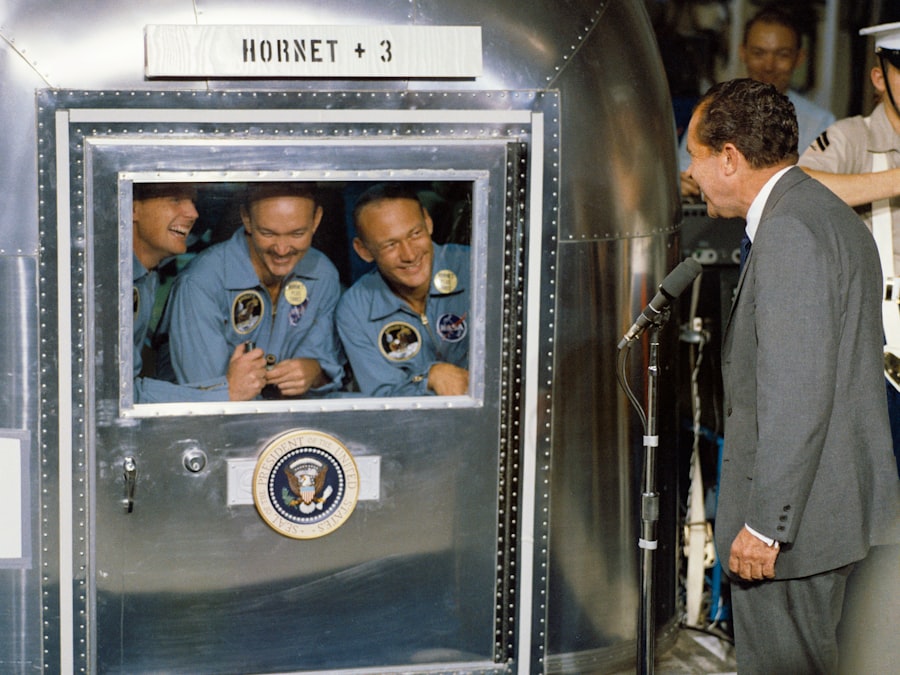
Technology plays an indispensable role in enabling human life beyond Earth. Life support systems are at the forefront of this technological revolution, providing astronauts with essential resources such as oxygen, water, and temperature regulation. These systems are meticulously designed to function reliably in the harsh conditions of space, ensuring that astronauts can live and work safely.
Communication technology is equally vital for maintaining contact with mission control and loved ones back on Earth. Advanced communication systems allow for real-time data transmission and video conferencing, bridging the gap between astronauts and their support networks. As technology continues to evolve, it will play an increasingly important role in enhancing the quality of life for those living in space, making long-duration missions more feasible and sustainable.
The Potential for Agriculture in Space: Growing Food in Microgravity
One of the most exciting prospects for future space living is the potential for agriculture in microgravity environments. Growing food in space presents unique challenges but also offers opportunities for innovation. Researchers are exploring various methods for cultivating crops aboard spacecraft or on other planets, focusing on hydroponics and aeroponics as viable options for food production.
The ability to grow food in space not only addresses nutritional needs but also contributes to psychological well-being by providing astronauts with a connection to nature. Experiments conducted aboard the International Space Station have demonstrated that plants can thrive in microgravity conditions, paving the way for future agricultural endeavors on Mars or lunar bases. As humanity prepares for long-term habitation beyond Earth, developing sustainable agricultural practices will be essential for ensuring food security.
Health and Wellness in Space: Exercise, Nutrition, and Medical Care
Maintaining health and wellness in space is a multifaceted challenge that encompasses exercise, nutrition, and medical care. Astronauts must adhere to strict exercise regimens to counteract the detrimental effects of microgravity on their bodies. Specialized equipment allows them to engage in cardiovascular workouts and strength training while floating weightlessly.
Nutrition is another critical aspect of health in space. Astronauts rely on carefully planned diets that provide essential nutrients while considering the limitations of food storage and preparation in microgravity. Advances in food technology have led to the development of shelf-stable meals that can withstand the rigors of space travel while still offering variety and taste.
Medical care is also a vital consideration for long-duration missions. Astronauts receive training in basic medical procedures and first aid to address potential health issues that may arise during their time in space. Telemedicine capabilities allow them to consult with medical professionals on Earth if more complex medical interventions are needed.
The Social Dynamics of Living in a Closed Environment
Living in a closed environment with limited social interaction presents unique social dynamics that can significantly impact crew cohesion and performance. Astronauts must navigate interpersonal relationships within their small teams while managing stressors associated with isolation and confinement. Effective communication is essential for fostering a positive atmosphere among crew members.
To promote healthy social dynamics, mission planners often select individuals with complementary personalities and skills. Team-building exercises during training help establish trust and camaraderie among crew members before they embark on their missions. Understanding group dynamics is crucial for ensuring that astronauts can work collaboratively under pressure while maintaining their mental well-being.
The Future of Space Tourism: What it Takes to Become a Space Tourist
As technology advances and costs decrease, space tourism is becoming an increasingly viable option for adventurous individuals seeking unique experiences beyond Earth’s atmosphere. However, becoming a space tourist requires more than just financial resources; it necessitates physical fitness and mental preparedness as well. Companies offering suborbital flights or orbital experiences often require participants to undergo medical evaluations and training sessions to ensure they can handle the rigors of space travel.
The burgeoning field of space tourism raises questions about accessibility and equity as well. While some individuals may have the means to afford such experiences, others may be left behind due to financial constraints or health issues. As this industry develops, it will be essential to consider how to make space tourism more inclusive while maintaining safety standards.
The Ethical and Moral Considerations of Colonizing Other Planets
The prospect of colonizing other planets brings forth profound ethical and moral considerations that society must grapple with as humanity ventures into the cosmos. Questions surrounding planetary protection arise: How should humanity approach potential microbial life forms on other planets? What responsibilities do we have toward preserving these environments?
Additionally, discussions about resource exploitation must be addressed as humanity seeks to establish a presence beyond Earth. The lessons learned from historical colonization efforts on Earth should inform our approach to extraterrestrial colonization, emphasizing respect for potential indigenous ecosystems and ethical stewardship over resources. As humanity embarks on this new chapter of exploration and habitation beyond Earth, it is imperative that ethical considerations guide decision-making processes.
Balancing ambition with responsibility will be crucial as society navigates the complexities of living among the stars while ensuring that future generations inherit a universe worth exploring.
As we envision the future of astronauts living beyond Earth, the challenges and innovations required for sustainable life in space become increasingly significant. One intriguing aspect is the development of self-sufficient habitats that can support human life for extended periods. These habitats must address not only the physical needs of astronauts but also their psychological well-being. For more insights into the future of space habitation and the technologies that could make it possible, you can explore a related article on My Cosmic Ventures. This resource delves into the advancements and research shaping the next era of space exploration and habitation.
FAQs
What is the future of living in space for astronauts?
In the future, astronauts living in space will likely have more advanced technology and resources to support their needs, such as improved life support systems, better food production methods, and enhanced communication with Earth.
How will future space habitats be different from current ones?
Future space habitats may be larger, more self-sustaining, and equipped with advanced recycling systems to minimize waste. They may also incorporate artificial gravity technology to mitigate the effects of long-term space travel on the human body.
What advancements in technology will benefit astronauts living in the future?
Advancements in technology such as 3D printing, virtual reality, and advanced medical equipment will benefit astronauts living in the future by enabling them to manufacture tools and parts on demand, stay connected with loved ones through virtual communication, and receive more comprehensive medical care in space.
How will future space missions support the mental and emotional well-being of astronauts?
Future space missions may prioritize the mental and emotional well-being of astronauts by providing them with more opportunities for recreation, social interaction, and psychological support. Additionally, advancements in telemedicine and virtual therapy may allow astronauts to access mental health resources more easily.
What are the potential challenges of long-term space living for astronauts in the future?
Challenges of long-term space living for astronauts in the future may include the effects of prolonged exposure to microgravity on the human body, the psychological impact of isolation and confinement, and the need to maintain a sustainable ecosystem within the space habitat.