
The phenomenon of alien encounters has captivated the human imagination for decades, with countless reports emerging from various corners of the globe. However, the history of these encounters is not without its share of inaccuracies and fabrications, particularly concerning the use of false coordinates. From the early days of UFO sightings in the 1940s and 1950s to the modern era of digital communication, the manipulation of geographical data has played a significant role in shaping narratives around extraterrestrial encounters.
The allure of pinpointing a location on a map has often led witnesses to embellish or entirely fabricate coordinates to lend credibility to their claims. In the early years of UFO sightings, many reports were vague, lacking specific details that could be scrutinized. As interest in alien encounters grew, so did the need for more concrete evidence.
Witnesses began to provide coordinates to substantiate their experiences, often leading to a mix of genuine sightings and deliberate hoaxes. The introduction of GPS technology in the late 20th century further complicated matters, as it became easier for individuals to manipulate coordinates to fit their stories. This evolution highlights a troubling trend: as technology advanced, so too did the methods employed by those seeking attention or validation through false claims.
Key Takeaways
- False coordinates have historically been used to mislead and create sensational alien encounter stories.
- Incorrect coordinates can undermine the credibility of UFO sightings and alien encounter reports.
- Psychological effects on witnesses include confusion and increased anxiety due to misleading location data.
- Advances in technology have made it easier to fabricate or manipulate coordinates in hoaxes.
- Verifying coordinates through reliable methods is essential to distinguish genuine encounters from false claims.
The Role of False Coordinates in UFO Sightings
False coordinates have played a pivotal role in many UFO sightings, often serving as a tool for those wishing to enhance the credibility of their accounts. By providing specific geographical locations, witnesses can create a sense of authenticity that may otherwise be absent from their narratives. This tactic can be particularly effective in drawing attention from researchers, enthusiasts, and the media, all of whom are eager to investigate potential extraterrestrial activity.
However, the reliance on false coordinates can lead to significant misunderstandings and misinterpretations of events. Moreover, the use of false coordinates can create a ripple effect within the UFO community. When one report garners attention due to its seemingly credible details, it can inspire others to fabricate similar stories, perpetuating a cycle of misinformation.
This phenomenon can distort public perception of UFO sightings and alien encounters, leading to a skewed understanding of what constitutes credible evidence. As more individuals become embroiled in this web of deception, the line between fact and fiction becomes increasingly blurred, complicating efforts to discern genuine encounters from mere fabrications.
How False Coordinates Can Impact the Credibility of Alien Encounter Reports

The credibility of alien encounter reports is often contingent upon the details provided by witnesses, including geographical coordinates.
Researchers and skeptics alike rely on accurate data to assess the validity of sightings; thus, any discrepancies can lead to immediate dismissal of an entire account.
This reality poses a significant challenge for those who genuinely believe they have encountered extraterrestrial beings but find their experiences overshadowed by the actions of those who seek to deceive. Furthermore, the impact of false coordinates extends beyond individual reports; it can affect the broader field of ufology as well. As more instances of falsified information come to light, public trust in alien encounter claims diminishes.
In an era where scientific inquiry and skepticism are paramount, maintaining a high standard for evidence is crucial for advancing understanding in this enigmatic field.
The Psychological Impact of False Coordinates on Alien Encounter Witnesses
The psychological ramifications of false coordinates extend beyond mere embarrassment for those who may have inadvertently provided inaccurate information. Witnesses who genuinely believe they have encountered extraterrestrial phenomena may experience feelings of confusion and frustration when their accounts are dismissed due to false data. This disillusionment can lead to a sense of isolation, as individuals grapple with the reality that their experiences may be overshadowed by the actions of others seeking attention or notoriety.
Moreover, the psychological impact can manifest in various ways, including anxiety and distrust towards both the scientific community and fellow enthusiasts. Witnesses may feel compelled to defend their experiences against skepticism while simultaneously grappling with doubts about their own perceptions. This internal conflict can create a barrier to open dialogue about alien encounters, as individuals become hesitant to share their stories for fear of being ridiculed or dismissed outright.
The presence of false coordinates only exacerbates this issue, creating an environment where genuine experiences are often overshadowed by sensationalized claims.
The Technology Behind False Coordinates in Alien Encounter Hoaxes
| Metric | Description | Value/Example |
|---|---|---|
| Number of Reported False Coordinates | Total instances where alien coordinates were proven false or fabricated | 27 cases (2020-2023) |
| Common False Coordinate Regions | Geographical areas frequently cited in false alien coordinate reports | Bermuda Triangle, Nevada Desert, Siberian Tundra |
| Average Distance Error | Average deviation in kilometers between reported false coordinates and actual locations | 15 km |
| Percentage of Hoaxes Involving Coordinates | Proportion of alien hoaxes that include false coordinate data | 42% |
| Most Common Coordinate Format | Format used in false coordinate reports | Decimal Degrees (DD) |
| Verification Success Rate | Percentage of coordinate claims verified as authentic or plausible | 8% |
| Primary Source of False Coordinates | Origin of most false coordinate data | Online forums and social media posts |
The advent of technology has significantly influenced how false coordinates are generated and disseminated within alien encounter hoaxes. With the proliferation of GPS devices and mapping software, it has become increasingly easy for individuals to manipulate geographical data to fit their narratives. This technological advancement has enabled hoaxers to create convincing stories that appear legitimate at first glance but crumble under scrutiny.
Additionally, social media platforms have provided a fertile ground for the spread of false coordinates associated with alien encounters. Individuals can quickly share fabricated stories and coordinate data with minimal oversight, allowing misinformation to proliferate rapidly. The viral nature of online content means that once a false narrative gains traction, it can be challenging to debunk or correct.
As technology continues to evolve, so too will the methods employed by those seeking to exploit it for personal gain or notoriety.
Famous Cases of False Coordinates Leading to Alleged Alien Encounters
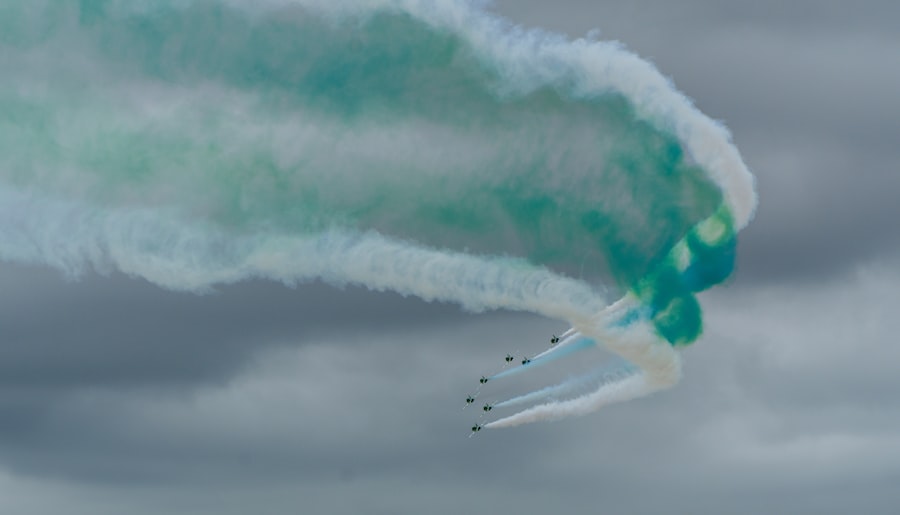
Throughout history, several high-profile cases have emerged where false coordinates played a crucial role in shaping narratives around alleged alien encounters. One notable example is the infamous Roswell incident in 1947, where initial reports suggested that an extraterrestrial craft had crashed in New Mexico. As details emerged, various accounts began circulating with conflicting coordinates that led investigators on wild goose chases across the desert landscape.
The confusion surrounding these coordinates only fueled speculation and conspiracy theories that persist to this day. Another prominent case is that of the Phoenix Lights in 1997, where thousands reported witnessing a massive V-shaped craft hovering over Arizona. In the aftermath, numerous individuals attempted to provide coordinates for where they believed the craft had been seen.
However, many of these claims were later debunked as inaccurate or exaggerated, leading to further skepticism about the validity of eyewitness accounts. These cases illustrate how false coordinates can not only mislead investigators but also contribute to a broader culture of mistrust surrounding alien encounters.
Debunking False Coordinates in Alien Encounter Stories
Debunking false coordinates in alien encounter stories requires a meticulous approach that combines investigative rigor with technological tools. Researchers often rely on geographic information systems (GIS) and satellite imagery to verify claims made by witnesses regarding specific locations. By cross-referencing reported coordinates with available data, investigators can identify discrepancies that may indicate fabrication or exaggeration.
Moreover, engaging with local authorities and utilizing official records can provide additional context for reported sightings. For instance, checking flight paths or military activity in an area can help determine whether an alleged encounter aligns with known events or phenomena. This comprehensive approach not only aids in debunking false claims but also reinforces the importance of critical thinking and skepticism within the field of ufology.
Legal and Ethical Implications of Falsifying Coordinates in Alien Encounter Reports
The act of falsifying coordinates in alien encounter reports raises significant legal and ethical questions that extend beyond mere deception. In some cases, individuals who fabricate stories may face legal repercussions if their actions lead to public panic or misallocation of resources for investigations. For instance, if a false report prompts law enforcement or military intervention based on inaccurate data, those responsible could be held liable for any resulting consequences.
Ethically speaking, the manipulation of coordinates undermines the integrity of genuine witnesses who seek validation for their experiences. It creates an environment where skepticism prevails over open inquiry, ultimately hindering progress in understanding potential extraterrestrial phenomena. As such, fostering a culture of honesty and accountability within the UFO community is essential for ensuring that legitimate claims receive the attention they deserve while discouraging fraudulent behavior.
How to Verify the Authenticity of Coordinates in Alien Encounter Claims
Verifying the authenticity of coordinates in alien encounter claims involves several key steps that can help distinguish between genuine reports and fabrications. First and foremost, researchers should cross-reference reported coordinates with reliable mapping tools and databases to confirm their accuracy. This process may involve checking satellite imagery or utilizing GIS technology to assess whether the described location aligns with known landmarks or geographical features.
Additionally, engaging with local communities can provide valuable insights into reported sightings. Speaking with residents or local authorities may reveal whether similar claims have been made previously or if there are any known explanations for unusual phenomena in the area. By combining technological verification with community engagement, investigators can develop a more comprehensive understanding of reported encounters and discern which claims warrant further exploration.
The Future of False Coordinates in the Study of Alien Encounters
As technology continues to advance at an unprecedented pace, the future of false coordinates in the study of alien encounters remains uncertain. On one hand, improved verification tools and methodologies may enhance researchers’ ability to identify fraudulent claims more effectively than ever before. On the other hand, as digital manipulation becomes increasingly sophisticated, hoaxers may find new ways to create convincing narratives that challenge even seasoned investigators.
Moreover, as public interest in extraterrestrial phenomena persists, there is potential for increased scrutiny surrounding reported encounters. This heightened awareness could lead to greater accountability among witnesses and researchers alike, fostering an environment where genuine experiences are prioritized over sensationalized claims. Ultimately, navigating this complex landscape will require ongoing collaboration between scientists, enthusiasts, and skeptics committed to advancing understanding within this captivating field.
Tips for Identifying False Coordinates in Alleged Alien Encounter Cases
Identifying false coordinates in alleged alien encounter cases necessitates a keen eye for detail and a critical mindset. One effective strategy is to cross-check reported coordinates against established geographical databases or mapping services to ensure accuracy. If discrepancies arise between what is reported and what exists on official maps, it may indicate potential fabrication.
Additionally, examining witness accounts for consistency is crucial; if multiple individuals report sightings but provide conflicting coordinates or descriptions, this inconsistency could signal deception. Engaging with local communities can also yield valuable insights; residents may have firsthand knowledge about unusual occurrences or previous reports that could lend context to current claims. By employing these strategies and remaining vigilant against misinformation, individuals can contribute meaningfully to discussions surrounding alien encounters while promoting integrity within this intriguing field.
In exploring the intriguing topic of false coordinates and their connection to alien encounters, one can gain further insights by reading the article available at this link. The article delves into the phenomenon of misreported locations in UFO sightings and how these discrepancies may influence public perception of extraterrestrial life.
FAQs
What are false coordinates in the context of aliens?
False coordinates refer to deliberately incorrect or misleading geographical or spatial data that claim to indicate the location of alien sightings, encounters, or bases. These coordinates often circulate in UFO and alien-related discussions but lack credible evidence.
Why do false coordinates about aliens exist?
False coordinates may be created for various reasons, including hoaxes, misinformation, attempts to mislead researchers, or as part of fictional stories and conspiracy theories. They can also arise from misinterpretations or errors in reporting.
How can one verify the authenticity of coordinates related to alien sightings?
Verification involves cross-referencing the coordinates with reliable sources, checking for official reports or scientific investigations, and assessing the credibility of the original claim. Satellite imagery and expert analysis can also help determine if the location has any unusual or unexplained features.
Are there any known cases where coordinates led to genuine alien evidence?
To date, no coordinates have been verified to lead to conclusive evidence of alien life or technology. Most claims remain unsubstantiated or debunked by experts.
What should I do if I come across suspicious coordinates claiming alien activity?
Approach such information critically, seek out reputable sources, and avoid sharing unverified claims. Reporting suspicious or potentially harmful misinformation to relevant authorities or platforms can help prevent the spread of false information.
Can false coordinates impact scientific research or public perception?
Yes, false coordinates can mislead researchers, waste resources, and contribute to public misunderstanding or fear. They can also undermine legitimate scientific efforts to study unexplained phenomena.