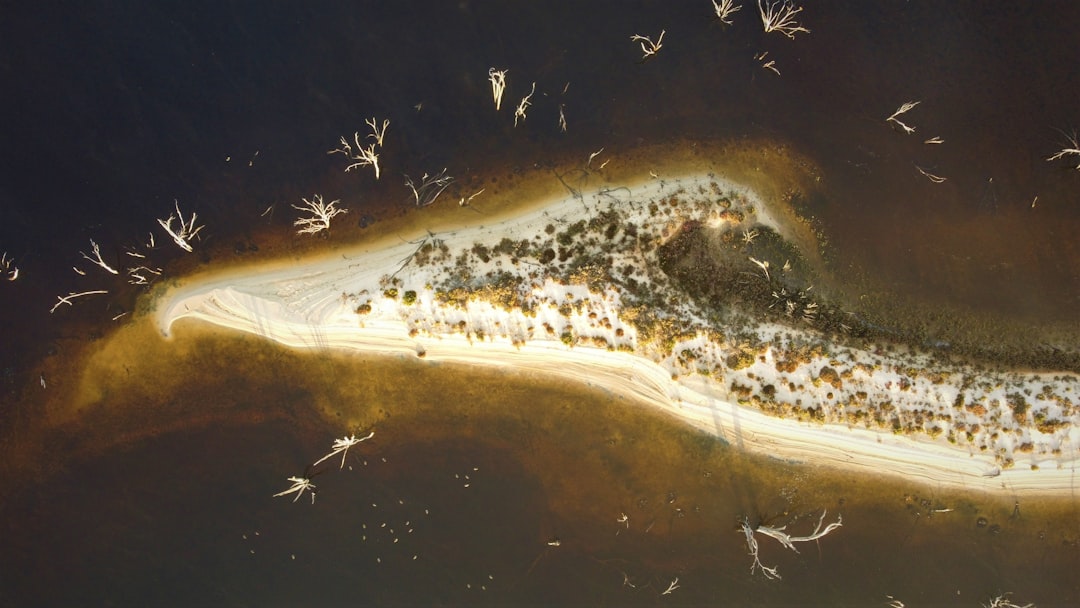
Extremophiles are remarkable organisms that thrive in conditions considered inhospitable or extreme by conventional standards. These unique life forms can be found in environments characterized by extreme temperatures, acidity, salinity, pressure, or radiation levels. They encompass a diverse range of microorganisms, including bacteria, archaea, and some eukaryotes, each exhibiting specialized adaptations that enable them to survive and flourish where most life forms would perish.
The study of extremophiles has not only expanded the understanding of life’s resilience but has also opened new avenues for research in various scientific fields, including astrobiology, biotechnology, and environmental science. The significance of extremophiles extends beyond their survival capabilities; they serve as a testament to the adaptability of life. For instance, thermophiles thrive in hot springs and hydrothermal vents, while halophiles flourish in highly saline environments like salt flats and salt mines.
Acidophiles can be found in acidic hot springs and mine drainage, demonstrating that life can exist even in conditions that would be lethal to most organisms. By studying these extraordinary creatures, scientists gain insights into the fundamental principles of life and the potential for life to exist in extreme environments beyond Earth.
Key Takeaways
- Extremophiles are organisms that thrive in extreme environments such as high temperatures, acidity, or radiation.
- Extremophiles have been found in space, including on the International Space Station and in meteorites, suggesting they can survive in space conditions.
- Extremophiles play a crucial role in space exploration by providing insights into the potential for life beyond Earth and the conditions necessary for it to exist.
- Extreme environments in space include the harsh conditions on other planets, moons, and asteroids, as well as the vacuum of space itself.
- Extremophiles survive in extreme space environments through various adaptations such as DNA repair mechanisms and protective outer layers.
Extremophiles in Space
The exploration of space has long captivated human imagination, and the discovery of extremophiles has added a new dimension to this fascination.
The resilience of extremophiles suggests that if life can thrive in the harshest conditions on Earth, it may also be able to survive in similar environments elsewhere in the universe.
This has led to increased interest in astrobiology, the study of life in the cosmos. Research has shown that certain extremophiles can withstand conditions analogous to those found on Mars, Europa, and other celestial bodies. For example, the bacterium Deinococcus radiodurans is known for its extraordinary resistance to radiation and desiccation, making it a prime candidate for studies related to potential Martian life.
Similarly, some extremophiles can endure extreme cold and high levels of radiation, which are prevalent on icy moons like Europa and Enceladus. The implications of these findings are profound, as they suggest that life may not be limited to Earth but could exist in various forms throughout the universe.
The Role of Extremophiles in Space Exploration
Extremophiles play a crucial role in space exploration by providing insights into the potential for life beyond Earth and informing the design of future missions. Their unique adaptations offer valuable lessons for developing technologies that can withstand the harsh conditions of space travel. For instance, understanding how extremophiles manage to repair DNA damage caused by radiation can inspire new methods for protecting human astronauts from similar hazards during long-duration missions.
Moreover, extremophiles can serve as biological indicators for detecting extraterrestrial life. By studying their metabolic processes and survival mechanisms, scientists can develop biosignatures—chemical or physical markers that indicate the presence of life. These biosignatures could be used in future missions to Mars or Europa, where scientists hope to find evidence of microbial life.
The knowledge gained from extremophiles not only enhances the search for extraterrestrial organisms but also aids in the development of instruments capable of detecting such life forms.
Extreme Environments in Space
| Extreme Environments in Space | Metric |
|---|---|
| Temperature | -270°C to 120°C |
| Radiation | High levels of ionizing radiation |
| Microgravity | Zero gravity conditions |
| Vacuum | Near-perfect vacuum of space |
Space is filled with extreme environments that challenge our understanding of where life can exist. For instance, the surface of Mars is characterized by frigid temperatures, high radiation levels, and a thin atmosphere composed mostly of carbon dioxide. Despite these harsh conditions, scientists believe that subsurface water may exist, creating potential habitats for extremophiles.
Similarly, the icy moons of Jupiter and Saturn—such as Europa and Enceladus—are believed to harbor subsurface oceans beneath their frozen crusts, offering another potential refuge for life. In addition to these celestial bodies, other extreme environments include the vacuum of space itself, where temperatures can plummet to near absolute zero. The lack of atmosphere exposes organisms to cosmic radiation and solar flares, making survival exceedingly difficult.
However, certain extremophiles have demonstrated an ability to endure desiccation and radiation exposure, raising intriguing questions about their potential existence in such inhospitable conditions.
How Extremophiles Survive in Extreme Space Environments
The survival strategies employed by extremophiles are as diverse as the organisms themselves. Many extremophiles possess unique biochemical adaptations that allow them to withstand extreme temperatures. For example, thermophiles produce heat-stable enzymes that function optimally at high temperatures, enabling them to thrive in geothermal environments.
Similarly, psychrophiles have adapted to cold environments by producing antifreeze proteins that prevent ice crystal formation within their cells. In addition to temperature adaptations, extremophiles have developed mechanisms to cope with high levels of radiation. Some species possess efficient DNA repair systems that allow them to mend damage caused by ionizing radiation.
Others produce protective pigments or compounds that shield their cellular components from harmful radiation effects. These survival strategies not only highlight the resilience of extremophiles but also provide valuable insights into potential biotechnological applications for protecting human cells during space travel.
Extremophiles and the Search for Extraterrestrial Life
The study of extremophiles has significant implications for the search for extraterrestrial life. As scientists explore extreme environments on Earth, they gain insights into the types of organisms that may exist on other planets or moons with similar conditions. The discovery of extremophiles has broadened the definition of habitable environments, suggesting that life could thrive in places previously thought uninhabitable.
Astrobiologists are particularly interested in identifying biosignatures associated with extremophiles that could indicate the presence of life beyond Earth. By understanding the metabolic processes and chemical signatures produced by these organisms, researchers can develop strategies for detecting potential extraterrestrial life forms during space missions. This ongoing research not only fuels curiosity about life’s existence beyond our planet but also emphasizes the importance of studying Earth’s most resilient organisms.
Extremophiles and Their Potential Applications in Space Technology
The unique properties of extremophiles have sparked interest in their potential applications within space technology. For instance, enzymes derived from extremophiles are being explored for use in bioremediation processes and industrial applications due to their stability under extreme conditions. These enzymes could be utilized in space missions for waste management or resource extraction on other planets.
Additionally, extremophiles may contribute to advancements in materials science. Their ability to produce protective compounds against radiation and desiccation could inspire the development of new materials designed to shield spacecraft and astronauts from harmful cosmic rays during long-duration missions. By harnessing the natural adaptations of extremophiles, scientists aim to create innovative solutions that enhance human exploration of space.
Extremophiles and Their Importance in Understanding the Origins of Life
The study of extremophiles is pivotal in unraveling the mysteries surrounding the origins of life on Earth and potentially elsewhere in the universe. By examining how these organisms have adapted to extreme conditions over billions of years, researchers gain insights into the fundamental processes that led to the emergence of life itself. Extremophiles provide a living model for understanding how early life forms may have survived on a primordial Earth characterized by harsh environmental conditions.
Furthermore, extremophiles challenge traditional notions about life’s requirements for survival. The discovery that life can thrive in extreme environments suggests that similar organisms could exist on other planets with conditions vastly different from those on Earth. This realization has profound implications for astrobiology and our understanding of life’s adaptability across diverse environments.
Studying Extremophiles in Space: Challenges and Opportunities
While studying extremophiles offers exciting opportunities for advancing knowledge about life beyond Earth, it also presents significant challenges. One major hurdle is the difficulty of simulating extreme space conditions accurately in laboratory settings. Researchers must create environments that replicate the unique pressures, temperatures, and radiation levels found on celestial bodies like Mars or Europa to study how extremophiles would respond.
Additionally, collecting samples from extreme environments poses logistical challenges during space missions. The harsh conditions may hinder access to potential habitats where extremophiles could exist. However, advancements in robotic exploration technology are paving the way for more efficient sample collection methods and analysis techniques that could enhance our understanding of these resilient organisms.
Extremophiles and Their Adaptations to Space Conditions
Extremophiles exhibit a remarkable array of adaptations that enable them to survive under space-like conditions. For instance, some microorganisms possess protective biofilms that shield them from desiccation and radiation exposure. These biofilms create a microenvironment conducive to survival by retaining moisture and providing a barrier against harmful external factors.
Moreover, certain extremophiles have developed mechanisms for entering dormant states during unfavorable conditions—a process known as anhydrobiosis. In this state, they can withstand extreme dehydration until favorable conditions return. This ability raises intriguing questions about how similar mechanisms might allow life forms to endure long periods of dormancy during interplanetary travel or exposure to harsh cosmic environments.
The Future of Extremophiles in Space Exploration
The future of extremophiles in space exploration holds immense promise as scientists continue to uncover their secrets and potential applications. Ongoing research aims to identify new extremophile species and understand their unique adaptations further. As technology advances, researchers will be better equipped to study these organisms under simulated space conditions and explore their potential roles in future missions.
Moreover, as humanity embarks on ambitious plans for interplanetary exploration—such as missions to Mars or beyond—the knowledge gained from studying extremophiles will be invaluable. These resilient organisms may not only inform strategies for detecting extraterrestrial life but also inspire innovative solutions for sustaining human life during long-duration space travel. The exploration of extremophiles represents a fascinating intersection between biology and space science, offering insights into life’s resilience and adaptability across the cosmos.
Extremophiles, organisms that thrive in extreme conditions, have garnered significant interest in astrobiology due to their potential to survive in extraterrestrial environments. These resilient life forms offer insights into the possibilities of life beyond Earth, particularly in harsh environments like Mars or the icy moons of Jupiter and Saturn. For a deeper exploration into how extremophiles could inform our understanding of life in space, you can read a related article on the topic by visiting this page. This article delves into the fascinating world of extremophiles and their implications for future space exploration and the search for extraterrestrial life.
WATCH THIS! The Secret Ocean of Europa: Why NASA is Hunting for Alien Life Beneath the Ice
FAQs
What are extremophiles?
Extremophiles are organisms that thrive in extreme environments, such as high temperatures, acidic conditions, or high levels of radiation. They have the ability to survive and even reproduce in these harsh conditions.
How are extremophiles relevant to space exploration?
Extremophiles are of interest to space exploration because they may provide insights into the potential for life on other planets. Studying extremophiles can help scientists understand the limits of life and the conditions under which life can exist in space.
What types of extremophiles have been studied in relation to space exploration?
Extremophiles such as thermophiles (heat-loving), acidophiles (acid-loving), and halophiles (salt-loving) have been studied in relation to space exploration. These organisms have been found in extreme environments on Earth and may provide clues about the potential for life on other planets.
How are extremophiles being used in space research?
Extremophiles are being used in space research to test the limits of life in space-like conditions. They are also being studied for their potential applications in biotechnology, such as the production of enzymes and other useful compounds that could be used in space missions.
What are the potential implications of extremophiles in space exploration?
The study of extremophiles in relation to space exploration could have implications for the search for extraterrestrial life, the development of life support systems for long-duration space missions, and the potential for using extremophiles in biotechnology applications in space.