
Void geometry examines the spatial relationships between empty spaces and solid structures in both natural formations and constructed environments. This field of study analyzes how gaps, cavities, and negative spaces contribute to the overall properties and characteristics of three-dimensional forms. Unlike conventional geometric analysis that primarily focuses on the measurement and properties of solid objects, void geometry investigates the role of absence and emptiness in structural composition.
The discipline provides a framework for understanding how empty spaces affect structural integrity, visual perception, and functional performance. In architectural applications, void geometry principles inform the design of buildings where interior spaces, courtyards, and openings create specific environmental conditions and user experiences. The mathematical analysis of void spaces involves calculating volumes, surface areas, and spatial ratios between solid and empty regions within a given structure.
Void geometry applications extend across multiple fields including materials science, where porous materials are analyzed for their void-to-solid ratios, and urban planning, where open spaces between buildings affect air circulation and light distribution. The quantitative study of void spaces provides measurable data on how negative space influences the performance characteristics of various systems and structures.
Key Takeaways
- Void geometry explores the spatial relationships and empty spaces within structures, influencing both form and function.
- It plays a crucial role in architecture, engineering, and design by optimizing structural integrity and aesthetic appeal.
- Mathematical principles underpin void geometry, enabling precise analysis and innovative applications across various fields.
- Void geometry is evident in natural formations and inspires modern technology, urban planning, and artistic expression.
- Its philosophical and spiritual significance highlights the balance between presence and absence, shaping future societal developments.
Understanding the Relationship between Void Geometry and Structure
The relationship between void geometry and structure is intricate and multifaceted. At its core, void geometry examines how empty spaces can shape the overall integrity and functionality of a design. In architecture, for instance, the strategic placement of voids can enhance natural light flow, improve ventilation, and create a sense of openness within a confined area.
This relationship underscores the idea that voids are not merely empty spaces; they are active components that contribute to the overall experience of a structure. Moreover, the interplay between voids and solids can lead to innovative structural solutions. Engineers often utilize void geometry to optimize materials, reducing weight while maintaining strength.
By understanding how voids can distribute forces within a structure, they can create designs that are both efficient and aesthetically pleasing. This synergy between voids and solids highlights the importance of considering both elements in the design process, ultimately leading to more sustainable and functional outcomes.
Exploring the Mathematical Principles of Void Geometry
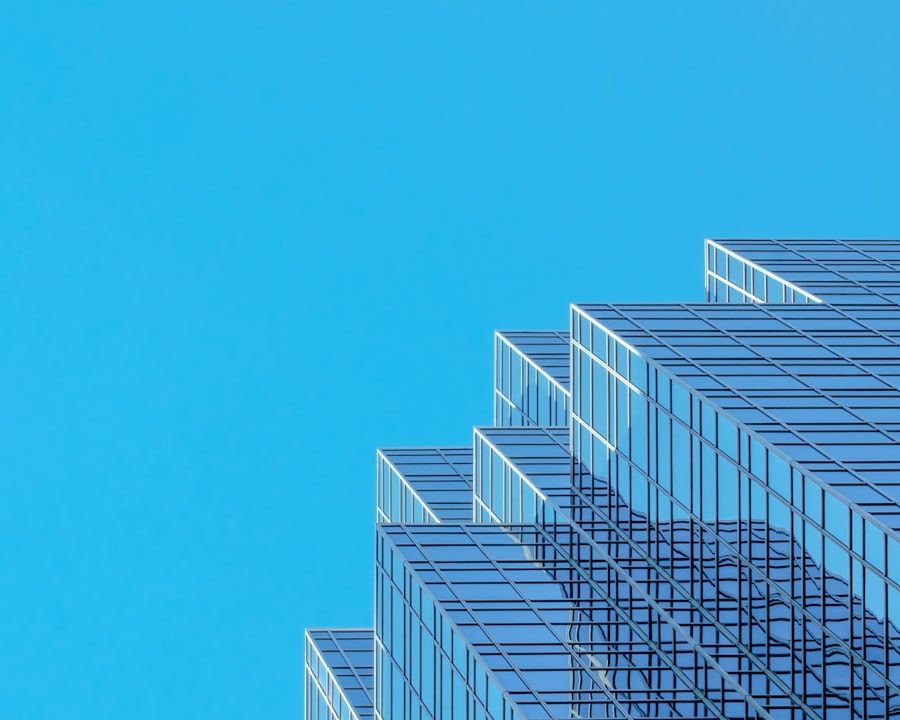
Mathematics plays a crucial role in understanding void geometry, as it provides the tools necessary to analyze and quantify the relationships between solid forms and their corresponding voids. Various mathematical principles, such as topology and geometry, help to describe how spaces interact with one another. For instance, topological concepts allow for the exploration of continuity and connectivity within voids, revealing how they can influence the overall structure’s behavior.
Additionally, geometric transformations can be applied to voids to create complex patterns and forms. By manipulating shapes through scaling, rotation, or reflection, designers can generate unique void geometries that enhance visual interest while maintaining structural integrity. This mathematical foundation not only aids in the design process but also fosters a deeper appreciation for the elegance and complexity inherent in void geometry.
The Role of Void Geometry in Architecture and Design
In architecture and design, void geometry serves as a powerful tool for creating spaces that resonate with users on multiple levels. Architects often incorporate voids into their designs to foster a sense of connection between different areas within a building. For example, an atrium or open staircase can act as a central void that links various floors, promoting interaction and movement throughout the space.
This intentional use of voids enhances the overall experience by encouraging exploration and engagement. Furthermore, void geometry can significantly impact the aesthetic qualities of a structure. The interplay between light and shadow created by voids can transform a space, adding depth and dimension.
Architects often leverage this phenomenon to create dynamic environments that change throughout the day as natural light shifts. By thoughtfully integrating voids into their designs, architects can craft spaces that are not only functional but also visually captivating.
Applications of Void Geometry in Engineering and Construction
| Metric | Description | Typical Range/Value | Unit |
|---|---|---|---|
| Void Ratio (e) | Ratio of the volume of voids to the volume of solids in a material | 0.3 – 2.0 | Dimensionless |
| Porosity (n) | Fraction of the total volume that is void space | 10% – 50% | Percentage (%) |
| Specific Surface Area | Surface area of voids per unit volume or mass | 10 – 1000 | m²/g or m²/m³ |
| Permeability | Measure of the ability of voids to allow fluid flow | 10⁻¹² – 10⁻⁶ | m² |
| Void Volume | Total volume occupied by voids within a structure | Varies by material | m³ |
| Connectivity | Degree to which voids are interconnected | Low to High | Qualitative |
| Shape Factor | Describes the geometry of voids (e.g., spherical, elongated) | 0.5 – 1.0 | Dimensionless |
| Fractal Dimension | Complexity of void geometry in porous structures | 2.0 – 3.0 | Dimensionless |
Void geometry finds numerous applications in engineering and construction, where it plays a vital role in optimizing materials and enhancing structural performance. Engineers often employ voids in concrete structures to reduce weight without compromising strength. This technique, known as “voided slab construction,” involves creating hollow spaces within concrete elements, resulting in significant material savings while maintaining structural integrity.
Additionally, the principles of void geometry are applied in various construction methods, such as 3D printing and modular construction. These innovative approaches allow for the creation of complex geometries that would be challenging to achieve using traditional methods. By embracing void geometry, engineers can push the boundaries of design and construction, leading to more efficient and sustainable building practices.
The Aesthetics of Void Geometry in Art and Sculpture
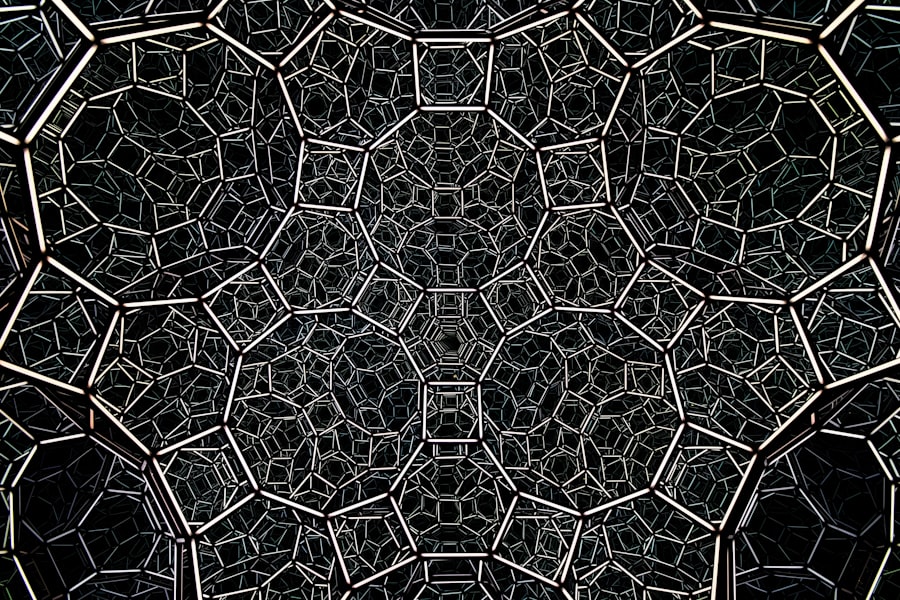
Void geometry has also made its mark in the realm of art and sculpture, where artists explore the concept of emptiness as a means of expression. Sculptors often utilize voids to create tension and balance within their works, inviting viewers to contemplate the relationship between presence and absence. The strategic placement of voids can evoke emotions and provoke thought, encouraging audiences to engage with the artwork on a deeper level.
Moreover, artists have embraced void geometry as a way to challenge conventional perceptions of form. By incorporating negative space into their creations, they invite viewers to consider what lies beyond the physical material. This exploration of emptiness not only enhances the visual impact of a piece but also encourages introspection about the nature of existence itself.
Void Geometry in Nature and Natural Structures
Nature is replete with examples of void geometry, where empty spaces play a crucial role in shaping ecosystems and biological forms. From the intricate patterns found in leaf structures to the vast caverns within mountains, nature demonstrates how voids contribute to functionality and beauty. The study of these natural forms has inspired architects and designers to incorporate similar principles into their work.
In addition to aesthetic considerations, understanding void geometry in nature can lead to innovative solutions for sustainable design. By mimicking natural structures that effectively utilize voids, architects can create buildings that harmonize with their environment while minimizing resource consumption. This biomimetic approach highlights the potential for learning from nature’s inherent wisdom in addressing contemporary design challenges.
The Influence of Void Geometry on Modern Technology
Modern technology has been significantly influenced by the principles of void geometry, particularly in fields such as computer science and digital design. The rise of computational design tools has enabled architects and engineers to explore complex geometries that were previously unattainable. These tools allow for precise modeling of voids within structures, facilitating innovative designs that push the boundaries of traditional architecture.
Furthermore, advancements in materials science have led to the development of lightweight materials that incorporate void geometries for enhanced performance. For instance, aerogels—highly porous materials—exemplify how voids can be utilized to achieve remarkable insulation properties while remaining incredibly lightweight. This intersection of technology and void geometry continues to drive innovation across various industries.
The Potential for Void Geometry in Urban Planning and City Design
In urban planning and city design, void geometry holds immense potential for creating vibrant public spaces that foster community interaction. Planners can strategically incorporate parks, plazas, and open areas into urban environments to break up dense structures and provide residents with much-needed green spaces. These voids serve as essential components that enhance livability while promoting social engagement.
Moreover, understanding void geometry can lead to more sustainable urban designs by optimizing land use and reducing urban heat islands. By integrating green roofs or vertical gardens into buildings—essentially creating voids filled with vegetation—planners can improve air quality while providing habitats for urban wildlife. This holistic approach to urban design emphasizes the importance of incorporating voids as integral elements rather than mere afterthoughts.
Exploring the Spiritual and Philosophical Significance of Void Geometry
The concept of void geometry extends beyond its practical applications; it also carries profound spiritual and philosophical implications. Many cultures throughout history have recognized the significance of emptiness as a source of potentiality and transformation. In Eastern philosophies such as Taoism and Buddhism, emptiness is often viewed as a state of being that allows for growth and enlightenment.
This philosophical perspective invites individuals to reflect on their relationship with space and existence itself. The exploration of void geometry encourages contemplation about what it means to occupy space while acknowledging the importance of absence in shaping identity and experience. By engaging with these ideas, individuals may find deeper meaning in their surroundings and foster a greater appreciation for the interconnectedness of all things.
The Future of Void Geometry and Its Impact on Society
As society continues to evolve, the relevance of void geometry is likely to grow even more pronounced. With increasing urbanization and environmental challenges, architects, engineers, and planners will need to embrace innovative approaches that prioritize sustainability while enhancing quality of life. Void geometry offers a framework for reimagining spaces that are not only functional but also enriching for communities.
Looking ahead, advancements in technology will further enable exploration into complex geometries that challenge conventional design paradigms. As new materials emerge and computational tools become more sophisticated, designers will have unprecedented opportunities to integrate voids into their work creatively. Ultimately, the future of void geometry holds promise for shaping environments that foster connection, creativity, and sustainability—transforming how society interacts with space for generations to come.
In exploring the fascinating concepts of void geometry and structure, one can gain deeper insights by examining related articles that delve into the intricacies of these topics.