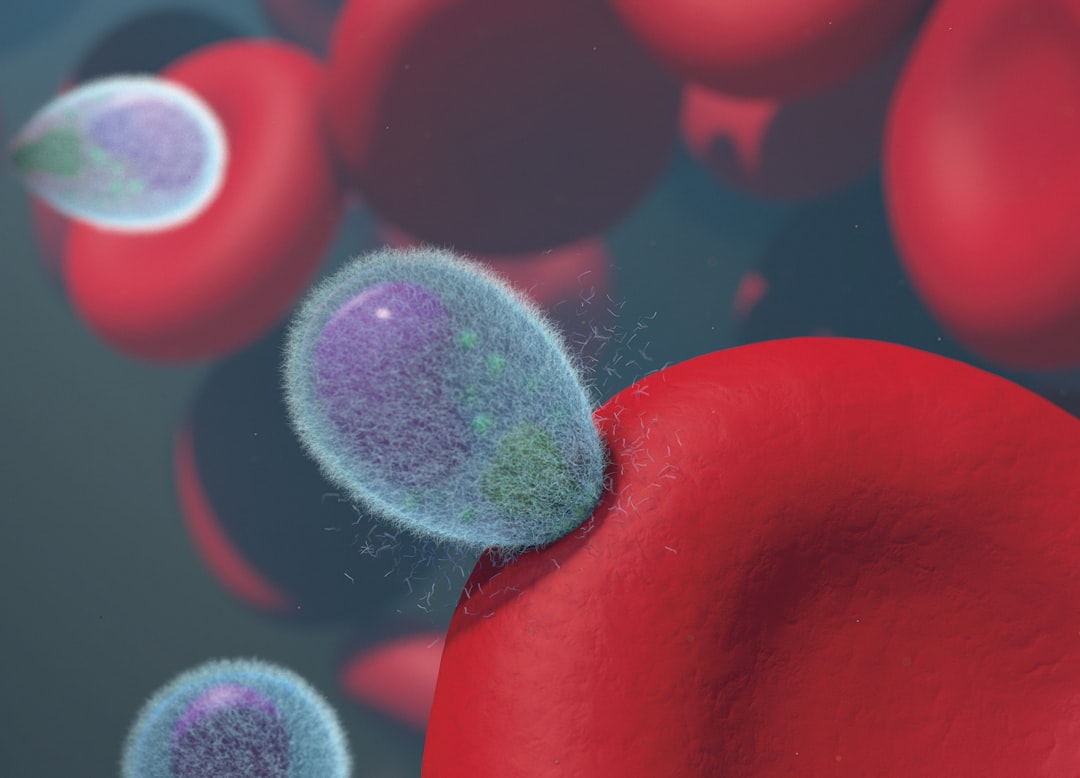
Europa, one of Jupiter’s most intriguing moons, has captured the imagination of scientists and the public alike due to its potential to harbor microbial life. Beneath its icy exterior lies a vast subsurface ocean, which is believed to contain more than twice the amount of water found on Earth. This ocean, coupled with the moon’s unique geological features, raises compelling questions about the possibility of life beyond our planet.
The prospect of discovering microbial organisms in such an alien environment not only excites astrobiologists but also challenges our understanding of life’s resilience and adaptability. The allure of Europa extends beyond mere speculation; it is grounded in scientific inquiry and exploration. The moon’s surface is marked by a complex interplay of ice and geological activity, suggesting that the ocean beneath may be in contact with the moon’s rocky mantle.
This interaction could create a chemically rich environment conducive to life. As researchers delve deeper into the mysteries of Europa, they are driven by the hope that this distant world may hold answers to fundamental questions about life’s origins and its potential existence elsewhere in the universe.
Key Takeaways
- Europa’s subsurface ocean has the potential to support microbial life due to its unique environment and potential sources of energy.
- Current and future missions are being planned to explore Europa and search for microbial life, despite the challenges of exploring its icy shell.
- Finding microbial life on Europa would have significant implications for our understanding of the potential for life beyond Earth.
- Europa’s potential for microbial life is compared to other potential habitats in our solar system, raising ethical and philosophical considerations of searching for life beyond Earth.
- The potential for future human exploration and colonization of Europa is a topic of interest as we continue to search for microbial life on this moon.
The search for extraterrestrial life in our solar system
The quest for extraterrestrial life has been a driving force behind many space exploration missions. Scientists have long pondered whether life exists beyond Earth, and the solar system offers several tantalizing candidates for investigation. Mars, with its ancient riverbeds and polar ice caps, has been a focal point for astrobiological studies.
However, Europa’s unique characteristics have increasingly positioned it as a prime target in the search for microbial life. In addition to Mars, other celestial bodies such as Enceladus, Saturn’s icy moon, and Titan, its largest moon, have also garnered attention due to their potential habitability. Each of these worlds presents distinct environments that could support life, but Europa stands out because of its subsurface ocean.
The ongoing exploration of these moons and planets reflects humanity’s enduring curiosity about life’s existence beyond Earth and the desire to understand the conditions that foster it.
The unique environment of Europa’s subsurface ocean

Europa’s subsurface ocean is one of the most compelling aspects of its potential for hosting microbial life. This ocean is believed to be in contact with the moon’s rocky mantle, creating a dynamic environment where chemical reactions could occur. The presence of water, a fundamental ingredient for life as we know it, combined with the potential for hydrothermal activity, suggests that Europa may possess the necessary conditions for life to thrive.
The icy shell that covers Europa is estimated to be several kilometers thick, insulating the ocean beneath from the harsh radiation of Jupiter’s magnetosphere. This protective layer not only preserves the ocean’s chemical composition but also creates a stable environment where microbial life could potentially evolve. The interplay between the ocean and the icy surface may lead to nutrient cycling, further enhancing the prospects for life in this alien world.
The potential sources of energy for microbial life on Europa
| Potential Sources of Energy for Microbial Life on Europa |
|---|
| 1. Tidal Heating |
| 2. Radiogenic Heating |
| 3. Chemical Energy from Hydrothermal Vents |
| 4. Energy from Redox Reactions |
| 5. Solar Energy (limited due to ice cover) |
For any form of life to exist, a source of energy is essential. On Earth, life thrives in various environments by harnessing energy from sunlight, chemical reactions, or geothermal processes. Europa’s subsurface ocean may offer similar energy sources that could support microbial ecosystems.
One of the most promising possibilities is hydrothermal vents on the ocean floor, which could provide heat and nutrients through chemical reactions between seawater and the moon’s rocky mantle. Additionally, the interaction between Europa’s ocean and its icy shell may create opportunities for chemical energy production. As the ice moves and shifts, it could expose different minerals and compounds to the ocean below, allowing for diverse biochemical processes.
These energy sources could sustain microbial communities, potentially leading to complex ecosystems similar to those found in Earth’s deep-sea environments.
The role of Europa’s icy shell in protecting potential microbial life
Europa’s icy shell serves as both a barrier and a shield for any potential microbial life residing in its subsurface ocean. This thick layer of ice protects the ocean from harmful radiation emitted by Jupiter, which would otherwise pose a significant threat to any organisms attempting to survive in such an environment. The ice also acts as an insulating layer, maintaining stable temperatures within the ocean and preventing it from freezing solid.
Moreover, the icy shell may facilitate nutrient delivery to the subsurface ocean through processes such as cryovolcanism or tectonic activity. These geological phenomena can create fissures in the ice, allowing nutrients from the surface to seep into the ocean below. This dynamic interaction between the ice and ocean could create a rich environment for microbial life to flourish, highlighting the importance of Europa’s icy shell in supporting potential ecosystems.
The challenges of exploring Europa and searching for microbial life

Despite its intriguing potential for hosting microbial life, exploring Europa presents numerous challenges for scientists and engineers alike. The harsh conditions of space travel, combined with Jupiter’s intense radiation environment, make missions to Europa particularly complex. Any spacecraft designed to explore this moon must be equipped with advanced shielding to protect sensitive instruments from radiation damage.
Additionally, landing on Europa poses significant technical hurdles due to its icy surface and unknown geological features. Scientists must develop innovative landing systems capable of navigating this challenging terrain while ensuring that any potential contamination from Earth is minimized. The search for microbial life on Europa requires meticulous planning and execution to ensure that missions are both scientifically valuable and ethically responsible.
Current and future missions to explore Europa and search for microbial life
Several missions are currently in development or planned to explore Europa and investigate its potential for microbial life. NASA’s Europa Clipper mission, set to launch in the 2020s, aims to conduct detailed reconnaissance of Europa’s ice shell and subsurface ocean. Equipped with a suite of scientific instruments, this mission will gather data on the moon’s composition, geology, and potential habitability.
In addition to NASA’s efforts, other space agencies are also interested in exploring Europa. The European Space Agency (ESA) has proposed a mission called Jupiter Icy Moons Explorer (JUICE), which will study Europa along with Ganymede and Callisto. These missions represent a significant step forward in our understanding of Europa’s environment and its potential to harbor life.
The implications of finding microbial life on Europa
The discovery of microbial life on Europa would have profound implications for humanity’s understanding of life’s existence beyond Earth. It would challenge existing paradigms about where and how life can thrive, suggesting that it may not be limited to Earth-like conditions. Such a finding would also raise questions about the origins of life itself—whether it emerged independently on different celestial bodies or if it was seeded across the solar system through panspermia.
Furthermore, finding extraterrestrial life would ignite discussions about humanity’s place in the universe and our responsibilities toward other forms of life. It would prompt ethical considerations regarding how we interact with these organisms and what measures should be taken to protect them from contamination or exploitation.
Comparisons to other potential habitats for microbial life in our solar system
While Europa is a prime candidate for hosting microbial life, it is not alone in this regard.
Mars has long been studied for its past water activity and potential subsurface lakes, while Enceladus has shown evidence of plumes ejecting water vapor rich in organic compounds.
Titan, Saturn’s largest moon, offers a unique environment with its dense atmosphere and liquid methane lakes. Each of these locations presents distinct challenges and opportunities for microbial life, highlighting the diversity of potential habitats within our solar system. Comparing these environments allows scientists to refine their understanding of what constitutes a habitable zone and how different conditions can influence life’s development.
The ethical and philosophical considerations of searching for microbial life on Europa
The search for microbial life on Europa raises important ethical and philosophical questions that extend beyond scientific inquiry. As humanity ventures into new frontiers, it must grapple with issues related to planetary protection and contamination. Ensuring that missions do not inadvertently harm potential ecosystems is paramount; this responsibility underscores the need for rigorous protocols during exploration.
Moreover, discovering extraterrestrial life would challenge humanity’s perception of itself as a unique entity within the cosmos. It would prompt philosophical debates about consciousness, intelligence, and what it means to be alive. These discussions could reshape our understanding of existence itself and influence how we approach our relationship with other forms of life—both terrestrial and extraterrestrial.
The potential for future human exploration and colonization of Europa
Looking ahead, the possibility of human exploration and even colonization of Europa remains a topic of speculation among scientists and futurists alike. While current missions focus on robotic exploration, advancements in technology may eventually pave the way for human presence on this distant moon. However, such endeavors would require careful consideration of safety protocols due to Europa’s harsh environment.
If humans were to colonize this moon, they would need to balance exploration with conservation efforts to protect any existing microbial ecosystems. As humanity continues its journey into space, it must remain mindful of its responsibilities toward other worlds and their potential inhabitants.
In conclusion, Europa stands as one of the most promising candidates in the search for extraterrestrial microbial life within our solar system. Its subsurface ocean, unique geological features, and protective icy shell create an environment ripe for exploration and discovery. As missions are developed to investigate this enigmatic moon further, humanity stands on the brink of potentially transformative revelations about life’s existence beyond Earth—revelations that could reshape our understanding of biology, ethics, and our place in the universe.
Europa, one of Jupiter’s intriguing moons, has long fascinated scientists with its potential to harbor microbial life beneath its icy surface. The moon’s subsurface ocean, kept warm by tidal heating, presents a tantalizing environment where life could potentially thrive. Recent studies have focused on the chemical composition of Europa’s ice and the possibility of hydrothermal vents on its ocean floor, which could provide the necessary energy and nutrients for microbial ecosystems. For more insights into the potential for life on Europa and the latest research findings, you can explore a related article on this topic by visiting My Cosmic Ventures.
WATCH THIS! The Secret Ocean of Europa: Why NASA is Hunting for Alien Life Beneath the Ice
FAQs
What is Europa?
Europa is one of Jupiter’s moons and is considered to be one of the most likely places in our solar system to potentially harbor life.
Why is Europa of interest to scientists?
Europa is of interest to scientists because it has a subsurface ocean beneath its icy crust, which could potentially support microbial life.
What makes Europa’s subsurface ocean a potential habitat for microbes?
Europa’s subsurface ocean is believed to have the right conditions to support life, including the presence of water, energy sources, and organic molecules.
How do scientists plan to explore Europa’s potential for microbes?
NASA is planning a mission called Europa Clipper, which will conduct flybys of Europa to study its surface and subsurface ocean in more detail. This mission aims to gather more information about the potential habitability of Europa.
What are some of the challenges in exploring Europa’s potential for microbes?
One of the main challenges in exploring Europa’s potential for microbes is the thick icy crust that covers the moon, making it difficult to directly access the subsurface ocean. Additionally, the harsh radiation environment around Jupiter poses a challenge for any potential life forms.