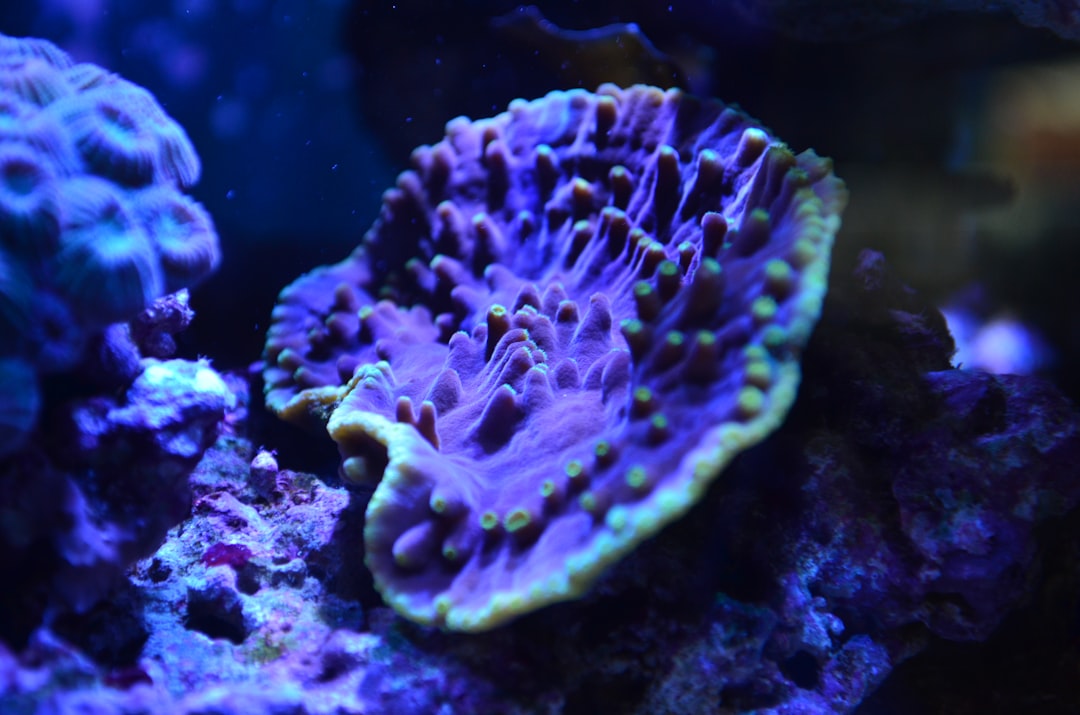
Deep sea life represents one of the most enigmatic and least explored realms on Earth. Covering over 60% of the planet’s surface, the deep sea is a vast, dark expanse that begins at depths of around 200 meters and extends to the ocean floor, plunging down to depths of over 11,000 meters in places like the Mariana Trench. This underwater world is home to a myriad of organisms, many of which remain undiscovered and unclassified.
The extreme conditions of pressure, temperature, and darkness create a unique environment that has led to the evolution of extraordinary adaptations among its inhabitants. As scientists delve deeper into this abyss, they uncover not only the biological wonders that thrive in these depths but also the ecological significance of these organisms in the broader context of Earth’s health. The study of deep sea life is not merely an academic pursuit; it holds profound implications for understanding biodiversity, ecosystem dynamics, and even the potential for life beyond our planet.
The deep sea serves as a living laboratory where researchers can observe how life adapts to extreme conditions, providing insights that may inform astrobiology and the search for extraterrestrial life. As humanity’s curiosity about the ocean’s depths grows, so too does the recognition of the importance of preserving these fragile ecosystems, which are increasingly threatened by human activities such as deep-sea mining and climate change.
Key Takeaways
- The deep sea is a mysterious and largely unexplored environment on Earth, with unique ecosystems and adaptations.
- Europa, one of Jupiter’s moons, has a subsurface ocean that may harbor the potential for life.
- Europa’s deep sea environment is characterized by extreme cold, high pressure, and the possibility of hydrothermal vents.
- Deep sea life on Earth has adapted to extreme conditions such as darkness, cold, and high pressure.
- Potential adaptations of deep sea life on Europa may include the ability to withstand radiation and thrive in icy conditions.
The Unique Ecosystem of Earth’s Deep Sea
The deep sea is characterized by its unique ecosystem, which is fundamentally different from those found in shallower waters. In this dark environment, sunlight fails to penetrate, leading to a complete absence of photosynthesis. Instead, life in the deep sea relies on chemosynthesis, a process where certain organisms convert chemical energy from hydrothermal vents or cold seeps into food.
This remarkable adaptation allows entire communities to thrive in complete darkness, relying on sulfur or methane as energy sources. The organisms that inhabit these ecosystems range from giant tube worms and extremophiles to bioluminescent creatures that have evolved to communicate and attract prey in the pitch-black waters. The deep sea is also home to some of the most bizarre and fascinating creatures on Earth.
From the anglerfish with its bioluminescent lure to the gelatinous jellyfish that drift silently through the water, these organisms have adapted to survive in an environment where food is scarce and conditions are harsh. The unique adaptations seen in deep-sea life not only highlight the resilience of nature but also raise questions about how life might exist in similar extreme environments elsewhere in the universe. As researchers continue to explore these depths, they uncover new species and gain insights into the complex interactions that define this hidden world.
The Possibility of Life on Europa

Europa, one of Jupiter’s moons, has long captivated scientists and astrobiologists due to its potential for harboring life. Beneath its icy surface lies a vast ocean, believed to be in contact with a rocky seafloor, creating conditions that could support microbial life. The presence of water is a critical factor in the search for extraterrestrial life, as it is essential for biochemical processes.
Europa’s ocean may contain more than twice the amount of water found on Earth, making it a prime candidate for exploration in the quest to understand whether life exists beyond our planet. The possibility of life on Europa is further bolstered by observations from various space missions. Data collected by NASA’s Galileo spacecraft revealed a magnetic field around Europa, suggesting that there is a salty ocean beneath its icy crust.
Additionally, plumes of water vapor have been detected erupting from the moon’s surface, hinting at the dynamic processes occurring beneath the ice. These findings have sparked interest in sending future missions to Europa to investigate its potential habitability and search for signs of life.
Europa’s Deep Sea Environment
| Metrics | Data |
|---|---|
| Depth of Europa’s ocean | Unknown, estimated to be 10-30 kilometers deep |
| Temperature of Europa’s ocean | Estimated to be around -160 degrees Celsius |
| Salinity of Europa’s ocean | Unknown, but likely to be high due to the presence of salts on the surface |
| Presence of hydrothermal vents | Speculated, but not confirmed |
Europa’s deep sea environment is likely characterized by extreme conditions similar to those found in Earth’s deep oceans. The icy crust that covers Europa may insulate its ocean from the harsh radiation of space while also providing a stable environment for potential life forms.
These conditions create an intriguing parallel between Earth’s deep sea and Europa’s subsurface ocean. The temperature and pressure within Europa’s ocean are expected to vary significantly, influenced by geological activity and interactions with its icy shell. This dynamic environment could lead to a variety of habitats, from hydrothermal vent communities to more stable areas where life could thrive.
Understanding how these conditions might shape potential ecosystems on Europa is crucial for astrobiologists as they seek to determine whether life could exist in such an alien environment.
Comparing Earth’s Deep Sea Life to Europa’s
When comparing Earth’s deep sea life to what might exist on Europa, several key differences and similarities emerge. On Earth, deep-sea organisms have evolved a range of adaptations to cope with high pressure, low temperatures, and complete darkness. These adaptations include bioluminescence for communication and predation, specialized feeding mechanisms for scavenging scarce resources, and unique reproductive strategies that ensure survival in an unpredictable environment.
In contrast, while Europa’s potential life forms would also need to adapt to extreme conditions, they may do so in ways that differ from their Earthly counterparts due to variations in chemical composition and energy sources available in their environment. For instance, if life exists on Europa, it may rely on chemosynthesis using different chemical compounds than those found in Earth’s deep sea ecosystems. This divergence highlights the importance of understanding not only how life adapts to extreme environments but also how different planetary conditions can shape biological evolution.
Adaptations of Deep Sea Creatures on Earth
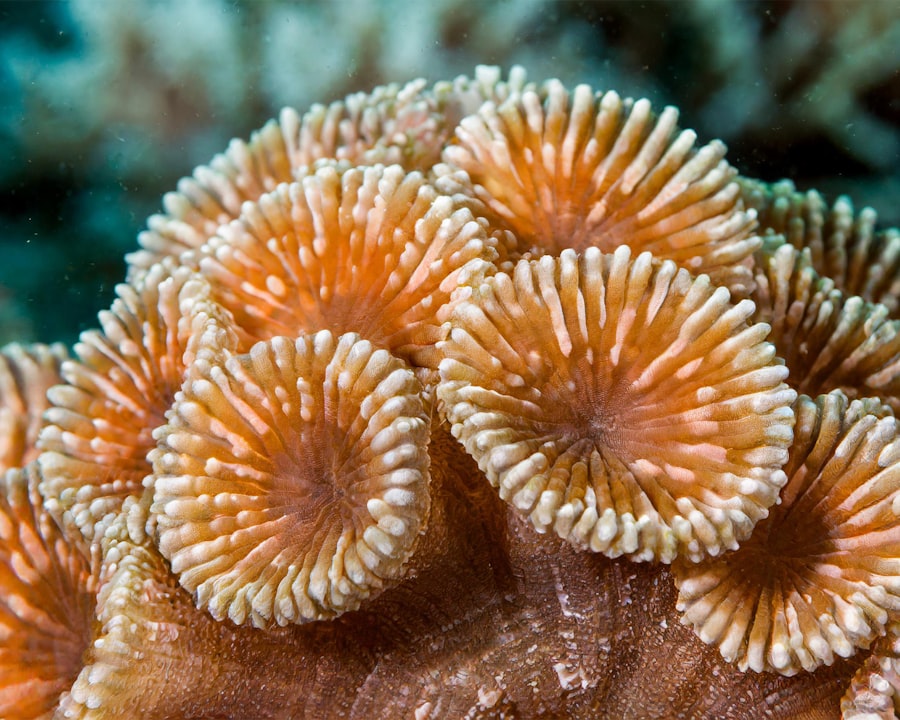
Deep-sea creatures exhibit an astonishing array of adaptations that enable them to thrive in one of the most inhospitable environments on Earth. One notable adaptation is bioluminescence, which many species use for various purposes such as attracting mates, luring prey, or deterring predators. The anglerfish is a prime example; it uses a bioluminescent lure to draw unsuspecting prey close enough for capture.
Another remarkable adaptation seen among deep-sea organisms is their ability to withstand immense pressure. Many species possess flexible bodies and specialized cellular structures that prevent their tissues from collapsing under high pressure.
For instance, certain fish have evolved unique swim bladders that allow them to maintain buoyancy without being crushed by the weight of water above them. These adaptations underscore the incredible resilience of life and its capacity to thrive under conditions that would be lethal to most terrestrial organisms.
Potential Adaptations of Deep Sea Life on Europa
If life exists in Europa’s deep ocean, it would likely exhibit adaptations tailored specifically to its unique environment. Given the moon’s icy surface and potential reliance on chemosynthesis for energy, organisms may evolve mechanisms to extract nutrients from their surroundings efficiently. For example, extremophiles on Earth have developed specialized enzymes that function optimally at low temperatures and high pressures; similar adaptations could be expected in any microbial life forms found on Europa.
Additionally, if Europa’s ocean contains high levels of salts or other minerals due to interactions with its rocky seafloor, potential life forms might develop unique biochemical pathways to utilize these resources effectively. The ability to withstand radiation from Jupiter’s intense magnetic field could also drive evolutionary changes; organisms may evolve protective mechanisms or repair systems that allow them to thrive despite exposure to harmful radiation levels.
Challenges of Exploring Earth’s Deep Sea
Exploring Earth’s deep sea presents numerous challenges that have historically hindered scientific research in this vast frontier. One significant obstacle is the sheer depth and pressure encountered at great oceanic depths; submersibles must be engineered to withstand crushing pressures while providing researchers with a safe environment for observation and data collection. The technical complexities involved in designing such vehicles require substantial investment and innovation.
Moreover, the logistics of deep-sea exploration are daunting. Accessing remote locations often necessitates extensive planning and coordination among multidisciplinary teams. The costs associated with deep-sea expeditions can be prohibitive, limiting opportunities for research and discovery.
Additionally, the unpredictable nature of ocean currents and weather conditions can complicate missions further, making it challenging for scientists to gather comprehensive data about these elusive ecosystems.
Challenges of Exploring Europa’s Deep Sea
The exploration of Europa’s deep sea poses even greater challenges than those faced in Earth’s oceans. First and foremost is the distance; Europa is located approximately 628 million kilometers from Earth, making any mission a monumental undertaking requiring advanced technology and significant resources. Current spacecraft technology must be adapted or developed specifically for this purpose, which presents both engineering challenges and financial considerations.
Furthermore, accessing Europa’s subsurface ocean requires penetrating its thick icy crust—a task fraught with uncertainty. Scientists must devise methods for safely drilling through ice while ensuring that any potential contamination from Earth does not compromise the search for extraterrestrial life. Additionally, communication delays due to the vast distance between Earth and Europa complicate mission planning and execution; signals can take over 30 minutes to travel one way between the two celestial bodies.
Implications for the Search for Extraterrestrial Life
The exploration of both Earth’s deep sea and Europa’s potential ocean has profound implications for humanity’s understanding of life’s existence beyond our planet. Discoveries made in Earth’s depths can inform scientists about how life adapts to extreme environments—knowledge that is directly applicable when considering extraterrestrial habitats like those on Europa or other celestial bodies with subsurface oceans. Moreover, finding evidence of life on Europa would revolutionize our understanding of biology and evolution across different environments.
It would suggest that life may not be as rare as once thought but rather a common occurrence throughout the universe wherever conditions permit. This realization could reshape humanity’s perspective on its place within the cosmos and inspire further exploration of other potentially habitable worlds.
The Fascinating World of Deep Sea Life on Earth and Europa
The exploration of deep sea life on Earth offers a glimpse into one of nature’s most extraordinary realms—a world filled with bizarre creatures and complex ecosystems that thrive under extreme conditions. As scientists continue their efforts to understand these depths, they uncover not only new species but also vital insights into ecological dynamics and evolutionary processes. Simultaneously, the potential for life on Europa invites humanity to consider broader questions about existence beyond our planet.
By studying both Earth’s deep sea and Europa’s subsurface ocean, researchers are not only expanding our knowledge of biology but also laying the groundwork for future explorations that may one day answer the age-old question: Are we alone in the universe? The journey into these uncharted territories promises to reveal wonders beyond imagination while reminding humanity of its responsibility to protect our own planet’s fragile ecosystems as we reach for the stars.
Exploring the mysteries of deep-sea life on Earth offers intriguing parallels to the potential for life on Europa, one of Jupiter’s moons. The extreme conditions found in Earth’s deep oceans, such as high pressure, low temperatures, and complete darkness, mirror the hypothesized environment beneath Europa’s icy crust. Scientists are particularly interested in the hydrothermal vents on Earth’s ocean floor, which support diverse ecosystems without sunlight, suggesting that similar life forms could exist in Europa’s subsurface ocean. For a deeper dive into the fascinating world of deep-sea exploration and its implications for extraterrestrial life, you can read more on this topic by visiting this related article.
WATCH THIS! The Secret Ocean of Europa: Why NASA is Hunting for Alien Life Beneath the Ice
FAQs
What is deep sea life on Earth?
Deep sea life on Earth refers to the organisms that live in the deep ocean, typically below 200 meters. These organisms have adapted to extreme conditions such as high pressure, low temperatures, and limited food sources.
What is Europa?
Europa is one of Jupiter’s moons and is considered to be one of the most likely places to find extraterrestrial life in our solar system. It has a subsurface ocean beneath its icy crust, which makes it a potential habitat for life.
How does deep sea life on Earth compare to potential life on Europa?
Deep sea life on Earth has adapted to extreme conditions such as high pressure, low temperatures, and limited food sources. Potential life on Europa would also have to adapt to similar conditions, as well as the presence of radiation from Jupiter’s magnetic field.
What are some examples of deep sea life on Earth?
Examples of deep sea life on Earth include deep-sea fish, giant tube worms, deep-sea corals, and various types of bacteria and microorganisms.
What are the potential implications of finding life on Europa?
Finding life on Europa would have significant implications for our understanding of the potential for life beyond Earth. It could also provide insights into the conditions necessary for life to exist in other parts of the universe.