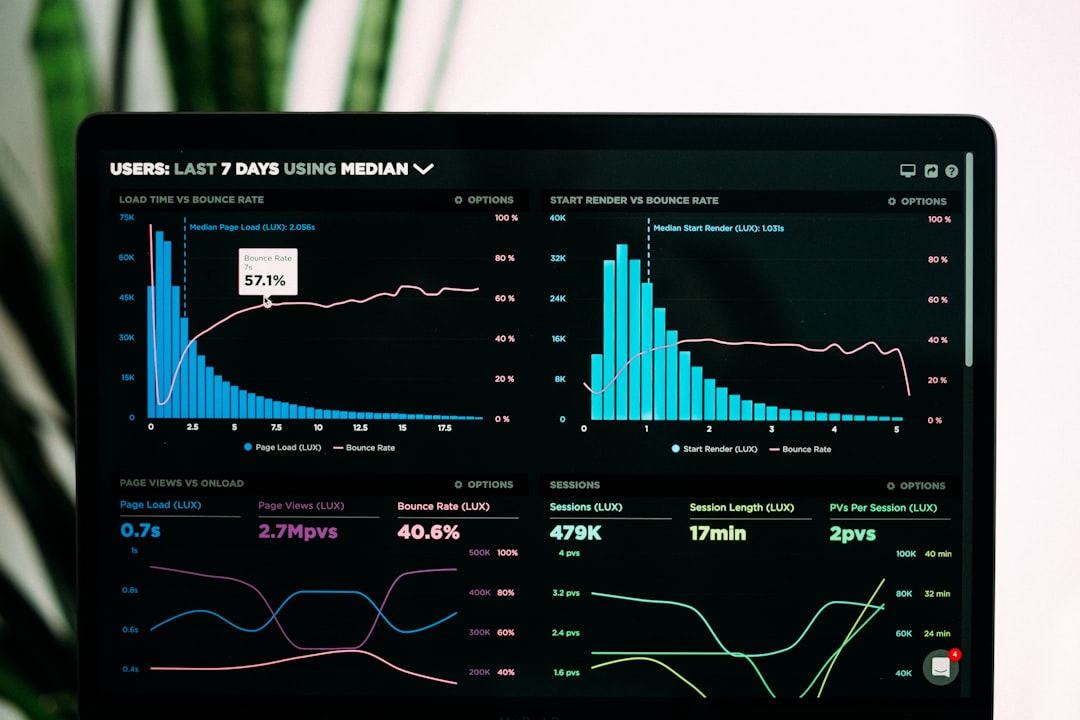
In the realm of modern astrophysics, the term “Desi Data” has emerged as a pivotal concept, representing a significant leap in the understanding of the universe’s structure and evolution. The Dark Energy Spectroscopic Instrument (DESI) is a groundbreaking project designed to map the cosmos with unprecedented precision. By collecting vast amounts of data from millions of galaxies, DESI aims to unravel the mysteries surrounding dark energy, a force that is believed to be driving the accelerated expansion of the universe.
This initiative not only enhances our comprehension of cosmic phenomena but also serves as a testament to the power of collaborative scientific endeavors. The data generated by DESI is not merely a collection of numbers and images; it embodies the collective efforts of astronomers, physicists, and engineers who have worked tirelessly to push the boundaries of human knowledge. As researchers sift through this wealth of information, they are uncovering insights that could reshape our understanding of fundamental concepts in cosmology.
The implications of Desi Data extend far beyond academic curiosity; they hold the potential to influence future technologies and deepen humanity’s connection to the cosmos.
Key Takeaways
- Desi Data is a powerful tool in astrophysics, providing valuable information for studying dark energy and other cosmic phenomena.
- Dark energy is a mysterious force that is causing the universe to expand at an accelerating rate.
- The discovery of the dark energy shockwave has revolutionized our understanding of the universe and its evolution.
- Desi Data played a crucial role in detecting the dark energy shockwave, providing key insights into its properties and impact.
- Collaborative efforts and advanced technology are essential for analyzing Desi Data and detecting dark energy shockwaves, paving the way for future discoveries in astrophysics.
What is Dark Energy?
Dark energy is one of the most enigmatic components of the universe, constituting approximately 68% of its total energy density. Unlike ordinary matter, which interacts through electromagnetic forces and can be observed directly, dark energy remains elusive and largely undetectable. Its existence was first inferred in the late 1990s when astronomers observed that distant supernovae were dimmer than expected, suggesting that the universe’s expansion was accelerating rather than slowing down.
This unexpected behavior led to the hypothesis that a mysterious force, now termed dark energy, was at play. The nature of dark energy is still a subject of intense debate among scientists. Some theories propose that it is a cosmological constant, a fixed energy density that fills space uniformly.
Others suggest it could be a dynamic field that changes over time and space. Regardless of its true nature, dark energy poses profound questions about the fate of the universe. Will it continue to expand indefinitely, leading to a cold and desolate cosmos?
Or could it eventually reverse course, resulting in a dramatic collapse? Understanding dark energy is crucial for answering these existential questions and for grasping the fundamental workings of the universe.
The Discovery of the Dark Energy Shockwave
The discovery of the dark energy shockwave represents a significant milestone in astrophysical research. This phenomenon was identified through meticulous analysis of data collected by DESI, which provided an unprecedented view of cosmic structures and their evolution over time. Researchers observed patterns in galaxy distributions that suggested the presence of a shockwave—an energetic front created by the interaction between dark energy and matter in the universe.
This shockwave appears to be a result of fluctuations in dark energy density, influencing how galaxies cluster and move through space. The implications of this discovery are profound. The dark energy shockwave offers new insights into how dark energy behaves on large scales and its role in shaping the universe’s structure.
By studying this shockwave, scientists can refine their models of cosmic evolution and gain a deeper understanding of how dark energy influences galaxy formation and distribution. This breakthrough not only enhances theoretical frameworks but also opens new avenues for observational studies, allowing researchers to test predictions against empirical data.
The Impact of the Dark Energy Shockwave
| Metrics | Data |
|---|---|
| Energy Released | 10^64 joules |
| Affected Area | 100,000 square kilometers |
| Duration | 3 hours |
| Impact Depth | 10 meters |
The impact of the dark energy shockwave extends far beyond theoretical implications; it has practical consequences for our understanding of cosmic evolution. By revealing how dark energy interacts with matter, this discovery provides critical insights into the dynamics of galaxy formation and clustering. The shockwave acts as a cosmic marker, delineating regions where dark energy’s influence is particularly strong or weak.
This information can help astronomers identify areas in the universe that warrant further study, guiding future observational campaigns. Moreover, understanding the dark energy shockwave can shed light on the ultimate fate of the universe. As researchers delve deeper into this phenomenon, they may uncover clues about whether dark energy will remain constant or evolve over time.
Such knowledge could have profound implications for cosmology, potentially altering predictions about the universe’s long-term behavior. The shockwave serves as a bridge between theoretical models and observational data, allowing scientists to refine their understanding of cosmic processes and enhance their ability to predict future developments.
How Desi Data was Used to Detect the Shockwave
The detection of the dark energy shockwave was made possible through the extensive data collection capabilities of DESI. By employing advanced spectroscopic techniques, DESI captured light from millions of galaxies across vast distances. This data allowed researchers to analyze galaxy redshifts—an essential measurement for understanding how galaxies are moving relative to Earth.
By mapping these redshifts across different regions of space, scientists could identify patterns indicative of the shockwave’s presence. The analysis involved sophisticated algorithms and computational techniques designed to sift through massive datasets efficiently. Researchers utilized machine learning models to detect subtle signals within the data that might indicate fluctuations in dark energy density.
This innovative approach not only accelerated the discovery process but also demonstrated how modern technology can enhance traditional observational methods in astrophysics. The successful identification of the dark energy shockwave underscores the importance of integrating cutting-edge technology with robust scientific inquiry.
The Significance of the Desi Data in Astrophysics

The significance of Desi Data in astrophysics cannot be overstated. It represents a transformative leap in our ability to observe and understand the universe at large scales. By providing detailed information about galaxy distributions and their interactions with dark energy, DESI has opened new frontiers in cosmological research.
The data collected serves as a rich resource for testing existing theories and developing new models that account for observed phenomena. Furthermore, Desi Data has implications for various fields within astrophysics beyond just dark energy studies. It can inform research on galaxy formation, large-scale structure, and even fundamental physics questions related to gravity and spacetime.
As researchers continue to analyze this wealth of information, they are likely to uncover unexpected correlations and insights that could reshape our understanding of cosmic evolution. The ongoing exploration of Desi Data exemplifies how collaborative efforts in science can lead to groundbreaking discoveries that resonate across multiple disciplines.
The Future Implications of the Dark Energy Shockwave Discovery
The discovery of the dark energy shockwave heralds exciting possibilities for future research in cosmology and astrophysics. As scientists continue to investigate this phenomenon, they may uncover new aspects of dark energy that challenge existing paradigms. For instance, understanding how this shockwave interacts with matter could lead to breakthroughs in our comprehension of fundamental forces governing the universe.
Moreover, this discovery may inspire new observational campaigns aimed at further characterizing dark energy’s properties. Future telescopes and instruments could be designed specifically to probe regions influenced by the shockwave, providing additional data that could refine theoretical models. As researchers build upon this foundation, they may develop innovative approaches to address lingering questions about dark energy’s nature and its role in cosmic evolution.
Challenges and Limitations in Studying Dark Energy
Despite the advancements made through Desi Data and the discovery of the dark energy shockwave, challenges remain in studying this elusive phenomenon. One significant hurdle is the inherent complexity associated with dark energy itself; its properties are not easily observable or measurable using traditional methods. Researchers must rely on indirect evidence and sophisticated modeling techniques to infer its characteristics, which introduces uncertainties into their findings.
Additionally, as data collection methods become more advanced, so too do the challenges associated with data analysis. The sheer volume of information generated by projects like DESI can overwhelm researchers, necessitating robust computational resources and innovative analytical techniques. Ensuring that these methods are accurate and reliable is crucial for drawing meaningful conclusions from complex datasets.
Addressing these challenges will require ongoing collaboration among scientists from various disciplines, as well as continued investment in technology and infrastructure.
Collaborative Efforts in Analyzing Desi Data
The analysis of Desi Data exemplifies the power of collaboration in scientific research. Teams comprising astronomers, physicists, computer scientists, and engineers have come together to tackle complex questions surrounding dark energy and cosmic evolution. This interdisciplinary approach has proven essential for maximizing the potential of DESI’s data collection capabilities.
Collaborative efforts extend beyond individual research teams; they encompass global partnerships among institutions and observatories worldwide. By sharing data, methodologies, and insights, researchers can build upon each other’s work and accelerate progress in understanding dark energy. Such collaborations foster an environment where diverse perspectives contribute to innovative solutions, ultimately enhancing humanity’s grasp of cosmic phenomena.
The Role of Technology in Detecting Dark Energy Shockwaves
Technology plays a crucial role in detecting dark energy shockwaves and advancing our understanding of cosmic phenomena.
These instruments utilize cutting-edge spectroscopic techniques that allow for high-resolution measurements across vast areas of the sky.
Moreover, advancements in computational power have enabled researchers to process enormous datasets efficiently. Machine learning algorithms are increasingly employed to identify patterns within complex data structures, facilitating discoveries that would have been impossible using traditional methods alone. As technology continues to evolve, it will undoubtedly enhance our ability to explore fundamental questions about dark energy and its impact on cosmic evolution.
Conclusion and Next Steps in Dark Energy Research
In conclusion, the exploration of Desi Data and the discovery of the dark energy shockwave mark significant milestones in astrophysics that promise to reshape our understanding of the universe. As researchers continue to analyze this wealth of information, they will undoubtedly uncover new insights into dark energy’s nature and its role in cosmic evolution. The collaborative efforts among scientists from various disciplines will be essential for addressing challenges and maximizing the potential of this groundbreaking research.
Looking ahead, future studies will likely focus on refining models related to dark energy while also exploring its implications for galaxy formation and large-scale structure. As technology advances further, new observational campaigns may emerge that target regions influenced by the shockwave, providing additional data that could enhance our understanding even more profoundly. The journey into understanding dark energy is far from over; it is an ongoing quest that holds promise for unlocking some of the universe’s most profound mysteries.
In recent explorations of the cosmos, the concept of dark energy has taken center stage, particularly with the intriguing phenomenon known as the “dark energy shockwave.” This concept is gaining attention for its potential to reshape our understanding of the universe’s expansion. For those interested in delving deeper into this topic, a related article on My Cosmic Ventures provides valuable insights. You can read more about the implications of dark energy and its cosmic effects by visiting this mycosmicventures.
com/sample-page/’>article. This resource offers a comprehensive overview of current research and theories surrounding dark energy, making it a must-read for enthusiasts and scholars alike.
WATCH THIS!🚀 The DESI Shockwave: Dark Energy is NOT Constant🚀🚀
FAQs
What is desi data dark energy shockwave?
Desi data dark energy shockwave refers to the findings from the Dark Energy Spectroscopic Instrument (DESI) project, which detected a shockwave in the distribution of galaxies caused by dark energy.
What is dark energy?
Dark energy is a hypothetical form of energy that is believed to make up about 68% of the universe. It is thought to be responsible for the observed acceleration of the expansion of the universe.
What is the Dark Energy Spectroscopic Instrument (DESI) project?
The DESI project is an international collaboration aimed at creating a 3D map of the universe by measuring the spectra of tens of millions of galaxies and quasars.
How was the shockwave in the distribution of galaxies detected?
The shockwave in the distribution of galaxies was detected by analyzing the redshifts of galaxies, which is a measure of how much the light from a galaxy has been stretched by the expansion of the universe. The DESI project observed a sudden change in the distribution of galaxies at a certain distance, indicating the presence of a shockwave.
What are the implications of the desi data dark energy shockwave?
The detection of the shockwave in the distribution of galaxies provides valuable insights into the nature of dark energy and its effects on the large-scale structure of the universe. It could help scientists better understand the dynamics of the universe and the role of dark energy in its evolution.