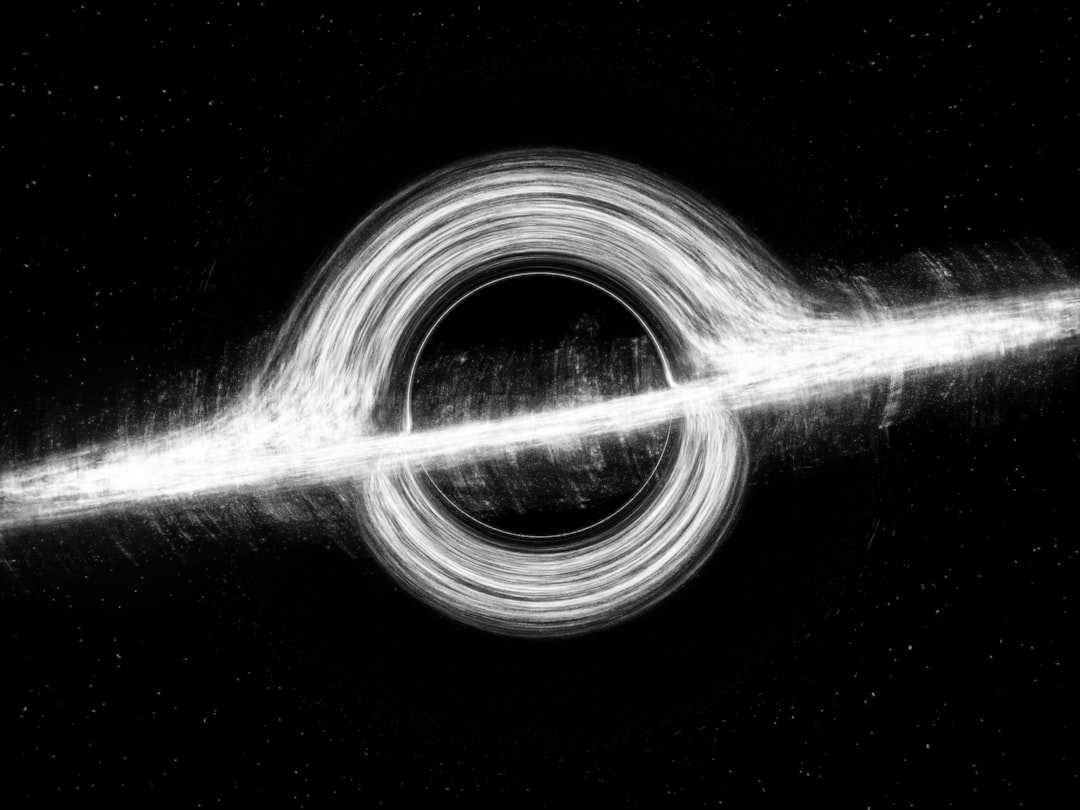
Interstellar objects, those celestial bodies that traverse the vast expanses of space between stars, have captivated the attention of astronomers and scientists alike. These enigmatic entities, which include comets, asteroids, and other fragments of cosmic debris, offer a unique glimpse into the processes that govern the formation and evolution of planetary systems. The movement of these objects is not merely a subject of academic interest; it holds profound implications for understanding the dynamics of our galaxy and the universe at large.
As they journey through the interstellar medium, these objects can provide critical data about the conditions and materials present in regions far beyond our solar system. The study of interstellar object movement has gained momentum in recent years, particularly following the detection of ‘Oumuamua in 2017, the first known interstellar object to pass through our solar system. This unprecedented event sparked a flurry of research aimed at unraveling the mysteries surrounding such objects.
Scientists are now more equipped than ever to track their trajectories and analyze their characteristics, leading to a deeper understanding of their origins and potential impacts on Earth. As technology advances, the ability to monitor these celestial travelers will only improve, paving the way for new discoveries in the field of astrophysics. Why Did NASA Hide 3i Atlas
Key Takeaways
- Interstellar objects are celestial bodies that originate from outside our solar system and travel through space.
- Interstellar objects exhibit unique characteristics such as unusual shapes, high speeds, and varying compositions.
- Tracking interstellar object movement involves using telescopes, radar, and other advanced technologies to monitor their trajectories and velocities.
- Theories on interstellar object origins include ejection from other star systems, planetary collisions, and gravitational interactions.
- Interstellar objects can travel at incredibly high speeds and follow trajectories that are influenced by gravitational forces from nearby celestial bodies.
Characteristics of Interstellar Objects
Interstellar objects exhibit a diverse range of characteristics that set them apart from their solar system counterparts. One of the most striking features is their high velocity; these objects often travel at speeds that exceed those of typical asteroids or comets found within the solar system. This rapid movement is a result of their origins in other star systems, where they were ejected due to gravitational interactions or collisions.
The speed at which they travel can provide valuable insights into their formation and the dynamics of their home systems. In addition to their velocity, interstellar objects often display unique physical properties. For instance, ‘Oumuamua was noted for its elongated shape and unusual brightness, leading to various hypotheses about its composition and structure.
Some researchers speculate that it may be a fragment of a larger body, while others propose that it could be a type of hydrogen ice or even a remnant from a distant exoplanetary system. The diversity in size, shape, and composition among interstellar objects suggests that they are not a homogenous group but rather a collection of remnants from various stellar environments.
Methods of Tracking Interstellar Object Movement
Tracking the movement of interstellar objects requires sophisticated observational techniques and advanced technology. Astronomers utilize a combination of ground-based telescopes and space-based observatories to monitor these fast-moving entities as they traverse the solar system. The use of radar observations has proven particularly effective in determining the trajectory and velocity of these objects, allowing scientists to predict their paths with greater accuracy.
In addition to radar, optical telescopes play a crucial role in tracking interstellar objects. By capturing images over time, astronomers can detect changes in position and brightness, which can indicate an object’s distance and speed. Furthermore, advancements in artificial intelligence and machine learning have enhanced the ability to analyze vast amounts of data quickly, enabling researchers to identify potential interstellar objects more efficiently.
As technology continues to evolve, the methods for tracking these celestial wanderers will become increasingly refined, leading to more comprehensive studies.
Theories on Interstellar Object Origins
| Theories | Description |
|---|---|
| Interstellar Origin | Some scientists believe that interstellar objects originate from outside our solar system, traveling through space and passing through our solar system. |
| Fragmented Planetary Bodies | Another theory suggests that interstellar objects are fragments of planetary bodies that were ejected from their original solar systems. |
| Failed Planets | There is also a hypothesis that interstellar objects could be failed planets or planetesimals that never fully formed into a proper planet. |
| Artificial Origin | Some have even speculated that interstellar objects could be artificial in nature, potentially being remnants of advanced alien technology. |
The origins of interstellar objects remain a topic of intense debate among scientists. One prevailing theory suggests that these bodies are remnants from protoplanetary disks around young stars. In this scenario, gravitational interactions within these disks can lead to the ejection of material into interstellar space.
This process may occur during the early stages of planetary formation when bodies collide and merge, resulting in fragments that are eventually expelled from their home systems. Another theory posits that interstellar objects could originate from more mature systems where gravitational perturbations or stellar encounters lead to the ejection of material. In this context, interactions between stars can disrupt the orbits of planets and smaller bodies, sending them hurtling into the void between stars.
This theory highlights the dynamic nature of stellar environments and underscores the complexity involved in understanding how interstellar objects come to be.
Speed and Trajectory of Interstellar Objects
The speed and trajectory of interstellar objects are critical factors that influence their behavior as they navigate through space.
This means that they are not gravitationally bound to the Sun and will eventually exit the solar system after their brief visit.
The velocities of these objects can vary significantly; for instance, ‘Oumuamua was recorded traveling at approximately 315,000 kilometers per hour (196,000 miles per hour). Such high speeds pose challenges for observation and analysis but also provide opportunities for studying their physical properties and origins. Understanding the trajectories of these objects is essential for predicting their future paths and assessing any potential risks they may pose to Earth or other celestial bodies.
Effects of Gravitational Forces on Interstellar Objects
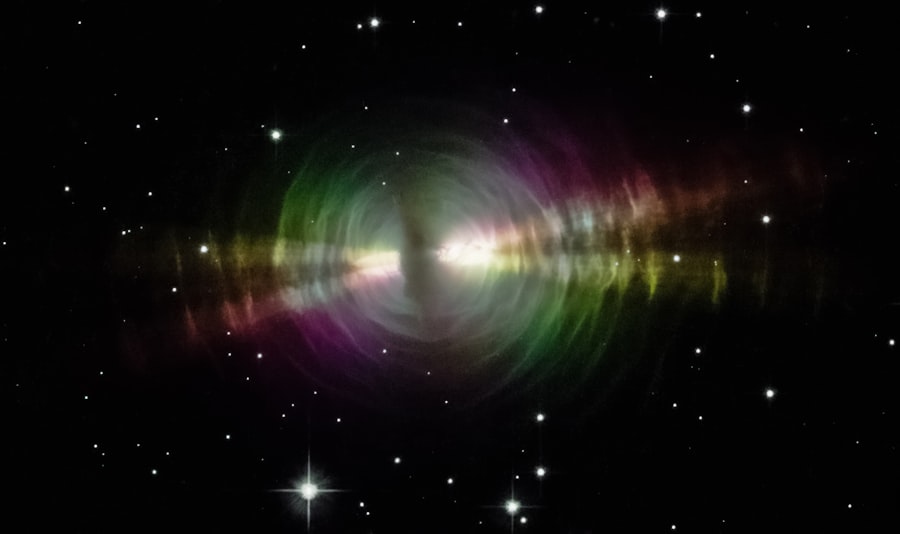
Gravitational forces play a pivotal role in shaping the movement and behavior of interstellar objects as they traverse different regions of space. When an interstellar object approaches a massive body like a star or planet, it experiences gravitational influences that can alter its trajectory significantly.
Moreover, gravitational interactions can also result in fragmentation or disintegration of interstellar objects. As they pass close to larger celestial bodies, tidal forces may cause stress on their structure, potentially leading to breakups or changes in composition. These effects underscore the importance of understanding gravitational dynamics when studying interstellar objects and highlight how their journeys can be influenced by the gravitational landscape they encounter.
Interactions with Solar Radiation
As interstellar objects enter the solar system, they encounter solar radiation that can have significant effects on their physical properties and behavior. The intense radiation emitted by the Sun can lead to heating and sublimation of volatile materials present on the surface of these objects. This process can result in changes in brightness and composition as gases are released into space.
Additionally, solar radiation pressure can influence an object’s trajectory as it travels through the solar system. This force acts on the surface area exposed to sunlight and can alter an object’s path over time. Understanding how solar radiation interacts with interstellar objects is crucial for predicting their behavior and potential impacts on other celestial bodies within our solar system.
Potential Impacts on Earth from Interstellar Objects
The potential impacts of interstellar objects on Earth are a subject of considerable concern among scientists and researchers. While most interstellar objects pass through our solar system without incident, there remains a possibility that one could collide with Earth or another celestial body. Such an event could have catastrophic consequences depending on the size and composition of the object.
The likelihood of an impact is relatively low given the vastness of space; however, understanding the potential risks is essential for planetary defense strategies. Researchers are actively studying past impact events to assess their effects on Earth’s environment and life forms. By analyzing data from meteorites and other remnants, scientists aim to develop models that predict how future interstellar impacts could affect our planet.
Future Missions to Study Interstellar Object Movement
As interest in interstellar objects continues to grow, future missions are being planned to enhance our understanding of these fascinating entities. Space agencies around the world are considering missions that would involve sending spacecraft to intercept or closely observe interstellar objects as they pass through our solar system. Such missions could provide invaluable data about their composition, structure, and origins.
One proposed mission involves sending a probe to study ‘Oumuamua-like objects in detail. By gathering information about their physical properties and chemical makeup, scientists hope to gain insights into the conditions present in other star systems. These missions would not only advance knowledge about interstellar objects but also contribute to broader questions regarding planetary formation and evolution across the galaxy.
Implications for Understanding the Universe
The study of interstellar object movement has far-reaching implications for understanding the universe as a whole. By examining these celestial wanderers, scientists can glean insights into the processes that govern star formation, planetary development, and even the potential for life beyond Earth. The data collected from interstellar objects can help refine models of galactic evolution and provide context for our place within the cosmos.
Furthermore, understanding interstellar object dynamics may shed light on fundamental questions about dark matter and dark energy—two enigmatic components that constitute much of the universe’s mass-energy content. As researchers continue to explore these topics through observations and theoretical models, they may uncover new connections between interstellar phenomena and broader cosmological principles.
Conclusion and Future Research Directions
In conclusion, interstellar object movement represents a captivating frontier in astrophysics that holds immense potential for discovery. As scientists continue to refine tracking methods and develop new missions aimed at studying these celestial travelers, our understanding of their characteristics, origins, and implications will undoubtedly deepen. The ongoing exploration of interstellar objects not only enhances knowledge about our own solar system but also contributes to broader inquiries regarding the nature of the universe itself.
Future research directions will likely focus on improving observational techniques and expanding collaborative efforts among international space agencies. By pooling resources and expertise, researchers can enhance their ability to monitor interstellar objects effectively while also addressing potential risks associated with impacts on Earth. As technology advances and new discoveries emerge, humanity stands poised at the threshold of unlocking further mysteries hidden within the cosmos—mysteries that may ultimately redefine our understanding of existence itself.
For those interested in the fascinating dynamics of interstellar object movement, a related article can be found on My Cosmic Ventures. This resource delves into the mechanics and theories surrounding the trajectories of these celestial wanderers, providing insights into their origins and behaviors. You can read more about it in the article [here](https://www.mycosmicventures.com/).
WATCH THIS! Why NASA Hid the 3I/ATLAS Anomaly
FAQs
What is an interstellar object?
An interstellar object is an astronomical object that originates from outside the solar system and travels through interstellar space.
How do interstellar objects move through space?
Interstellar objects move through space under the influence of gravity, just like other celestial bodies. They follow trajectories determined by the gravitational forces of nearby stars and other objects.
What was the first known interstellar object to visit our solar system?
The first known interstellar object to visit our solar system was named ‘Oumuamua. It was discovered in 2017 and passed through our solar system at a high speed.
How do scientists track the movement of interstellar objects?
Scientists track the movement of interstellar objects using telescopes and other astronomical instruments. By observing the object’s position and trajectory over time, they can calculate its path through space.
What can the study of interstellar object movement tell us about the universe?
Studying the movement of interstellar objects can provide valuable insights into the dynamics of interstellar space and the processes that govern the movement of celestial bodies. It can also help scientists better understand the origins and evolution of the universe.