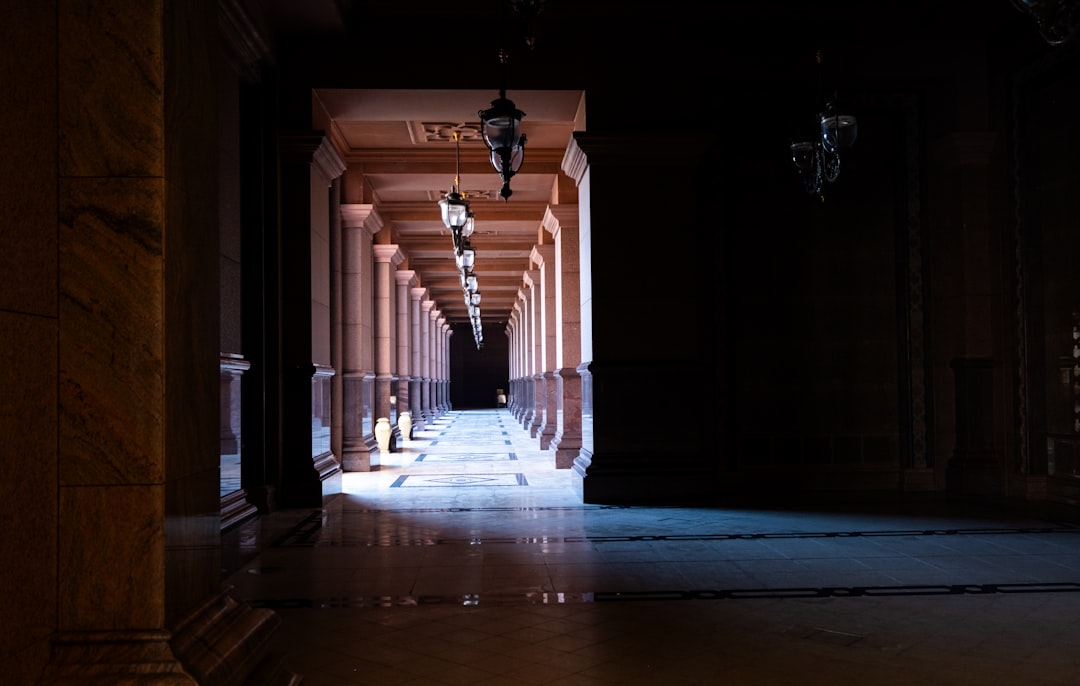
When considering daily navigational spaces, corridors are essential yet often overlooked elements. These transitional areas significantly impact building functionality and aesthetics. Corridors function as structural arteries, directing movement and connecting spaces.
Effective corridor design enhances traffic flow, minimizes congestion, and creates comfortable passage. The layout of corridors substantially influences user experience across various buildings, including educational institutions, workplaces, and healthcare facilities. Corridor design extends beyond mere practicality to affect occupants’ emotional and psychological states.
Thoughtful design promotes comfort and security, while poor design may generate disorientation and annoyance.
Recognizing corridor design importance is fundamental to creating spaces that balance functionality with positive experiential qualities.
Key Takeaways
- Effective corridor design enhances movement, safety, and user experience in built environments.
- Integrating natural light, airflow, and aesthetic elements improves comfort and visual appeal.
- Accessibility and universal design ensure inclusivity for all users.
- Technology and safety measures optimize corridor functionality and security.
- Continuous stakeholder engagement and evaluation support adaptive and successful design outcomes.
Understanding Human Movement Patterns
To create effective corridors, it is vital to understand how people move through spaces. Human movement patterns are influenced by various factors, including social interactions, cultural norms, and even the purpose of the building. For instance, in a busy office environment, you may notice that employees tend to take the most direct route to their destinations, often leading to high traffic in certain areas.
By observing these patterns, designers can create corridors that accommodate natural movement flows, reducing bottlenecks and enhancing overall efficiency. Additionally, understanding human behavior extends beyond mere movement; it encompasses how individuals interact with their surroundings. You might find that people tend to gravitate toward areas that are visually appealing or offer opportunities for social interaction.
By incorporating elements that encourage engagement—such as seating areas or art displays—designers can create corridors that not only facilitate movement but also foster community and connection among users.
Utilizing Natural Light and Airflow
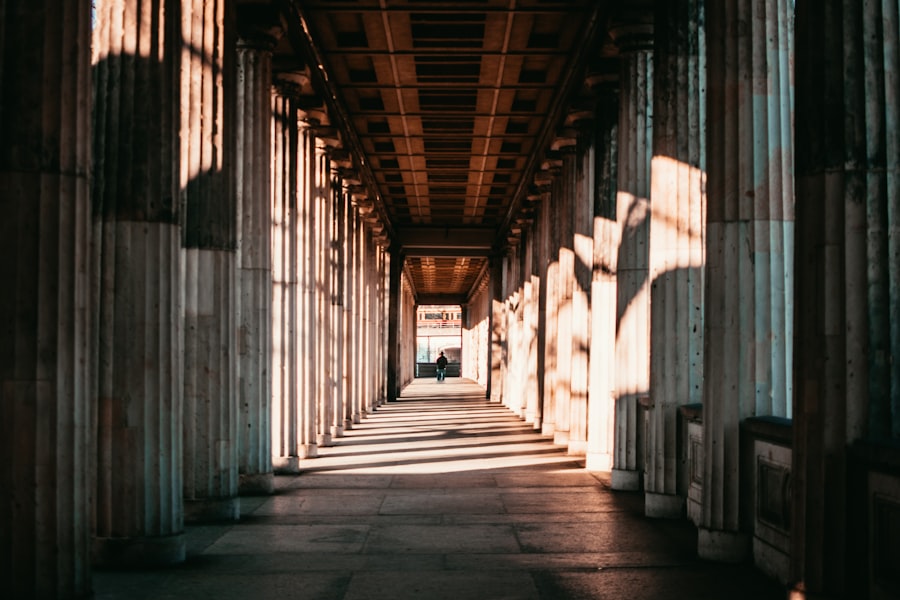
One of the most effective ways to enhance corridor design is through the strategic use of natural light and airflow. You may have experienced the uplifting effect of sunlight streaming through windows or the refreshing sensation of a gentle breeze in an otherwise enclosed space. By maximizing natural light and ventilation in corridors, designers can create environments that feel more open and inviting.
This approach not only improves the aesthetic quality of the space but also contributes to the overall health and well-being of its occupants. Incorporating large windows or skylights can significantly brighten a corridor, making it feel less like a mere passageway and more like an integral part of the building. Additionally, ensuring proper airflow through open designs or strategically placed vents can help maintain comfortable temperatures and improve air quality.
As you navigate these spaces, you will likely appreciate the difference that natural elements can make in creating a pleasant atmosphere.
Incorporating Functional and Aesthetic Elements
A successful corridor design strikes a balance between functionality and aesthetics. While it is essential for corridors to serve their primary purpose—facilitating movement—they should also be visually appealing. You might find that corridors adorned with artwork, greenery, or unique architectural features can transform an otherwise mundane passage into an engaging experience.
By integrating functional elements such as seating areas or information kiosks with aesthetic touches, designers can create spaces that are both practical and enjoyable. Moreover, the choice of materials plays a significant role in achieving this balance. You may notice that certain materials evoke specific feelings or associations; for example, warm wood tones can create a sense of comfort, while sleek metal finishes may convey modernity.
By carefully selecting materials that align with the intended atmosphere of the corridor, designers can enhance both its functionality and visual appeal.
Addressing Accessibility and Universal Design
| Metric | Description | Target Value | Measurement Method |
|---|---|---|---|
| Corridor Width | Optimal width to accommodate pedestrian and vehicular traffic comfortably | 3-5 meters for pedestrian corridors; 7-12 meters for mixed-use corridors | Physical measurement and user flow analysis |
| Lighting Level | Illumination intensity to ensure safety and visibility | 100-200 lux for pedestrian corridors | Light meter readings during night hours |
| Wayfinding Signage Density | Number of directional signs per 100 meters | 3-5 signs per 100 meters | Visual inspection and mapping |
| Accessibility Compliance | Percentage of corridor features meeting ADA or equivalent standards | 100% | Accessibility audit |
| Greenery Coverage | Percentage of corridor area covered by plants or trees | 20-30% | Area measurement and vegetation survey |
| Noise Level | Ambient noise measured in decibels | Below 60 dB | Sound level meter readings |
| Pedestrian Flow Rate | Number of pedestrians passing per minute | Varies by corridor type; target to avoid congestion | Manual counting or video analysis |
| Safety Incident Rate | Number of accidents or incidents per 1,000 users | Less than 1 per 1,000 users | Incident reports and surveys |
In today’s world, accessibility is a fundamental consideration in any design project. As you navigate various spaces, you may encounter barriers that hinder movement for individuals with disabilities or mobility challenges. Therefore, incorporating universal design principles into corridor design is essential for creating inclusive environments.
This approach ensures that all individuals—regardless of their physical abilities—can navigate corridors with ease and dignity. Key elements of accessible corridor design include wide pathways for wheelchair users, tactile indicators for those with visual impairments, and strategically placed handrails for support. Additionally, incorporating elevators or ramps in multi-level buildings can further enhance accessibility.
By prioritizing universal design principles, you contribute to creating spaces that welcome everyone and promote equal access.
Creating Visual Interest and Wayfinding

As you move through a building, clear wayfinding is crucial for navigating unfamiliar environments. Corridors often serve as key navigational routes, making it essential to incorporate visual cues that guide individuals effectively. You might find that using color coding, signage, or distinct architectural features can help orient users within a space.
By creating visual interest through these elements, designers can enhance wayfinding while also making corridors more engaging. Incorporating art installations or interactive displays along corridors can further enrich the experience. These features not only provide visual stimulation but also serve as landmarks that aid in navigation.
As you explore different buildings, you may notice how well-designed wayfinding elements can transform your experience from one of confusion to one of clarity and enjoyment.
Implementing Technology for Efficiency
In an increasingly digital world, technology plays a vital role in enhancing corridor design. You may have encountered smart building systems that optimize lighting and climate control based on occupancy levels or time of day. By integrating technology into corridor design, you can create spaces that are not only more efficient but also responsive to user needs.
For instance, motion sensors can automatically adjust lighting as you move through a corridor, ensuring optimal visibility while conserving energy. Additionally, digital signage can provide real-time information about events or directions within the building. By embracing technological advancements in corridor design, you contribute to creating environments that are both modern and user-friendly.
Considering Safety and Security Measures
Safety is paramount in any design project, particularly when it comes to corridors that serve as primary thoroughfares within buildings. As you navigate these spaces, you may not always be aware of potential hazards or security concerns lurking in the background. Therefore, incorporating safety measures into corridor design is essential for ensuring peace of mind for all users.
Key considerations include adequate lighting to prevent accidents and surveillance systems to enhance security. You might also find that designing corridors with clear sightlines allows for better visibility and reduces feelings of vulnerability. By prioritizing safety in your design approach, you create environments where individuals feel secure as they move through shared spaces.
Balancing Privacy and Openness
In many settings—such as offices or educational institutions—there is often a delicate balance between privacy and openness within corridor design. You may appreciate open corridors that foster collaboration and communication among users; however, there are times when privacy is necessary for focused work or sensitive conversations. Striking this balance requires thoughtful consideration of layout and spatial organization.
Designers can achieve this by incorporating semi-private areas along corridors where individuals can engage in discussions without feeling exposed. Additionally, using partitions or sound-absorbing materials can help mitigate noise levels while maintaining an open feel. As you navigate these spaces, you will likely notice how well-designed corridors can facilitate both interaction and privacy seamlessly.
Engaging with Stakeholders for Feedback
The success of any corridor design ultimately hinges on understanding the needs and preferences of its users. Engaging with stakeholders—such as employees, students, or community members—during the design process is crucial for gathering valuable feedback. You may find that involving users early on leads to insights that significantly enhance the final outcome.
Conducting surveys or focus groups allows designers to gain a deeper understanding of how individuals interact with existing corridors and what improvements they envision. By actively listening to stakeholder input, you contribute to creating spaces that truly reflect the needs of those who will use them daily.
Evaluating and Adapting Design Solutions
Once a corridor design has been implemented, ongoing evaluation is essential for ensuring its effectiveness over time. As you navigate these spaces post-implementation, consider how well they meet user needs and whether any adjustments are necessary. Gathering feedback from users after they have experienced the new design can provide valuable insights into what works well and what could be improved.
Adaptability is key in corridor design; as user needs evolve or new technologies emerge, being open to change allows for continuous improvement. By regularly assessing the effectiveness of your designs and making necessary adjustments, you contribute to creating corridors that remain functional and relevant for years to come. In conclusion, corridor design is a multifaceted endeavor that requires careful consideration of various factors—from human movement patterns to safety measures and stakeholder engagement.
By prioritizing functionality while also embracing aesthetics and inclusivity, you can create corridors that enhance user experiences and contribute positively to the overall environment of any building.
In the quest to design better corridors that enhance both functionality and aesthetics, it’s essential to consider innovative approaches and insights. A related article that delves into effective corridor design strategies can be found at this link. This resource provides valuable information on how to create spaces that not only facilitate movement but also contribute to the overall ambiance of a building.
FAQs
What is a corridor in the context of design?
A corridor is a passageway or hallway that connects different rooms or areas within a building or structure. It serves as a transitional space for movement and access.
Why is designing better corridors important?
Designing better corridors improves safety, accessibility, and user experience. Well-designed corridors can enhance traffic flow, reduce congestion, and contribute to the overall aesthetics and functionality of a building.
What are key factors to consider when designing corridors?
Key factors include width, lighting, ventilation, accessibility for people with disabilities, safety features such as fire exits, and the use of materials that are durable and easy to maintain.
How can corridor design impact building safety?
Proper corridor design ensures clear evacuation routes during emergencies, minimizes hazards, and complies with building codes and safety regulations, thereby protecting occupants.
What role does lighting play in corridor design?
Lighting enhances visibility, safety, and ambiance. Adequate and well-placed lighting helps prevent accidents and creates a welcoming environment.
How can corridors be designed to be more accessible?
Corridors should have sufficient width for wheelchair users, smooth flooring, handrails where necessary, and clear signage to accommodate people with various mobility and sensory needs.
What materials are commonly used in corridor design?
Materials often include durable flooring like tile or vinyl, fire-resistant wall finishes, and non-slip surfaces to ensure safety and longevity.
Can corridor design influence energy efficiency?
Yes, incorporating natural light through windows or skylights and using energy-efficient lighting can reduce energy consumption in corridors.
How does corridor design affect user experience?
A well-designed corridor can reduce stress, improve wayfinding, and create a pleasant transition between spaces, enhancing overall satisfaction for building occupants.
Are there any standards or guidelines for corridor design?
Yes, building codes and standards such as the Americans with Disabilities Act (ADA) provide guidelines on corridor dimensions, accessibility, and safety requirements.