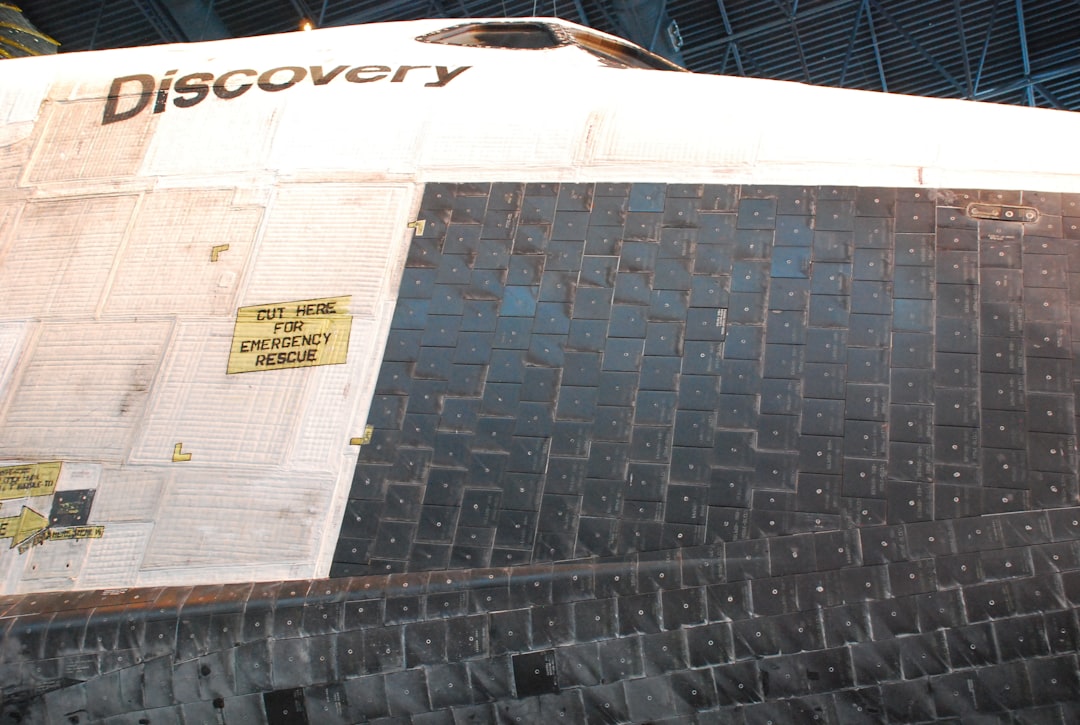
Space junk, often referred to as space debris, has emerged as a significant concern in the realm of space exploration and satellite operations. This term encompasses a wide array of defunct satellites, spent rocket stages, and fragments resulting from collisions or disintegration of spacecraft. As humanity’s ventures into space have increased, so too has the accumulation of these remnants, creating a hazardous environment in Earth’s orbit.
The proliferation of space junk poses a threat not only to operational satellites but also to future missions aimed at exploring the cosmos. The origins of space debris can be traced back to the early days of space exploration, with the launch of the first artificial satellite, Sputnik 1, in 1957. Since then, thousands of objects have been sent into orbit, and many have since become obsolete or have malfunctioned.
The problem has escalated dramatically over the decades, with estimates suggesting that there are millions of pieces of debris orbiting Earth today. This growing cloud of space junk raises critical questions about the sustainability of space activities and the long-term viability of Earth’s orbital environment.
Key Takeaways
- Space junk refers to the debris and defunct satellites orbiting Earth, posing a threat to operational spacecraft and satellites.
- Space junk can collide with active satellites, creating more debris and increasing the risk of further collisions, leading to a cascading effect known as the Kessler syndrome.
- Risks to satellites and spacecraft include damage, disruption of communication and navigation systems, and potential loss of valuable assets.
- Current methods of space junk removal include active debris removal, using nets, harpoons, and robotic arms, as well as passive methods such as increasing atmospheric drag to deorbit debris.
- Tracking and monitoring space junk is challenging due to the large number of objects, varying sizes, and the need for international cooperation and coordination.
Impact of Space Junk on Earth’s Orbit
The impact of space junk on Earth’s orbit is multifaceted and increasingly concerning. As the number of debris objects continues to rise, the likelihood of collisions between operational satellites and space junk increases correspondingly. Even small fragments, traveling at speeds exceeding 17,500 miles per hour, can cause catastrophic damage upon impact.
The consequences of such collisions can be dire, potentially leading to the creation of even more debris and exacerbating the existing problem. Moreover, the presence of space junk complicates the management of satellite operations. Operators must constantly monitor their satellites’ trajectories and make adjustments to avoid potential collisions with debris.
This not only increases operational costs but also places additional strain on resources that could otherwise be allocated to advancing technology or expanding services. The cumulative effect of these challenges could hinder future space exploration efforts and limit humanity’s ability to utilize space for scientific and commercial purposes.
Risks to Satellites and Spacecraft
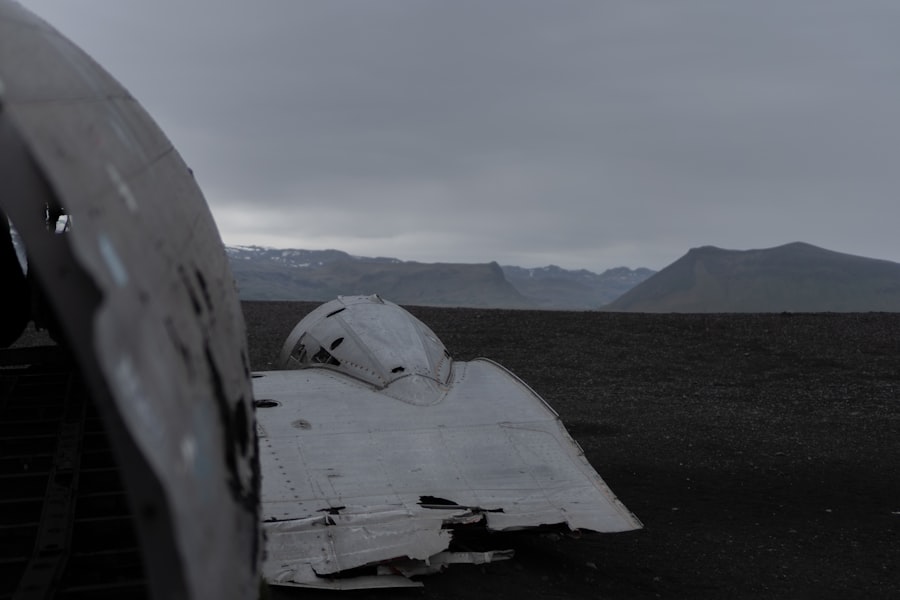
Satellites and spacecraft are particularly vulnerable to the threats posed by space junk. The risk of collision is a constant concern for satellite operators, who must navigate a treacherous environment filled with debris. A single collision can result in the loss of valuable assets, disrupt communication networks, and compromise scientific research.
The potential for damage is not limited to large pieces of debris; even tiny fragments can inflict significant harm due to their high velocities. In addition to direct collisions, space junk can also create secondary hazards. For instance, when a satellite is struck by debris, it may break apart and generate additional fragments that further contribute to the debris field.
This phenomenon, known as the Kessler Syndrome, poses a serious threat to the sustainability of low Earth orbit (LEO). As more satellites are launched and more debris accumulates, the risk of cascading collisions increases, potentially rendering certain orbits unusable for future missions.
Current Methods of Space Junk Removal
| Method | Description | Pros | Cons |
|---|---|---|---|
| Active Debris Removal | Using spacecraft to capture and remove space debris from orbit | Effective at removing large debris | Expensive and complex |
| Passive Debris Removal | Using materials that naturally degrade in orbit to remove debris | Low cost and low complexity | May not be effective for all types of debris |
| Space Sweeper | Using a satellite equipped with a net or harpoon to capture debris | Potentially cost-effective | Requires precise targeting and maneuvering |
In response to the growing threat of space junk, various methods for debris removal have been proposed and are currently under development. One approach involves using robotic arms or nets to capture larger pieces of debris and deorbit them safely. These systems aim to grapple with defunct satellites or spent rocket stages and guide them back into Earth’s atmosphere, where they would burn up upon re-entry.
Another innovative method being explored is the use of lasers to nudge debris out of orbit. By targeting specific pieces of junk with high-powered lasers from ground-based or orbital platforms, scientists hope to alter their trajectories enough to prevent potential collisions with operational satellites. While these methods are still in experimental stages, they represent promising avenues for addressing the pressing issue of space debris.
Challenges of Tracking and Monitoring Space Junk
Tracking and monitoring space junk presents a formidable challenge for scientists and engineers alike. The sheer volume of debris in orbit makes it difficult to maintain an accurate catalog of all objects, especially smaller fragments that may not be easily detectable. Current tracking systems rely on radar and optical telescopes to monitor larger pieces of debris, but many smaller objects remain elusive.
Additionally, the dynamic nature of Earth’s orbit complicates tracking efforts. Objects in orbit can change their trajectories due to gravitational influences from celestial bodies or collisions with other debris. This unpredictability necessitates constant updates to tracking data and requires sophisticated algorithms to predict potential collision courses accurately.
As the number of active satellites continues to grow, enhancing tracking capabilities will be essential for ensuring the safety and sustainability of space operations.
Technical and Logistical Challenges of Space Junk Removal
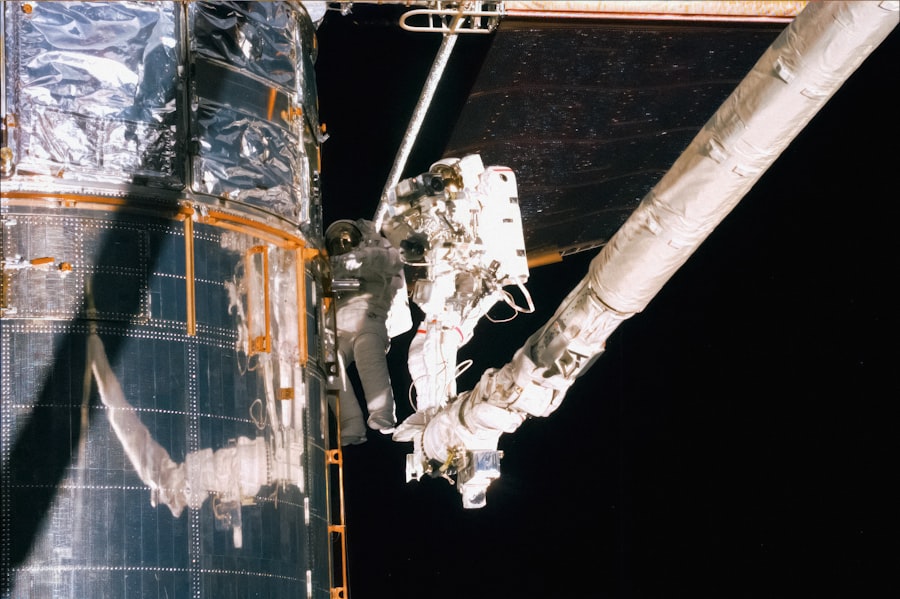
The technical and logistical challenges associated with space junk removal are significant hurdles that must be overcome for effective solutions to be implemented. Designing systems capable of capturing and deorbiting debris requires advanced engineering and innovative technologies. For instance, developing robotic systems that can operate autonomously in the harsh environment of space poses numerous technical challenges related to navigation, communication, and power supply.
Logistically, coordinating debris removal missions involves complex planning and collaboration among various stakeholders, including government agencies, private companies, and international organizations. Each mission must consider factors such as launch windows, orbital mechanics, and potential risks associated with removing specific pieces of debris. The intricate nature of these operations underscores the need for comprehensive strategies that integrate technological advancements with effective project management.
Legal and Regulatory Challenges
The legal and regulatory landscape surrounding space junk removal is still evolving and presents its own set of challenges. International treaties governing outer space activities, such as the Outer Space Treaty of 1967, provide a framework for responsible behavior in space but do not specifically address the issue of space debris removal. As a result, there is a lack of clear guidelines regarding liability for damage caused by debris or responsibilities for removing defunct satellites.
Furthermore, differing national policies on space activities complicate international cooperation in addressing space junk. Countries may have varying priorities regarding their own satellite programs and may be reluctant to invest in debris removal initiatives that do not directly benefit their interests. Establishing a cohesive regulatory framework that encourages collaboration while ensuring accountability will be crucial for effectively tackling the challenges posed by space debris.
International Collaboration and Coordination
International collaboration is essential for addressing the global challenge of space junk effectively. Given that space is a shared resource utilized by multiple nations for various purposes—ranging from communication to scientific research—coordinated efforts are necessary to develop comprehensive solutions. Organizations such as the United Nations Office for Outer Space Affairs (UNOOSA) play a vital role in facilitating dialogue among nations and promoting best practices for responsible behavior in space.
Collaborative initiatives can take many forms, including joint research projects focused on developing debris removal technologies or shared databases for tracking space junk. By pooling resources and expertise, countries can enhance their collective ability to mitigate risks associated with space debris while fostering a sense of shared responsibility for maintaining a sustainable orbital environment.
Cost and Funding Challenges
The financial implications of space junk removal present another significant challenge that must be addressed. Developing and deploying effective debris removal technologies require substantial investment in research, development, and operational capabilities. However, securing funding for these initiatives can be difficult due to competing priorities within national budgets and limited resources allocated for space activities.
Moreover, private companies involved in satellite operations may be hesitant to invest in debris removal efforts if they perceive little immediate benefit to their business models. Establishing public-private partnerships could provide a viable solution by leveraging private sector innovation while ensuring that public interests in maintaining a sustainable orbital environment are met. Creative funding mechanisms, such as international grants or collaborative funding models among nations, may also help alleviate financial barriers.
Environmental and Ethical Considerations
The environmental impact of space junk extends beyond immediate risks to satellites; it raises broader ethical questions about humanity’s responsibility in preserving outer space as a shared environment. As more countries engage in space exploration and commercial activities increase, there is a growing recognition that sustainable practices must be prioritized to prevent further degradation of Earth’s orbital ecosystem. Ethical considerations also come into play when discussing liability for damage caused by space debris or responsibilities for removing defunct satellites.
Questions arise about who should bear the costs associated with cleanup efforts and how to ensure equitable access to orbital resources for all nations. Addressing these ethical dilemmas will require thoughtful dialogue among stakeholders to establish principles that guide responsible behavior in outer space.
Future Solutions and Technologies for Space Junk Removal
Looking ahead, innovative solutions and technologies hold promise for addressing the pressing issue of space junk removal. Research into advanced materials that can withstand harsh conditions in space while being lightweight could enhance the effectiveness of capture systems.
Emerging concepts such as “space tugs”—vehicles designed specifically for removing debris—are also gaining traction within the aerospace community. These tugs could autonomously rendezvous with defunct satellites or large pieces of debris and guide them safely back into Earth’s atmosphere. As technology continues to evolve, it is crucial for stakeholders to remain proactive in exploring new avenues for mitigating the risks associated with space junk while fostering international collaboration toward sustainable solutions.
In conclusion, addressing the challenge of space junk requires a multifaceted approach that encompasses technological innovation, international cooperation, regulatory frameworks, and ethical considerations. As humanity continues its journey into the cosmos, it is imperative that we prioritize responsible practices that ensure the long-term sustainability of our shared orbital environment for generations to come.
Space junk removal has become an increasingly pressing issue as the number of defunct satellites and debris in Earth’s orbit continues to grow, posing significant risks to operational spacecraft and future space missions. Addressing these challenges requires innovative solutions and international cooperation. An insightful article discussing the complexities and potential strategies for tackling space debris can be found on My Cosmic Ventures. For more detailed information, you can read the article by visiting mycosmicventures.
com/sample-page/’>this link.
🌌 WATCH THIS! The Billion-Dollar Satellite That Will Trap Humanity on Earth
FAQs
What is space junk?
Space junk, also known as space debris, refers to the defunct human-made objects in space, including old satellites, spent rocket stages, and fragments from disintegration, erosion, and collisions.
Why is space junk removal important?
Space junk poses a threat to operational satellites, spacecraft, and even the International Space Station. As the amount of space junk increases, the risk of collisions and damage to important space assets also increases.
What are the challenges of space junk removal?
Space junk removal is challenging due to the large number of objects in orbit, their high speeds, and the vastness of space. Additionally, there are technical, legal, and financial challenges associated with developing and implementing space junk removal technologies and strategies.
What are some proposed methods for space junk removal?
Proposed methods for space junk removal include using robotic arms, nets, harpoons, and tethers to capture and de-orbit space debris. Some concepts also involve using lasers or ion beams to nudge debris into lower orbits where it will eventually burn up in the Earth’s atmosphere.
Who is responsible for space junk removal?
There is currently no international agreement on who is responsible for space junk removal. However, space agencies and private companies are actively researching and developing technologies to address the issue of space debris.