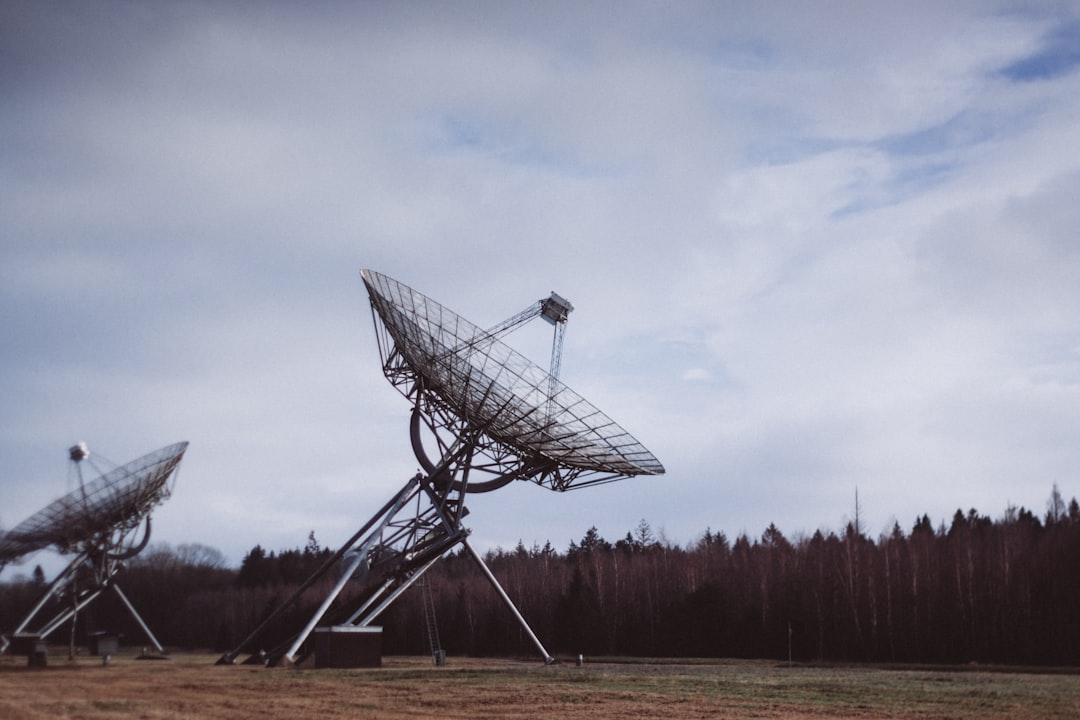
The concept of alien technology has long captivated the human imagination, inspiring countless works of science fiction and fueling the curiosity of scientists and enthusiasts alike. The idea that advanced civilizations might exist beyond Earth, possessing technologies far superior to our own, raises profound questions about the nature of intelligence, innovation, and the future of humanity. As humanity stands on the brink of significant advancements in space exploration and technology, the prospect of discovering alien technology becomes increasingly tantalizing.
This exploration not only challenges our understanding of the universe but also invites us to consider the implications of such discoveries on our society and future. In recent years, the search for extraterrestrial intelligence (SETI) has gained momentum, driven by advancements in technology and a growing interest in the cosmos. The possibility that other intelligent beings have developed technologies that could surpass human capabilities is both exhilarating and daunting.
As researchers delve deeper into the mysteries of the universe, they are not only looking for signs of life but also for evidence of the technologies that such life forms might possess. This quest for knowledge could redefine humanity’s place in the universe and open new avenues for exploration and understanding.
Key Takeaways
- Alien technology presents a new frontier for exploration and discovery in space, with potential implications for humanity.
- The search for extraterrestrial intelligence continues to drive scientific research and space exploration efforts.
- The discovery of alien technology in space has the potential to revolutionize our understanding of the universe.
- Analysis of alien technology offers the opportunity to unlock new scientific and technological advancements.
- Collaboration with alien technology could lead to ethical considerations and potential advancements in human technology.
The Search for Extraterrestrial Intelligence
The search for extraterrestrial intelligence is a multifaceted endeavor that encompasses various scientific disciplines, including astronomy, biology, and engineering. Scientists employ a range of methods to detect signals from potential alien civilizations, from monitoring radio waves to analyzing light patterns from distant stars. The development of powerful telescopes and sophisticated algorithms has significantly enhanced our ability to sift through vast amounts of data in search of anomalies that could indicate intelligent life.
This ongoing quest is not merely about finding life; it is about understanding the technological capabilities that such life might possess. Moreover, the search for extraterrestrial intelligence has evolved with the advent of new technologies. Projects like SETI@home allow amateur astronomers to contribute to the analysis of data collected from radio telescopes, democratizing the search for alien signals.
The use of artificial intelligence in analyzing cosmic data has also accelerated the process, enabling researchers to identify patterns and anomalies that may have previously gone unnoticed. As humanity continues to push the boundaries of its technological capabilities, the hope remains that one day, a definitive signal or piece of evidence will emerge, confirming that we are not alone in the universe.
The Discovery of Alien Technology in Space

The discovery of alien technology in space would represent a monumental breakthrough in human history. While no concrete evidence has yet been found, there have been intriguing observations that suggest the possibility of advanced civilizations existing beyond Earth. For instance, unusual celestial phenomena, such as the interstellar object ‘Oumuamua,’ sparked debates among scientists regarding its potential artificial origins.
Its elongated shape and unexpected trajectory led some researchers to speculate that it could be a probe or artifact from an advanced civilization. In addition to interstellar objects, researchers have also turned their attention to exoplanets—planets outside our solar system that may harbor life.
Instruments like the James Webb Space Telescope are designed to analyze the chemical compositions of exoplanet atmospheres, searching for biosignatures or technosignatures that could indicate the presence of advanced technology. Each new discovery adds another layer to our understanding of what alien technology might look like and how it could be detected.
Analysis of the Alien Technology
| Technology | Analysis |
|---|---|
| Energy Source | Unidentified, potentially highly efficient |
| Material Composition | Unknown, possibly advanced alloys or composites |
| Propulsion System | Unconventional, defies current understanding of physics |
| Communication | Advanced, potentially utilizing unknown principles |
Analyzing alien technology presents a unique set of challenges and opportunities for scientists. If humanity were to encounter artifacts or signals from an extraterrestrial civilization, understanding their function and purpose would require a multidisciplinary approach. Researchers would need to draw upon fields such as physics, engineering, and computer science to decode and interpret any findings.
The complexity of alien technology could far exceed human comprehension, necessitating innovative methods to bridge the gap between different forms of intelligence. Furthermore, the analysis of alien technology could lead to groundbreaking advancements in human understanding and capabilities. For instance, studying advanced propulsion systems or energy sources could revolutionize space travel and energy production on Earth.
The potential for reverse engineering alien technology raises both excitement and caution; while it could lead to significant advancements, it also poses risks if misapplied or misunderstood. The responsibility that comes with such discoveries would require careful consideration and ethical deliberation.
Implications of Alien Technology for Humanity
The implications of discovering alien technology extend far beyond scientific curiosity; they touch upon philosophical, ethical, and societal dimensions as well. The realization that humanity is not alone in the universe could fundamentally alter our worldview, prompting a reevaluation of our place within the cosmos. It may inspire a sense of unity among people on Earth as they grapple with the shared experience of being part of a larger galactic community.
Moreover, the potential benefits derived from alien technology could address some of humanity’s most pressing challenges. From climate change to resource scarcity, advanced technologies could provide solutions that have eluded human ingenuity thus far. However, this also raises questions about dependency on external technologies and the potential loss of human innovation.
Balancing the benefits with the risks will be crucial as humanity navigates this uncharted territory.
Potential Uses of Alien Technology

The potential uses of alien technology are as diverse as they are exciting. If humanity were to gain access to advanced energy sources or propulsion systems, it could revolutionize space exploration and travel within our solar system and beyond. Imagine harnessing energy from exotic materials or utilizing propulsion methods that allow for near-light-speed travel; such advancements could make interstellar travel a reality within a generation.
Additionally, alien technology could offer solutions to terrestrial problems such as food production, environmental sustainability, and health care. For instance, advanced agricultural techniques or biotechnologies derived from alien sources could enhance food security in an increasingly populated world. The possibilities are vast, but they also require careful consideration regarding how these technologies would be integrated into existing systems without exacerbating inequalities or creating new challenges.
Ethical Considerations of Alien Technology
The ethical considerations surrounding alien technology are complex and multifaceted. As humanity stands on the brink of potentially transformative discoveries, it must grapple with questions about ownership, access, and responsibility. Who would control alien technology? Would it be available to all nations equally, or would it become a tool for power dynamics among countries? These questions highlight the need for international cooperation and dialogue as humanity navigates this new frontier. Moreover, there are ethical implications related to how alien technology might impact human society and culture. The introduction of advanced technologies could disrupt existing social structures and norms, leading to unforeseen consequences. It is essential for policymakers and ethicists to engage in discussions about how to responsibly manage these technologies while ensuring that they serve the greater good rather than exacerbate existing inequalities or create new forms of exploitation.
Collaboration with Alien Technology
Collaboration with alien technology presents an intriguing prospect for humanity’s future. If contact were established with an extraterrestrial civilization capable of sharing knowledge or resources, it could lead to unprecedented advancements in various fields. Collaborative efforts could foster a spirit of unity among nations on Earth as they work together toward common goals inspired by shared knowledge from beyond their planet.
However, such collaboration would require careful negotiation and mutual understanding between species with potentially vastly different cultures and values. Establishing communication protocols and frameworks for cooperation would be essential to ensure that both parties benefit from the exchange without compromising their respective identities or interests. The potential for collaboration extends beyond mere technological exchange; it could also encompass cultural exchanges that enrich both civilizations.
Advancements in Human Technology Inspired by Alien Discoveries
The advancements in human technology inspired by alien discoveries could reshape industries and redefine what is possible within human innovation. Historical precedents exist where scientific breakthroughs have been catalyzed by unexpected discoveries; thus, it is reasonable to anticipate that insights gained from studying alien technology could lead to revolutionary changes across various sectors. For instance, advancements in materials science derived from alien artifacts could lead to stronger, lighter materials with applications ranging from aerospace engineering to construction.
Similarly, insights into energy generation or storage could pave the way for sustainable solutions that address climate change challenges on Earth. The ripple effects of such discoveries would extend far beyond individual technologies; they could inspire new ways of thinking about problem-solving and innovation itself.
The Future of Alien Technology Research
The future of alien technology research holds immense promise as humanity continues its quest for knowledge beyond Earth. With advancements in space exploration technologies and an increasing number of missions aimed at exploring distant worlds, researchers are poised to uncover new insights into the cosmos.
Moreover, interdisciplinary collaboration among scientists from various fields will be crucial in advancing this research agenda. By pooling expertise from astronomy, engineering, biology, and ethics, researchers can develop comprehensive frameworks for understanding potential discoveries while addressing ethical considerations associated with them. As humanity embarks on this journey into the unknown, it must remain committed to fostering curiosity while exercising caution in its pursuit of knowledge.
The Impact of Alien Technology on Space Exploration
In conclusion, the impact of alien technology on space exploration is profound and multifaceted. As humanity continues its quest for knowledge beyond Earth, the possibility of discovering advanced technologies from extraterrestrial civilizations looms large on the horizon. Such discoveries have the potential to reshape our understanding of the universe while offering solutions to some of humanity’s most pressing challenges.
However, with great potential comes great responsibility; ethical considerations must guide our approach as we navigate this uncharted territory. Collaboration among nations and disciplines will be essential in ensuring that any advancements derived from alien technology serve the greater good rather than exacerbate existing inequalities or create new challenges. Ultimately, as humanity stands at this crossroads between discovery and responsibility, it must embrace curiosity while remaining vigilant about its role within the broader cosmic community.
Recent discussions surrounding the potential proof of alien technology in space have gained traction, particularly with the publication of an intriguing article that explores various sightings and encounters. For a deeper dive into this fascinating topic, you can read more in the article available at this link. The insights presented there shed light on the ongoing investigations and theories that continue to captivate both scientists and enthusiasts alike.
WATCH THIS! The Object Defying Gravity: Is This Proof of Alien Technology?
FAQs
What is the proof of alien technology in space?
There is currently no scientific evidence or proof of alien technology in space. While there have been many claims and theories about potential alien technology, none have been substantiated with concrete evidence.
What are some examples of claims of alien technology in space?
Some examples of claims of alien technology in space include unidentified flying objects (UFOs), unexplained phenomena in space, and anomalies in images from space missions. However, these claims have not been proven to be of alien origin.
How does the scientific community view claims of alien technology in space?
The scientific community approaches claims of alien technology in space with skepticism and requires rigorous evidence before accepting any such claims. Scientists rely on empirical evidence and the scientific method to evaluate such claims.
What are some natural phenomena that are often mistaken for alien technology in space?
Natural phenomena such as meteors, atmospheric phenomena, space debris, and optical illusions can often be mistaken for alien technology in space. It is important to carefully analyze and investigate such phenomena before jumping to conclusions about their origin.
Is there ongoing research into the possibility of alien technology in space?
While there is ongoing research into the search for extraterrestrial life, including the study of exoplanets and the search for microbial life, there is currently no scientific evidence of alien technology in space. Researchers continue to explore the universe in search of answers to the question of whether we are alone in the cosmos.