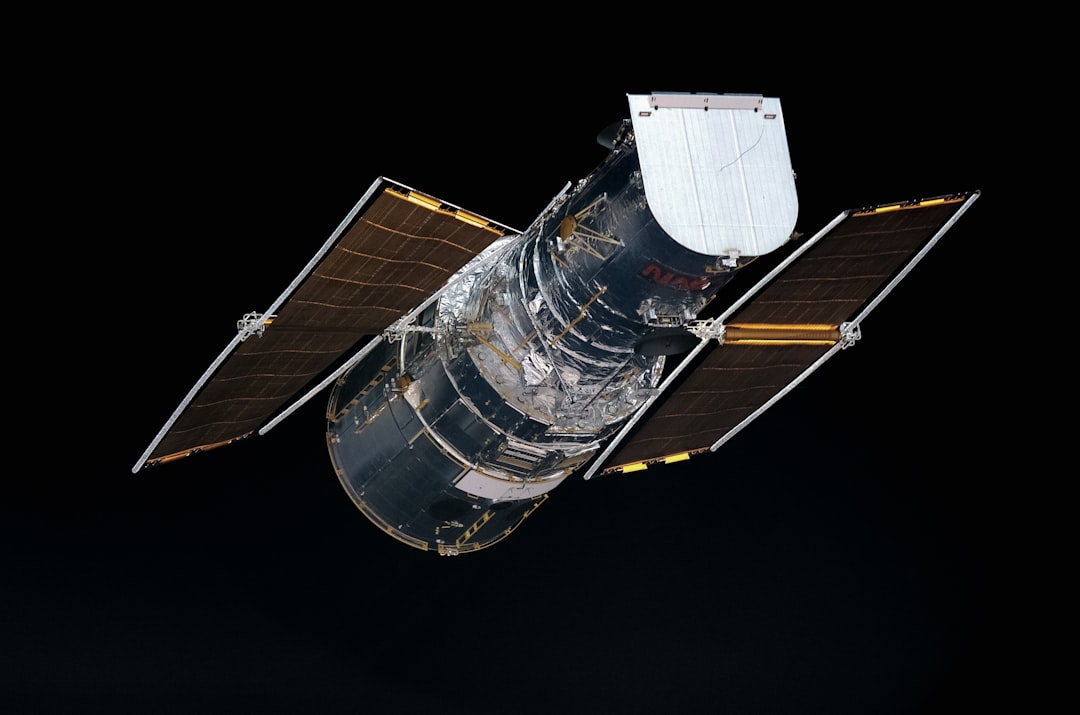
Space debris, often referred to as space junk, encompasses a wide array of defunct satellites, spent rocket stages, and fragments from collisions or disintegration events that orbit the Earth. As humanity’s ventures into space have expanded, so too has the accumulation of these remnants. The increasing density of objects in low Earth orbit (LEO) poses significant risks to operational satellites and crewed missions, making the issue of space debris a pressing concern for space agencies and private enterprises alike.
The problem is not merely a nuisance; it threatens the safety of astronauts and the integrity of vital space infrastructure. The origins of space debris can be traced back to the dawn of the space age in the late 1950s. Since then, thousands of objects have been launched into orbit, with many becoming obsolete or malfunctioning.
The exponential growth of satellite constellations, particularly for telecommunications and Earth observation, has exacerbated the situation. As more entities enter the space race, the likelihood of collisions increases, leading to a cascading effect known as the Kessler Syndrome, where the density of objects in orbit could eventually render certain regions of space unusable. Addressing this issue is critical not only for current operations but also for the sustainability of future space exploration.
Key Takeaways
- Space debris poses a significant threat to satellites and spacecraft in orbit, as well as to future space missions.
- Current challenges in space debris removal include the high cost, technical complexity, and international cooperation.
- Advancements in tracking and monitoring technology have improved our ability to identify and predict the movement of space debris.
- Innovative methods for space debris capture, such as harpoons, nets, and tethers, are being developed to safely remove debris from orbit.
- Automation and robotics play a crucial role in space debris removal, enabling precise and efficient capture and disposal of debris.
Current Challenges in Space Debris Removal
The removal of space debris presents a multitude of challenges that complicate efforts to mitigate its impact. One of the primary obstacles is the sheer volume and variety of debris in orbit. With millions of pieces ranging from tiny paint flecks to large defunct satellites, identifying and categorizing these objects is a monumental task.
Current tracking systems can monitor larger debris but struggle with smaller fragments that pose significant risks to operational spacecraft. This gap in monitoring capabilities makes it difficult to develop effective removal strategies. Another significant challenge lies in the technical feasibility of debris removal methods.
Many proposed solutions require advanced technologies that are still in developmental stages or untested in real-world scenarios. For instance, capturing large objects with nets or harpoons necessitates precise maneuvering and robust engineering solutions that can withstand the harsh conditions of space. Additionally, there are legal and regulatory hurdles to navigate, as international agreements regarding space activities must be considered when developing and deploying debris removal missions.
The complexity of these challenges underscores the urgent need for innovative approaches to tackle the growing threat of space debris.
Advancements in Tracking and Monitoring Technology
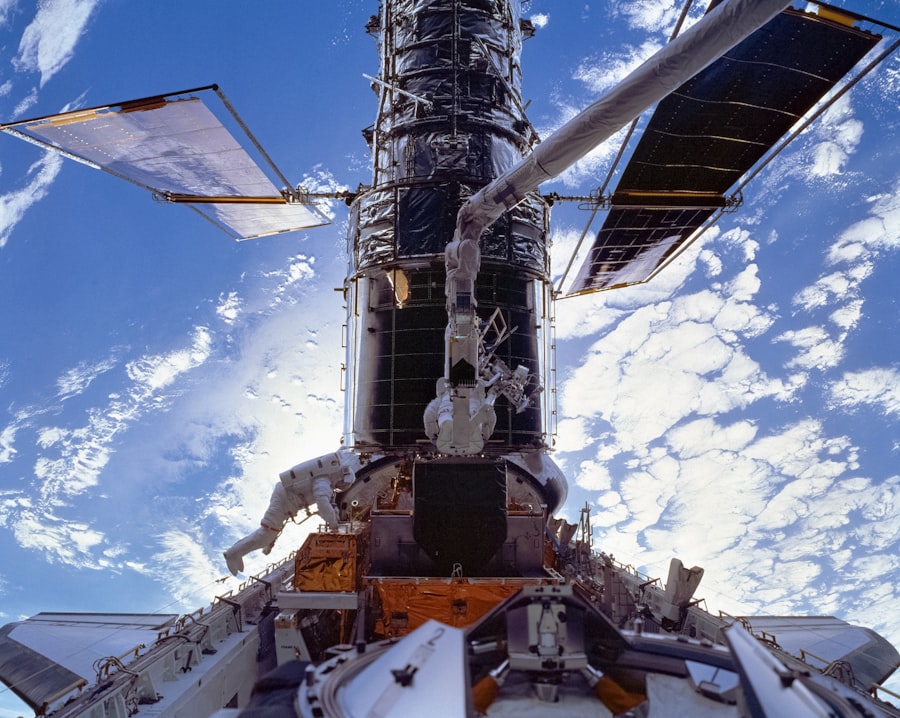
In recent years, advancements in tracking and monitoring technology have significantly improved the ability to detect and catalog space debris. Enhanced radar systems and optical telescopes have been developed to provide more accurate tracking of objects in orbit.
The integration of machine learning algorithms into tracking systems has further refined data analysis, enabling quicker identification and prediction of potential collision events. Moreover, international collaboration has played a crucial role in enhancing tracking capabilities. Organizations such as the United States Space Surveillance Network (SSN) and the European Space Agency (ESA) have established partnerships to share data and improve global tracking efforts.
This collaborative approach not only increases the accuracy of debris monitoring but also fosters a sense of shared responsibility among nations regarding the sustainability of outer space. As technology continues to evolve, these advancements will be pivotal in developing effective strategies for debris removal.
Innovative Methods for Space Debris Capture
| Method | Pros | Cons |
|---|---|---|
| Electrodynamic Tethers | Low cost, no propellant needed | Limited to low Earth orbit |
| Laser Ablation | High precision, can target small debris | Requires high power laser |
| Space Sweeper Satellites | Autonomous operation, can capture multiple debris | High development cost |
Innovative methods for capturing space debris are being explored by various organizations and research institutions worldwide. One promising approach involves using robotic arms or nets to physically capture larger pieces of debris. These systems are designed to latch onto defunct satellites or spent rocket stages, allowing for their controlled deorbiting or relocation to safer orbits.
Such methods require precise engineering and sophisticated navigation systems to ensure successful capture without creating additional debris. Another intriguing concept is the use of lasers to nudge debris into lower orbits where they will eventually re-enter the Earth’s atmosphere and burn up. This method leverages ground-based or space-based laser systems to alter the trajectory of debris without physical contact.
While still largely theoretical, initial experiments have shown promise in demonstrating how directed energy can influence the movement of small objects in orbit. As research continues, these innovative capture methods could provide viable solutions to mitigate the growing threat posed by space debris.
Automation and Robotics in Space Debris Removal
The role of automation and robotics in space debris removal cannot be overstated. As missions become more complex and the need for efficiency increases, automated systems are being developed to perform tasks that would be challenging or dangerous for human operators. Robotic spacecraft equipped with advanced sensors and AI capabilities can autonomously navigate through crowded orbital environments, identify debris targets, and execute removal operations with minimal human intervention.
One notable example is the European Space Agency’s ClearSpace-1 mission, which aims to demonstrate the feasibility of using robotic technology for debris capture. This mission will deploy a robotic spacecraft designed to capture a specific piece of defunct satellite debris using a capture mechanism that mimics a claw-like grip. By showcasing the capabilities of robotics in this context, such missions pave the way for future endeavors that could significantly reduce the amount of hazardous debris in orbit.
Utilizing Artificial Intelligence in Space Debris Removal
Artificial intelligence (AI) is emerging as a transformative force in the field of space debris removal. By harnessing machine learning algorithms, researchers can analyze vast amounts of data collected from tracking systems to predict potential collision events more accurately. AI can also optimize navigation paths for debris removal missions, ensuring that spacecraft can efficiently reach their targets while minimizing fuel consumption and operational risks.
Furthermore, AI-driven systems can enhance decision-making processes during debris capture operations. For instance, real-time data analysis can help operators assess changing conditions in orbit, such as unexpected movements from other satellites or debris fragments. This adaptability is crucial for successful removal missions, as it allows for quick adjustments to plans based on dynamic circumstances.
As AI technology continues to advance, its integration into space debris removal strategies will likely become increasingly sophisticated and essential.
Collaboration and International Efforts in Space Debris Removal
The issue of space debris transcends national borders, making international collaboration vital for effective mitigation efforts. Various countries and organizations are recognizing the need for a unified approach to address this global challenge. Initiatives such as the Inter-Agency Space Debris Coordination Committee (IADC) bring together representatives from different nations to share knowledge, develop best practices, and establish guidelines for responsible behavior in space.
Moreover, public-private partnerships are emerging as a powerful force in tackling space debris. Private companies are increasingly investing in technologies aimed at debris removal, often collaborating with governmental agencies to leverage resources and expertise. These partnerships not only accelerate technological advancements but also foster innovation by combining diverse perspectives from both sectors.
As global awareness of the space debris problem grows, collaborative efforts will be essential in developing comprehensive solutions that ensure the long-term sustainability of outer space.
Space Debris Recycling and Reuse
The concept of recycling and reusing materials from space debris is gaining traction as a sustainable approach to managing this growing problem. Instead of merely removing debris from orbit, innovative ideas are being explored to repurpose materials for future space missions. For instance, components from defunct satellites could be salvaged and refurbished for use in new spacecraft or research projects.
This approach not only addresses the issue of waste but also promotes resource efficiency in an era where space exploration is becoming increasingly commercialized. By establishing frameworks for recycling materials in orbit, stakeholders can reduce costs associated with launching new materials from Earth while simultaneously mitigating the environmental impact associated with traditional manufacturing processes. As research progresses in this area, recycling initiatives could play a pivotal role in shaping a more sustainable future for space activities.
Future Prospects for Space Debris Removal Technology
Looking ahead, the prospects for space debris removal technology appear promising yet challenging. Continued investment in research and development will be crucial for advancing existing methods and exploring new solutions. Emerging technologies such as advanced propulsion systems, improved materials for capture mechanisms, and enhanced AI capabilities will likely play significant roles in shaping future removal strategies.
Moreover, as more countries and private entities engage in space activities, there will be an increasing demand for effective debris management solutions. This growing market could drive innovation and competition among companies focused on developing cutting-edge technologies for debris removal. The future landscape may see a combination of automated systems, AI-driven analytics, and international cooperation working together to create a safer orbital environment.
Environmental and Economic Impacts of Space Debris Removal
The environmental implications of space debris removal extend beyond mere safety concerns; they also encompass broader ecological considerations. By reducing the amount of debris in orbit, stakeholders can help preserve the integrity of Earth’s orbital environment, ensuring that future generations can continue to explore and utilize space resources responsibly. Additionally, effective removal strategies can minimize the risk of collisions that could lead to catastrophic events affecting both human life and technological infrastructure.
Economically, investing in space debris removal technologies presents opportunities for growth within the aerospace sector. As nations prioritize sustainable practices in their space programs, companies specializing in debris management may find new avenues for revenue generation through contracts with governments or partnerships with private enterprises. Furthermore, successful removal initiatives could enhance public confidence in space activities, potentially leading to increased funding and support for future exploration endeavors.
The Road Ahead for Space Debris Removal Tech
In conclusion, addressing the challenge of space debris requires a multifaceted approach that combines technological innovation, international collaboration, and sustainable practices. As humanity continues to expand its presence beyond Earth, it is imperative that stakeholders prioritize responsible behavior in orbit to safeguard both current operations and future exploration efforts. The advancements made thus far in tracking technology, robotics, AI integration, and recycling initiatives offer hope for a cleaner orbital environment.
The road ahead will undoubtedly be fraught with challenges; however, with continued commitment from governments, private enterprises, and research institutions worldwide, there is potential for significant progress in mitigating the risks posed by space debris. By fostering collaboration and investing in innovative solutions, humanity can pave the way toward a sustainable future in outer space—one where exploration thrives without compromising safety or environmental integrity.
In recent years, the issue of space debris has become increasingly pressing, prompting the development of innovative technologies aimed at mitigating this growing problem. By 2025, advancements in space debris removal technology are expected to play a crucial role in ensuring the sustainability of space activities. A related article on this topic can be found on My Cosmic Ventures, which delves into the latest strategies and technologies being developed to tackle space debris. For more detailed insights, you can read the full article by visiting My Cosmic Ventures.
🌌 WATCH THIS! The Billion-Dollar Satellite That Will Trap Humanity on Earth
FAQs
What is space debris?
Space debris, also known as space junk, refers to defunct human-made objects in space, including old satellites, spent rocket stages, and fragments from disintegration, erosion, and collisions.
Why is space debris a concern?
Space debris poses a threat to operational spacecraft and astronauts in space. Collisions with debris can cause significant damage and generate more debris, leading to a potential cascade effect known as the Kessler syndrome.
What is space debris removal technology?
Space debris removal technology refers to the development of methods and systems to actively remove space debris from Earth’s orbit. This technology aims to reduce the risk of collisions and mitigate the long-term impact of space debris on space activities.
What are some current space debris removal technologies?
Current space debris removal technologies include harpoon systems, nets, robotic arms, and ion beam shepherd systems. These technologies are designed to capture, deorbit, or otherwise mitigate the impact of space debris.
What are the challenges of space debris removal?
Challenges of space debris removal include the high cost of development and deployment, international regulatory issues, and the technical complexity of capturing and removing debris from orbit.
What are the potential benefits of space debris removal technology?
Space debris removal technology has the potential to reduce the risk of collisions in space, prolong the operational lifespan of satellites, and contribute to the long-term sustainability of space activities.