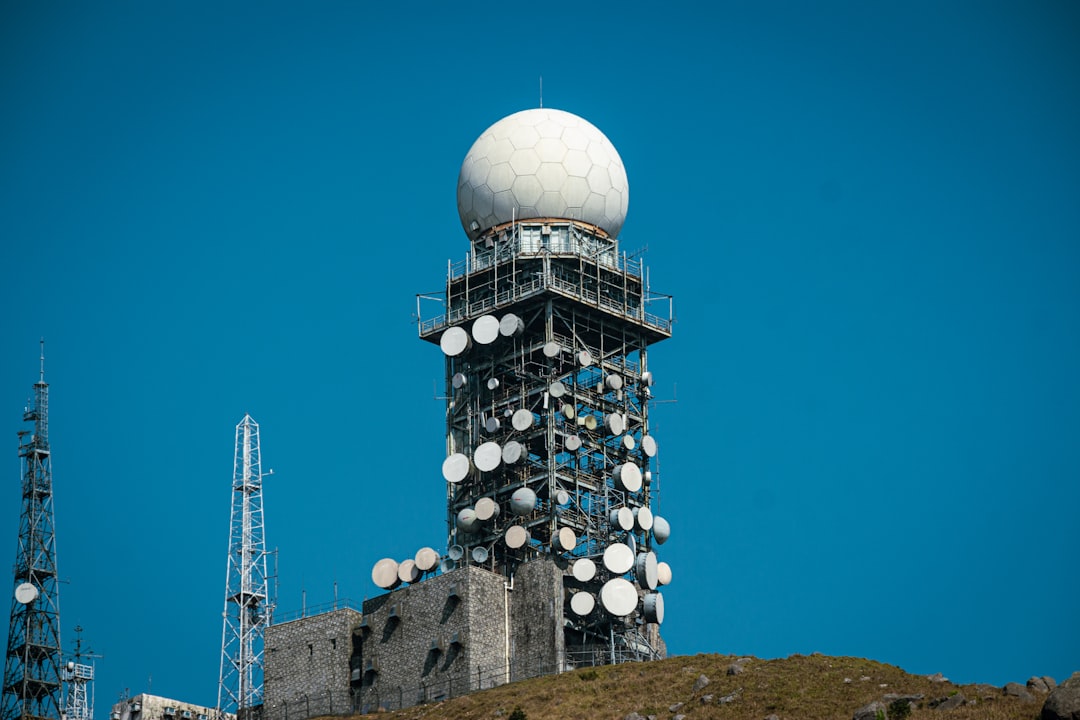
Planetary radar detection represents a significant advancement in the field of space exploration, enabling scientists to gather critical data about celestial bodies within our solar system. This technology employs radar waves to probe the surfaces and atmospheres of planets, moons, asteroids, and comets, providing insights that are otherwise unattainable through traditional observational methods. By bouncing radar signals off these distant objects and analyzing the reflected waves, researchers can glean information about their composition, structure, and even potential hazards they may pose to Earth.
The importance of planetary radar detection extends beyond mere curiosity; it plays a crucial role in understanding the dynamics of our solar system. As humanity seeks to explore and potentially inhabit other worlds, the ability to accurately assess the characteristics of these celestial bodies becomes paramount. This technology not only aids in mapping the surfaces of planets but also enhances our understanding of their geological history and potential for supporting life.
Key Takeaways
- Planetary radar detection has evolved significantly, enhancing our ability to explore and understand celestial bodies.
- Advances in radar technology have expanded applications in space exploration and planetary defense.
- Collaborative international research efforts are crucial for overcoming technical and ethical challenges.
- Recent breakthroughs have improved detection accuracy, aiding in the study of the solar system’s dynamics.
- Ethical and legal considerations are increasingly important as planetary radar detection capabilities grow.
Historical Development of Planetary Radar Detection
The roots of planetary radar detection can be traced back to the mid-20th century when scientists first began experimenting with radar technology for astronomical purposes. The initial breakthroughs occurred during the 1960s, when researchers utilized radar to study the Moon. By sending radar signals from Earth and measuring the time it took for the signals to return, they were able to create detailed maps of the lunar surface.
This pioneering work laid the groundwork for future explorations of other celestial bodies. As technology advanced, so did the capabilities of radar detection. The 1970s saw significant developments with the advent of more powerful radar systems, allowing for the study of planets such as Venus and Mars.
The use of radar waves enabled scientists to penetrate thick atmospheres and gather data on surface features that were previously obscured. This era marked a turning point in planetary science, as researchers began to realize the potential of radar as a tool for exploring not just our Moon but also other planets in our solar system.
Evolution of Radar Technology for Planetary Detection
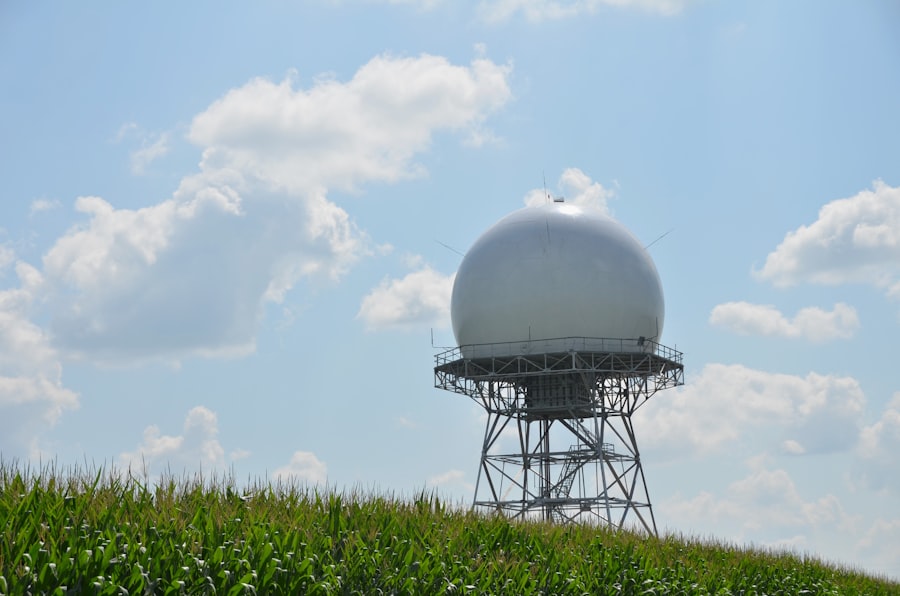
The evolution of radar technology has been marked by continuous innovation and refinement. Early radar systems were limited in range and resolution, but advancements in electronics and signal processing have dramatically improved their capabilities. Modern radar systems can now operate at various wavelengths, allowing scientists to tailor their observations based on the specific characteristics of the target body.
For instance, longer wavelengths can penetrate thick atmospheres, while shorter wavelengths provide higher resolution images of surface features. Additionally, the integration of synthetic aperture radar (SAR) technology has revolutionized planetary detection. SAR allows for the creation of high-resolution images by combining multiple radar signals collected over time.
This technique has been instrumental in mapping the surfaces of planets like Mars and Venus, revealing intricate details about their geology and topography. As radar technology continues to evolve, it opens new avenues for exploration and enhances our understanding of the solar system’s diverse environments.
Applications of Planetary Radar Detection in Space Exploration
Planetary radar detection has a wide array of applications in space exploration, significantly contributing to our knowledge of celestial bodies. One of its primary uses is in mapping planetary surfaces, which is essential for mission planning and landing site selection. For example, before landing rovers on Mars, scientists utilize radar data to identify safe landing zones and assess potential hazards such as rocks or steep slopes.
Moreover, radar detection plays a crucial role in studying the atmospheres of planets. By analyzing how radar waves interact with atmospheric particles, researchers can gain insights into atmospheric composition, weather patterns, and even climate change on other worlds. This information is vital for understanding how different planetary environments evolve over time and how they compare to Earth’s own atmosphere.
Advantages and Limitations of Planetary Radar Detection
| Radar System | Location | Frequency Band | Maximum Range (km) | Resolution (meters) | Primary Use | Operational Since |
|---|---|---|---|---|---|---|
| Goldstone Solar System Radar (GSSR) | California, USA | X-band (8.56 GHz) | ~1,000,000 | 15 | Asteroid and planetary surface imaging | 1984 |
| Arecibo Observatory Radar | Puerto Rico | S-band (2.38 GHz) | ~1,000,000 | 30 | Near-Earth object detection and characterization | 1964 (decommissioned 2020) |
| Green Bank Telescope (GBT) Radar | West Virginia, USA | L-band (1.4 GHz) | ~500,000 | 50 | Radar astronomy and planetary radar support | 2000 |
| Evpatoria Planetary Radar | Crimea, Ukraine | Decimeter band (600 MHz) | ~600,000 | 100 | Deep space communication and radar astronomy | 1978 |
| Millstone Hill Radar | Massachusetts, USA | UHF (440 MHz) | ~300,000 | 200 | Space debris and planetary radar studies | 1963 |
The advantages of planetary radar detection are numerous and impactful. One significant benefit is its ability to provide detailed information about celestial bodies regardless of their distance from Earth or their atmospheric conditions. Unlike optical telescopes that can be hindered by clouds or dust, radar can penetrate these obstacles, offering a clearer view of surface features and structures.
However, there are limitations to this technology as well. The effectiveness of radar detection can be influenced by factors such as the size and composition of the target body. Smaller asteroids or those with irregular shapes may reflect radar signals differently than larger, more spherical objects, complicating data interpretation.
Additionally, while radar can provide valuable information about surface features, it may not always reveal details about subsurface structures or compositions without further analysis.
Recent Breakthroughs in Planetary Radar Detection
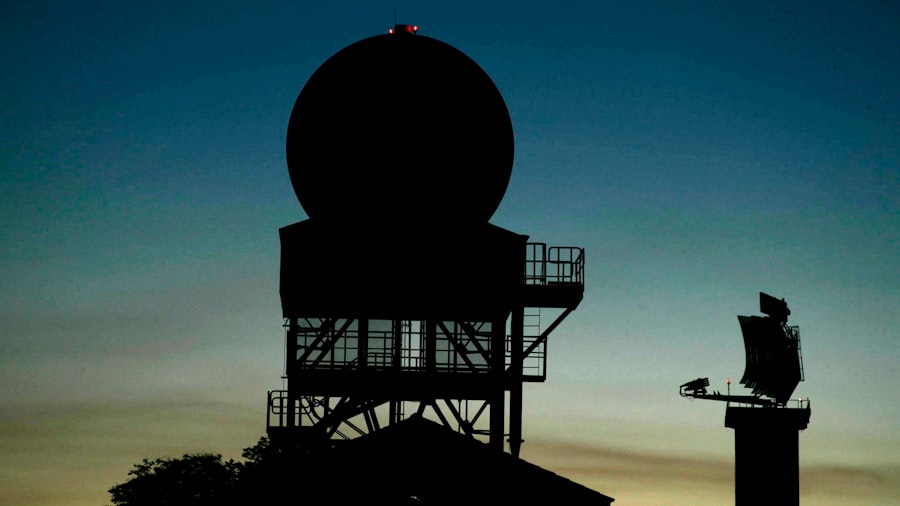
Recent breakthroughs in planetary radar detection have propelled the field forward, enabling scientists to make significant discoveries about our solar system. One notable advancement is the use of advanced algorithms and machine learning techniques to analyze radar data more efficiently. These tools allow researchers to process vast amounts of information quickly, leading to faster interpretations and discoveries.
Another exciting development is the deployment of new radar systems on space missions. For instance, NASA’s upcoming missions aim to utilize cutting-edge radar technology to study asteroids and comets up close. These missions promise to yield unprecedented data about these ancient celestial bodies, shedding light on their origins and potential threats they may pose to Earth.
Future Prospects and Challenges in Planetary Radar Detection
Looking ahead, the future prospects for planetary radar detection are promising yet fraught with challenges. As technology continues to advance, researchers anticipate even greater capabilities in terms of resolution and range. Future missions may incorporate more sophisticated radar systems that can provide real-time data during flybys or landings, enhancing our understanding of celestial bodies as they are being explored.
However, challenges remain in terms of funding and international collaboration. As space exploration becomes increasingly competitive, securing resources for advanced radar missions may prove difficult. Additionally, ensuring that countries work together on shared goals in planetary science will be essential for maximizing the potential benefits of radar detection technology.
Collaborative Efforts in Planetary Radar Detection Research
Collaboration has been a cornerstone of advancements in planetary radar detection research. International partnerships between space agencies such as NASA, ESA (European Space Agency), and JAXA (Japan Aerospace Exploration Agency) have led to shared knowledge and resources that enhance scientific outcomes. These collaborations often involve joint missions where multiple countries contribute their expertise and technology to achieve common objectives.
Universities around the world are engaged in developing new algorithms for data analysis or creating innovative radar systems that can be used in future missions. This synergy between governmental agencies and academic institutions fosters an environment where groundbreaking discoveries can flourish.
Planetary Radar Detection and its Impact on Understanding the Solar System
The impact of planetary radar detection on our understanding of the solar system cannot be overstated. By providing detailed information about celestial bodies’ surfaces and atmospheres, this technology has transformed our knowledge base. For instance, studies using radar have revealed previously unknown geological features on Mars, such as ancient riverbeds and volcanic activity, which have profound implications for understanding the planet’s history and potential for past life.
Moreover, planetary radar detection has enhanced our comprehension of asteroid belts and their dynamics. By studying these objects’ trajectories and compositions through radar observations, scientists can better assess potential threats posed by near-Earth objects (NEOs). This knowledge is crucial for developing strategies for planetary defense against possible impacts.
Planetary Radar Detection and its Role in Planetary Defense
Planetary defense is an increasingly important area where planetary radar detection plays a pivotal role. As humanity becomes more aware of the potential dangers posed by asteroids and comets that could collide with Earth, effective monitoring becomes essential. Radar detection allows scientists to track these objects’ orbits with precision, providing early warnings that could be critical for devising mitigation strategies.
In addition to tracking NEOs, radar technology can also assist in characterizing these objects’ physical properties. Understanding an asteroid’s size, shape, rotation rate, and surface composition is vital for assessing its potential threat level and determining appropriate response measures should a collision course be identified.
Ethical and Legal Considerations in Planetary Radar Detection
As with any advanced technology, ethical and legal considerations surrounding planetary radar detection must be addressed. The collection of data from celestial bodies raises questions about ownership and rights over extraterrestrial resources. As nations continue to explore space and potentially exploit resources from asteroids or other planets, establishing clear legal frameworks will be essential to prevent conflicts over these assets.
Moreover, ethical considerations regarding planetary protection must also be taken into account. Ensuring that missions do not contaminate other worlds or disrupt existing ecosystems is paramount as humanity expands its reach into space. Balancing exploration with responsible stewardship will require ongoing dialogue among scientists, policymakers, and ethicists to navigate these complex issues effectively.
In conclusion, planetary radar detection stands at the forefront of modern space exploration, offering invaluable insights into our solar system’s mysteries while presenting unique challenges that require careful consideration.
Planetary radar detection systems play a crucial role in understanding and monitoring celestial bodies within our solar system. For a deeper insight into the advancements and applications of these technologies, you can read more in this related article on our website: Planetary Radar Detection Systems. This article explores the methodologies used in radar detection and their significance in planetary science.
FAQs
What are planetary radar detection systems?
Planetary radar detection systems are ground-based or space-based radar systems used to detect, track, and study objects in the solar system, such as asteroids, comets, planets, and moons. They emit radio waves that bounce off these objects, allowing scientists to analyze their distance, speed, size, shape, and surface properties.
How do planetary radar detection systems work?
These systems transmit powerful radio signals toward a target object in space. When the signals hit the object, they reflect back to the radar receiver. By measuring the time delay and frequency shift of the returned signals, scientists can determine the object’s distance, velocity, and other physical characteristics.
What are the main uses of planetary radar detection systems?
Planetary radar systems are primarily used for tracking near-Earth objects (NEOs) to assess potential collision threats, mapping the surfaces of planets and moons, studying the composition and structure of asteroids and comets, and supporting space missions by providing precise navigation data.
Where are planetary radar detection systems located?
Some of the most notable planetary radar facilities include the Goldstone Deep Space Communications Complex in California, the Arecibo Observatory in Puerto Rico (which was operational until 2020), and the Green Bank Telescope in West Virginia. Other countries also operate radar systems for planetary studies.
What are the limitations of planetary radar detection systems?
Limitations include the range and power of the radar signals, which restrict detection to relatively nearby objects within the solar system. Atmospheric conditions, signal interference, and the size and composition of the target can also affect the quality of the data received.
How do planetary radar detection systems contribute to planetary defense?
By accurately tracking the orbits and physical characteristics of near-Earth objects, planetary radar systems help identify potential impact threats early. This information is crucial for developing mitigation strategies to protect Earth from possible asteroid or comet collisions.
Can planetary radar detection systems detect objects beyond our solar system?
No, planetary radar systems are designed to detect and study objects within our solar system. Objects beyond the solar system are too distant for radar signals to return detectable echoes with current technology.
What advancements are being made in planetary radar detection technology?
Advancements include increasing radar transmitter power, improving receiver sensitivity, developing more sophisticated signal processing techniques, and integrating radar data with other observational methods like optical and infrared telescopes to enhance detection and characterization capabilities.