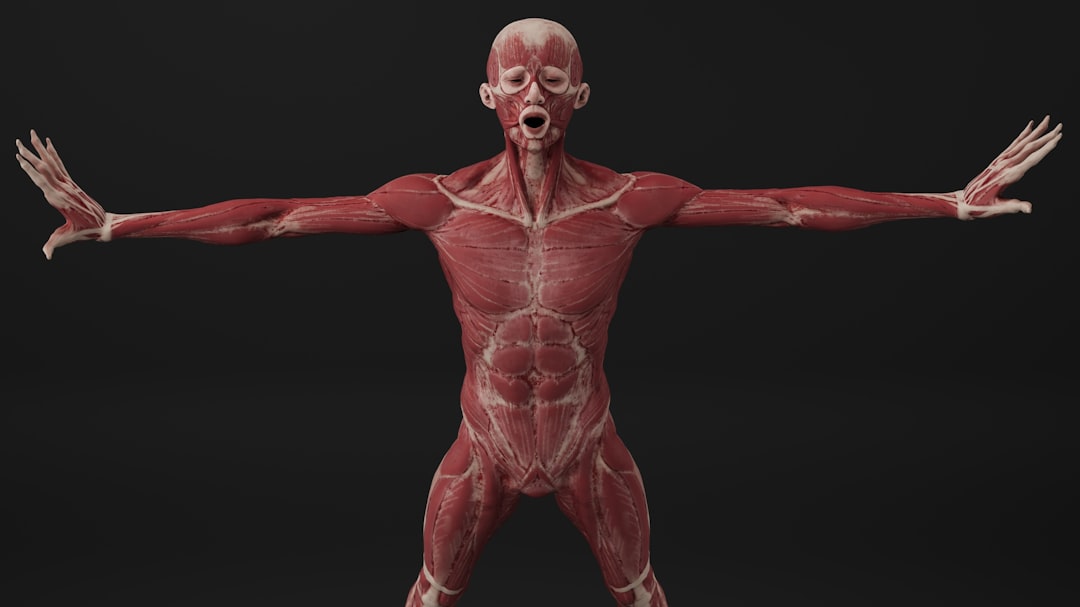
As humanity ventures further into the cosmos, the phenomenon of space adaptation has become a focal point of research and exploration. Space adaptation refers to the physiological and psychological changes that occur in the human body when exposed to the unique conditions of outer space, particularly microgravity. This adaptation is not merely a matter of acclimatization; it involves complex biological processes that can significantly impact astronauts’ health and performance during missions.
Understanding these changes is crucial for ensuring the safety and well-being of individuals embarking on long-duration space flights, such as those planned for Mars or potential colonization efforts on other celestial bodies. The challenges posed by space adaptation are multifaceted, encompassing a range of physical, cognitive, and emotional responses. As astronauts spend extended periods in microgravity, their bodies undergo transformations that can affect everything from muscle strength to cardiovascular health.
As researchers delve deeper into the mechanisms of space adaptation, they aim to develop strategies that will enable humans to thrive in environments vastly different from Earth.
Key Takeaways
- Space adaptation can have significant effects on the human body, including changes in bone density, muscle mass, cardiovascular function, fluid distribution, vision, and neurological function.
- Microgravity in space can lead to bone density loss and muscle atrophy, making it important for astronauts to engage in regular exercise and resistance training to mitigate these effects.
- Cardiovascular changes in space, such as fluid redistribution and decreased blood volume, can impact an astronaut’s ability to regulate blood pressure and may increase the risk of orthostatic intolerance upon return to Earth.
- Fluid redistribution in space can lead to facial puffiness, decreased leg volume, and an increase in intracranial pressure, which can affect an astronaut’s vision and cause headaches.
- Psychological and emotional adaptations are crucial for astronauts, as the isolation, confinement, and high-risk nature of space travel can lead to stress, anxiety, and mood disturbances.
Effects of Microgravity on the Human Body
Microgravity presents a unique environment that profoundly affects the human body. In the absence of gravitational forces, the body experiences a range of physiological changes that can lead to various health issues. One of the most immediate effects is the sensation of weightlessness, which alters how fluids move within the body.
This shift can lead to a redistribution of bodily fluids, causing swelling in the face and head while reducing volume in the lower extremities. Such changes can be disorienting and may affect an astronaut’s balance and coordination, complicating their ability to perform tasks effectively. Moreover, microgravity impacts the musculoskeletal system significantly.
The lack of gravitational pull means that muscles and bones do not have to work as hard to support the body, leading to atrophy and loss of bone density over time. This phenomenon poses serious risks for astronauts on long missions, as weakened bones and muscles can result in increased susceptibility to fractures and injuries upon return to Earth. Understanding these effects is essential for developing countermeasures that can help maintain astronaut health during extended space missions.
Changes in Bone Density and Muscle Mass

One of the most concerning adaptations to microgravity is the loss of bone density and muscle mass. Research has shown that astronauts can lose approximately 1% to 2% of their bone density per month while in space, a rate significantly higher than what is typically observed in aging individuals on Earth. This accelerated bone loss occurs because bones rely on mechanical loading to maintain their strength and density.
In microgravity, the reduced mechanical stress leads to a decrease in bone remodeling, resulting in weakened skeletal structures. Similarly, muscle atrophy is a significant concern for astronauts. The muscles that are typically engaged in supporting the body against gravity become less active in a weightless environment, leading to a reduction in muscle mass and strength.
Studies have indicated that astronauts can lose up to 20% of their muscle mass during a six-month mission aboard the International Space Station (ISS). This loss not only affects physical performance but also poses challenges for astronauts upon their return to Earth, where they must readjust to gravitational forces and rebuild their strength.
Cardiovascular Changes in Space
| Study | Findings |
|---|---|
| Cardiac Atrophy | Decrease in heart mass and volume |
| Orthostatic Intolerance | Impaired ability to regulate blood pressure |
| Fluid Shift | Redistribution of fluids leading to facial edema and decreased plasma volume |
| Cardiovascular Deconditioning | Reduced aerobic capacity and muscle strength |
The cardiovascular system also undergoes notable changes in microgravity. In a weightless environment, the heart does not have to work as hard to pump blood against gravity, leading to alterations in heart function and blood circulation. One significant change is the reduction in blood volume, which can result in orthostatic intolerance—a condition where individuals experience dizziness or fainting upon standing after returning to Earth.
This occurs because the body struggles to regulate blood flow effectively after being accustomed to microgravity conditions. Additionally, astronauts may experience changes in heart shape and size during long missions. Research has shown that the heart can become more spherical due to fluid shifts and reduced workload, which may affect its efficiency.
These cardiovascular adaptations highlight the need for comprehensive monitoring and exercise regimens during space missions to mitigate potential health risks associated with prolonged exposure to microgravity.
Fluid Redistribution and its Impact on the Body
Fluid redistribution is one of the most immediate effects experienced by astronauts upon entering microgravity. In a normal gravitational environment, fluids are distributed throughout the body based on gravity’s pull, with more fluid accumulating in the lower extremities. However, in space, this distribution changes dramatically; fluids shift towards the upper body and head, leading to facial puffiness and nasal congestion.
The impact of fluid redistribution extends beyond mere discomfort; it can also affect various physiological functions. For instance, changes in intracranial pressure due to fluid shifts can lead to vision problems, as well as potential neurological issues.
Understanding these fluid dynamics is crucial for developing countermeasures that can help mitigate their effects on astronauts’ health during long-duration missions.
Vision and Neurological Changes
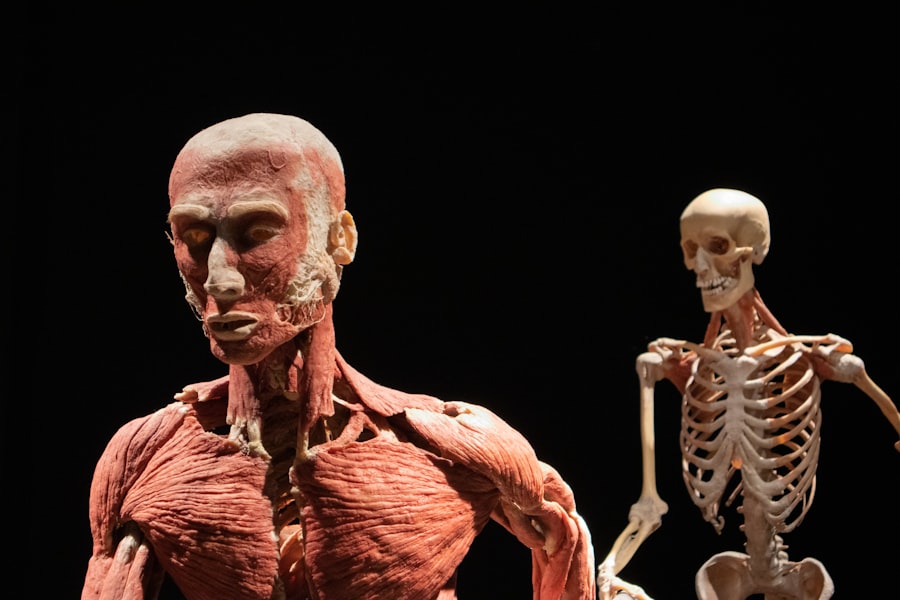
The visual system is particularly sensitive to the changes brought about by microgravity. Many astronauts have reported experiencing visual disturbances during their time in space, including blurred vision and difficulty focusing. These issues are often attributed to increased intracranial pressure resulting from fluid shifts within the body.
The pressure can affect the optic nerve and lead to a condition known as Spaceflight Associated Neuro-ocular Syndrome (SANS), which poses significant concerns for long-term space travel. Neurological changes are not limited to vision; they encompass a broader range of cognitive functions as well. Astronauts may experience alterations in spatial orientation and balance due to the absence of gravitational cues that typically guide these processes on Earth.
Additionally, some studies suggest that prolonged exposure to microgravity may impact cognitive performance, potentially affecting decision-making abilities and reaction times. Understanding these neurological adaptations is essential for ensuring that astronauts remain capable of performing critical tasks during missions.
Psychological and Emotional Adaptations
The psychological effects of space travel are as significant as the physical changes experienced by astronauts. The isolation and confinement inherent in long-duration missions can lead to feelings of loneliness, anxiety, and depression. The absence of familiar social interactions and environmental cues can exacerbate these feelings, making it essential for mission planners to consider mental health support as part of astronaut training and mission design.
Moreover, the stressors associated with living and working in a confined space can lead to interpersonal conflicts among crew members. Effective communication and teamwork become paramount in maintaining a positive group dynamic. Strategies such as regular psychological assessments, team-building exercises, and access to mental health resources are crucial for helping astronauts cope with the emotional challenges of space travel.
Strategies for Mitigating the Effects of Space on the Human Body
To address the myriad effects of microgravity on the human body, researchers have been exploring various strategies aimed at mitigating these challenges. One of the most effective methods involves implementing rigorous exercise regimens during space missions. Astronauts aboard the ISS engage in daily workouts using specialized equipment designed for microgravity conditions.
These exercise routines help counteract muscle atrophy and bone loss by providing mechanical loading that stimulates bone remodeling and maintains muscle strength. In addition to exercise, nutritional interventions play a vital role in supporting astronaut health. Ensuring an adequate intake of essential nutrients—such as calcium and vitamin D—can help mitigate bone density loss.
Furthermore, hydration strategies are crucial for managing fluid redistribution effects and maintaining overall physiological function during missions.
Long-Term Implications for Space Travel and Colonization
As humanity looks toward future endeavors such as Mars colonization or establishing permanent bases on other celestial bodies, understanding space adaptation becomes increasingly critical. The long-term implications of microgravity exposure on human health raise important questions about sustainability and safety for extended missions. Researchers must continue investigating how prolonged exposure affects various physiological systems to develop effective countermeasures.
Moreover, as plans for colonization evolve, considerations regarding human adaptability will be paramount. The potential need for terraforming or creating artificial environments that mimic Earth’s conditions may arise as scientists explore ways to support human life beyond our planet sustainably.
Potential Solutions for Adapting to Space Environments
Innovative solutions are being explored to enhance human adaptability in space environments. One promising avenue involves developing advanced technologies that simulate gravitational forces through artificial means—such as rotating habitats or centrifugal force systems—that could help mitigate some adverse effects associated with microgravity. Additionally, ongoing research into genetic factors influencing individual responses to microgravity may pave the way for personalized countermeasures tailored to specific astronaut needs.
By understanding how different individuals adapt biologically, scientists can create targeted interventions that enhance overall health during missions.
The Future of Human Space Adaptation
The future of human space adaptation holds immense potential as researchers continue unraveling the complexities of how our bodies respond to extraterrestrial environments. As humanity embarks on ambitious journeys beyond Earth, understanding these adaptations will be crucial for ensuring astronaut safety and well-being during long-duration missions. With ongoing advancements in technology and research methodologies, there is hope for developing effective strategies that will enable humans not only to survive but thrive in space environments.
As scientists work diligently toward unlocking the mysteries of space adaptation, they pave the way for a new era of exploration—one where humans can confidently venture into the cosmos with resilience and adaptability at their core.
Space travel presents a unique set of challenges to the human body, as prolonged exposure to microgravity can lead to significant physiological changes. These changes include muscle atrophy, bone density loss, and alterations in cardiovascular function. An interesting article that delves into these transformations is available on My Cosmic Ventures. It explores the various adaptations the human body undergoes during extended periods in space and the ongoing research aimed at mitigating these effects. For more detailed insights, you can read the full article by visiting this link.
FAQs
What changes occur in the human body in space?
In space, the human body experiences a variety of changes including muscle atrophy, bone density loss, fluid shifts, and changes in the cardiovascular system.
How does muscle atrophy occur in space?
Muscle atrophy occurs in space due to the lack of resistance from gravity. Astronauts’ muscles are not required to work as hard in microgravity, leading to muscle weakening and loss.
Why does bone density decrease in space?
In the absence of gravity, the body no longer needs to support its weight, leading to decreased bone density. This can result in a condition known as spaceflight osteopenia.
What are fluid shifts in space?
In microgravity, bodily fluids shift towards the upper body, causing the face to appear puffy and the legs to appear thinner. This can also lead to changes in vision and increased intracranial pressure.
How does the cardiovascular system change in space?
In space, the cardiovascular system undergoes changes such as a decrease in overall blood volume, a decrease in red blood cell production, and alterations in blood pressure regulation.
Can these changes be reversed after returning to Earth?
Many of the changes experienced in space can be reversed once back on Earth through rehabilitation and exercise programs. However, some changes may have long-term effects on the body.