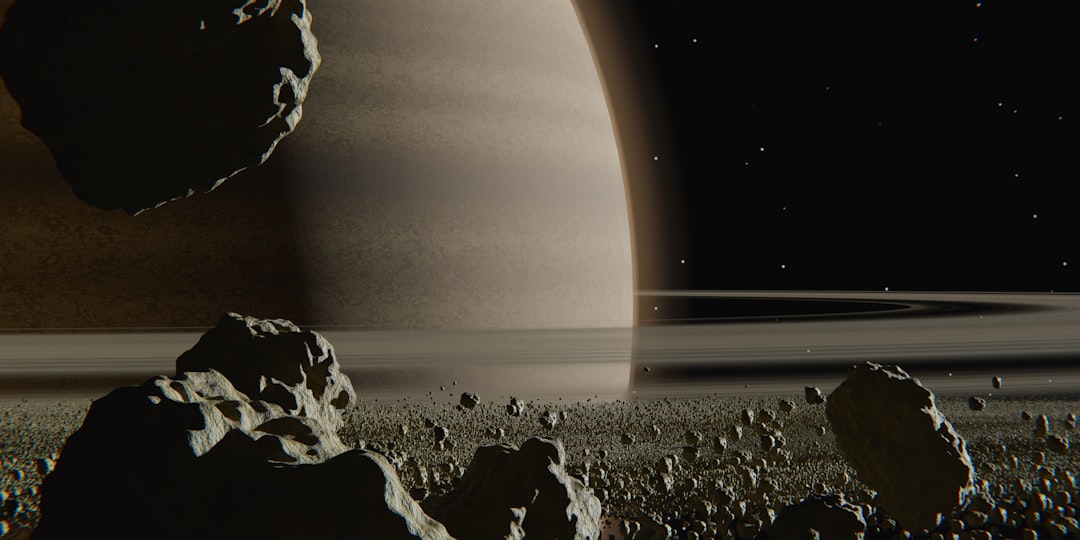
This documentary examines the current state and future trajectory of space exploration. It documents humanity’s achievements in space and explores emerging frontiers in space research and travel. The film features interviews with astronauts, scientists, and space industry leaders who discuss their work and research objectives.
The documentary addresses key questions about humanity’s role in the universe and the scientific value of space exploration. It presents information about potential discoveries and technological advances that may result from continued investment in space programs. The film highlights how space exploration contributes to scientific knowledge and technological innovation that can benefit society.
The documentary demonstrates the ongoing commitment of researchers and organizations to advance space exploration capabilities. It provides examples of current projects and missions that are expanding human understanding of space. The film illustrates how advances in space technology and exploration continue to develop as scientific knowledge increases and new technologies become available.
Explore the future of space travel with laser sails technology.
Key Takeaways
- Space exploration has evolved from early missions to advanced current technologies shaping humanity’s future.
- Technological innovations are crucial for overcoming challenges and enabling deeper space travel.
- Mars and beyond represent the next major frontiers for human exploration and potential colonization.
- Private companies are increasingly influential in driving space exploration efforts and innovation.
- Space exploration has significant impacts on Earth, including scientific advancements and inspiring global cooperation.
The History of Space Exploration
To truly appreciate the future of space exploration, you must first understand its rich history. The journey began in the mid-20th century when humanity first broke free from Earth’s gravitational pull. The launch of Sputnik 1 by the Soviet Union in 1957 marked a pivotal moment, igniting a fierce competition known as the Space Race.
You can almost feel the excitement in the air as nations raced to achieve milestones, culminating in Neil Armstrong’s historic moon landing in 1969. This monumental event not only showcased human ingenuity but also sparked a global fascination with space. As you delve deeper into this history, you will discover how each mission built upon the successes and failures of its predecessors.
The Apollo program, with its daring lunar missions, paved the way for future explorations, while space stations like Skylab and Mir demonstrated the potential for long-term human habitation in orbit. The Hubble Space Telescope revolutionized our understanding of the universe, allowing you to gaze into the depths of space and witness phenomena that were once beyond comprehension. Each chapter in this narrative reveals humanity’s insatiable curiosity and determination to explore the unknown.
The Current State of Space Exploration

Today, you stand at a remarkable juncture in space exploration, where advancements in technology and international collaboration are propelling us into a new era. Government agencies like NASA and ESA continue to lead ambitious missions, while private companies are emerging as key players in this dynamic landscape. You may be aware of SpaceX’s groundbreaking achievements, such as reusable rockets and crewed missions to the International Space Station (ISS).
These developments have not only reduced costs but have also reignited public interest in space travel. Moreover, international partnerships are becoming increasingly vital as nations recognize that collaboration can yield greater results than competition. The ISS serves as a testament to this spirit of cooperation, where astronauts from various countries work side by side to conduct research and experiments.
As you explore this current state of affairs, you will see how these collaborative efforts are paving the way for future missions to destinations like Mars and beyond. The excitement is palpable as humanity collectively reaches for new horizons.
The Role of Technology in Space Exploration
Technology plays an indispensable role in shaping the future of space exploration, and you will find yourself marveling at the innovations that have transformed our capabilities. From advanced propulsion systems to cutting-edge robotics, each technological leap brings us closer to unlocking the secrets of the universe. You may be particularly intrigued by developments in artificial intelligence (AI) and machine learning, which are enhancing our ability to analyze vast amounts of data collected from space missions.
Moreover, advancements in materials science are enabling the construction of spacecraft that can withstand extreme conditions. You will learn about breakthroughs in 3D printing technology, which allow for on-demand manufacturing of parts in space, reducing reliance on Earth-based resources. As you witness these innovations unfold, it becomes clear that technology is not just a tool; it is a catalyst for exploration that expands our horizons and redefines what is possible.
Challenges and Risks of Space Exploration
| Metric | Value | Notes |
|---|---|---|
| Documentary Title | The Future of Space Exploration | Working title |
| Duration | 90 minutes | Feature-length documentary |
| Release Year | 2025 | Projected release date |
| Key Topics Covered | Moon bases, Mars colonization, asteroid mining, space tourism, AI in space | Focus areas of exploration |
| Number of Interviews | 15 | Experts from NASA, ESA, private space companies |
| Target Audience | General public, space enthusiasts, students | Intended viewers |
| Distribution Platforms | Streaming services, educational channels, film festivals | Planned release channels |
| Estimated Viewership | 1 million+ | Within first year of release |
| Production Budget | 2 million | Estimated cost in USD |
| Filming Locations | USA, Europe, Space centers, observatories | Primary shooting sites |
While the prospects of space exploration are exhilarating, you must also confront the challenges and risks that accompany these endeavors. The harsh environment of space presents numerous obstacles, from radiation exposure to microgravity effects on human health. As you consider these factors, you will gain a deeper appreciation for the rigorous training and preparation that astronauts undergo before embarking on their missions.
Additionally, financial constraints pose significant challenges for both government agencies and private companies. You may find it disheartening to learn that many ambitious projects face budget cuts or delays due to shifting priorities. The documentary highlights these hurdles while emphasizing the resilience and determination of those involved in space exploration.
It serves as a reminder that progress often comes with setbacks, but it is through perseverance that we continue to push boundaries.
The Importance of Space Exploration for the Future of Humanity

As you reflect on the significance of space exploration, it becomes evident that it extends far beyond scientific discovery. The quest to explore other worlds holds profound implications for the future of humanity itself. You may ponder how understanding our universe can inform our approach to pressing issues on Earth, such as climate change and resource scarcity.
By studying other planets and their ecosystems, we can gain valuable insights into our own planet’s health. Furthermore, space exploration fosters international collaboration and unity among nations. In an era marked by division and conflict, working together towards a common goal can inspire hope and solidarity.
You will see how joint missions and shared knowledge can transcend borders, reminding us that we are all part of a larger cosmic community. As you contemplate these themes, you will come to appreciate how space exploration serves as a beacon of possibility for a brighter future.
The Next Frontier: Mars and Beyond
As you gaze toward the horizon of space exploration, Mars emerges as a focal point for future missions. The Red Planet has captured your imagination with its potential for human colonization and scientific discovery. You may be excited to learn about NASA’s Artemis program, which aims to return humans to the Moon as a stepping stone for eventual Mars missions.
The documentary delves into ongoing research about Mars’ atmosphere, geology, and potential for past or present life. You will discover how rovers like Perseverance are collecting data that could pave the way for human exploration.
As you envision astronauts walking on Martian soil, you can’t help but feel a sense of wonder about what they might discover. The possibilities are endless, from uncovering ancient microbial life to understanding planetary evolution.
The Future of Space Travel for Humans
The future of human space travel is an exhilarating prospect that invites you to dream big. As technology continues to advance, you will witness developments that could make interplanetary travel more accessible than ever before. Concepts like space elevators and advanced propulsion systems are being explored as potential solutions to reduce travel time and costs.
You may find yourself captivated by discussions about sustainable habitats on other planets, where humans could live and thrive. Moreover, as private companies continue to innovate in this field, commercial space travel is becoming a reality. You might be intrigued by initiatives aimed at making space tourism accessible to civilians, allowing everyday people to experience weightlessness and view Earth from above.
This democratization of space travel could inspire a new generation of explorers who dream of venturing beyond our atmosphere.
The Role of Private Companies in Space Exploration
In recent years, private companies have emerged as key players in the realm of space exploration, reshaping the landscape with their innovative approaches and ambitious goals. You may be familiar with SpaceX’s groundbreaking achievements in reusable rocket technology, which have significantly reduced launch costs and increased access to space. This shift towards privatization has sparked healthy competition among companies vying for contracts with government agencies and commercial clients alike.
As you explore this dynamic environment, you’ll discover how private companies are not only complementing government efforts but also driving advancements at an unprecedented pace. Collaborations between public agencies and private enterprises are becoming more common, leading to exciting partnerships that leverage each other’s strengths. This synergy has opened up new avenues for research and exploration, making it clear that the future of space exploration will be shaped by both public and private endeavors.
The Impact of Space Exploration on Earth
The impact of space exploration extends far beyond the confines of our atmosphere; it has profound implications for life on Earth as well. As you delve into this topic, you’ll uncover how technologies developed for space missions have found their way into everyday life. From satellite communications to GPS navigation systems, these innovations have transformed how we connect and navigate our world.
Moreover, space exploration has spurred advancements in fields such as medicine, environmental monitoring, and disaster response. You may be surprised to learn how research conducted in microgravity has led to breakthroughs in drug development and medical treatments. As you reflect on these connections, it becomes evident that investing in space exploration yields benefits that resonate throughout society.
The Exciting Future of Space Exploration
As you conclude your journey through the future of space exploration documentary, you are left with a sense of awe and anticipation for what lies ahead.
From Mars missions to advancements in technology, each step forward brings us closer to understanding our universe and our place within it.
You are reminded that space exploration is not merely about reaching distant planets; it is about fostering curiosity, collaboration, and innovation here on Earth. As you look up at the night sky, you can’t help but feel inspired by the collective efforts of those who dare to dream big and reach for the stars. The future is bright, filled with promise and potential—an exciting chapter waiting to be written in humanity’s quest for knowledge among the stars.
As we delve into the future of space exploration, it’s fascinating to consider the various advancements and missions that are on the horizon. A related article that provides insightful perspectives on this topic can be found at My Cosmic Ventures. This resource explores innovative technologies and the potential for human colonization of other planets, making it a must-read for anyone interested in the next chapter of our journey beyond Earth.
WATCH THIS! 🚀✨ Can Laser Sails Take Us to Alpha Centauri in 20 Years?
FAQs
What is the focus of the “Future of Space Exploration” documentary?
The documentary explores upcoming advancements, missions, and technologies in space exploration, highlighting how humanity plans to explore the Moon, Mars, and beyond.
Who are the key contributors featured in the documentary?
The documentary typically features scientists, astronauts, engineers, and space agency officials from organizations such as NASA, ESA, SpaceX, and other international space programs.
What technologies are discussed in the documentary?
It covers emerging technologies like reusable rockets, advanced propulsion systems, space habitats, robotics, and AI applications in space missions.
Does the documentary address international collaboration in space exploration?
Yes, it often emphasizes the importance of global partnerships and cooperation between countries to achieve ambitious space exploration goals.
Are future manned missions to Mars covered in the documentary?
Yes, the documentary discusses planned manned missions to Mars, including timelines, challenges, and the scientific objectives of these missions.
Is the documentary suitable for all age groups?
Most documentaries on this topic are designed to be educational and accessible to a wide audience, including students, space enthusiasts, and general viewers interested in science and technology.
Where can I watch the “Future of Space Exploration” documentary?
It may be available on streaming platforms, educational websites, or through space agency channels. Availability depends on the specific documentary version.
Does the documentary cover the role of private companies in space exploration?
Yes, it highlights the growing role of private aerospace companies like SpaceX, Blue Origin, and others in advancing space technology and missions.
How does the documentary address the challenges of space exploration?
It discusses technical, financial, and human challenges such as radiation exposure, life support systems, funding, and long-duration space travel risks.
Will the documentary discuss the potential for space colonization?
Many documentaries on this topic explore the concept of establishing human settlements on the Moon, Mars, and possibly other celestial bodies as part of future space exploration plans.