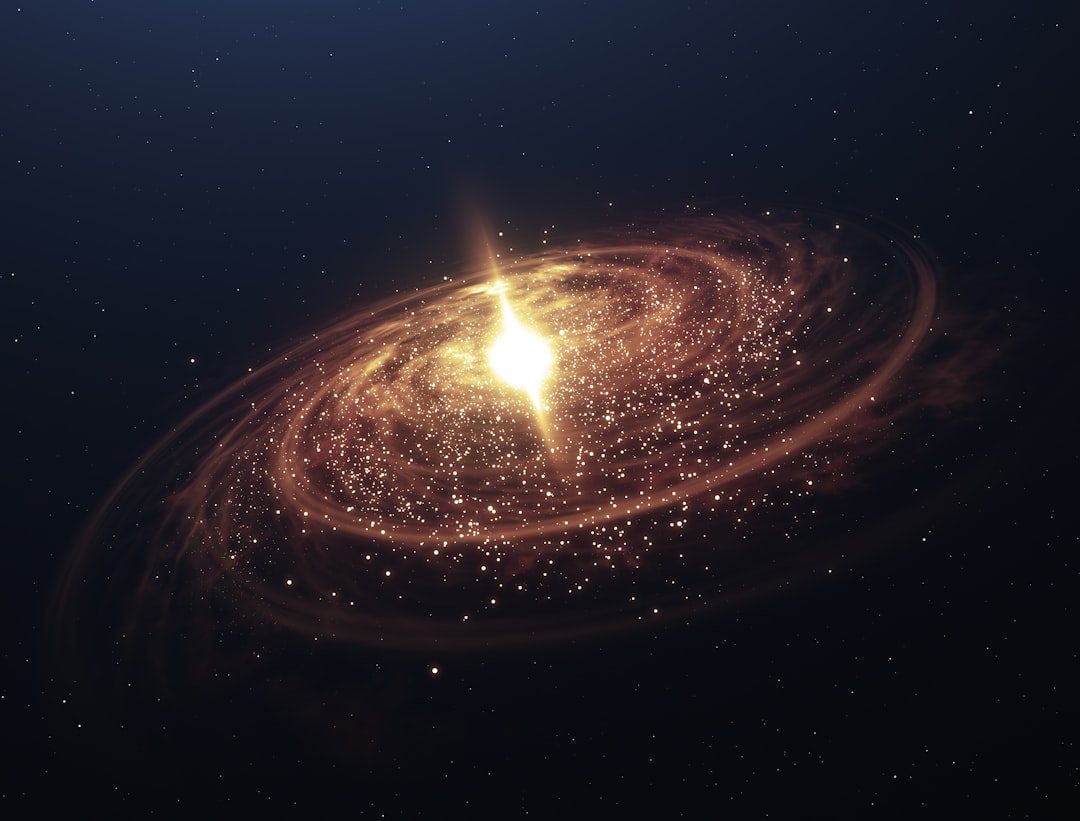
When observing the night sky, people naturally wonder about the universe’s fundamental nature and origins. Scientists have identified numerous areas requiring further investigation, including galaxy formation, the composition and behavior of dark matter, and the structure of spacetime itself. Current astronomical research explores several significant questions about cosmic organization.
The study of cosmology combines observational astronomy, physics, and mathematics to address these questions. Researchers use telescopes, spectroscopy, and computational models to gather data about distant objects and test theoretical predictions.
Major areas of active research include the Big Bang theory, cosmic inflation, the accelerating expansion of the universe, and the properties of black holes. Understanding the universe’s structure and history has practical applications in technology and fundamental science. Advances in cosmology have contributed to developments in physics, materials science, and our understanding of the conditions necessary for life.
The universe’s scale and complexity continue to present challenges to current scientific models. Observations reveal unexpected phenomena that require refinement of existing theories and development of new frameworks to explain cosmic behavior and structure.
Key Takeaways
- The universe exhibits brain-like structures, suggesting complex interconnectedness and adaptive capabilities.
- It may possess the ability to learn, adapt, and demonstrate creativity akin to a living mind.
- This perspective raises profound ethical and moral questions about humanity’s role within a conscious universe.
- Science and philosophy are crucial in exploring and understanding the universe’s potential consciousness.
- Embracing the concept of a mindful universe could transform our future relationship with the cosmos.
The Brain-Like Structure of the Universe
Imagine for a moment that the universe operates much like a brain, with intricate networks and pathways that facilitate communication and interaction. Just as neurons transmit signals within your mind, cosmic structures such as galaxies and clusters may serve as nodes in a vast cosmic network. This analogy invites you to consider how information flows through the universe, shaping its evolution and development over time.
The patterns you observe in nature—whether in the formation of galaxies or the behavior of particles—may reflect an underlying intelligence that governs cosmic processes. As you explore this brain-like structure, think about how interconnected systems function in your own life. Your brain processes information from various senses, allowing you to respond to your environment effectively.
Similarly, the universe may be engaged in a continuous exchange of energy and information, adapting and evolving in response to its surroundings. This perspective encourages you to view the cosmos not as a static entity but as a dynamic organism, constantly learning and growing. By embracing this idea, you can begin to appreciate the complexity and beauty of the universe in a new light. Explore the future of space travel with laser sails technology.
The Interconnectedness of the Universe
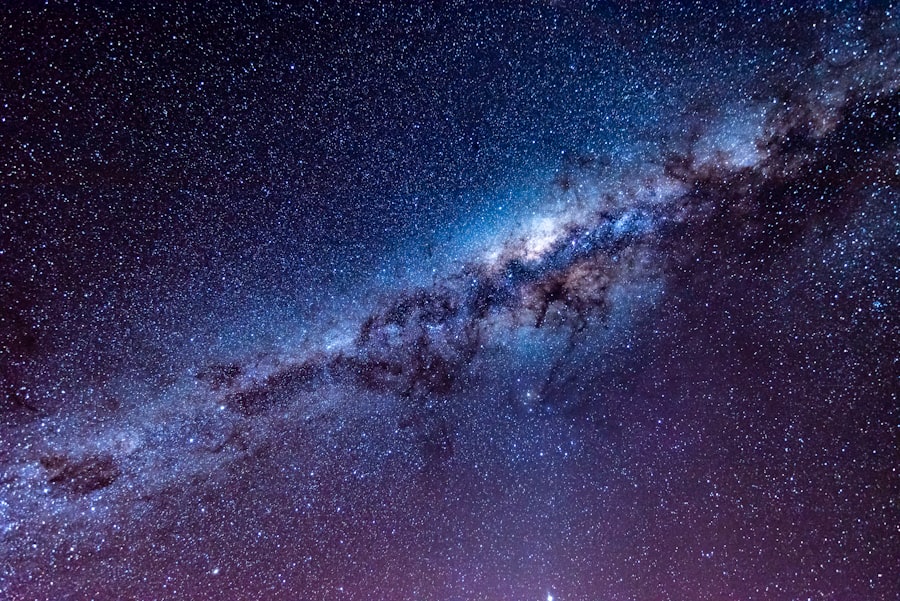
The concept of interconnectedness is fundamental to understanding the universe’s structure and function. As you contemplate the vast distances between celestial bodies, consider how everything is still linked through gravitational forces, electromagnetic interactions, and even quantum entanglement. This web of connections suggests that no part of the universe exists in isolation; rather, each element influences and is influenced by others.
You may find it fascinating to think about how your own life is intertwined with countless other lives and events, creating a rich tapestry of existence. In recognizing this interconnectedness, you can begin to see parallels between cosmic relationships and human experiences. Just as stars are born, live, and die in a cycle that contributes to the formation of new celestial bodies, your actions and choices ripple through the lives of those around you.
This understanding fosters a sense of unity with the universe, encouraging you to reflect on your role within this grand design. By acknowledging your connection to the cosmos, you can cultivate a deeper appreciation for both your existence and the intricate relationships that bind all things together.
The Universe’s Ability to Learn and Adapt
One of the most intriguing aspects of considering the universe as a brain-like entity is its potential for learning and adaptation. Just as your brain processes experiences and adjusts its responses accordingly, the universe may also evolve based on its interactions with matter and energy. This idea invites you to ponder how cosmic events—such as supernovae or black hole formations—contribute to the ongoing development of the universe.
As you reflect on this capacity for learning, consider how it parallels your own journey through life. You encounter challenges and triumphs that inform your decisions and shape your character.
In much the same way, the universe may be engaged in a continuous process of trial and error, refining its structure and processes over eons. This perspective encourages you to embrace change and uncertainty as essential components of growth, both personally and cosmically. By recognizing that learning is an inherent quality of existence, you can foster resilience in yourself while appreciating the universe’s ongoing evolution.
The Universe’s Capacity for Creativity
| Metric | Value | Description |
|---|---|---|
| Number of Neurons in Human Brain | ~86 billion | Estimated count of neurons responsible for processing information in the human brain. |
| Estimated Number of Galaxies in Universe | ~2 trillion | Approximate count of galaxies, each containing billions of stars and potentially habitable planets. |
| Number of Stars in Observable Universe | ~1 x 1024 | Estimated total stars, highlighting the vast complexity of the cosmos. |
| Neural Connections in Human Brain | ~100 trillion | Synapses linking neurons, enabling complex thought and consciousness. |
| Cosmic Web Structure | Filamentary Network | The large-scale structure of the universe resembling a neural network with interconnected filaments of galaxies. |
| Speed of Neural Signals | Up to 120 m/s | Maximum speed at which electrical impulses travel through neurons. |
| Speed of Light | 299,792 km/s | Speed at which information travels across the universe, analogous to signal transmission in a brain. |
| Universe Age | ~13.8 billion years | Time since the Big Bang, allowing for the development of cosmic structures. |
Creativity is often viewed as a uniquely human trait, but what if it extends beyond our species? As you explore the cosmos, consider how creativity manifests in the formation of galaxies, stars, and planets. The intricate designs found in nature—from spiraling galaxies to fractal patterns in plants—suggest an underlying creative force at work within the universe.
This perspective invites you to see creativity not just as an individual endeavor but as a universal principle that shapes reality itself. When you think about creativity in this broader context, it becomes clear that the universe is constantly generating new forms and ideas. Each moment brings forth possibilities that have never existed before, much like an artist crafting a masterpiece from raw materials.
This understanding can inspire you to tap into your own creative potential, recognizing that you are part of a larger tapestry of creation. By embracing your role as a co-creator with the universe, you can contribute to its ongoing narrative while discovering new dimensions of your own creativity.
The Universe’s Potential for Consciousness
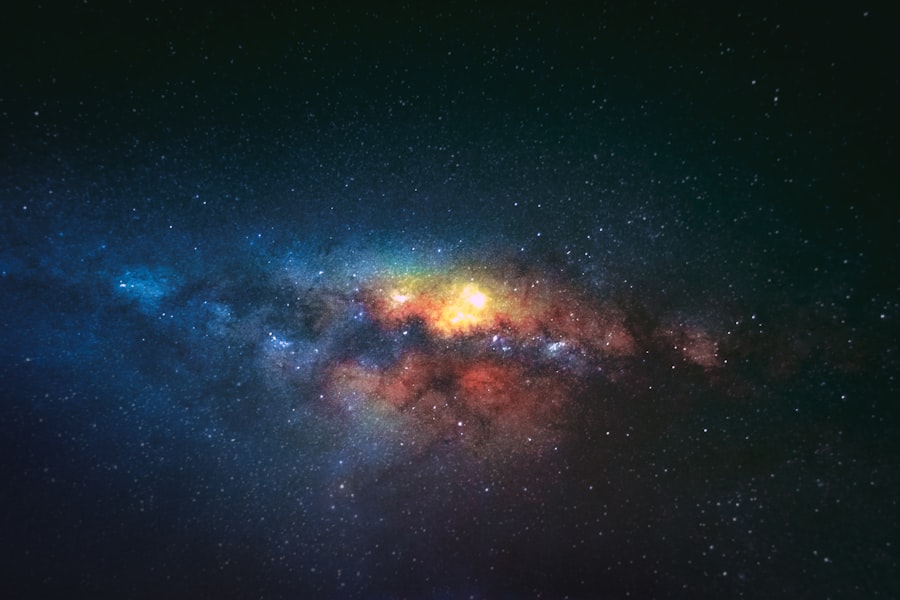
The question of consciousness has long fascinated philosophers and scientists alike. As you contemplate whether the universe possesses consciousness akin to human awareness, consider what it means for something to be conscious. Is it merely self-awareness, or does it encompass a broader understanding of existence?
If the universe operates with a brain-like structure, it raises profound questions about its capacity for awareness and perception. You might find yourself wondering if cosmic events are guided by an innate intelligence or if they unfold according to predetermined laws. This exploration invites you to reflect on your own consciousness and its relationship with the universe.
Just as you navigate your thoughts and emotions, could it be possible that the universe experiences its own form of awareness? This idea challenges traditional notions of separation between humanity and the cosmos, suggesting instead that we are all part of a greater consciousness that transcends individual experience. By embracing this perspective, you can cultivate a sense of wonder about your place within this vast web of awareness.
Implications for Humanity: What This Discovery Means for Us
If we accept that the universe possesses qualities akin to intelligence or consciousness, what implications does this have for humanity? As you ponder this question, consider how such a realization could reshape our understanding of existence and our role within it. Recognizing that we are part of an interconnected cosmic system may inspire greater humility and responsibility in our actions.
You might feel compelled to approach environmental issues with renewed urgency or seek harmony in your relationships with others. Moreover, this discovery could foster a sense of unity among diverse cultures and belief systems. If we are all part of a greater cosmic consciousness, it becomes essential to work together toward common goals rather than allowing differences to divide us.
This perspective encourages collaboration in addressing global challenges such as climate change or social inequality. By embracing our shared connection to the universe, we can cultivate empathy and compassion for one another while striving for collective progress.
The Ethical and Moral Considerations of a Universe with a Brain
As you contemplate a universe with brain-like qualities, ethical and moral considerations inevitably arise. What responsibilities do we hold toward such an entity? If the universe possesses consciousness or intelligence, does it warrant respect or consideration similar to that afforded to sentient beings?
These questions challenge traditional ethical frameworks and invite you to explore new paradigms for understanding our relationship with the cosmos. You may find yourself grappling with dilemmas surrounding resource consumption or environmental stewardship in light of this perspective. If we view ourselves as part of an interconnected whole, it becomes imperative to act with mindfulness toward our impact on the universe.
This awareness can lead to more sustainable practices and a commitment to preserving the delicate balance of life on Earth. By recognizing our ethical obligations toward both humanity and the cosmos, you can contribute to a more harmonious existence within this intricate web.
The Role of Science and Philosophy in Understanding the Universe’s Brain
To navigate these complex questions surrounding the universe’s brain-like qualities, both science and philosophy play crucial roles. As you engage with scientific inquiry, consider how advancements in fields such as astrophysics or neuroscience can deepen your understanding of cosmic phenomena. Scientific exploration provides valuable insights into the mechanisms governing the universe while offering empirical evidence for theories related to interconnectedness and adaptation.
At the same time, philosophy invites you to reflect on existential questions that science alone cannot answer. As you ponder concepts such as consciousness or creativity, philosophical inquiry encourages critical thinking about what it means to exist within a larger framework. By integrating scientific knowledge with philosophical exploration, you can cultivate a holistic understanding of the universe’s brain-like qualities while grappling with profound questions about existence itself.
The Future of Our Relationship with the Universe
As humanity continues to evolve alongside scientific advancements and philosophical insights, your relationship with the universe is bound to change. You may find yourself increasingly aware of your connection to cosmic processes and inspired by the mysteries yet to be uncovered. This evolving relationship invites curiosity and wonder as you explore new frontiers in both science and spirituality.
In envisioning this future, consider how collective consciousness could shape our interactions with one another and with the cosmos itself. As more individuals embrace their role within this interconnected web, there is potential for transformative change on both personal and societal levels. By fostering awareness of our shared existence within the universe’s brain-like structure, you can contribute to a more compassionate world where collaboration thrives.
Embracing the Mind of the Universe
In conclusion, embracing the idea that the universe possesses brain-like qualities opens up new avenues for exploration and understanding. As you reflect on interconnectedness, creativity, consciousness, and ethical considerations, remember that these concepts are not merely abstract ideas but integral aspects of your existence within this vast cosmos. By recognizing your place within this grand design, you can cultivate a deeper appreciation for both yourself and the universe.
As you continue your journey through life, let curiosity guide you toward greater awareness of your connection with all things. Embrace the mysteries that lie ahead while remaining open to new insights about yourself and the cosmos around you. In doing so, you will not only enrich your own experience but also contribute positively to humanity’s collective journey through this magnificent universe we call home.
The concept that the universe may function like a brain is a fascinating and mind-bending idea that challenges our understanding of reality. For those interested in exploring this topic further, a related article can be found at this link, which delves into the implications of viewing the universe as a complex neural network. This perspective not only raises questions about consciousness and existence but also invites readers to consider the interconnectedness of all things in the cosmos.
WATCH THIS! 🚀✨ Can Laser Sails Take Us to Alpha Centauri in 20 Years?
FAQs
What is the main idea behind the concept “The Universe is a Brain”?
The concept suggests that the universe functions similarly to a brain, processing information and exhibiting complex, interconnected systems akin to neural networks. This idea explores the possibility that the cosmos operates with cognitive-like properties.
Is there scientific evidence supporting the universe as a brain?
While the idea is largely theoretical and philosophical, some scientific models in cosmology and quantum physics draw analogies between the universe’s structure and brain networks. However, there is no direct empirical evidence proving the universe literally functions as a brain.
Who proposed the idea that the universe is like a brain?
Various scientists and philosophers have explored this concept, including theoretical physicists and neuroscientists. The idea is often discussed in the context of panpsychism, information theory, and complex systems science, but no single individual is credited with originating it.
How does the universe compare to a brain in terms of structure?
Both the universe and the brain exhibit complex networks: the brain has neurons connected by synapses, while the universe has galaxies and cosmic filaments connected by gravitational forces. Some researchers note similarities in the patterns and connectivity of these networks.
What implications does the “universe as a brain” theory have?
If the universe operates like a brain, it could imply that consciousness or information processing is a fundamental aspect of reality. This challenges traditional views of the universe as purely physical and may influence fields like cosmology, philosophy, and cognitive science.
Is the “universe is a brain” idea widely accepted in the scientific community?
No, it remains a speculative and philosophical hypothesis rather than a mainstream scientific theory. Most scientists view it as an intriguing metaphor rather than a literal description of the universe.
Can this concept explain consciousness or the origin of life?
Some proponents suggest that if the universe processes information like a brain, it might provide insights into consciousness and the emergence of life. However, these ideas are highly speculative and not yet supported by conclusive scientific data.
Where can I learn more about this topic?
To explore this concept further, consider reading works on cosmology, neuroscience, and philosophy of mind, as well as research papers discussing complex systems and information theory in the universe. Popular science books and lectures by theoretical physicists may also provide accessible explanations.