
Zero-point energy refers to the lowest possible energy that a quantum mechanical system may possess, a concept that emerges from the principles of quantum mechanics. Unlike classical systems, which can theoretically reach a state of zero energy, quantum systems are never completely at rest due to the inherent uncertainty principle. This means that even at absolute zero temperature, particles still exhibit fluctuations and retain a baseline level of energy.
The implications of zero-point energy are profound, suggesting that there exists a reservoir of energy in the vacuum of space itself, which could potentially be harnessed for various applications. The concept of zero-point energy challenges traditional notions of energy and matter. It posits that the vacuum is not empty but rather teeming with virtual particles and fluctuations that can be tapped into.
This idea has sparked interest among scientists and researchers who envision a future where this energy could be utilized for practical purposes. Understanding zero-point energy requires a grasp of quantum mechanics, as it fundamentally alters the way energy is perceived and opens up new avenues for exploration in both theoretical and applied physics.
Key Takeaways
- Zero-point energy is the lowest possible energy that a quantum mechanical physical system may have.
- Research on zero-point energy dates back to the early 20th century, with contributions from prominent physicists such as Albert Einstein and Max Planck.
- Theoretical applications of zero-point energy include the possibility of creating perpetual motion machines and extracting energy from vacuum fluctuations.
- Practical applications of zero-point energy are still in the experimental stage, but potential uses include power generation and propulsion systems.
- Challenges and limitations of harnessing zero-point energy include the difficulty of extracting usable energy from vacuum fluctuations and the potential for disrupting existing energy markets.
The History of Zero-Point Energy Research
The journey into the realm of zero-point energy began in the early 20th century with the development of quantum mechanics. Pioneering physicists such as Max Planck and Albert Einstein laid the groundwork for understanding energy quantization, leading to the realization that even in a vacuum, energy exists in discrete packets. The term “zero-point energy” was coined by physicist Otto Stern in the 1910s, who explored the implications of quantum fluctuations in atomic systems.
As research progressed through the decades, notable advancements were made in understanding zero-point energy’s role in various physical phenomena. In the 1930s, Richard Feynman and others began to explore its implications in quantum field theory, further solidifying its significance in modern physics. The latter half of the 20th century saw an increase in interest surrounding zero-point energy, particularly as scientists began to consider its potential applications beyond theoretical physics.
This growing curiosity has led to ongoing research and experimentation aimed at unlocking the mysteries of this elusive form of energy.
Theoretical Applications of Zero-Point Energy

The theoretical applications of zero-point energy are vast and varied, encompassing fields such as physics, engineering, and even cosmology. One of the most intriguing possibilities is its use as a limitless energy source. If harnessed effectively, zero-point energy could provide an inexhaustible supply of power, fundamentally altering the landscape of energy production.
This prospect has captured the imagination of researchers who envision a world where reliance on fossil fuels and other finite resources becomes obsolete. In addition to energy generation, zero-point energy has potential implications for advanced technologies such as propulsion systems for spacecraft. The idea of utilizing fluctuations in the vacuum to create thrust could revolutionize space travel, enabling faster and more efficient journeys across vast distances.
Furthermore, zero-point energy may play a role in developing new materials with unique properties, leading to innovations in nanotechnology and quantum computing. The theoretical applications are not only exciting but also challenge existing paradigms about what is possible within the realms of science and technology.
Practical Applications of Zero-Point Energy
| Practical Applications of Zero-Point Energy | Metrics |
|---|---|
| Energy Generation | Amount of energy produced |
| Transportation | Distance traveled using zero-point energy |
| Industrial Processes | Efficiency improvements |
| Space Exploration | Exploration range extended |
While theoretical applications of zero-point energy are promising, practical implementations remain largely speculative at this stage. Researchers have proposed various methods for harnessing this elusive form of energy, including devices that exploit quantum fluctuations or utilize resonant cavities to capture zero-point energy waves. However, translating these concepts into functional technologies has proven to be a formidable challenge.
One area where practical applications are being explored is in the realm of energy generation. Some inventors have claimed to develop devices capable of tapping into zero-point energy, although many of these claims lack rigorous scientific validation. The challenge lies not only in creating a device that can effectively harness this energy but also in demonstrating its viability under controlled conditions.
As research continues, scientists remain hopeful that breakthroughs will eventually lead to practical applications that can be integrated into existing energy infrastructures.
Challenges and Limitations of Harnessing Zero-Point Energy
Despite the tantalizing prospects associated with zero-point energy, significant challenges and limitations hinder its practical application. One major obstacle is the difficulty in isolating and capturing zero-point energy without interference from other forces or environmental factors. The inherent nature of quantum mechanics means that any attempt to measure or extract this energy may disrupt the very system being studied.
Additionally, there are concerns regarding the scalability of any potential technology designed to harness zero-point energy. While small-scale experiments may yield promising results, translating these findings into large-scale applications poses significant engineering challenges. Furthermore, the scientific community remains divided on the feasibility of harnessing zero-point energy at all, with some skeptics questioning whether it can be practically utilized without violating established laws of thermodynamics.
Zero-Point Energy and the Future of Energy Production
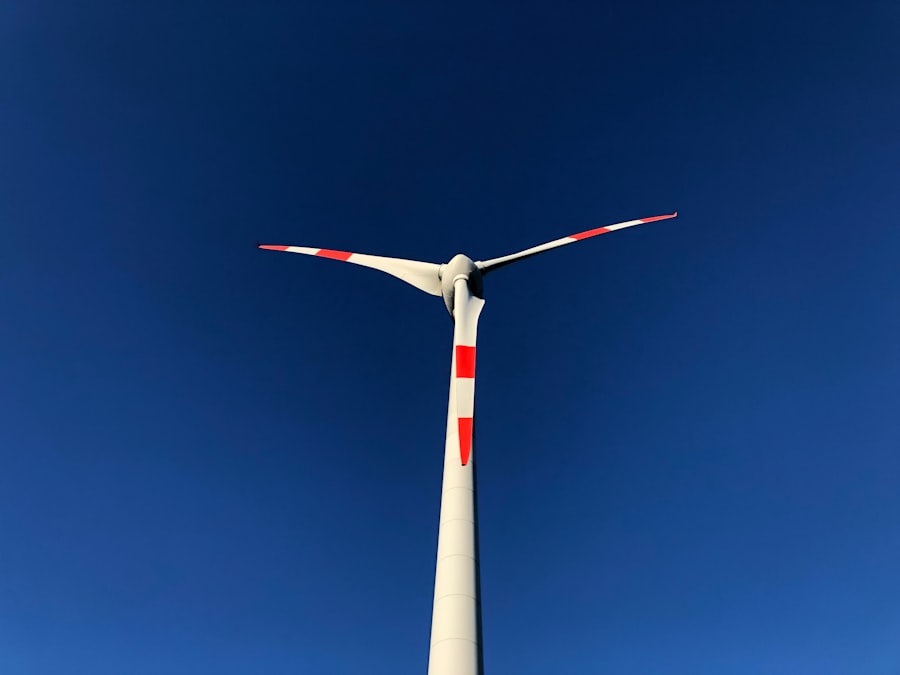
The future of energy production may be significantly influenced by advancements in understanding and harnessing zero-point energy. As global demand for clean and sustainable energy sources continues to rise, researchers are increasingly turning their attention to unconventional methods like zero-point energy extraction. If successful, this could lead to a paradigm shift in how society approaches energy consumption and production.
This would empower individuals and communities to produce their own energy sustainably, reducing reliance on centralized power grids and fossil fuels. The potential for zero-point energy to contribute to a more resilient and sustainable energy landscape is an exciting prospect that continues to drive research efforts in this field.
Zero-Point Energy and Environmental Sustainability
The implications of zero-point energy extend beyond mere technological advancements; they also hold promise for environmental sustainability. As concerns about climate change and resource depletion grow, finding alternative sources of clean energy becomes increasingly urgent. Zero-point energy offers a potential solution by providing an abundant source of power without the harmful emissions associated with traditional fossil fuels.
Harnessing zero-point energy could significantly reduce humanity’s carbon footprint while meeting growing energy demands. Unlike solar or wind power, which are dependent on environmental conditions, zero-point energy could provide a consistent and reliable source of power regardless of external factors. This reliability could facilitate a transition toward more sustainable practices across various sectors, from transportation to manufacturing.
Zero-Point Energy and Space Exploration
The potential applications of zero-point energy extend into the realm of space exploration as well. As humanity seeks to explore deeper into space, traditional propulsion methods face limitations in terms of efficiency and speed. Zero-point energy could offer innovative solutions for propulsion systems that allow spacecraft to travel faster and more efficiently than ever before.
Imagine spacecraft powered by zero-point energy capable of traversing vast distances in shorter timeframes than current technologies allow. This could open up new frontiers for exploration beyond our solar system, enabling missions to distant planets or even other star systems. The implications for scientific discovery and human expansion into space are profound, making zero-point energy an area of keen interest for aerospace engineers and astrophysicists alike.
The Role of Zero-Point Energy in Quantum Mechanics
Zero-point energy is deeply intertwined with the principles of quantum mechanics, serving as a fundamental aspect of how particles behave at microscopic scales. It exemplifies the concept that particles exist in states defined by probabilities rather than certainties, leading to phenomena such as quantum entanglement and superposition.
Moreover, research into zero-point energy has implications for advancing quantum technologies such as quantum computing and cryptography. By leveraging the principles underlying zero-point fluctuations, scientists may develop new methods for processing information or securing communications that surpass current capabilities. As researchers delve deeper into the mysteries of quantum mechanics, zero-point energy remains a key area of exploration with far-reaching consequences for both theoretical physics and practical applications.
Zero-Point Energy and Potential Economic Impact
The economic impact of harnessing zero-point energy could be transformative on a global scale. If successful technologies emerge that allow for efficient extraction and utilization of this form of energy, it could disrupt existing markets centered around fossil fuels and conventional power generation methods. This shift could lead to new industries focused on zero-point technology development and implementation.
Furthermore, widespread adoption of zero-point energy could result in decreased energy costs for consumers and businesses alike. With an abundant source of clean power available, economies could experience reduced reliance on imported fuels while fostering innovation in related sectors such as manufacturing and transportation. The potential economic benefits extend beyond mere cost savings; they encompass job creation opportunities within emerging fields dedicated to advancing zero-point technology.
Ethical Considerations of Zero-Point Energy Research and Development
As with any groundbreaking scientific endeavor, ethical considerations surrounding zero-point energy research must be addressed. The prospect of harnessing an abundant source of clean energy raises questions about equitable access and potential misuse. Ensuring that advancements benefit society as a whole rather than exacerbating existing inequalities will be crucial as research progresses.
Additionally, there are concerns regarding environmental impacts associated with developing technologies aimed at extracting zero-point energy. While it holds promise for sustainability, careful consideration must be given to potential unintended consequences that may arise during implementation phases. Engaging diverse stakeholders—including scientists, policymakers, and community members—in discussions about ethical frameworks will be essential as humanity navigates this uncharted territory in pursuit of harnessing zero-point energy for future generations.
In conclusion, while the concept of zero-point energy presents exciting possibilities across various domains—from sustainable power generation to advancements in space exploration—significant challenges remain before it can be practically realized. Continued research efforts will be vital in unlocking its potential while addressing ethical considerations surrounding its development and implementation.
Zero-point energy, a concept rooted in quantum mechanics, refers to the lowest possible energy that a quantum mechanical system may have, even at absolute zero temperature. This intriguing phenomenon has sparked numerous discussions and research in the scientific community, as it challenges our understanding of energy and the vacuum state. For those interested in exploring more about the implications and potential applications of zero-point energy, a related article can be found on