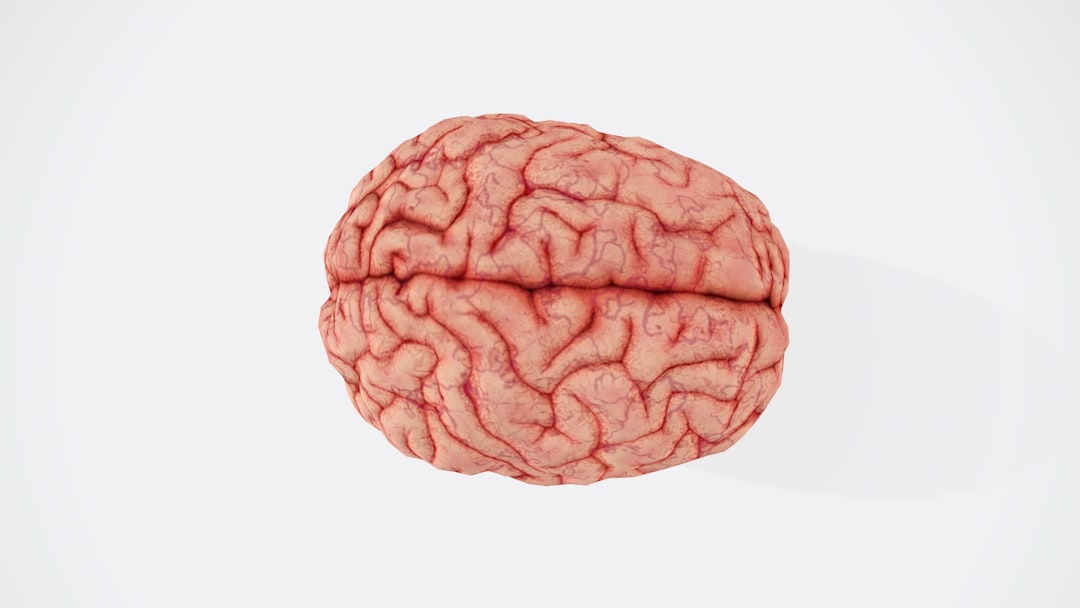
Predictive coding is a theoretical framework proposing that the brain operates as a predictive machine, continuously generating and updating a mental model of the world based on prior experiences and sensory inputs. This model enables the brain to anticipate future events and outcomes. By reducing the difference between predictions and actual sensory information, the brain operates more efficiently, conserving cognitive resources while improving its capacity to respond to environmental stimuli.
This concept has become influential across neuroscience, psychology, and artificial intelligence, as researchers investigate how the brain processes information and interprets complex environments. Predictive coding proposes that perception is an active process of hypothesis testing rather than passive reception of sensory data. The brain continuously generates predictions about incoming sensory information and compares these predictions to actual sensory input.
When discrepancies occur—termed prediction errors—the brain adjusts its internal model to better correspond with reality. This interaction between prediction and perception enables individuals to navigate their surroundings effectively, adapting to new information and experiences as they occur.
Key Takeaways
- Predictive coding is a brain mechanism that anticipates sensory input to optimize perception and cognition.
- It plays a crucial role in shaping how we perceive the world by constantly updating predictions based on new information.
- Predictive coding influences decision making by integrating past experiences and current sensory data to guide choices.
- This mechanism is fundamental to learning and memory, helping the brain to efficiently encode and retrieve information.
- Understanding and applying predictive coding has potential benefits for mental health, cognitive enhancement, and ethical considerations in technology use.
The Role of Predictive Coding in the Brain
The role of predictive coding in the brain is multifaceted, influencing various cognitive processes and neural mechanisms. At a fundamental level, predictive coding operates through hierarchical processing, where higher-order brain regions generate predictions that inform lower-order regions responsible for sensory processing. This hierarchical structure allows for efficient communication within the brain, as predictions from higher levels can guide attention and perception at lower levels.
For instance, when an individual hears a familiar tune, their brain anticipates the next notes based on previous experiences, allowing for quicker recognition and response. Moreover, predictive coding is closely linked to the concept of Bayesian inference, where the brain combines prior knowledge with new sensory information to update its beliefs about the world. This probabilistic approach enables individuals to make informed decisions based on incomplete or ambiguous data.
For example, when encountering a new object, the brain uses past experiences to predict its properties and behavior, facilitating quick judgments about how to interact with it. This integration of prior knowledge and real-time sensory input underscores the adaptability of the brain in navigating an ever-changing environment.
How Predictive Coding Shapes Perception
Predictive coding significantly shapes perception by influencing how individuals interpret sensory information. Rather than passively absorbing data from the environment, the brain actively constructs perceptions based on expectations formed from prior experiences. This means that what one perceives is often a reflection of their internal model rather than an objective representation of reality.
Additionally, predictive coding can lead to perceptual biases, where expectations can distort reality. When individuals have strong prior beliefs about a situation or object, they may overlook or misinterpret new information that contradicts those beliefs.
This phenomenon can be observed in various contexts, such as eyewitness testimonies in legal settings or consumer behavior in marketing.
The Impact of Predictive Coding on Decision Making
The impact of predictive coding on decision-making processes is profound, as it influences how individuals evaluate options and make choices. When faced with uncertainty, the brain relies on its predictive model to assess potential outcomes based on past experiences. This reliance on predictions allows individuals to make quicker decisions without exhaustive deliberation.
For example, when choosing between two restaurants, a person may draw upon previous dining experiences to predict which option will be more satisfying, streamlining their decision-making process. However, this reliance on predictive coding can also lead to cognitive biases that affect decision quality. Individuals may overestimate the likelihood of certain outcomes based on their past experiences while underestimating others.
This can result in suboptimal choices or missed opportunities. For instance, someone who has had a negative experience with a particular type of cuisine may avoid it altogether, even if new options could provide a positive experience. Understanding the role of predictive coding in decision-making can help individuals recognize these biases and make more informed choices.
Predictive Coding and Learning
| Metric | Description | Typical Value/Range | Relevance to Predictive Coding Brain |
|---|---|---|---|
| Prediction Error | Difference between expected sensory input and actual input | Varies by context; often measured as neural firing rate changes | Core signal used to update internal models in predictive coding |
| Hierarchical Levels | Number of processing layers in cortical hierarchy | Typically 5-7 layers in neocortex | Supports multi-level predictions and error correction |
| Neural Response Latency | Time delay between stimulus and neural response | 10-100 ms depending on brain region | Reflects speed of prediction and error signaling |
| Bayesian Update Rate | Rate at which prior beliefs are updated with new evidence | Context-dependent; often modeled computationally | Mathematical basis for predictive coding adjustments |
| Synaptic Plasticity | Change in synaptic strength related to learning | Measured in % change over minutes to hours | Enables adaptation of predictive models over time |
| Oscillatory Frequency Bands | Brain wave frequencies involved in prediction signaling | Delta (1-4 Hz), Theta (4-8 Hz), Beta (13-30 Hz), Gamma (30-100 Hz) | Different bands implicated in feedforward and feedback signaling |
Predictive coding plays a crucial role in learning by facilitating the acquisition of new knowledge and skills. As individuals encounter new information or experiences, their brains continuously update their internal models to incorporate this new data. This process allows for more accurate predictions in future situations, enhancing learning efficiency.
For example, when learning a new language, individuals rely on their existing knowledge of grammar and vocabulary to predict how new words will fit into sentences, aiding comprehension and retention. Furthermore, predictive coding emphasizes the importance of feedback in the learning process. When individuals receive feedback about their performance—whether positive or negative—their brains use this information to adjust their predictions and improve future outcomes.
This iterative process of prediction and adjustment is fundamental to skill development across various domains, from sports to academics. By harnessing the principles of predictive coding, educators and trainers can design more effective learning environments that promote active engagement and adaptive learning strategies.
The Relationship Between Predictive Coding and Memory
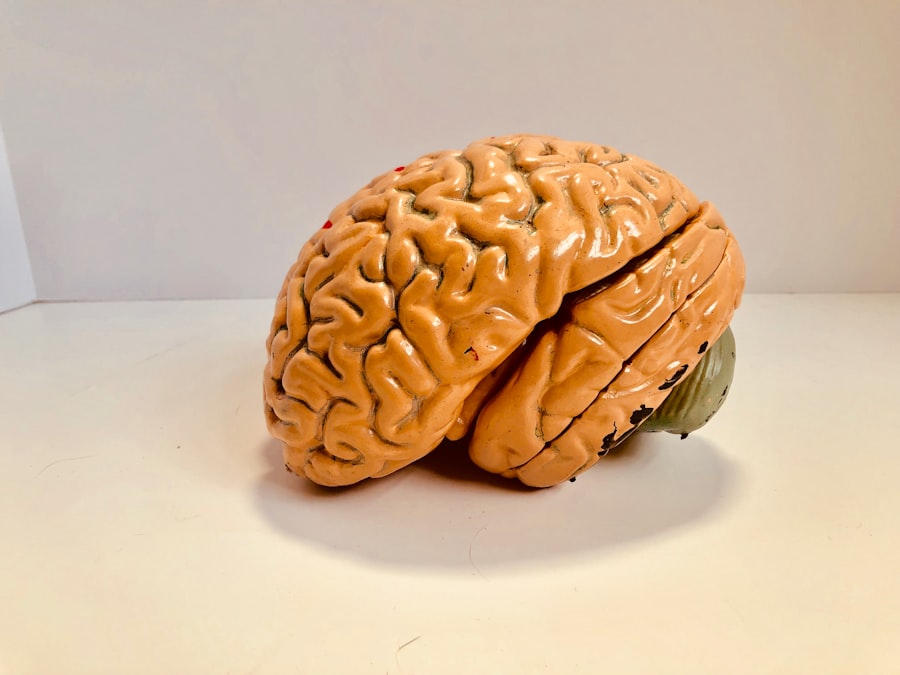
The relationship between predictive coding and memory is intricate and essential for understanding how individuals recall past experiences and apply them to current situations. Memory serves as a repository of prior knowledge that informs predictions about future events. When individuals retrieve memories, they do not merely access static representations; instead, they reconstruct memories based on their current context and expectations.
This dynamic process aligns with the principles of predictive coding, where past experiences shape present perceptions. Moreover, predictive coding suggests that memory is not infallible; it is subject to distortions influenced by current beliefs and expectations. For instance, when recalling an event, individuals may inadvertently alter details based on what they believe should have happened rather than what actually occurred.
This phenomenon highlights the malleability of memory and its reliance on predictive processes. Understanding this relationship can have significant implications for fields such as therapy and education, where accurate recall is crucial for personal growth and learning.
Predictive Coding in the Context of Mental Health
In recent years, researchers have begun exploring the implications of predictive coding in mental health contexts. Conditions such as anxiety and depression may be understood through the lens of predictive coding theory. For instance, individuals with anxiety often exhibit heightened sensitivity to prediction errors; they may overestimate threats in their environment based on past negative experiences.
This hyper-vigilance can lead to maladaptive behaviors aimed at avoiding perceived dangers but may ultimately reinforce anxiety symptoms. Conversely, individuals with depression may struggle with prediction errors due to a negative bias in their internal models. They may anticipate negative outcomes more readily than positive ones, leading to a cycle of pessimism that affects their overall well-being.
By applying predictive coding principles in therapeutic settings, mental health professionals can help clients reframe their internal models and develop healthier coping strategies. This approach emphasizes the potential for cognitive restructuring as a means of alleviating symptoms and promoting mental resilience.
Harnessing the Power of Predictive Coding for Cognitive Enhancement
Harnessing the power of predictive coding for cognitive enhancement presents exciting possibilities for improving mental performance and well-being. Techniques such as mindfulness meditation have been shown to enhance awareness of prediction errors and promote adaptive responses to uncertainty. By training individuals to observe their thoughts without judgment, mindfulness practices can help recalibrate internal models and reduce cognitive biases that hinder decision-making.
Additionally, advancements in technology offer innovative ways to leverage predictive coding principles for cognitive enhancement. Neurofeedback techniques allow individuals to receive real-time feedback about their brain activity, enabling them to adjust their mental states for improved focus or relaxation. Such interventions can empower individuals to take control of their cognitive processes and optimize their performance across various domains.
The Future of Predictive Coding Research
The future of predictive coding research holds great promise as scientists continue to unravel its complexities and applications across diverse fields. Ongoing studies aim to refine theoretical models and explore how predictive coding interacts with other cognitive processes such as attention, emotion regulation, and social cognition. As researchers delve deeper into these connections, they may uncover novel insights into human behavior and cognition that could inform interventions in education, mental health, and beyond.
Moreover, interdisciplinary collaborations between neuroscience, psychology, artificial intelligence, and philosophy are likely to drive advancements in understanding predictive coding’s implications for consciousness and self-awareness. As technology evolves, researchers may also explore how machine learning algorithms can mimic human predictive processes, leading to innovations in artificial intelligence that enhance human-computer interactions.
Practical Applications of Predictive Coding in Everyday Life
The practical applications of predictive coding extend into everyday life, influencing how individuals navigate their environments and interact with others. For instance, understanding how predictive coding shapes perception can enhance communication skills by fostering empathy and active listening. By recognizing that others may have different internal models based on their experiences, individuals can approach conversations with greater openness and understanding.
In addition to interpersonal interactions, predictive coding principles can be applied in various professional settings. In fields such as marketing or user experience design, understanding consumer behavior through the lens of predictive coding can lead to more effective strategies for engaging audiences. By anticipating customer needs based on past behaviors and preferences, businesses can create tailored experiences that resonate with consumers.
Ethical Considerations in the Use of Predictive Coding
As research into predictive coding advances, ethical considerations surrounding its application become increasingly important. The potential for manipulating individuals’ perceptions or decision-making processes raises questions about autonomy and consent. For instance, if marketers leverage insights from predictive coding to influence consumer behavior subtly, it may blur ethical lines regarding informed choice.
Furthermore, as technology continues to integrate predictive coding principles into cognitive enhancement tools or therapeutic interventions, ensuring equitable access becomes paramount. Disparities in access to such resources could exacerbate existing inequalities in mental health care or educational opportunities. Researchers and practitioners must navigate these ethical dilemmas thoughtfully while striving to harness the benefits of predictive coding for positive societal impact.
In conclusion, predictive coding offers a compelling framework for understanding how the brain processes information and shapes human experience across various domains. From perception and decision-making to learning and mental health, its implications are far-reaching and multifaceted. As research continues to evolve, embracing both its potential benefits and ethical considerations will be essential for maximizing its positive impact on individual lives and society as a whole.
Predictive coding is a fascinating concept in neuroscience that suggests our brains constantly generate and update a mental model of the world based on incoming sensory information. This theory has significant implications for understanding perception, action, and even mental health. For a deeper exploration of how predictive coding influences our cognitive processes, you can read more in this related article on My Cosmic Ventures.
FAQs
What is predictive coding in the brain?
Predictive coding is a theory in neuroscience that suggests the brain continuously generates and updates a mental model of the environment to predict sensory input. It minimizes the difference between expected and actual sensory information by adjusting its predictions.
How does predictive coding work in the brain?
The brain uses hierarchical processing where higher brain areas send predictions to lower sensory areas. When sensory input arrives, the brain compares it to these predictions and processes only the prediction errors—differences between expected and actual input—to update its internal model.
Why is predictive coding important for brain function?
Predictive coding helps the brain efficiently process vast amounts of sensory information by focusing on unexpected or novel stimuli. This mechanism supports perception, learning, attention, and decision-making by constantly refining the brain’s understanding of the world.
Which brain regions are involved in predictive coding?
Predictive coding involves multiple brain regions, including the sensory cortices, prefrontal cortex, and hierarchical neural circuits. These areas work together to generate predictions and process prediction errors across different levels of sensory and cognitive processing.
What evidence supports the predictive coding theory?
Evidence comes from neuroimaging, electrophysiological studies, and computational modeling showing that brain activity reflects prediction errors and hierarchical processing. Experiments demonstrate that the brain’s responses to sensory stimuli are influenced by prior expectations.
How does predictive coding relate to perception?
Predictive coding suggests that perception is an active process where the brain predicts sensory input rather than passively receiving it. Perception arises from the brain’s best guess of the causes of sensory signals, constantly updated by incoming information.
Can predictive coding explain neurological or psychiatric disorders?
Yes, disruptions in predictive coding mechanisms have been proposed to underlie conditions such as schizophrenia, autism, and hallucinations. Abnormalities in prediction error processing may lead to altered perception and cognition observed in these disorders.
Is predictive coding a universally accepted theory?
While predictive coding is a widely influential and supported framework, it remains a theory under active research. Some aspects are debated, and alternative models of brain function also exist, but predictive coding provides a compelling explanation for many neural phenomena.
How does predictive coding influence learning and memory?
Predictive coding facilitates learning by updating internal models based on prediction errors, allowing the brain to adapt to new information. This continuous adjustment supports memory formation and the refinement of knowledge about the environment.
What are the practical applications of understanding predictive coding?
Insights into predictive coding can improve artificial intelligence, enhance brain-computer interfaces, and inform treatments for mental health disorders. Understanding how the brain predicts and processes information can lead to advances in technology and medicine.