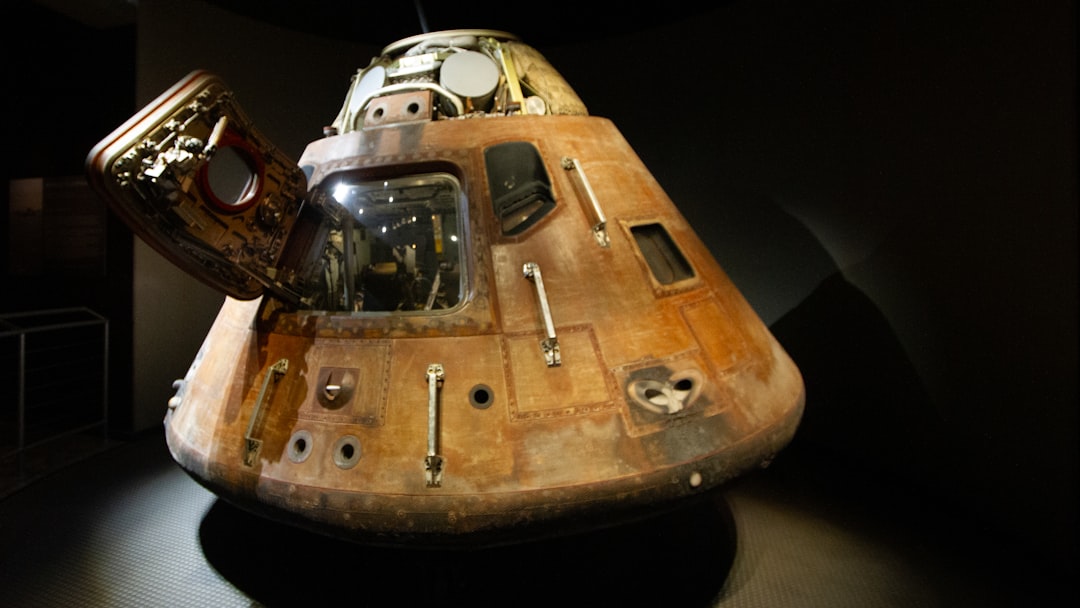
“The Final Frontier” is a documentary series exploring space exploration, documenting humanity’s quest for knowledge beyond Earth and the resulting technological and scientific advancements. The series combines high-quality visuals with expert commentary to guide viewers through cosmic exploration. The program comprehensively covers space exploration milestones, beginning with early rocket development and progressing to contemporary deep space missions.
It integrates historical context, astronaut testimonials, and detailed explanations of space agency operations. “The Final Frontier” provides educational content while fostering appreciation for the universe and humanity’s role in exploring it.
Key Takeaways
- The documentary series “The Final Frontier” provides a comprehensive overview of space exploration history and milestones.
- It highlights key events like the Moon race and the establishment of the International Space Station.
- The series explores ongoing Mars missions and the search for extraterrestrial life.
- It discusses future prospects of interstellar travel and the critical role of space agencies.
- Challenges such as radiation exposure and zero gravity effects are examined alongside space exploration’s impact on Earth.
Exploring the History of Space Exploration
The history of space exploration is a tale woven with ambition, innovation, and sometimes, tragedy. It began in earnest during the mid-20th century when the Cold War spurred a fierce competition between the United States and the Soviet Union. The launch of Sputnik 1 in 1957 marked a pivotal moment, as it became the first artificial satellite to orbit Earth, igniting public interest and governmental investment in space science.
This event set off a chain reaction that would lead to monumental achievements in human spaceflight and robotic exploration. As “The Final Frontier” illustrates, the early missions were fraught with challenges. The Mercury and Gemini programs laid the groundwork for human spaceflight, culminating in the historic Apollo 11 mission, which saw Neil Armstrong and Buzz Aldrin take humanity’s first steps on the lunar surface.
The documentary captures these moments with archival footage and personal accounts from those who lived through them, providing a rich context for understanding how these early endeavors shaped modern space exploration.
The Race to the Moon: A Closer Look
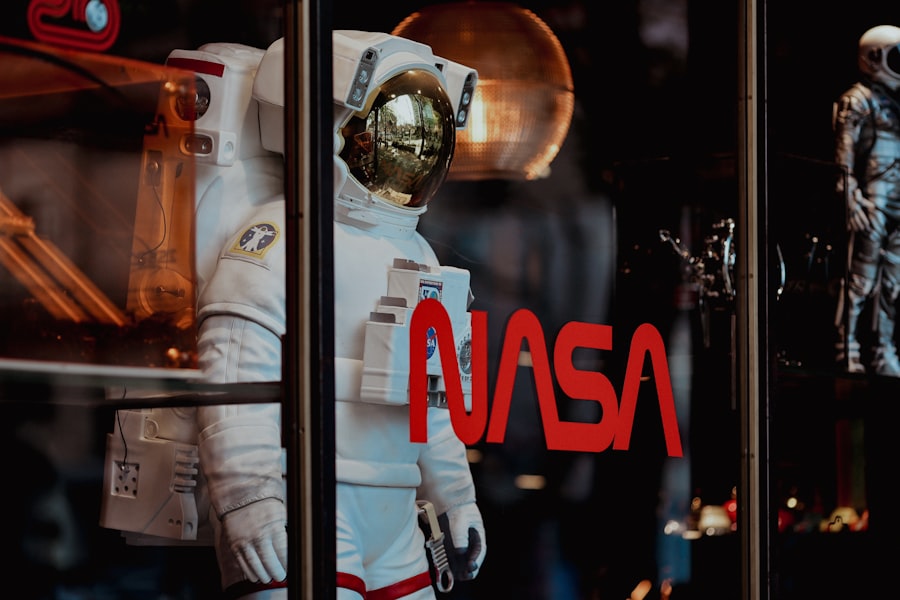
The race to the Moon was not merely a technological challenge; it was a symbol of national pride and human ingenuity. “The Final Frontier” delves into the intricacies of NASA’s Apollo program, showcasing how it united scientists, engineers, and astronauts in a common goal. The documentary highlights the rigorous training that astronauts underwent, emphasizing their physical and mental preparation for the rigors of space travel.
It also explores the behind-the-scenes efforts of countless individuals who worked tirelessly to ensure mission success. The series does not shy away from discussing the intense pressure faced by NASA during this period.
The documentary captures the tension leading up to Apollo 11, detailing how mission control operated under immense scrutiny while managing complex systems and unexpected challenges. The triumph of landing on the Moon was not just a victory for America; it was a monumental achievement for all humankind, showcasing what could be accomplished when vision meets determination.
The International Space Station: A Human Outpost in Space
The International Space Station (ISS) represents a remarkable feat of engineering and international collaboration. “The Final Frontier” dedicates significant attention to this orbiting laboratory, which serves as a testament to what can be achieved when nations work together toward a common goal. The documentary explores how the ISS has become a hub for scientific research, allowing astronauts from various countries to conduct experiments that benefit life on Earth and advance our understanding of space.
Life aboard the ISS is depicted with vivid detail in the series, showcasing both the challenges and rewards of living in microgravity. Astronauts share their experiences of daily routines, from conducting experiments to maintaining the station’s systems. The documentary emphasizes how this unique environment has led to groundbreaking discoveries in fields such as medicine, biology, and materials science.
By highlighting these contributions, “The Final Frontier” underscores the importance of continued investment in human spaceflight.
Mars Missions: The Quest for Red Planet
| Documentary Series | Number of Episodes | Average Episode Length (minutes) | Release Year | Platform | IMDB Rating |
|---|---|---|---|---|---|
| Cosmos: A Spacetime Odyssey | 13 | 44 | 2014 | Fox/National Geographic | 9.0 |
| The Planets | 8 | 60 | 2019 | BBC | 8.7 |
| Apollo: Missions to the Moon | 6 | 50 | 2019 | CuriosityStream | 8.2 |
| For All Mankind | 10 (Season 1) | 45 | 2019 | Apple TV+ | 8.4 |
| One Strange Rock | 10 | 45 | 2018 | National Geographic | 8.3 |
Mars has long captivated human imagination as a potential second home for humanity. “The Final Frontier” takes viewers on an exhilarating journey through various Mars missions, from early flybys to recent rovers exploring its surface.
The series also delves into international efforts to explore Mars, including missions by agencies such as ESA (European Space Agency) and ISRO (Indian Space Research Organisation). By presenting these collaborative endeavors, “The Final Frontier” illustrates how global partnerships are essential for tackling complex challenges in space exploration. The quest for Mars is not just about scientific discovery; it represents humanity’s desire to push boundaries and explore new frontiers.
The Search for Extraterrestrial Life
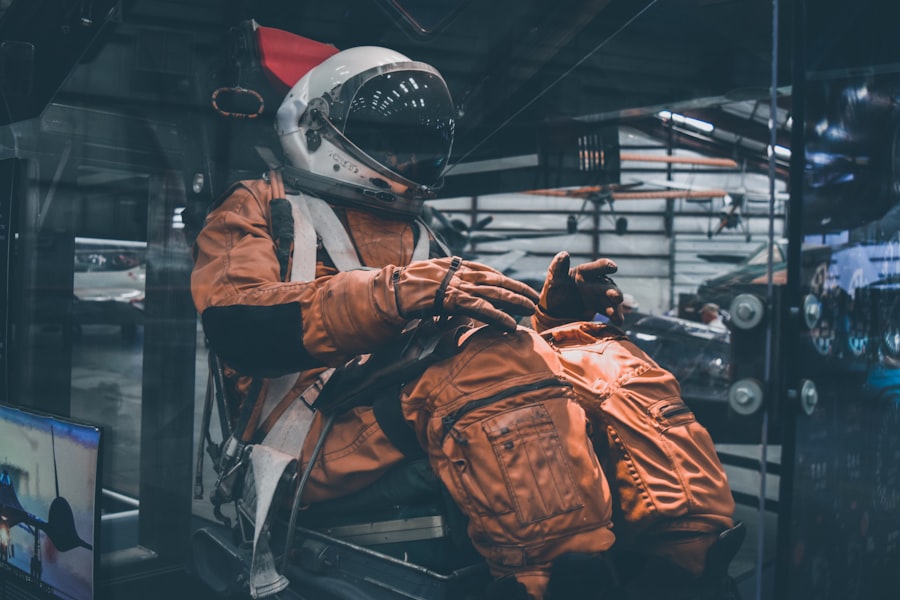
One of humanity’s most profound questions is whether we are alone in the universe. “The Final Frontier” explores this tantalizing possibility by examining various initiatives aimed at detecting extraterrestrial life. The documentary discusses projects like SETI (Search for Extraterrestrial Intelligence), which employs advanced technology to listen for signals from distant civilizations.
It also highlights missions that seek to understand potentially habitable environments on moons like Europa and Enceladus. Through interviews with astrobiologists and astronomers, the series presents a balanced view of the scientific community’s efforts to answer this question. It emphasizes that while no definitive evidence has been found yet, each discovery brings humanity one step closer to understanding our place in the cosmos.
The search for extraterrestrial life is portrayed not just as a scientific endeavor but as a philosophical journey that challenges our perceptions of existence.
The Future of Space Travel: Interstellar Exploration
As technology advances, so too does humanity’s ambition to explore beyond our solar system. “The Final Frontier” looks ahead to interstellar exploration, discussing theoretical concepts such as warp drives and generation ships that could one day make travel to distant stars feasible. The documentary features insights from leading scientists who are pushing the boundaries of what is possible in space travel.
The series also addresses the ethical considerations surrounding interstellar exploration. As humanity contemplates reaching out to other star systems, questions arise about our responsibilities as explorers. What impact would our presence have on potential extraterrestrial ecosystems?
“The Final Frontier” encourages viewers to think critically about these issues while remaining optimistic about humanity’s future in space.
The Role of Space Agencies in Pushing Boundaries
Space agencies play a crucial role in advancing our understanding of the universe and pushing technological boundaries. “The Final Frontier” highlights key players such as NASA, ESA, Roscosmos, CNSA (China National Space Administration), and others that have contributed significantly to space exploration efforts. Each agency brings unique expertise and resources to collaborative missions that expand humanity’s reach into space.
The documentary emphasizes how these organizations foster innovation through competition and cooperation alike. By sharing knowledge and resources, they can tackle complex challenges more effectively than any single entity could alone. “The Final Frontier” showcases successful partnerships that have led to groundbreaking missions, illustrating how collaboration is essential for future endeavors in space exploration.
The Challenges of Space Exploration: From Radiation to Zero Gravity
While space exploration offers incredible opportunities for discovery, it is not without its challenges. “The Final Frontier” candidly addresses some of the most significant obstacles faced by astronauts and scientists alike. One major concern is radiation exposure; beyond Earth’s protective atmosphere lies an environment filled with harmful cosmic rays that can pose serious health risks during long-duration missions.
Additionally, living in microgravity presents unique physiological challenges for astronauts. The documentary explores how prolonged exposure can lead to muscle atrophy, bone density loss, and other health issues. To combat these effects, researchers are developing countermeasures such as exercise regimens and nutritional strategies tailored for life in space.
By shedding light on these challenges, “The Final Frontier” underscores the importance of ongoing research to ensure astronaut safety during future missions.
The Impact of Space Exploration on Earth and Beyond
The benefits of space exploration extend far beyond scientific discovery; they have profound implications for life on Earth as well. “The Final Frontier” illustrates how technologies developed for space missions have led to advancements in various fields such as telecommunications, medicine, and environmental monitoring. For instance, satellite technology has revolutionized weather forecasting and disaster response efforts.
Moreover, space exploration fosters international cooperation and inspires future generations to pursue careers in science, technology, engineering, and mathematics (STEM). By showcasing diverse stories from astronauts and scientists around the world, “The Final Frontier” emphasizes that space exploration is a shared human endeavor that transcends borders and unites people in their quest for knowledge.
The Legacy of The Final Frontier
In conclusion, “The Final Frontier” serves as both an educational resource and an inspirational narrative about humanity’s journey into space. It encapsulates the triumphs and tribulations faced by explorers who dared to venture beyond their home planet while highlighting the collaborative spirit that drives progress in this field. As viewers reflect on the stories presented throughout the series, they are reminded that each step taken into the cosmos brings them closer to understanding their place within it.
Ultimately, “The Final Frontier” leaves audiences with a sense of hope for future explorations—whether it be returning humans to the Moon or sending robotic probes to distant exoplanets. The legacy of this documentary lies not only in its portrayal of past achievements but also in its vision for what lies ahead: a future where humanity continues to reach for the stars with curiosity and determination.
In the realm of space exploration, the documentary series “My Cosmic Ventures” offers an in-depth look at humanity’s quest to understand the universe. For those interested in further exploring this captivating subject, the article on the official website provides additional insights and updates on ongoing missions and discoveries. You can read more about it in this related article: