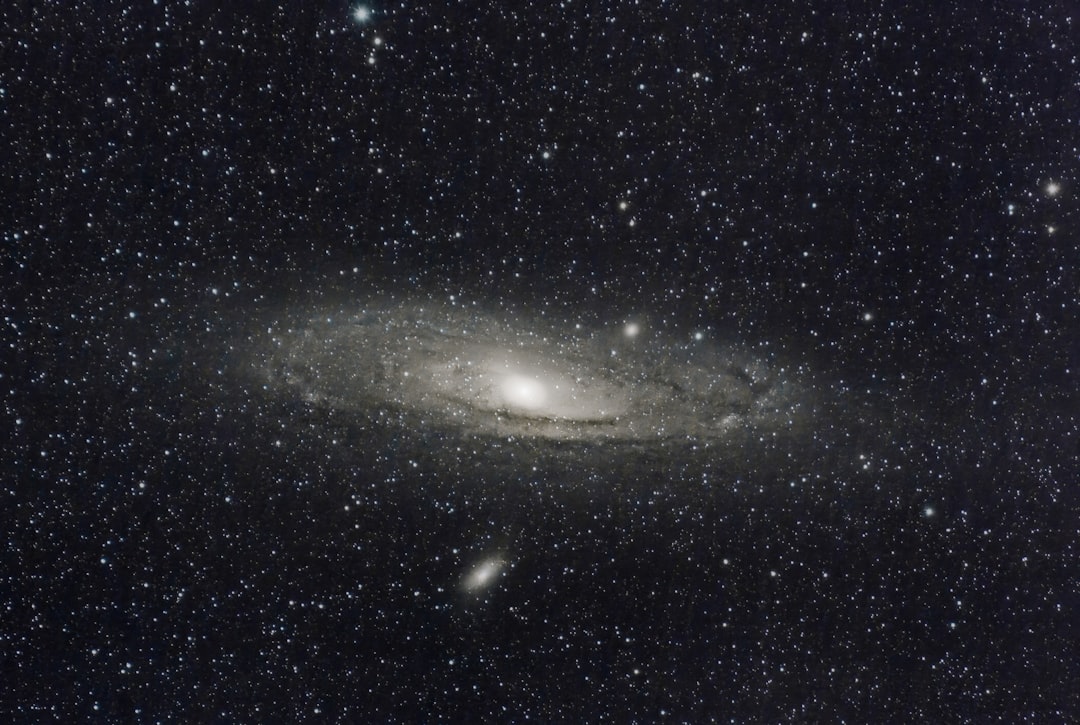
The Andromeda Galaxy, known scientifically as M31, is a magnificent spiral galaxy that captivates both amateur stargazers and professional astronomers alike. Located approximately 2.537 million light-years from Earth, it is the closest spiral galaxy to our own Milky Way. With its vast collection of stars, gas, and dust, Andromeda is a cosmic marvel that offers a glimpse into the structure and evolution of galaxies.
As you gaze up at the night sky, the sight of this celestial giant serves as a reminder of the vastness of the universe and our place within it. Andromeda is not just a distant speck of light; it is a dynamic system that plays a crucial role in our understanding of galactic formation and behavior. Its sheer size, containing an estimated one trillion stars, dwarfs our own galaxy, which houses around 200 billion stars.
The study of Andromeda provides valuable insights into the processes that govern galaxy formation and evolution, making it an essential subject for astronomers seeking to unravel the mysteries of the cosmos.
Key Takeaways
- The Andromeda Galaxy is the closest spiral galaxy to the Milky Way and is a popular subject of study in astronomy.
- Rotation speed in galaxies refers to the speed at which stars and gas orbit around the center of the galaxy, providing insight into its mass distribution.
- Observations of the Andromeda Galaxy’s rotation speed have revealed that it rotates much faster than previously thought, challenging existing models.
- The significance of the Andromeda Galaxy’s high rotation speed lies in its potential to reshape our understanding of galaxy formation and evolution.
- When compared to other galaxies, the Andromeda Galaxy’s rotation speed stands out as one of the fastest, raising questions about its unique characteristics.
Understanding the concept of rotation speed in galaxies
When you think about galaxies, it’s essential to consider their rotation speed, which refers to how quickly a galaxy spins around its center. This speed is not uniform; different parts of a galaxy can rotate at varying velocities. Understanding rotation speed is crucial because it helps astronomers determine the mass distribution within a galaxy and provides insights into its overall structure and dynamics.
The rotation curve, which plots the rotation speed against distance from the galactic center, reveals much about the gravitational forces at play. In a typical spiral galaxy like Andromeda, you would expect the outer regions to rotate more slowly than those closer to the center due to the gravitational pull of the mass concentrated at the core. However, observations often reveal a flat rotation curve, where outer regions rotate at unexpectedly high speeds.
This phenomenon raises questions about the presence of unseen mass—specifically dark matter—which influences the rotation dynamics of galaxies. By studying these speeds, you can gain a deeper understanding of not only Andromeda but also the fundamental principles governing all galaxies.
Observing the rotation speed of the Andromeda Galaxy
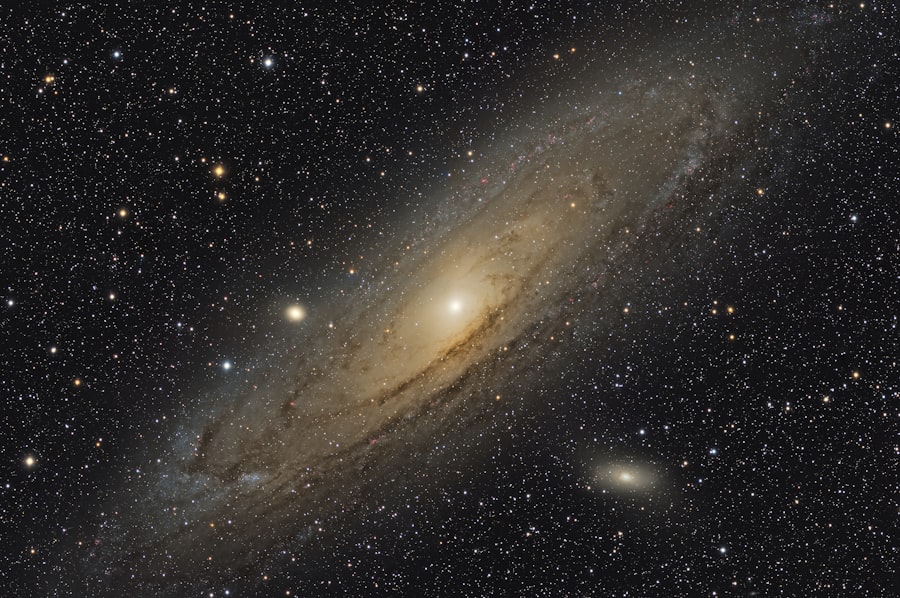
Observing the rotation speed of the Andromeda Galaxy involves sophisticated techniques and advanced technology. Astronomers utilize various methods, including spectroscopy and radio observations, to measure the velocities of stars and gas clouds within the galaxy. By analyzing the light emitted or absorbed by these celestial objects, you can determine their motion relative to Earth.
This data is then used to construct a detailed rotation curve for Andromeda. The results of these observations have revealed that Andromeda’s outer regions rotate at surprisingly high speeds, similar to those found in other spiral galaxies. This finding has significant implications for our understanding of galactic dynamics and challenges traditional models of galaxy formation.
As you delve deeper into this subject, you’ll discover how these measurements contribute to our knowledge of dark matter and its role in shaping galaxies.
The significance of the Andromeda Galaxy’s rotation speed
| Rotation Speed | Significance |
|---|---|
| 220 km/s | Andromeda’s rotation speed is faster than the Milky Way’s, indicating a potential collision in the future. |
| 2.5 million years | It takes approximately 2.5 million years for Andromeda to complete one full rotation. |
| Stellar Kinematics | Studying the rotation speed helps scientists understand the distribution of mass and dark matter within the galaxy. |
The rotation speed of the Andromeda Galaxy holds profound significance for astronomers and cosmologists alike. It serves as a critical indicator of the galaxy’s mass distribution and provides insights into its gravitational dynamics. By understanding how fast Andromeda rotates, you can infer the presence and distribution of dark matter within its structure.
This knowledge is vital for constructing accurate models of galaxy formation and evolution. Moreover, studying Andromeda’s rotation speed allows you to draw comparisons with other galaxies, enhancing your understanding of galactic behavior across different environments. The unique characteristics of Andromeda make it an ideal laboratory for testing theories about galaxy dynamics and dark matter.
As you explore this topic further, you’ll appreciate how these findings contribute to our broader understanding of the universe’s structure and evolution.
Comparing the Andromeda Galaxy’s rotation speed to other galaxies
When you compare the rotation speed of the Andromeda Galaxy to that of other galaxies, intriguing patterns emerge. For instance, many spiral galaxies exhibit similar flat rotation curves, suggesting a commonality in their mass distribution and dark matter content. However, Andromeda stands out due to its sheer size and mass, making it a key player in understanding galactic dynamics on a larger scale.
In contrast to smaller galaxies, which may exhibit more pronounced variations in rotation speed due to their lower mass and gravitational influence, Andromeda’s robust rotation curve indicates a well-defined structure supported by significant dark matter.
The impact of the Andromeda Galaxy’s rotation speed on its structure
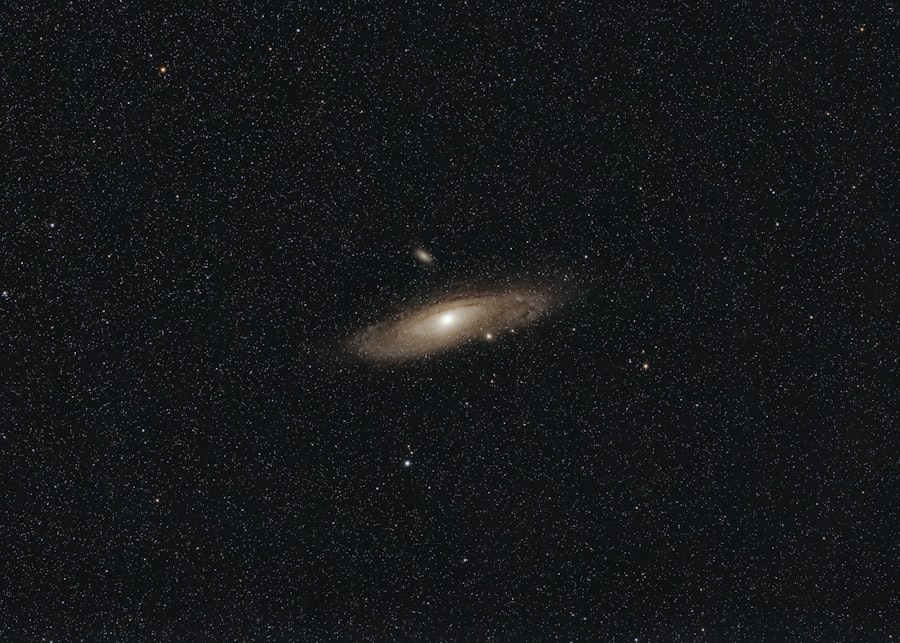
The rotation speed of the Andromeda Galaxy has a direct impact on its overall structure and morphology. As you consider how galaxies form and evolve over time, it’s essential to recognize that rotation plays a crucial role in shaping their spiral arms and disk structures. The high rotation speeds observed in Andromeda contribute to its well-defined spiral arms, which are rich in star formation activity.
Additionally, the balance between rotational forces and gravitational attraction influences the stability of Andromeda’s structure. If the rotation speed were significantly different, it could lead to structural changes or even destabilization over time. By studying these dynamics, you can gain insights into how galaxies maintain their shapes and how they might evolve in response to various cosmic forces.
Exploring the implications of the Andromeda Galaxy’s rotation speed on the universe
The implications of Andromeda’s rotation speed extend far beyond its own structure; they resonate throughout our understanding of the universe as a whole. The study of galactic rotation speeds contributes to our comprehension of dark matter’s role in cosmic evolution. As you explore this topic further, you’ll find that understanding how galaxies like Andromeda interact with dark matter can shed light on fundamental questions about the universe’s composition and fate.
Moreover, examining Andromeda’s dynamics can provide insights into galaxy mergers and interactions—events that are common in cosmic history. As Andromeda approaches our Milky Way for a future collision, understanding its rotation speed will be crucial for predicting how this interaction will unfold and what consequences it may have for both galaxies involved.
The role of dark matter in influencing the Andromeda Galaxy’s rotation speed
Dark matter plays an essential role in influencing the rotation speed of the Andromeda Galaxy. This mysterious substance does not emit light or energy, making it invisible to traditional observational methods. However, its presence is inferred through its gravitational effects on visible matter.
As you delve into this topic, you’ll discover that dark matter constitutes a significant portion of Andromeda’s total mass, affecting its rotational dynamics. The flat rotation curve observed in Andromeda suggests that there is much more mass present than what can be accounted for by visible stars and gas alone. This discrepancy points to a substantial amount of dark matter surrounding the galaxy, forming what is known as a dark matter halo.
Understanding this relationship between dark matter and rotation speed is crucial for developing accurate models of galaxy formation and evolution.
The technological advancements in measuring the Andromeda Galaxy’s rotation speed
Advancements in technology have revolutionized our ability to measure the rotation speed of galaxies like Andromeda. Modern telescopes equipped with advanced spectrographs allow astronomers to analyze light from distant stars with unprecedented precision. Techniques such as integral field spectroscopy enable researchers to capture detailed information about stellar velocities across large areas of a galaxy simultaneously.
These technological innovations have led to more accurate measurements of Andromeda’s rotation speed and have enhanced our understanding of its dynamics. As you explore this field further, you’ll appreciate how these advancements not only improve our knowledge of individual galaxies but also contribute to broader astronomical research efforts.
The future implications of studying the Andromeda Galaxy’s rotation speed
As you look ahead to future research on the Andromeda Galaxy’s rotation speed, exciting possibilities emerge. Continued observations will refine our understanding of its dynamics and provide new insights into dark matter’s role in shaping galactic structures.
Moreover, as we prepare for the eventual collision between Andromeda and our Milky Way, understanding its rotation speed will be crucial for predicting how this event will unfold. The knowledge gained from studying Andromeda will not only inform our understanding of this specific interaction but also contribute to broader theories about galaxy mergers throughout cosmic history.
The Andromeda Galaxy’s rotation speed as a cosmic spectacle
In conclusion, the rotation speed of the Andromeda Galaxy serves as a captivating focal point for astronomers seeking to unravel the mysteries of galactic dynamics and dark matter. Its unique characteristics make it an invaluable subject for study, offering insights into both individual galaxies and broader cosmic phenomena. As you reflect on this cosmic spectacle, consider how each measurement contributes to our understanding of the universe’s structure and evolution.
The ongoing exploration of Andromeda’s rotation speed promises to yield new discoveries that will deepen your appreciation for this magnificent galaxy and its role in shaping our understanding of the cosmos. As we continue to observe and analyze this celestial giant, we are reminded that even in the vastness of space, there are still mysteries waiting to be uncovered—each revelation bringing us one step closer to understanding our place in this grand universe.
The rotation speed of the Andromeda Galaxy has long intrigued astronomers, as it provides crucial insights into the galaxy’s mass distribution and dark matter content. Recent studies have utilized advanced telescopic technology to measure the velocity of stars and gas within Andromeda, revealing a more complex rotational pattern than previously understood. For those interested in delving deeper into the intricacies of Andromeda’s rotation and its implications for our understanding of galactic dynamics, a related article can be found on My Cosmic Ventures. This article explores the latest findings and discusses how they challenge existing models of galaxy formation and behavior.
FAQs
What is the rotation speed of the Andromeda galaxy?
The Andromeda galaxy has a rotation speed of about 225 kilometers per second at its outer edges.
How was the rotation speed of Andromeda galaxy measured?
The rotation speed of the Andromeda galaxy was measured using the Doppler effect, which involves observing the shift in the wavelength of light emitted by stars in the galaxy as they move towards or away from Earth.
Why is the rotation speed of the Andromeda galaxy important?
Studying the rotation speed of the Andromeda galaxy can provide valuable insights into its structure, mass distribution, and evolution. It also helps astronomers understand the dynamics of galaxies in general.
How does the rotation speed of Andromeda compare to the Milky Way?
The Andromeda galaxy’s rotation speed is similar to that of the Milky Way, with both galaxies rotating at speeds of around 200-250 kilometers per second at their outer edges.
What implications does the rotation speed of Andromeda have for the future collision with the Milky Way?
The similar rotation speeds of Andromeda and the Milky Way suggest that their eventual collision, predicted to occur in about 4 billion years, will likely result in a complex and turbulent merger of the two galaxies.