The human brain is a complex organ, capable of processing vast amounts of information in a fraction of a second.
Unconscious brain decisions refer to the choices and judgments made without the individual’s explicit awareness.
These decisions can be influenced by a myriad of factors, including past experiences, emotions, and social cues. Understanding the intricacies of unconscious decision-making is crucial for grasping how individuals navigate their daily lives and interact with the world around them. The significance of unconscious brain decisions extends beyond mere curiosity; it has profound implications for various fields, including psychology, marketing, and behavioral economics.
By delving into the mechanisms that govern these decisions, researchers and practitioners can better understand human behavior and develop strategies to improve decision-making processes. This exploration reveals not only the power of the unconscious mind but also its potential pitfalls, as individuals may unwittingly fall prey to biases and irrational choices that stem from this hidden realm.
Key Takeaways
- The unconscious mind plays a crucial role in shaping decisions without our conscious awareness.
- Emotions significantly influence unconscious decision-making processes.
- Unconscious biases can affect judgments and choices, often without detection.
- Unconscious decisions impact various aspects of life, including addiction, impulse control, and relationships.
- Strategies exist to harness the unconscious mind’s power ethically for better decision outcomes.
The Role of the Unconscious Mind in Decision Making
The unconscious mind plays a pivotal role in shaping decisions, often operating in ways that are not immediately apparent to the individual. It acts as a repository for memories, experiences, and learned behaviors, influencing choices without conscious deliberation. This aspect of decision-making is particularly evident in situations where individuals rely on intuition or gut feelings.
For instance, when faced with a choice between two products, a person may instinctively gravitate toward one based on subtle cues that they may not consciously recognize. Moreover, the unconscious mind can streamline decision-making processes by filtering out extraneous information and focusing on what is deemed relevant. This efficiency allows individuals to make quick judgments in complex situations, which can be advantageous in fast-paced environments.
However, this same efficiency can lead to oversights and errors, as the unconscious mind may prioritize certain information while neglecting others. Thus, while the unconscious mind serves as a valuable ally in decision-making, it also poses challenges that require careful consideration.
How the Brain Processes Information Without Conscious Awareness
The brain’s ability to process information without conscious awareness is a remarkable feat of neurobiology. Various studies have demonstrated that the brain can recognize patterns and make predictions even before an individual is consciously aware of them. For example, research using functional magnetic resonance imaging (fMRI) has shown that certain brain regions activate in response to stimuli before individuals report any conscious recognition of those stimuli.
This suggests that the brain is constantly at work, analyzing and interpreting information on a level that transcends conscious thought. This unconscious processing is not limited to simple tasks; it extends to complex decision-making scenarios as well. The brain employs heuristics—mental shortcuts that simplify decision-making—allowing individuals to navigate choices efficiently.
While these heuristics can be beneficial in many contexts, they can also lead to cognitive biases that skew judgment. Understanding how the brain processes information unconsciously can illuminate the mechanisms behind these biases and provide insights into how individuals can improve their decision-making strategies.
Examples of Unconscious Brain Decisions in Everyday Life
Unconscious brain decisions manifest in various aspects of daily life, often without individuals realizing it. One common example is the phenomenon of choice overload, where an abundance of options can lead to paralysis or suboptimal choices. When confronted with numerous alternatives—such as selecting a restaurant from an extensive menu—individuals may rely on unconscious cues, such as familiarity or social proof, to guide their decisions.
This reliance on the unconscious mind can lead to choices that may not align with their true preferences or desires. Another illustrative example is the way people form first impressions. Research indicates that individuals often make snap judgments about others based on nonverbal cues, such as body language and facial expressions, within mere seconds of meeting them.
These judgments are typically influenced by past experiences and societal stereotypes stored in the unconscious mind. As a result, individuals may find themselves drawn to or repelled by others based on factors they cannot articulate or fully understand. Such unconscious decisions can significantly impact social interactions and relationships.
The Influence of Emotions on Unconscious Decision Making
| Metric | Description | Typical Findings | Relevance to Pre-Conscious Decision Making |
|---|---|---|---|
| Readiness Potential (RP) | Electrical brain activity measured by EEG that precedes voluntary movement | RP begins approximately 550 ms before conscious decision to move | Indicates brain initiates action before conscious awareness |
| Neural Activity in Prefrontal Cortex | Patterns of firing in decision-related brain areas | Predictive neural signals detected up to 7-10 seconds before conscious choice | Suggests unconscious processing influences decision outcomes |
| fMRI Decoding Accuracy | Ability to predict decisions from brain scans before awareness | Accuracy ranges from 60% to 80% in predicting simple choices | Supports notion of unconscious decision formation |
| Time to Conscious Awareness | Delay between neural decision signals and reported awareness | Typically 200-500 ms delay | Highlights temporal gap between brain decision and consciousness |
| Motor Cortex Activation | Activation of motor areas prior to movement | Detected 300-400 ms before conscious intention | Shows motor preparation occurs unconsciously |
Emotions play a crucial role in shaping unconscious decision-making processes. The interplay between emotion and cognition is complex; feelings can both enhance and hinder rational thought. For instance, when individuals experience strong emotions—such as fear or excitement—their unconscious mind may prioritize these feelings over logical reasoning, leading to impulsive decisions.
This phenomenon is particularly evident in high-stakes situations where quick judgments are necessary. Conversely, positive emotions can facilitate better decision-making by fostering creativity and openness to new experiences. When individuals are in a positive emotional state, their unconscious mind may encourage exploration and risk-taking, leading to innovative solutions and opportunities.
However, it is essential to recognize that emotional influences can also lead to biases that cloud judgment. Understanding the role of emotions in unconscious decision-making can empower individuals to navigate their feelings more effectively and make more informed choices.
The Connection Between Unconscious Bias and Decision Making
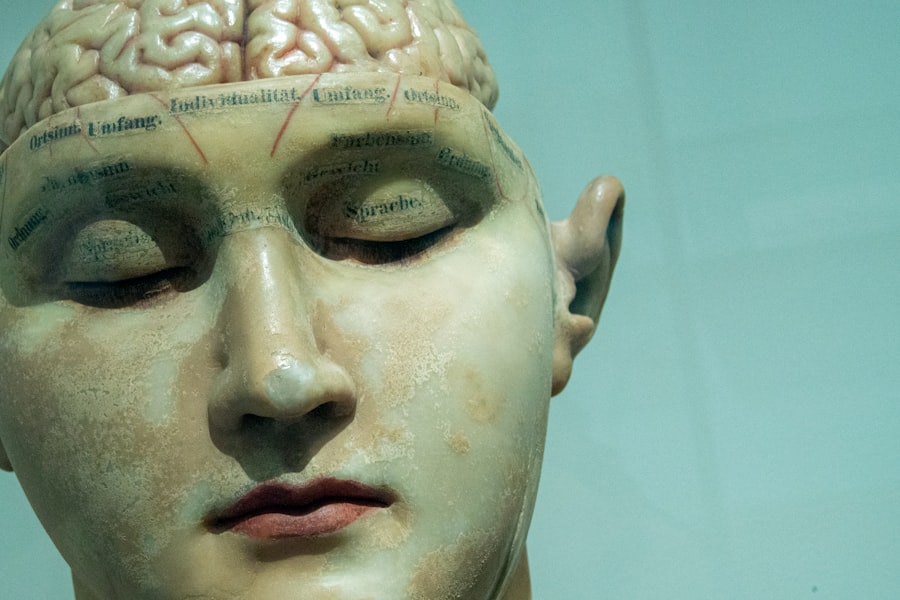
Unconscious bias refers to the attitudes or stereotypes that affect understanding, actions, and decisions unconsciously. These biases are often rooted in societal norms and personal experiences, shaping how individuals perceive others and make judgments about them. In decision-making contexts—such as hiring practices or performance evaluations—unconscious biases can lead to inequitable outcomes and perpetuate systemic inequalities.
For example, research has shown that hiring managers may unconsciously favor candidates who share similar backgrounds or characteristics, leading to a lack of diversity within organizations. These biases operate outside of conscious awareness, making it challenging for individuals to recognize their influence on decision-making processes. By acknowledging the existence of unconscious bias and implementing strategies to mitigate its effects, organizations can foster more equitable environments and improve overall decision quality.
Unconscious Brain Decisions in the Context of Addiction and Impulse Control
The realm of addiction provides a compelling context for examining unconscious brain decisions and impulse control. Individuals struggling with addiction often find themselves making choices that contradict their conscious desires for health and well-being. The brain’s reward system becomes hijacked by substances or behaviors, leading to compulsive decision-making driven by unconscious urges rather than rational thought.
In this context, the unconscious mind plays a dual role: it can perpetuate addictive behaviors while simultaneously harboring the potential for recovery. Understanding the mechanisms behind these unconscious decisions is crucial for developing effective treatment strategies. Therapeutic approaches that address both conscious motivations and unconscious influences can empower individuals to regain control over their choices and break free from the cycle of addiction.
The Impact of Unconscious Brain Decisions on Relationships and Interpersonal Dynamics
Unconscious brain decisions significantly influence relationships and interpersonal dynamics. Individuals often rely on their unconscious mind to navigate social interactions, drawing on past experiences and learned behaviors to inform their responses. This reliance can lead to both positive outcomes—such as forming strong connections based on shared values—and negative consequences, such as misunderstandings rooted in unexamined biases.
For instance, when individuals engage in conflict resolution, their unconscious reactions may be shaped by previous experiences with similar situations. This can result in automatic responses that may not align with their current intentions or desires for constructive dialogue. By becoming more aware of these unconscious patterns, individuals can cultivate healthier communication styles and foster more meaningful connections with others.
Strategies for Harnessing the Power of the Unconscious Mind in Decision Making
Recognizing the influence of the unconscious mind on decision-making opens up opportunities for individuals to harness its power effectively. One strategy involves cultivating mindfulness—a practice that encourages individuals to become more aware of their thoughts and feelings without judgment. By developing mindfulness skills, individuals can create space between their automatic responses and conscious choices, allowing for more intentional decision-making.
Another approach is to engage in reflective practices that promote self-awareness. Journaling or seeking feedback from trusted peers can help individuals uncover underlying biases and patterns that influence their decisions. By actively reflecting on past choices and their outcomes, individuals can gain insights into their unconscious motivations and make more informed decisions moving forward.
The Ethical Implications of Unconscious Brain Decisions
The ethical implications of unconscious brain decisions are profound and multifaceted. As individuals navigate complex moral dilemmas—whether in personal relationships or professional settings—the influence of the unconscious mind raises questions about accountability and responsibility. If decisions are made unconsciously, to what extent can individuals be held accountable for their actions?
Moreover, understanding the role of unconscious bias in decision-making highlights ethical concerns related to fairness and equity. Organizations must grapple with how to create environments that mitigate bias while promoting diversity and inclusion. By acknowledging the ethical dimensions of unconscious decision-making processes, individuals and organizations can strive for greater transparency and fairness in their actions.
Embracing the Complexity of Decision Making in the Unconscious Mind
In conclusion, the exploration of unconscious brain decisions reveals a rich tapestry of influences that shape human behavior and decision-making processes. From the role of emotions to the impact of biases, understanding these complexities is essential for navigating personal choices and interpersonal dynamics effectively. By embracing the intricacies of the unconscious mind, individuals can cultivate greater self-awareness and make more informed decisions that align with their values and aspirations.
As society continues to grapple with issues related to bias, addiction, and ethical considerations in decision-making, recognizing the power of the unconscious mind becomes increasingly important. By fostering an environment that encourages reflection and mindfulness, individuals can harness the strengths of their unconscious processes while mitigating potential pitfalls. Ultimately, embracing this complexity allows for a deeper understanding of human behavior and paves the way for more thoughtful decision-making in an ever-evolving world.
The intricate processes of decision-making in the brain often occur before we become consciously aware of them, a phenomenon that has intrigued neuroscientists for years. For a deeper exploration of this topic, you can read more about the underlying mechanisms in the article found at My Cosmic Ventures. This resource delves into the fascinating interplay between unconscious processing and conscious thought, shedding light on how our brains make choices before we even realize it.
FAQs
What does it mean that the brain decides before consciousness?
It means that many decisions and actions are initiated by unconscious brain processes before we become aware of them. Studies show that neural activity related to decision-making can be detected milliseconds to seconds before a person consciously realizes they have made a choice.
How do scientists study brain decisions before consciousness?
Researchers use techniques like electroencephalography (EEG), functional magnetic resonance imaging (fMRI), and single-neuron recordings to monitor brain activity. Experiments often involve asking participants to make spontaneous decisions while their brain signals are recorded to identify patterns that precede conscious awareness.
Which brain areas are involved in unconscious decision-making?
Key regions include the prefrontal cortex, parietal cortex, and motor areas. These regions process information and prepare actions before the conscious mind becomes aware of the decision.
Does unconscious decision-making mean we have no free will?
The relationship between unconscious brain activity and free will is complex and debated. While some findings suggest decisions begin unconsciously, conscious processes can still influence, modify, or veto actions, indicating that free will may involve both unconscious and conscious components.
What is the significance of understanding brain decisions before consciousness?
Understanding how the brain decides before consciousness helps clarify the mechanisms of human behavior, informs neuroscience and psychology, and has implications for fields like law, ethics, and artificial intelligence.
Can we control decisions made unconsciously by the brain?
While initial decision processes may be unconscious, conscious awareness allows individuals to reflect, inhibit, or change their actions. Training, mindfulness, and cognitive strategies can enhance conscious control over behavior.
Are all decisions made before we become conscious of them?
Not all decisions are made unconsciously first. Some decisions, especially complex or deliberate ones, involve conscious reasoning from the outset. However, many routine or spontaneous decisions begin with unconscious brain activity.
How early does the brain activity related to decision-making occur before consciousness?
Brain activity related to decision-making can occur several hundred milliseconds to a few seconds before a person reports conscious awareness of the decision, depending on the task and measurement methods.