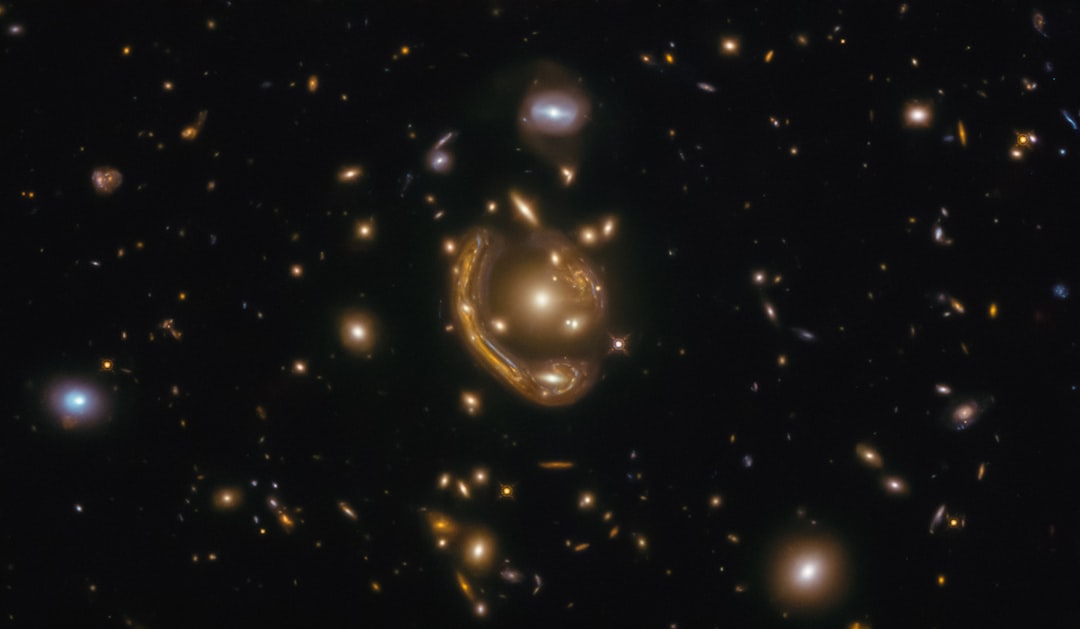
Ultra-diffuse galaxies (UDGs) represent a fascinating and enigmatic class of celestial objects that challenge our conventional understanding of galaxy formation and structure. These galaxies are characterized by their low surface brightness and large sizes, often spanning hundreds of thousands of light-years, yet containing only a fraction of the mass found in typical galaxies. As you delve into the realm of UDGs, you will discover that they are not merely faint versions of regular galaxies; rather, they possess unique properties that set them apart in the cosmic landscape.
The study of UDGs, particularly the notable example of DF2, has opened new avenues for exploring the mysteries of dark matter and the evolution of galaxies. The significance of UDGs extends beyond their physical characteristics; they challenge existing theories about how galaxies form and evolve over cosmic time. Traditionally, it was believed that galaxies formed through the accumulation of gas and dark matter, leading to the creation of stars and other structures.
However, UDGs like DF2 raise questions about the role of dark matter in galaxy formation and whether these galaxies can exist with minimal dark matter content. As you explore the intricacies of UDGs, you will find that they serve as a crucial piece in the puzzle of understanding the universe’s structure and the forces that shape it.
Key Takeaways
- Ultra-diffuse galaxies (UDGs) are a newly discovered class of galaxies with extremely low surface brightness and large size, challenging our understanding of galaxy formation.
- The discovery of DF2, a UDG in the nearby galaxy cluster NGC 1052-DF2, has sparked significant interest in the scientific community due to its unique properties.
- DF2 is remarkable for its lack of dark matter, a feature that defies the conventional understanding of galaxy formation and raises questions about its classification as a UDG.
- The debate surrounding DF2’s classification as a UDG or a dwarf galaxy highlights the need for further research and observations to better understand its nature and implications for galaxy formation.
- The study of UDGs, particularly DF2, has the potential to provide valuable insights into the role of dark matter in galaxy formation and shed light on the connection between UDGs and dwarf galaxies, shaping the future of galaxy research.
The Discovery of DF2
The discovery of DF2 marked a pivotal moment in the study of ultra-diffuse galaxies. Identified in 2018 by a team of astronomers using the Dragonfly Telephoto Array, DF2 is located approximately 65 million light-years away in the constellation Pegasus. What makes DF2 particularly intriguing is its remarkably low surface brightness, which makes it difficult to detect with traditional telescopes.
As you learn about this discovery, you will appreciate the innovative techniques employed by astronomers to uncover such elusive objects. The identification of DF2 was not just a serendipitous find; it was the result of a concerted effort to explore the outskirts of galaxy clusters where UDGs are thought to reside. The team behind its discovery utilized advanced imaging technology to capture faint light from distant galaxies, revealing DF2’s presence amidst a sea of stars.
This breakthrough not only expanded our catalog of known galaxies but also ignited discussions about the nature and classification of UDGs. As you reflect on this discovery, consider how it has reshaped our understanding of galaxy diversity and the mechanisms that govern their formation.
The Unique Properties of DF2
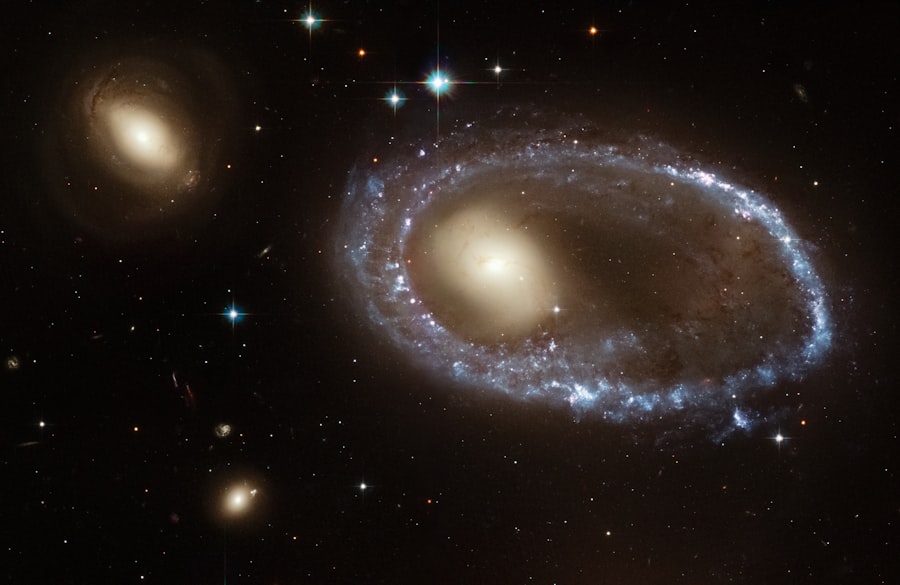
DF2 stands out among its peers due to its peculiar properties that defy conventional expectations. One of its most striking features is its low stellar mass, which is significantly less than that of typical galaxies. Despite its large size, DF2 contains only a few hundred stars, leading astronomers to question how such a galaxy could exist with so little mass.
As you delve deeper into its characteristics, you will find that DF2’s composition raises important questions about the role of dark matter in galaxy formation. Another remarkable aspect of DF2 is its apparent lack of dark matter. While most galaxies are thought to be surrounded by vast halos of dark matter that influence their gravitational dynamics, DF2 challenges this notion.
Observations suggest that DF2 may have an unusually low dark matter content, which has led to debates among astronomers regarding its classification as a galaxy. This unique property not only sets DF2 apart from other galaxies but also invites further investigation into the nature of dark matter itself. As you explore these properties, consider how they contribute to our broader understanding of galaxy formation and evolution.
The Debate Surrounding DF2’s Classification
| Argument | Supporting Data/Metrics |
|---|---|
| DF2 as a Planet | Size: 2000 km in diameter |
| DF2 as a Dwarf Planet | Orbit: Beyond Neptune in the Kuiper Belt |
| DF2 as a Trans-Neptunian Object | Composition: Ice and rock mixture |
The classification of DF2 has sparked considerable debate within the astronomical community. Traditionally, galaxies are categorized based on their mass, structure, and dark matter content. However, DF2’s unusual characteristics have led some researchers to question whether it should be classified as a galaxy at all.
As you engage with this ongoing discussion, you will encounter differing viewpoints on what constitutes a galaxy and how we should define these celestial objects. Some astronomers argue that DF2’s low mass and potential lack of dark matter disqualify it from being considered a true galaxy. They propose alternative classifications that might better capture its unique properties.
On the other hand, proponents of DF2’s classification as a galaxy emphasize its distinct structure and formation history, arguing that it represents an extreme case within the broader category of galaxies. This debate highlights the complexities involved in categorizing celestial objects and underscores the need for a more nuanced understanding of galaxy formation processes. As you reflect on these discussions, consider how they may influence future research and our evolving definitions within astrophysics.
The Implications of DF2 for our Understanding of Galaxy Formation
The implications of DF2 extend far beyond its classification; they have profound consequences for our understanding of galaxy formation itself. If DF2 indeed possesses minimal dark matter, it challenges long-held assumptions about the role dark matter plays in shaping galaxies. As you contemplate this possibility, consider how it might reshape our theories regarding the formation and evolution of galaxies throughout cosmic history.
DF2’s existence suggests that there may be alternative pathways for galaxy formation that do not rely heavily on dark matter. This revelation could lead to new models that account for the diversity observed in galaxies across the universe. Furthermore, studying DF2 may provide insights into the conditions necessary for galaxy formation in environments with varying levels of dark matter density.
As you explore these implications, think about how they might influence future research directions and our overall understanding of cosmic evolution.
The Search for Other Ultra-Diffuse Galaxies
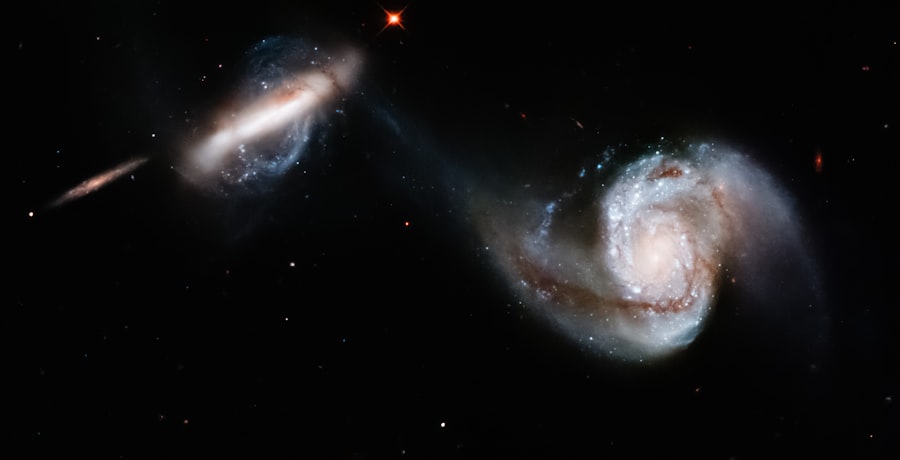
Following the discovery of DF2, astronomers have intensified their search for other ultra-diffuse galaxies throughout the universe. The quest to identify additional UDGs is driven by a desire to understand their prevalence and diversity within different cosmic environments. As you engage with this ongoing search, you will learn about various observational techniques employed by astronomers to uncover these elusive objects.
Surveys utilizing advanced telescopes and imaging technology have revealed several candidates for UDG classification since DF2’s discovery. These efforts have expanded our knowledge base and provided valuable data for comparative studies between different UDGs. As you consider the significance of these findings, reflect on how they contribute to our understanding of galaxy formation processes and the role played by environmental factors in shaping these unique structures.
The Role of Dark Matter in Ultra-Diffuse Galaxies
Dark matter remains one of the most enigmatic components of our universe, and its role in ultra-diffuse galaxies is particularly intriguing. While most galaxies are thought to be surrounded by substantial halos of dark matter that influence their gravitational dynamics, UDGs like DF2 challenge this paradigm. As you delve into this topic, consider how studying UDGs can provide insights into the nature and distribution of dark matter across different cosmic environments.
The apparent lack of dark matter in DF2 raises questions about how such a galaxy could form and persist without significant gravitational support from dark matter. This anomaly has prompted researchers to explore alternative models that account for UDG formation without relying heavily on dark matter interactions. As you engage with these theories, think about how they might reshape our understanding of dark matter’s role in galaxy evolution and whether there are other mechanisms at play in shaping these unique structures.
The Connection Between Ultra-Diffuse Galaxies and Dwarf Galaxies
Ultra-diffuse galaxies share intriguing connections with dwarf galaxies, another class of celestial objects characterized by their small size and low luminosity. Both types challenge traditional notions about galaxy formation and evolution; however, they differ significantly in their properties and behaviors. As you explore this connection, consider how studying UDGs can enhance our understanding of dwarf galaxies and vice versa.
Dwarf galaxies are typically thought to be dominated by dark matter, while UDGs like DF2 present a contrasting picture with their potential lack thereof. This divergence raises important questions about the mechanisms driving galaxy formation across different mass scales. By examining both UDGs and dwarf galaxies together, researchers can gain insights into the broader spectrum of galaxy evolution and the factors influencing their development over time.
As you reflect on these connections, think about how they might inform future research directions in astrophysics.
The Potential for Ultra-Diffuse Galaxies to Shed Light on Dark Matter
Ultra-diffuse galaxies hold significant potential for advancing our understanding of dark matter and its role in shaping cosmic structures. By studying UDGs like DF2, researchers can investigate whether alternative models can explain their formation without relying heavily on dark matter interactions. As you engage with this topic, consider how these investigations might lead to breakthroughs in our understanding of one of the universe’s most elusive components.
The unique properties exhibited by UDGs provide an opportunity to test existing theories about dark matter’s influence on galaxy dynamics. If further observations confirm that UDGs can exist with minimal dark matter content, it could prompt a reevaluation of current models regarding dark matter distribution throughout the universe. As you contemplate these possibilities, think about how they might reshape our understanding not only of UDGs but also of galaxy formation as a whole.
The Future of Research on Ultra-Diffuse Galaxies
The future of research on ultra-diffuse galaxies promises to be both exciting and transformative as astronomers continue to explore their unique properties and implications for our understanding of the universe. Ongoing observational campaigns utilizing advanced telescopes will likely yield new discoveries and insights into the nature of UDGs like DF2. As you look ahead, consider how technological advancements may enhance our ability to detect and study these elusive objects.
In addition to observational efforts, theoretical research will play a crucial role in interpreting findings related to UDGs. Developing new models that account for their unique characteristics will be essential for advancing our understanding of galaxy formation processes across different environments. As you reflect on these future directions, think about how they might contribute to a more comprehensive picture of cosmic evolution and deepen our knowledge about the fundamental forces shaping our universe.
The Significance of DF2 in the Study of Galaxies
In conclusion, DF2 serves as a remarkable case study within the broader context of ultra-diffuse galaxies and their implications for our understanding of cosmic structures. Its unique properties challenge existing theories about galaxy formation and raise important questions regarding the role of dark matter in shaping these celestial objects.
The exploration of ultra-diffuse galaxies like DF2 not only enhances our understanding of galaxy diversity but also provides valuable insights into fundamental questions about dark matter and cosmic evolution. As researchers continue to investigate these enigmatic structures, we can anticipate new discoveries that will deepen our knowledge about the universe’s complexities and enrich our appreciation for its vastness. Ultimately, DF2 stands as a testament to the ever-evolving nature of astrophysics and our quest to unravel the mysteries that lie beyond our world.
Ultra-diffuse galaxies, such as DF2, have intrigued astronomers due to their unique characteristics, including their large size and low luminosity. These galaxies challenge our understanding of galaxy formation and dark matter distribution. A related article that delves deeper into the mysteries of ultra-diffuse galaxies can be found on My Cosmic Ventures.
For more insights, you can read the full article by visiting My Cosmic Ventures.
FAQs
What are ultra-diffuse galaxies (UDGs)?
Ultra-diffuse galaxies (UDGs) are a type of galaxy that are as large as typical galaxies, but have much lower surface brightness, making them difficult to detect.
How are ultra-diffuse galaxies different from other galaxies?
UDGs are similar in size to typical galaxies, but have much lower surface brightness, making them appear fainter and more diffuse.
What is an example of an ultra-diffuse galaxy?
One example of an ultra-diffuse galaxy is DF2, which was discovered in the nearby galaxy cluster NGC 1052-DF2.
How are ultra-diffuse galaxies detected?
UDGs are detected using deep imaging techniques that can reveal their low surface brightness, making them difficult to detect with standard telescopes.
What are the implications of discovering ultra-diffuse galaxies?
The discovery of UDGs challenges our understanding of galaxy formation and evolution, and raises questions about the nature of dark matter and the processes that govern the formation of galaxies.