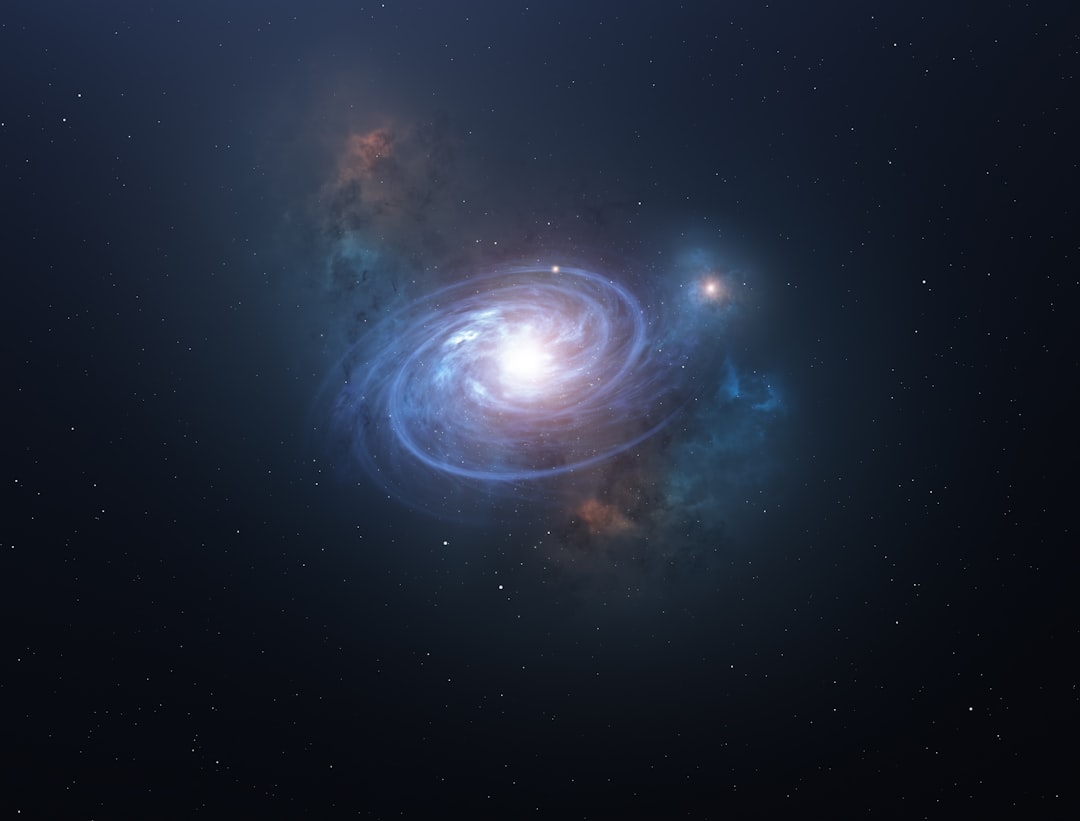
Dwarf galaxies, often overshadowed by their larger counterparts, are fascinating celestial objects that play a crucial role in our understanding of the universe. These small galaxies, typically containing a few billion stars or fewer, are abundant in the cosmos and can be found in various environments, from isolated regions to the outskirts of larger galaxies. As you delve into the study of dwarf galaxies, you will discover that they are not merely smaller versions of larger galaxies; rather, they possess unique characteristics and behaviors that make them essential for astrophysical research.
The significance of dwarf galaxies extends beyond their size. They are believed to be some of the earliest structures formed in the universe, providing valuable insights into the processes of galaxy formation and evolution. By examining these diminutive galaxies, you can gain a deeper understanding of the fundamental forces that shaped the cosmos.
As you embark on this exploration, you will uncover the intricate relationships between dwarf galaxies and larger galactic structures, as well as their contributions to our knowledge of dark matter and cosmic evolution.
Key Takeaways
- Dwarf galaxies are small, faint galaxies that are abundant in the universe and play a crucial role in understanding the formation and evolution of galaxies.
- Characteristics of dwarf galaxies include low luminosity, low metallicity, and a high fraction of dark matter, making them unique objects for study.
- The formation and evolution of dwarf galaxies are influenced by factors such as interactions with larger galaxies, the role of dark matter, and the process of star formation.
- Dark matter plays a significant role in the dynamics of dwarf galaxies, affecting their structure, kinematics, and evolution.
- Interactions with larger galaxies can have a profound impact on the evolution of dwarf galaxies, leading to tidal stripping, gas accretion, and morphological transformations.
Characteristics of Dwarf Galaxies
Dwarf galaxies exhibit a range of characteristics that distinguish them from their larger relatives. One of the most notable features is their low luminosity, which results from a relatively small number of stars. This low brightness makes them challenging to detect, often requiring advanced observational techniques and instruments.
As you study these galaxies, you will find that they can be classified into several types, including dwarf spheroidal, dwarf irregular, and dwarf elliptical galaxies, each with its own unique properties and formation histories. Another defining characteristic of dwarf galaxies is their stellar populations. Many dwarf galaxies contain older stars and exhibit low rates of star formation compared to larger galaxies.
This can be attributed to their limited gas reservoirs and lower gravitational pull, which affects their ability to retain gas and form new stars. However, some dwarf irregular galaxies are actively forming stars, showcasing a diverse range of stellar activity within this category. As you explore these characteristics further, you will appreciate the complexity and variety present in dwarf galaxies, which challenge traditional notions of galaxy formation and evolution.
Formation and Evolution of Dwarf Galaxies
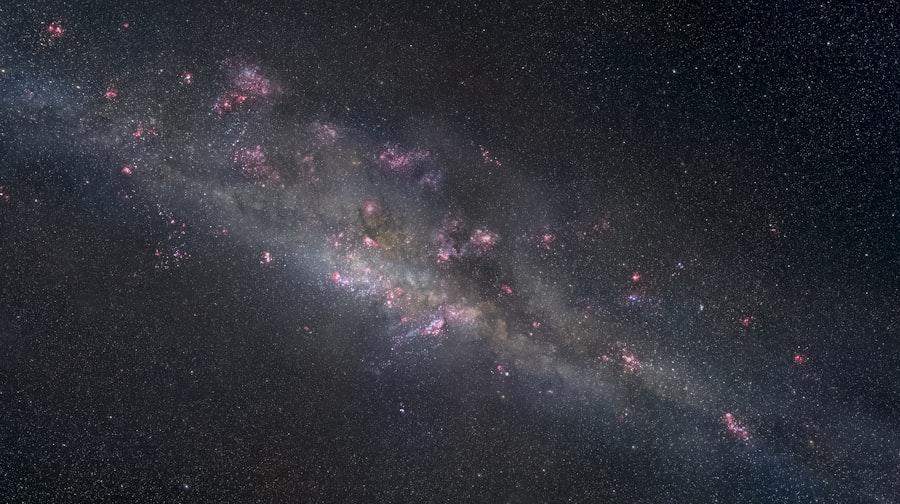
The formation and evolution of dwarf galaxies are subjects of intense research and debate among astronomers. You will find that these galaxies likely formed in the early universe, shortly after the Big Bang, when matter began to coalesce under the influence of gravity. The processes that led to their formation are thought to involve a combination of primordial gas cooling and gravitational interactions with other structures in the universe.
As you delve deeper into this topic, you will encounter various theories that attempt to explain how these small galaxies came into existence. Over time, dwarf galaxies have undergone significant evolutionary changes influenced by their environment and interactions with larger galaxies. You may discover that many dwarf galaxies have experienced mergers or tidal interactions with more massive neighbors, which can lead to alterations in their structure and star formation rates.
These interactions can strip away gas and stars or trigger bursts of star formation, resulting in a dynamic evolutionary history. By studying these processes, you will gain insights into the broader mechanisms that govern galaxy evolution across different scales.
The Role of Dark Matter in Dwarf Galaxies
| Galaxy Name | Dark Matter Content | Stellar Content | Total Mass |
|---|---|---|---|
| Ursa Minor | ~99% | ~1% | 10^7 solar masses |
| Draco | ~98% | ~2% | 10^7 solar masses |
| Sextans | ~95% | ~5% | 10^7 solar masses |
Dark matter plays a pivotal role in the dynamics and structure of dwarf galaxies. As you explore this topic, you will learn that dark matter is an invisible substance that does not emit light or energy but exerts gravitational influence on visible matter. Dwarf galaxies are thought to be heavily dominated by dark matter, which shapes their gravitational potential wells and affects their overall stability.
This dominance is particularly evident in the rotation curves of dwarf galaxies, where the observed velocities of stars do not match the expected values based solely on visible mass. The presence of dark matter in dwarf galaxies has significant implications for our understanding of cosmology and galaxy formation. You will find that studying the distribution and properties of dark matter in these small galaxies can provide clues about its nature and behavior on cosmic scales.
Additionally, the interactions between dark matter and baryonic matter (the ordinary matter that makes up stars and gas) can shed light on the processes that govern galaxy formation and evolution. As you investigate this relationship further, you will appreciate how dwarf galaxies serve as natural laboratories for probing the mysteries of dark matter.
Interactions with Larger Galaxies
Dwarf galaxies often exist in close proximity to larger galactic structures, leading to a variety of interactions that can significantly influence their evolution. As you examine these interactions, you will discover that dwarf galaxies can be both affected by and contribute to the dynamics of larger galaxies. For instance, when a dwarf galaxy passes near a massive galaxy, it may experience tidal forces that can distort its shape or strip away gas and stars.
These interactions can trigger star formation or lead to the eventual merging of the two galaxies. Moreover, larger galaxies can also acquire dwarf galaxies through gravitational capture. This process can enrich the larger galaxy’s stellar population and contribute to its growth over time.
You may find it intriguing that many well-known dwarf galaxies, such as those in the Local Group like the Magellanic Clouds, are currently interacting with or have interacted with larger neighbors like the Milky Way. These interactions provide valuable opportunities for studying galaxy dynamics and understanding how smaller structures fit into the broader cosmic tapestry.
Star Formation in Dwarf Galaxies
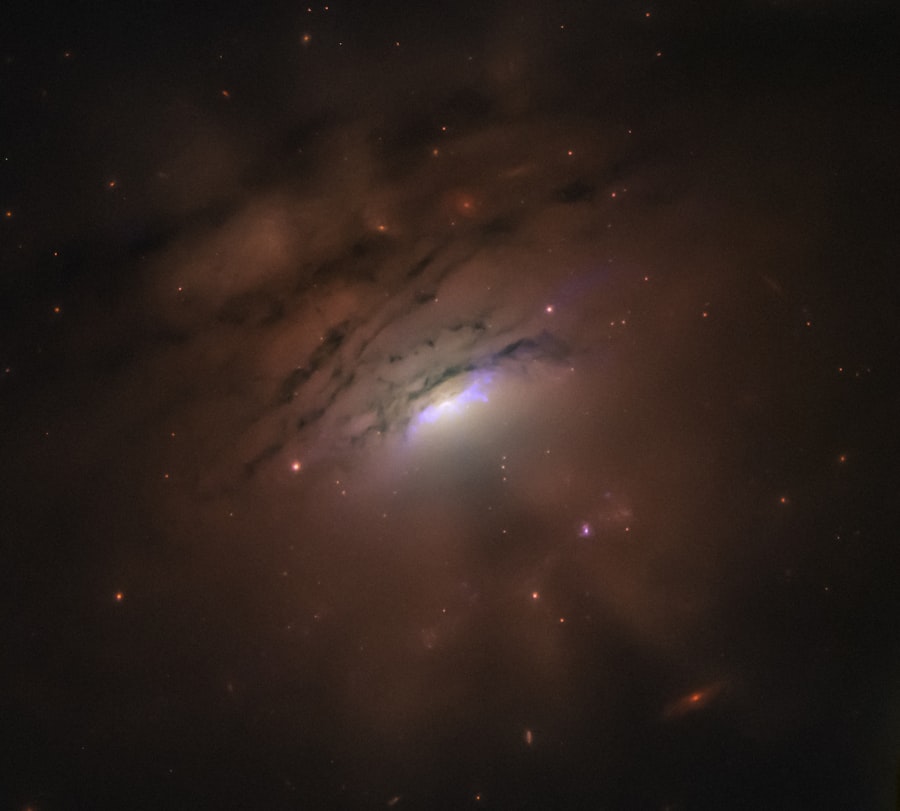
Star formation in dwarf galaxies presents a fascinating area of study due to its variability across different types of dwarfs. While many dwarf spheroidal galaxies exhibit low star formation rates and contain predominantly old stellar populations, others—particularly dwarf irregulars—are sites of active star formation. As you explore this phenomenon, you will learn about the factors that influence star formation in these small systems, including gas availability, metallicity, and environmental conditions.
In some cases, interactions with larger galaxies can trigger bursts of star formation in dwarf galaxies by compressing gas clouds or providing additional material for star formation. You may find it particularly interesting that these bursts can lead to significant changes in a galaxy’s stellar population over relatively short timescales. By studying star formation in dwarf galaxies, you will gain insights into the processes that govern stellar birth and evolution across different environments in the universe.
Observing and Studying Dwarf Galaxies
Observing dwarf galaxies poses unique challenges due to their low luminosity and often distant locations. As you engage with this topic, you will discover that astronomers employ various techniques to detect and study these elusive objects. Ground-based telescopes equipped with advanced imaging technology can capture faint light from dwarf galaxies, while space-based observatories like the Hubble Space Telescope provide clearer views free from atmospheric interference.
In addition to optical observations, astronomers utilize other wavelengths such as radio and infrared to study dwarf galaxies more comprehensively. These observations can reveal hidden structures and provide insights into gas content and star formation activity. As you delve into observational techniques, you will appreciate how advancements in technology continue to enhance our ability to explore these small yet significant components of the universe.
The Connection Between Dwarf Galaxies and Cosmology
Dwarf galaxies hold a special place in cosmology due to their role as tracers of cosmic evolution. As you investigate this connection further, you will find that studying these small systems can provide valuable information about the early universe’s conditions and processes. Their abundance and diversity offer clues about how matter was distributed shortly after the Big Bang and how structures formed over time.
By examining their properties and distributions, you can gain insights into dark matter’s influence on galaxy formation and evolution. This relationship between dwarf galaxies and cosmology underscores their significance as key players in our quest to understand the universe’s origins and development.
Theoretical Models of Dwarf Galaxy Dynamics
The dynamics of dwarf galaxies are complex and require sophisticated theoretical models to understand fully. As you explore this area, you will encounter various simulations and frameworks designed to replicate the behavior of these small systems under different conditions. These models often incorporate factors such as dark matter distribution, gas dynamics, and star formation processes to provide a comprehensive picture of how dwarf galaxies evolve over time.
You may find it intriguing that theoretical models also help researchers predict how dwarf galaxies will respond to external influences such as tidal interactions or mergers with larger galaxies. By comparing model predictions with observational data, astronomers can refine their understanding of dwarf galaxy dynamics and improve their theoretical frameworks. This iterative process between observation and theory is essential for advancing our knowledge of these fascinating celestial objects.
Challenges in Understanding Dwarf Galaxy Dynamics
Despite significant progress in studying dwarf galaxy dynamics, several challenges remain that complicate our understanding of these systems. One major issue is the difficulty in accurately measuring their mass distribution due to their low luminosity and complex structures. As you delve into this topic, you will learn about various methods employed by astronomers to estimate mass profiles but also recognize the inherent uncertainties involved.
Another challenge lies in reconciling observations with theoretical predictions regarding star formation rates and gas content in dwarf galaxies. Discrepancies between what models suggest and what is observed can lead to questions about our understanding of fundamental processes governing galaxy evolution. As you engage with these challenges, you will appreciate how ongoing research continues to push the boundaries of our knowledge while highlighting areas where further investigation is needed.
Future Research Directions in Dwarf Galaxy Dynamics
Looking ahead, future research directions in dwarf galaxy dynamics promise exciting opportunities for discovery. As observational technology continues to advance, astronomers will be able to probe deeper into the universe’s recesses, uncovering more distant dwarf galaxies than ever before. This influx of data will enhance our understanding of galaxy formation across different epochs and environments.
Additionally, ongoing developments in computational modeling will allow researchers to simulate more complex interactions between dwarf galaxies and their environments. By integrating new observational data with refined theoretical frameworks, you can expect significant strides toward resolving existing questions about dwarf galaxy dynamics. The future holds great promise for unraveling the mysteries surrounding these small yet vital components of our universe as researchers continue to explore their intricate behaviors and relationships within the cosmic landscape.
In recent years, the study of dwarf galaxy dynamics has gained significant attention due to its implications for understanding dark matter and galaxy formation. A related article that delves into the intricacies of these celestial bodies can be found on My Cosmic Ventures. This article explores the unique gravitational interactions within dwarf galaxies and their role in the broader cosmic structure. For more detailed insights, you can read the full article by visiting mycosmicventures.
com/’>My Cosmic Ventures.
FAQs
What are dwarf galaxies?
Dwarf galaxies are small, low-luminosity galaxies that typically contain fewer stars and less mass than larger galaxies. They are often found in the outskirts of galaxy clusters.
What are some characteristics of dwarf galaxies?
Dwarf galaxies are typically irregular in shape and can be either gas-rich or gas-poor. They often have high proportions of dark matter relative to their visible matter.
How do dwarf galaxies differ from larger galaxies in terms of dynamics?
Dwarf galaxies have different dynamics compared to larger galaxies. They are more susceptible to tidal forces from larger galaxies and galaxy clusters, which can affect their structure and star formation.
What are some current theories about the dynamics of dwarf galaxies?
Some theories suggest that interactions with larger galaxies and dark matter halos may play a significant role in shaping the dynamics of dwarf galaxies. Additionally, the presence of supermassive black holes in the centers of dwarf galaxies may also impact their dynamics.
Why are dwarf galaxies important for studying galaxy dynamics?
Studying the dynamics of dwarf galaxies can provide valuable insights into the role of dark matter, the formation and evolution of galaxies, and the interactions between galaxies within galaxy clusters. Additionally, understanding the dynamics of dwarf galaxies can help refine our understanding of the overall structure and dynamics of the universe.