
As you delve into the realm of scientific breakthroughs, it becomes evident that their impact extends far beyond the laboratory. These advancements have the power to reshape industries, improve quality of life, and even alter the course of history.
The ripple effects of such breakthroughs can be profound, influencing everything from economic stability to social structures. You may find it fascinating to explore how a single discovery can lead to a cascade of innovations, each building upon the last, creating a framework for future advancements. Moreover, the societal implications of scientific breakthroughs are equally significant.
As you reflect on the rapid pace of technological advancement, you might ponder how these innovations can bridge gaps in education, healthcare, and environmental sustainability. For example, the advent of renewable energy technologies has not only provided solutions to combat climate change but has also created new job opportunities and fostered economic growth in various sectors. Understanding these impacts allows you to appreciate the interconnectedness of science and society, highlighting the importance of fostering an environment where scientific inquiry can thrive.
Key Takeaways
- Scientific breakthroughs have a significant impact on society, driving innovation and shaping the future.
- Key areas of scientific research include biotechnology, renewable energy, artificial intelligence, space exploration, and healthcare.
- Technology plays a crucial role in accelerating discoveries, from advanced laboratory equipment to data analysis tools.
- Collaboration across disciplines fosters innovation, bringing together diverse expertise to solve complex problems.
- Translating research into practical applications requires overcoming challenges such as funding, regulation, and market adoption.
Identifying Key Areas of Scientific Research
In your exploration of scientific research, it is crucial to identify key areas that hold the potential for groundbreaking discoveries. Fields such as biotechnology, artificial intelligence, and renewable energy are at the forefront of innovation today. As you examine biotechnology, for instance, you may be intrigued by its applications in medicine, agriculture, and environmental conservation.
The ability to manipulate biological systems has led to advancements in gene editing and personalized medicine, promising to revolutionize healthcare as you know it. Artificial intelligence (AI) is another area ripe for exploration. You might consider how AI is transforming industries by enhancing data analysis, automating processes, and improving decision-making.
The implications of AI extend into everyday life, from smart home devices to autonomous vehicles. By understanding these key areas of research, you can better appreciate the potential for scientific breakthroughs to address pressing global challenges and improve human well-being.
Leveraging Technology to Accelerate Discoveries
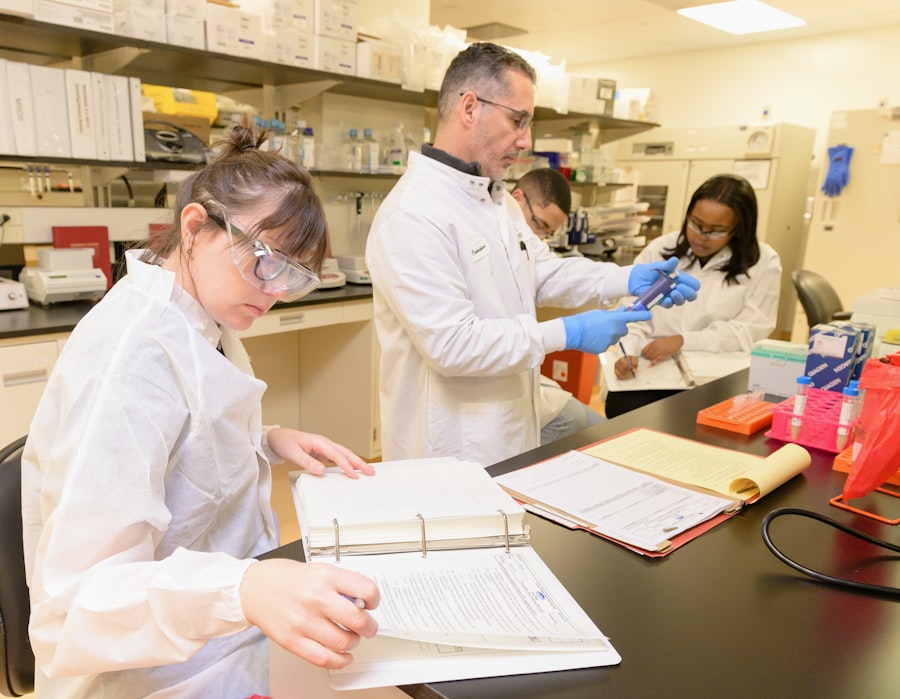
As you navigate the landscape of scientific research, leveraging technology becomes essential in accelerating discoveries. The integration of advanced tools such as machine learning and big data analytics has revolutionized how researchers approach complex problems. You may find it remarkable how these technologies enable scientists to analyze vast datasets quickly, uncovering patterns and insights that would have been impossible to detect manually.
This capability not only speeds up the research process but also enhances the accuracy of findings. Furthermore, technology facilitates collaboration among researchers across the globe. With the advent of cloud computing and online collaboration platforms, you can witness how scientists from diverse backgrounds come together to share knowledge and resources.
This interconnectedness fosters a culture of innovation, allowing for the rapid exchange of ideas and expertise. As you consider the implications of this technological integration, it becomes clear that harnessing these tools is vital for pushing the boundaries of scientific discovery.
Collaborating Across Disciplines for Innovation
| Discipline | Number of Collaborations | Number of Innovations |
|---|---|---|
| Engineering | 25 | 15 |
| Design | 20 | 12 |
| Business | 30 | 18 |
Collaboration across disciplines is a cornerstone of innovation in science. As you reflect on the complexities of modern challenges—such as climate change, public health crises, and food security—you may recognize that no single field can provide all the answers. Interdisciplinary collaboration allows you to combine insights from various domains, leading to holistic solutions that address multifaceted issues.
You might also consider how fostering a collaborative spirit within research institutions can lead to unexpected breakthroughs. When scientists from different backgrounds come together, they bring unique perspectives that can challenge conventional thinking.
This diversity of thought often sparks creativity and leads to novel approaches that might not have emerged in isolation. By embracing interdisciplinary collaboration, you can contribute to a culture that values diverse expertise and encourages innovative problem-solving.
Overcoming Challenges in Translating Research into Practical Applications
While scientific research holds immense promise, translating findings into practical applications often presents significant challenges. As you explore this aspect, you may encounter barriers such as funding limitations, regulatory hurdles, and the complexities of scaling innovations for widespread use. For instance, even groundbreaking medical discoveries may take years or decades to navigate through clinical trials and regulatory approvals before they reach patients.
This lengthy process can be frustrating for researchers eager to see their work make a tangible impact. Moreover, bridging the gap between academia and industry is crucial for successful translation. You might find it interesting how partnerships between universities and private companies can facilitate the commercialization of research findings.
By fostering these collaborations, researchers can gain access to resources and expertise that enhance their ability to bring innovations to market. Understanding these challenges allows you to appreciate the importance of strategic planning and collaboration in ensuring that scientific breakthroughs translate into real-world benefits.
Investing in Research and Development for Long-Term Benefits

Investing in research and development (R&D) is essential for fostering long-term benefits across various sectors. As you consider the implications of R&D investment, you may recognize that it serves as a catalyst for economic growth and technological advancement. Countries that prioritize R&D often experience increased productivity and competitiveness on a global scale.
By allocating resources toward scientific inquiry, governments and organizations can create an environment conducive to innovation. Furthermore, investing in R&D has far-reaching implications for societal well-being. You might reflect on how advancements in healthcare technology have improved patient outcomes and reduced healthcare costs over time.
Similarly, investments in renewable energy research can lead to sustainable solutions that mitigate climate change while creating jobs in emerging industries. By understanding the long-term benefits of R&D investment, you can advocate for policies that support scientific inquiry and innovation.
Empowering the Next Generation of Scientists
Empowering the next generation of scientists is vital for ensuring a continuous flow of innovation and discovery. As you engage with young minds interested in science, you may recognize the importance of providing them with access to quality education and resources. Encouraging curiosity and critical thinking from an early age can inspire future scientists to pursue careers in research and innovation.
You might consider how mentorship programs and hands-on experiences can ignite passion in students and help them develop essential skills. Moreover, fostering diversity within the scientific community is crucial for driving innovation. You may find it inspiring to see initiatives aimed at increasing representation among underrepresented groups in STEM fields.
By creating inclusive environments that welcome diverse perspectives, you can contribute to a richer tapestry of ideas and solutions in scientific research. Empowering young scientists not only benefits individuals but also strengthens the entire scientific enterprise.
Addressing Ethical and Societal Implications of Scientific Advancements
As scientific advancements continue to reshape society, addressing ethical implications becomes increasingly important. You may find yourself grappling with questions surrounding privacy, consent, and equity as new technologies emerge. For instance, advancements in genetic engineering raise ethical concerns about potential misuse or unintended consequences.
Engaging in discussions about these issues is essential for ensuring that scientific progress aligns with societal values. Furthermore, considering the societal implications of scientific advancements allows you to advocate for responsible innovation. You might reflect on how public discourse can shape policies that govern emerging technologies.
By actively participating in conversations about ethics in science, you can contribute to a framework that prioritizes human welfare while promoting innovation. Understanding these ethical dimensions empowers you to navigate the complexities of scientific progress thoughtfully.
Fostering a Culture of Innovation and Creativity
Fostering a culture of innovation and creativity is essential for driving scientific progress. As you immerse yourself in this culture, you may discover that encouraging experimentation and risk-taking leads to unexpected breakthroughs. Creating an environment where failure is viewed as a learning opportunity rather than a setback can inspire researchers to push boundaries and explore uncharted territories.
Moreover, promoting collaboration and open communication within research teams enhances creativity. You might consider how brainstorming sessions or interdisciplinary workshops can spark new ideas and foster a sense of community among scientists. By cultivating an atmosphere that values creativity and collaboration, you contribute to a vibrant ecosystem where innovation flourishes.
Encouraging Public Engagement and Support for Scientific Breakthroughs
Public engagement plays a crucial role in supporting scientific breakthroughs and fostering a culture of curiosity. As you consider ways to encourage public interest in science, you might explore initiatives aimed at making research accessible and relatable to diverse audiences. Science communication efforts—such as public lectures, workshops, or interactive exhibits—can demystify complex topics and inspire individuals to engage with scientific inquiry.
Additionally, advocating for science education in schools can help cultivate a scientifically literate society that values research and innovation. You may find it rewarding to participate in outreach programs that connect scientists with local communities, fostering dialogue about the importance of science in everyday life. By encouraging public engagement with science, you contribute to a society that supports research initiatives and embraces scientific advancements.
Harnessing the Potential of Scientific Breakthroughs for Global Impact
Finally, harnessing the potential of scientific breakthroughs for global impact requires a collective effort from researchers, policymakers, and communities alike. As you reflect on this responsibility, you may recognize that addressing global challenges—such as poverty, health disparities, and environmental degradation—requires innovative solutions rooted in scientific inquiry. By prioritizing research that addresses these pressing issues, you can contribute to a more equitable and sustainable future.
Moreover, collaborating with international partners can amplify the impact of scientific breakthroughs on a global scale. You might consider how sharing knowledge and resources across borders fosters innovation that transcends geographical limitations. By working together toward common goals, scientists can leverage their collective expertise to tackle challenges that affect humanity as a whole.
Embracing this collaborative spirit allows you to harness the full potential of scientific advancements for meaningful global change. In conclusion, your journey through the landscape of scientific breakthroughs reveals a complex interplay between research, technology, collaboration, ethics, and public engagement. By understanding these dynamics and actively participating in fostering innovation, you contribute to a future where science continues to drive progress for the betterment of society as a whole.
In the realm of scientific research, the use of placeholders is a common practice that allows researchers to focus on the structure and flow of their work before finalizing specific details. An interesting article related to this topic can be found on My Cosmic Ventures, which delves into the intricacies of scientific methodologies and the role of placeholders in research documentation. For more insights, you can read the full article by visiting this page. This resource provides a comprehensive overview of how placeholders are utilized across various scientific disciplines to streamline the research process.
FAQs
What are scientific placeholders?
Scientific placeholders are temporary names or symbols used to represent a concept, variable, or entity in scientific research or literature.
Why are scientific placeholders used?
Scientific placeholders are used when the specific name or value of a concept or variable is not yet known or is irrelevant to the context. They allow researchers to communicate ideas without getting bogged down in specific details.
What are some examples of scientific placeholders?
Examples of scientific placeholders include “X” and “Y” for unknown variables in mathematical equations, “TBD” for “to be determined” in research protocols, and “Sample A” or “Control Group” in experimental studies.
How are scientific placeholders different from scientific terms?
Scientific terms are specific names or labels for concepts, variables, or entities, while scientific placeholders are temporary stand-ins for these specific names or labels.
Are scientific placeholders used in all scientific disciplines?
Yes, scientific placeholders are used in various scientific disciplines, including mathematics, physics, chemistry, biology, and social sciences. They are a common tool for communicating and organizing scientific information.