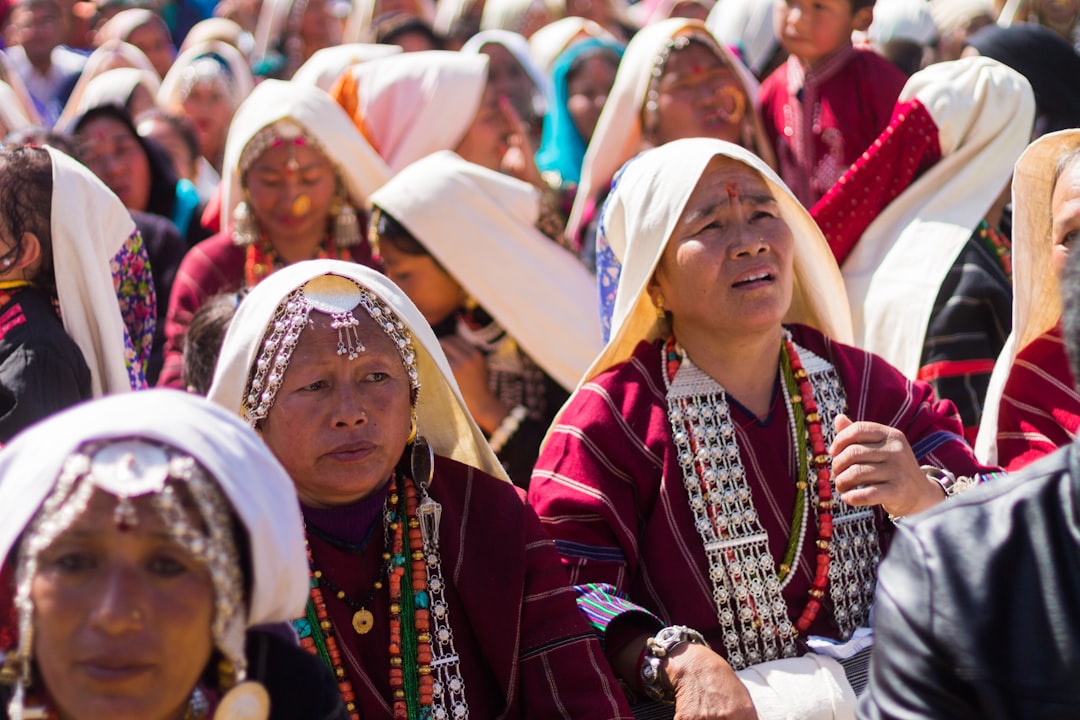
Isolated systems are defined as environments that are largely self-contained, with limited interaction with external influences. These systems can be found in various forms, such as islands, mountain ranges, or even specific ecosystems within a larger biome. The isolation can be geographical, ecological, or even social, leading to unique evolutionary paths and the development of distinct species and cultures.
The study of isolated systems is crucial for understanding biodiversity, as these environments often serve as natural laboratories where scientists can observe the effects of isolation on species development and ecosystem dynamics. The significance of isolated systems extends beyond mere academic interest; they are vital for the preservation of biodiversity. Many species that thrive in these environments are not found anywhere else on Earth, making them irreplaceable components of the planet’s ecological tapestry.
As such, the conservation of these systems is paramount, not only for the species that inhabit them but also for the broader health of the planet. The intricate relationships between organisms and their environments in isolated systems provide insights into evolutionary processes and ecological resilience, underscoring the need for focused efforts to protect these unique habitats.
Key Takeaways
- Isolated systems require diversity to maintain ecological balance and resilience.
- Threats like habitat loss and invasive species endanger diversity in these systems.
- Conservation organizations play a crucial role in implementing preservation strategies.
- Climate change poses significant challenges to the survival of isolated system diversity.
- Community involvement and ethical considerations are essential for successful conservation efforts.
Importance of Diversity in Isolated Systems
Diversity within isolated systems plays a critical role in maintaining ecological balance and resilience. The variety of species found in these environments contributes to complex food webs and nutrient cycles, which are essential for ecosystem stability.
This diversity not only enhances the adaptability of ecosystems to environmental changes but also provides a buffer against potential threats such as disease outbreaks or invasive species. Moreover, the genetic diversity found within isolated populations is crucial for their long-term survival. Isolated systems often harbor unique genetic traits that have evolved in response to specific environmental pressures.
This genetic reservoir can be invaluable for future conservation efforts, as it may hold the key to developing resilient species capable of adapting to changing conditions. The loss of diversity in these systems can lead to a cascade of negative effects, including increased vulnerability to extinction and diminished ecosystem services that humans rely on, such as clean water and air.
Threats to Diversity in Isolated Systems
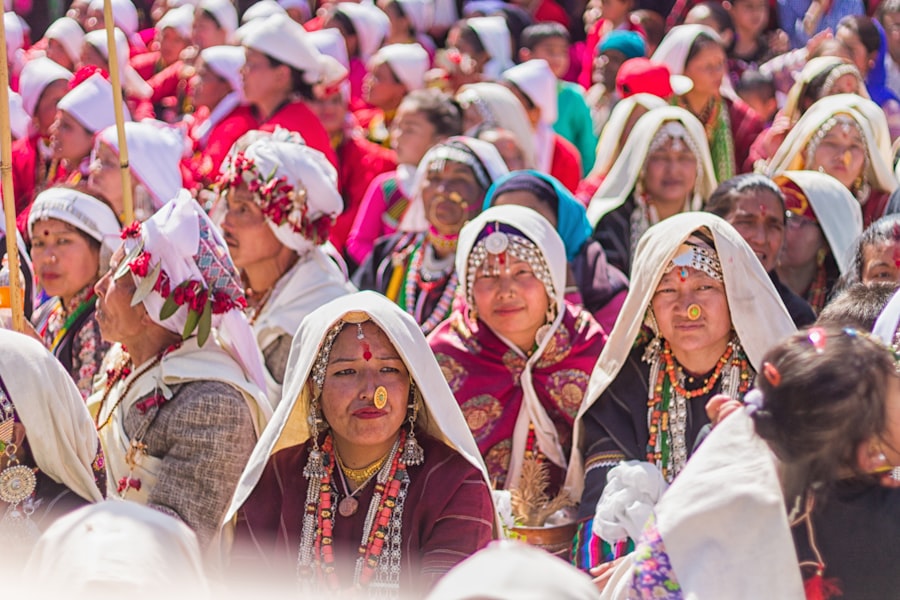
Despite their importance, isolated systems face numerous threats that jeopardize their biodiversity. One of the most significant challenges is habitat destruction, often driven by human activities such as deforestation, urbanization, and agriculture. As natural habitats are altered or destroyed, the delicate balance of these ecosystems is disrupted, leading to declines in native species and the introduction of invasive species that can outcompete local flora and fauna.
Climate change poses another formidable threat to isolated systems. Rising temperatures, altered precipitation patterns, and extreme weather events can drastically affect the delicate conditions that many species depend on for survival. For instance, island ecosystems are particularly vulnerable to rising sea levels and increased storm intensity, which can lead to habitat loss and increased salinity in freshwater sources.
Additionally, climate change can shift the distribution of species, leading to mismatches between organisms and their habitats, further exacerbating the challenges faced by these isolated systems.
Strategies for Preserving Diversity in Isolated Systems
To combat the threats facing isolated systems and their biodiversity, a multifaceted approach is necessary. One effective strategy is the establishment of protected areas that safeguard critical habitats from human encroachment. These reserves can serve as refuges for endangered species and help maintain ecological processes essential for biodiversity.
Effective management of these protected areas often involves collaboration with local communities to ensure that conservation efforts align with their needs and practices. Another important strategy is the restoration of degraded habitats within isolated systems. Restoration efforts can help re-establish native vegetation, improve soil health, and enhance connectivity between fragmented habitats.
This not only benefits local wildlife but also fosters resilience against environmental changes. Additionally, implementing sustainable land-use practices in surrounding areas can mitigate negative impacts on isolated systems while promoting biodiversity conservation.
Role of Conservation Organizations in Preserving Diversity
| Metric | Description | Value | Unit | Relevance to Diversity Preservation |
|---|---|---|---|---|
| Genetic Diversity Index (GDI) | Measures the variety of genetic traits within the isolated system | 0.72 | Index (0-1) | High value indicates good preservation of genetic diversity |
| Species Richness | Number of distinct species present in the system | 15 | Count | Higher species count supports ecosystem resilience |
| Shannon Diversity Index (H’) | Quantifies species diversity accounting for abundance and evenness | 2.45 | Index | Indicates moderate to high diversity within the system |
| Isolation Duration | Time period the system has been isolated | 12 | Years | Longer isolation can lead to unique diversity patterns |
| Migration Rate | Frequency of new individuals entering the system | 0.03 | Individuals per year | Low migration helps maintain isolation and unique diversity |
| Population Size | Total number of individuals in the system | 1200 | Individuals | Supports genetic variability and reduces inbreeding risk |
| Habitat Heterogeneity | Variety of habitat types within the system | 4 | Types | Greater heterogeneity promotes diverse species niches |
Conservation organizations play a pivotal role in preserving diversity within isolated systems. These organizations often lead efforts to conduct research, raise awareness, and implement conservation strategies aimed at protecting vulnerable ecosystems. By collaborating with governments, local communities, and other stakeholders, conservation groups can mobilize resources and expertise to address the complex challenges facing isolated systems.
Furthermore, conservation organizations often engage in advocacy work to influence policy decisions that impact biodiversity. They work tirelessly to promote legislation that protects critical habitats and supports sustainable practices. Through education and outreach programs, these organizations also empower local communities to take an active role in conservation efforts, fostering a sense of stewardship that is essential for long-term success.
Case Studies of Successful Diversity Preservation in Isolated Systems

Several case studies illustrate successful efforts to preserve diversity in isolated systems. One notable example is the Galápagos Islands, where targeted conservation initiatives have helped protect unique species such as the Galápagos tortoise and marine iguanas. Through strict regulations on tourism and invasive species management, conservationists have made significant strides in restoring balance to these fragile ecosystems.
Another compelling case is found in Madagascar, where numerous organizations have collaborated to protect its rich biodiversity. The establishment of protected areas has been complemented by community-based conservation programs that involve local populations in sustainable practices. These initiatives have not only contributed to the preservation of endemic species but have also improved livelihoods through ecotourism and sustainable agriculture.
Impact of Climate Change on Isolated Systems
The impact of climate change on isolated systems cannot be overstated. As global temperatures rise and weather patterns become increasingly erratic, these environments face unprecedented challenges. For instance, many island ecosystems are experiencing accelerated erosion due to rising sea levels, threatening both terrestrial and marine habitats.
Coral reefs surrounding these islands are also suffering from bleaching events caused by elevated sea temperatures, leading to declines in fish populations that depend on these ecosystems. In addition to physical changes in habitat, climate change can disrupt ecological interactions within isolated systems. Altered migration patterns and breeding seasons can lead to mismatches between species that rely on one another for survival.
For example, if pollinators emerge earlier due to warmer temperatures while flowering plants do not adjust accordingly, it could result in reduced plant reproduction and subsequent declines in herbivores that depend on those plants for food.
Ethical Considerations in Preserving Diversity in Isolated Systems
The preservation of diversity in isolated systems raises important ethical considerations that must be addressed by conservationists and policymakers alike. One key issue is the balance between human development and environmental protection. As communities seek economic growth through agriculture or tourism, it is essential to consider the long-term consequences of such activities on local ecosystems.
Ethical conservation practices should prioritize sustainable development that respects both human needs and ecological integrity. Additionally, there is a growing recognition of the rights of indigenous peoples who inhabit or have historical ties to isolated systems. These communities often possess valuable traditional knowledge about local ecosystems and sustainable practices that can inform conservation efforts.
Engaging indigenous peoples as partners in conservation not only respects their rights but also enhances the effectiveness of biodiversity preservation initiatives.
Community Involvement in Preserving Diversity
Community involvement is crucial for the success of biodiversity preservation efforts in isolated systems. Local communities often have a deep understanding of their environment and can provide insights into traditional practices that promote sustainability. By involving community members in conservation initiatives, organizations can foster a sense of ownership and responsibility towards local ecosystems.
Education plays a vital role in empowering communities to engage in biodiversity preservation actively. Workshops, training sessions, and outreach programs can raise awareness about the importance of local flora and fauna while providing practical skills for sustainable resource management. When communities are equipped with knowledge and resources, they are more likely to adopt practices that benefit both their livelihoods and the health of their ecosystems.
Future Challenges and Opportunities in Preserving Diversity in Isolated Systems
Looking ahead, preserving diversity in isolated systems will present both challenges and opportunities. As climate change continues to reshape landscapes and ecosystems, conservationists will need to adapt their strategies accordingly. This may involve innovative approaches such as assisted migration or genetic rescue to help vulnerable species cope with changing conditions.
On the other hand, advancements in technology offer new tools for monitoring biodiversity and assessing ecosystem health. Remote sensing technologies and genetic analysis can provide valuable data that inform conservation decisions. Additionally, increased global awareness about biodiversity loss has led to greater support for conservation initiatives, creating opportunities for collaboration across borders.
The Importance of Preserving Diversity in Isolated Systems
In conclusion, preserving diversity in isolated systems is not merely an environmental concern; it is a moral imperative that affects all life on Earth. The unique species and ecosystems found within these environments are irreplaceable treasures that contribute to global biodiversity and ecological resilience. As threats such as habitat destruction and climate change loom large, concerted efforts must be made to protect these fragile systems.
Through collaboration among conservation organizations, local communities, and policymakers, it is possible to develop effective strategies for preserving diversity in isolated systems. By recognizing the intrinsic value of these ecosystems and fostering a culture of stewardship, humanity can ensure that future generations inherit a rich tapestry of life that continues to thrive against all odds.
In the context of diversity preservation in isolated systems, the article on sample page provides valuable insights into the mechanisms that support biodiversity in environments that are cut off from external influences. This exploration highlights the importance of maintaining genetic diversity and ecosystem resilience, which are crucial for the survival of species in isolated habitats.
WATCH THIS! 🧠 The Universe Is A Brain. And It’s Having A Stroke.
FAQs
What is diversity preservation in isolated systems?
Diversity preservation in isolated systems refers to maintaining a variety of elements, such as genetic traits, species, or data types, within a system that has limited or no interaction with external environments. This concept is important to ensure resilience, adaptability, and long-term sustainability within the system.
Why is diversity preservation important in isolated systems?
Preserving diversity in isolated systems helps prevent homogenization, which can lead to vulnerability to diseases, environmental changes, or system failures. It promotes robustness by maintaining multiple options or traits that can adapt to unforeseen challenges.
What are examples of isolated systems where diversity preservation is critical?
Examples include isolated ecosystems like islands, closed ecological reserves, isolated populations in conservation biology, and certain computational or data systems that operate without external input or connectivity.
How is diversity measured in isolated systems?
Diversity can be measured using various indices depending on the context, such as genetic diversity indices in biology, species richness and evenness in ecology, or entropy and variance measures in data systems.
What methods are used to preserve diversity in isolated systems?
Methods include controlled breeding programs, habitat management, introduction of new genetic material when possible, maintaining multiple subpopulations, and using algorithms designed to maintain diversity in computational systems.
What challenges exist in preserving diversity in isolated systems?
Challenges include limited gene flow or data exchange, inbreeding or redundancy, environmental changes, small population sizes, and difficulties in monitoring and managing the system effectively.
Can diversity preservation strategies in isolated systems be applied to other fields?
Yes, principles of diversity preservation are applicable across fields such as conservation biology, agriculture, computer science (e.g., genetic algorithms), and cultural preservation, where maintaining a range of options or traits is beneficial.
How does isolation affect the rate of diversity loss?
Isolation often accelerates diversity loss due to restricted exchange of genetic material or information, increased inbreeding or redundancy, and limited opportunities for adaptation, making active preservation efforts more critical.
Are there technological tools that assist in diversity preservation in isolated systems?
Yes, technologies such as genetic sequencing, data analytics, simulation models, and automated monitoring systems help assess and manage diversity within isolated systems effectively.
What role do human activities play in diversity preservation in isolated systems?
Human activities can both threaten and support diversity preservation. Habitat destruction and introduction of invasive species can reduce diversity, while conservation efforts, habitat restoration, and controlled management can enhance it.