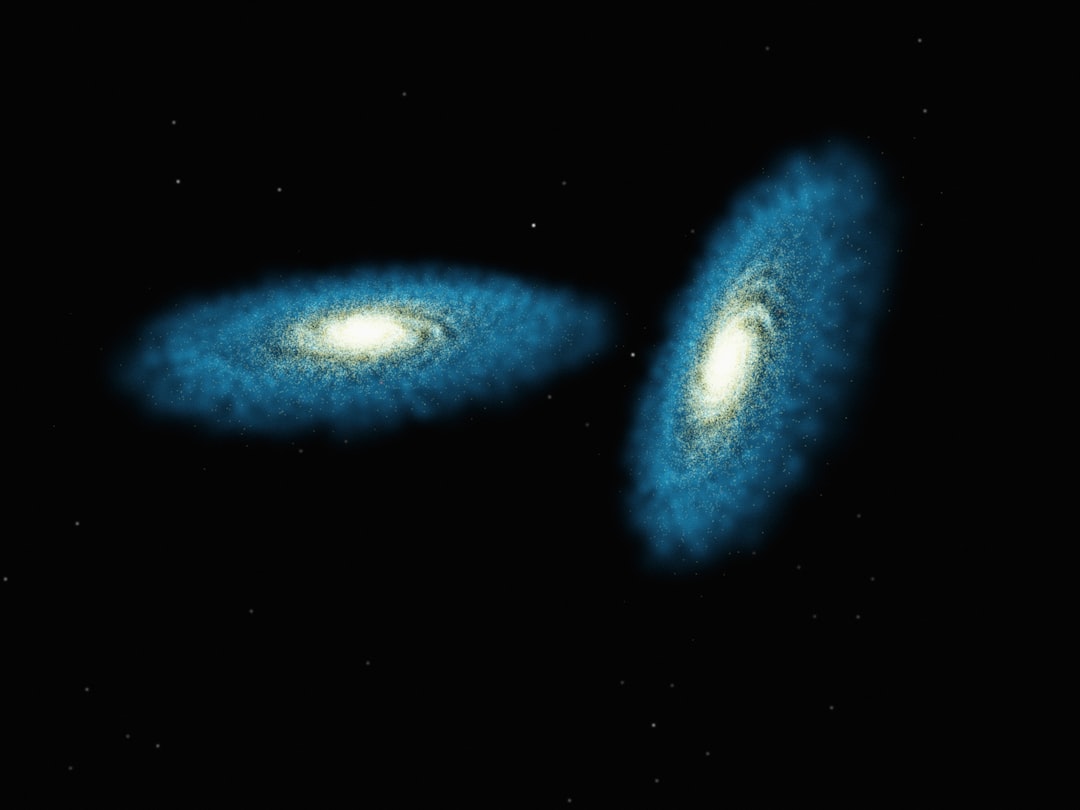
The universe is a vast and intricate tapestry, woven together by the forces of gravity and the mysterious nature of dark matter. Among the many phenomena that scientists study within this cosmic expanse, the alignment of galaxy spins with the filaments of the cosmic web stands out as a particularly intriguing subject. This alignment is not merely a random occurrence; rather, it reflects the underlying structure of the universe and the dynamics that govern galaxy formation and evolution.
As galaxies form and evolve, their spins can become aligned with the surrounding cosmic filaments, which are vast structures composed of dark matter and gas. Understanding this alignment offers insights into the fundamental processes that shape the universe. The study of galaxy spin alignment with filaments has gained momentum in recent years, driven by advancements in observational techniques and theoretical models.
Researchers have begun to unravel the complexities of how galaxies interact with their environments, particularly in relation to the large-scale structure of the universe. This article delves into the nature of cosmic filaments, the role of dark matter, and the implications of galaxy spin alignment for our understanding of cosmology. By exploring these interconnected themes, one can appreciate the significance of this phenomenon in the broader context of cosmic evolution.
Key Takeaways
- Galaxies tend to have their spins aligned with the large-scale filaments of the cosmic web.
- Dark matter plays a crucial role in influencing the spin orientation of galaxies within these filaments.
- Observations and theoretical models support the existence of this spin alignment phenomenon.
- Understanding galaxy spin alignment helps reveal insights into the formation and evolution of large-scale cosmic structures.
- Studying this alignment poses challenges but offers significant implications for cosmology and future research.
What are Filaments in the Cosmic Web?
Filaments are colossal structures that form part of the cosmic web, a vast network that outlines the distribution of matter in the universe. These filaments consist primarily of dark matter, interspersed with gas and galaxies, creating a web-like pattern that connects clusters and superclusters of galaxies. The filaments serve as highways for matter, guiding the flow of gas and facilitating galaxy formation.
They are essential components in understanding how galaxies are distributed across the universe and how they interact with one another. The formation of filaments is a consequence of gravitational instabilities in the early universe. As matter began to clump together under the influence of gravity, it formed dense regions that eventually evolved into galaxies and clusters.
The less dense regions between these clusters became elongated structures, resulting in the formation of filaments. These filaments are not static; they evolve over time as galaxies move along them, merging and interacting in complex ways. The study of filaments provides crucial insights into the large-scale structure of the universe and helps astronomers understand how galaxies are influenced by their surroundings.
The Role of Dark Matter in Galaxy Spin Alignment
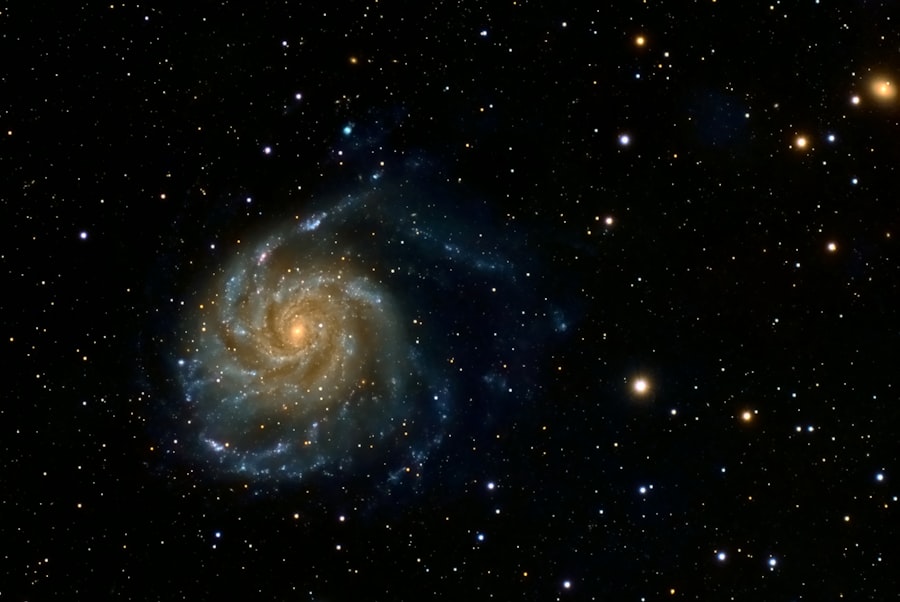
Dark matter plays a pivotal role in shaping the universe’s structure and influencing galaxy dynamics. Although it cannot be observed directly, its presence is inferred from gravitational effects on visible matter. Dark matter constitutes a significant portion of the total mass in the universe, and its distribution is closely tied to the formation of cosmic filaments.
As galaxies form within these filaments, their spins can become aligned with the surrounding dark matter structures.
Dark matter halos surround galaxies, exerting gravitational influence that can affect their rotational dynamics.
When galaxies form within these halos, their angular momentum can be influenced by the orientation of the surrounding dark matter. This relationship suggests that dark matter not only shapes the large-scale structure of the universe but also plays a direct role in determining how galaxies spin.
Observational Evidence of Galaxy Spin Alignment with Filaments
| Study | Sample Size | Filament Identification Method | Spin Alignment Metric | Key Findings | Reference |
|---|---|---|---|---|---|
| Tempel et al. (2013) | ~15,000 galaxies | Bisous model (marked point process) | Mean cosine of angle between spin vector and filament axis | Spins of spiral galaxies tend to align parallel to filaments | Tempel et al., 2013, MNRAS |
| Tempel & Libeskind (2013) | ~10,000 galaxies | Density field Hessian eigenvectors | Alignment parameter (distribution of spin-filament angles) | Low-mass galaxies show parallel alignment; high-mass galaxies show perpendicular alignment | Tempel & Libeskind, 2013, ApJ |
| Hahn et al. (2010) | ~12,000 galaxies | Velocity shear tensor | Probability distribution of spin-filament angle | Galaxy spins preferentially align with intermediate eigenvector of shear tensor | Hahn et al., 2010, MNRAS |
| Codis et al. (2018) | ~20,000 galaxies | Cosmic web reconstruction via tidal tensor | Alignment angle distribution | Clear mass-dependent transition in spin alignment with filaments | Codis et al., 2018, MNRAS |
| Welker et al. (2014) | ~8,000 galaxies | Skeleton method | Spin-filament alignment angle statistics | Spins of disc galaxies aligned with filaments; ellipticals show no clear alignment | Welker et al., 2014, MNRAS |
Observational evidence supporting galaxy spin alignment with cosmic filaments has been accumulating through various astronomical surveys and studies. Researchers have utilized advanced telescopes and imaging techniques to analyze large samples of galaxies, examining their orientations relative to nearby filaments. These studies have revealed a consistent trend: galaxies tend to align their spins with the direction of surrounding filaments.
One notable example comes from observations made using the Sloan Digital Sky Survey (SDSS), which has provided extensive data on galaxy orientations across vast regions of the sky. By analyzing this data, astronomers have found that galaxies located near filaments exhibit a higher degree of spin alignment compared to those situated in more isolated environments. This correlation suggests that the gravitational influence of filaments plays a significant role in shaping galaxy spins, reinforcing theoretical predictions about their interactions.
Theoretical Models Explaining Galaxy Spin Alignment
Theoretical models have been developed to explain the observed alignment between galaxy spins and cosmic filaments. One prominent framework involves simulations that incorporate both dark matter dynamics and baryonic physics. These simulations demonstrate how galaxies acquire angular momentum during their formation process, influenced by their interactions with surrounding dark matter structures.
In these models, as gas falls into a filament, it experiences tidal forces from nearby dark matter halos, which can impart angular momentum to the infalling material. This process can lead to a preferential alignment of galaxy spins along the filament’s axis. Additionally, feedback mechanisms from star formation and active galactic nuclei can further influence angular momentum distribution, creating a complex interplay between various physical processes that ultimately shapes galaxy spins.
Implications of Galaxy Spin Alignment with Filaments
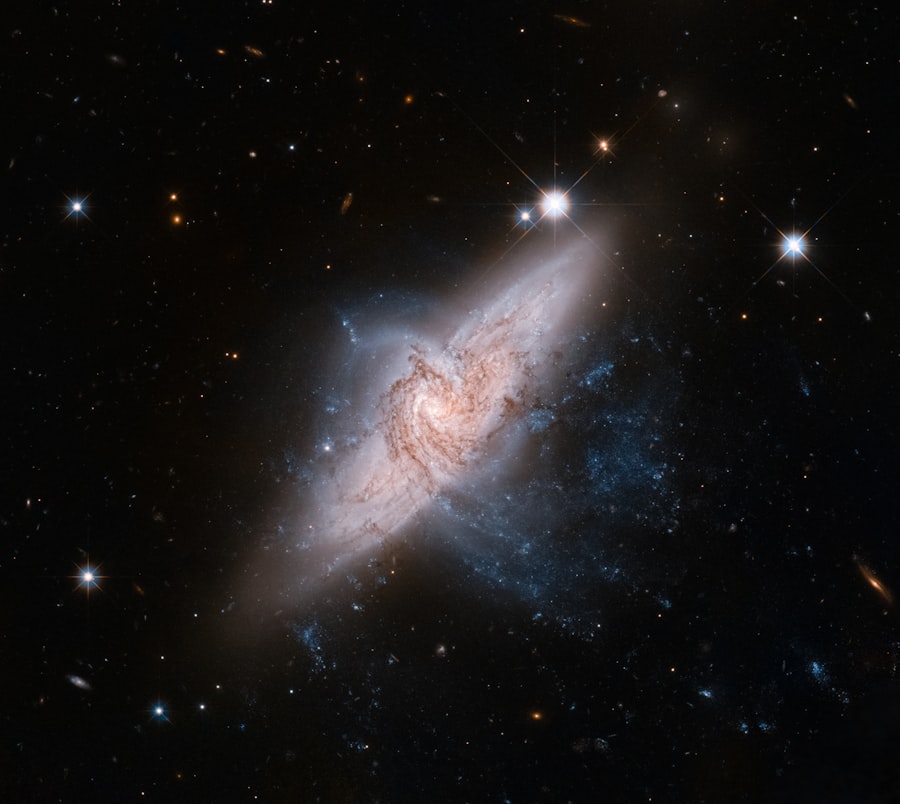
The alignment of galaxy spins with cosmic filaments carries significant implications for our understanding of galaxy formation and evolution.
This insight challenges previous notions that galaxy properties are primarily determined by internal processes alone.
Furthermore, understanding spin alignment can provide valuable information about the history of galaxy interactions within filaments. By studying how spins evolve over time, astronomers can gain insights into past merger events and interactions between galaxies. This knowledge can help reconstruct the evolutionary pathways that lead to the current distribution of galaxies in the universe.
The Connection between Galaxy Spin Alignment and Large-Scale Structure Formation
Galaxy spin alignment is intricately connected to large-scale structure formation in the universe. The cosmic web’s architecture influences how galaxies form and evolve, with filaments acting as conduits for gas and dark matter. As galaxies move along these filaments, their spins become aligned with the overall structure, reflecting the gravitational influences at play.
This connection highlights the importance of understanding both small-scale processes within individual galaxies and large-scale dynamics across cosmic distances. By integrating these perspectives, researchers can develop a more comprehensive picture of how galaxies fit into the broader framework of cosmic evolution.
Challenges in Studying Galaxy Spin Alignment with Filaments
Despite significant progress in understanding galaxy spin alignment with filaments, several challenges remain in this field of research. One major hurdle is accurately measuring galaxy spins and their orientations across vast cosmic distances. The inherent limitations of observational techniques can introduce uncertainties that complicate interpretations.
Additionally, disentangling the effects of various environmental factors on galaxy spins poses another challenge. While filaments play a crucial role, other influences such as local gravitational interactions, mergers, and feedback processes must also be considered. Developing models that account for these complexities requires sophisticated simulations and a deep understanding of both dark matter dynamics and baryonic physics.
Future Research Directions in Understanding Galaxy Spin Alignment
As research continues to advance, several promising directions emerge for further exploration of galaxy spin alignment with filaments. One avenue involves leveraging next-generation telescopes and observational facilities to gather more extensive datasets on galaxy orientations across different environments. These observations could provide deeper insights into how spin alignment varies with cosmic time and environment.
Additionally, refining theoretical models to incorporate more detailed physics will enhance understanding of spin dynamics within filaments. By integrating insights from both observational data and simulations, researchers can develop a more nuanced understanding of how galaxies interact with their surroundings and how these interactions shape their evolution.
The Significance of Galaxy Spin Alignment for Cosmology
The study of galaxy spin alignment with cosmic filaments holds profound significance for cosmology as a whole. It offers a window into understanding fundamental processes governing galaxy formation and evolution while shedding light on the nature of dark matter and its role in shaping large-scale structures. Moreover, insights gained from this research can inform broader questions about the universe’s evolution, including its expansion history and the distribution of matter across cosmic scales.
By unraveling these connections, scientists can build a more cohesive narrative about how galaxies fit into the grand tapestry of cosmic history.
The Cosmic Connection of Galaxy Spin Alignment with Filaments
In conclusion, galaxy spin alignment with cosmic filaments represents a fascinating intersection between observational astronomy and theoretical cosmology. As researchers continue to explore this phenomenon, they uncover valuable insights into how galaxies form, evolve, and interact within the vast expanse of the universe. The intricate relationship between galaxy spins and cosmic filaments not only enhances our understanding of individual galaxies but also contributes to a broader comprehension of large-scale structure formation.
As advancements in technology and methodology continue to unfold, future studies promise to deepen our knowledge further, revealing new layers to this cosmic connection. Ultimately, understanding galaxy spin alignment with filaments enriches our appreciation for the complexity and beauty inherent in the universe’s structure, offering glimpses into its past while illuminating pathways toward its future evolution.
Recent studies have shown intriguing connections between galaxy spin alignment and cosmic filaments, shedding light on the large-scale structure of the universe. For a deeper understanding of this phenomenon, you can explore the article on cosmic structures and their implications for galaxy formation at this link. This research highlights how the orientation of galaxies is influenced by the surrounding cosmic web, providing valuable insights into the dynamics of the universe.
WATCH THIS! The 27-Order-of-Magnitude Secret That Connects Your Brain to the Cosmos
FAQs
What is galaxy spin alignment with filaments?
Galaxy spin alignment with filaments refers to the observed phenomenon where the rotational axes of galaxies tend to align with the large-scale cosmic web structures known as filaments. These filaments are elongated, thread-like formations composed of dark matter, gas, and galaxies that connect clusters across the universe.
Why do galaxies align their spins with cosmic filaments?
The alignment is believed to result from the gravitational influence of the cosmic web during galaxy formation and evolution. As galaxies form within filaments, tidal forces and angular momentum transfer from the surrounding matter can cause their spins to preferentially orient along or perpendicular to the filament direction.
How is galaxy spin alignment measured?
Astronomers measure galaxy spin alignment by analyzing the orientation of galaxy rotation axes relative to the direction of nearby filaments. This involves mapping the large-scale structure using galaxy surveys and determining spin directions through observations of galaxy shapes, rotation curves, or polarization data.
Does galaxy spin alignment vary with galaxy type?
Yes, studies have shown that the degree and nature of spin alignment can depend on galaxy morphology. For example, spiral galaxies often show different alignment patterns compared to elliptical galaxies, reflecting differences in their formation histories and interactions with the cosmic web.
What is the significance of studying galaxy spin alignment?
Understanding galaxy spin alignment helps astronomers learn about the processes of galaxy formation and the influence of the cosmic web on galaxy evolution. It also provides insights into the distribution of dark matter and the dynamics of large-scale structures in the universe.
Are galaxy spins always aligned with filaments?
No, the alignment is statistical rather than absolute. While many galaxies show a tendency to align their spins with filaments, there is considerable variation due to local environmental factors, mergers, and other dynamical processes.
What tools and surveys are used to study galaxy spin alignment?
Researchers use large galaxy surveys such as the Sloan Digital Sky Survey (SDSS), the Dark Energy Survey (DES), and simulations like Illustris and EAGLE to study spin alignment. These provide extensive data on galaxy positions, shapes, and velocities necessary for analyzing their orientation relative to filaments.
Can galaxy spin alignment inform us about dark matter?
Yes, since filaments are primarily composed of dark matter, studying how galaxies align with these structures can shed light on the distribution and behavior of dark matter in the cosmic web, improving our understanding of its role in cosmic evolution.