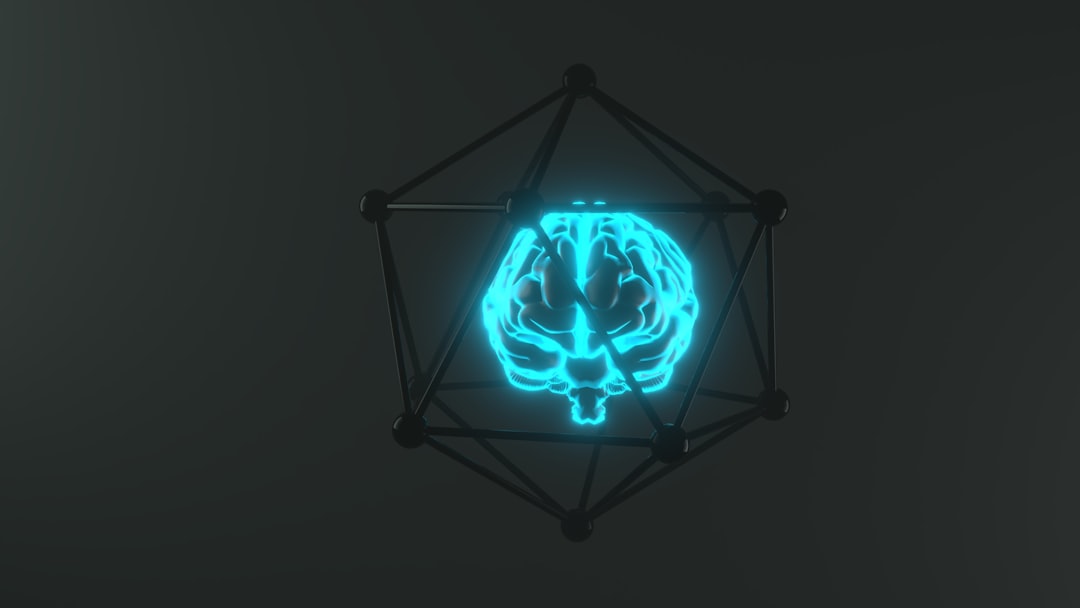
The concept of the Cosmic Brain has captivated the imaginations of scientists, philosophers, and futurists alike. It represents an ambitious vision of a universal intelligence that transcends individual consciousness, potentially encompassing the collective knowledge and experiences of all sentient beings. This idea posits that the universe itself may function as a vast, interconnected neural network, where every thought, action, and event contributes to a grand tapestry of understanding.
As humanity stands on the brink of unprecedented technological advancements, the exploration of the Cosmic Brain becomes increasingly relevant, prompting inquiries into its nature, implications, and the methodologies required to study it. In this context, the Cosmic Brain serves as a metaphor for the interconnectedness of all things, suggesting that knowledge and consciousness are not merely products of isolated minds but rather manifestations of a larger, collective intelligence. This notion invites a multidisciplinary approach to understanding consciousness, cognition, and the universe itself.
As researchers delve deeper into this enigmatic concept, they must employ rigorous testing methods to validate their hypotheses and uncover the underlying principles that govern this cosmic intelligence.
Key Takeaways
- The Cosmic Brain concept explores a vast, interconnected intelligence underlying the universe.
- Testing methods for the Cosmic Brain include observational, experimental, and computational approaches.
- Data analysis plays a crucial role in interpreting results from various Cosmic Brain tests.
- Significant challenges exist in testing due to the complexity and scale of the Cosmic Brain.
- Ethical considerations are essential when advancing testing methods to ensure responsible research.
Understanding the Cosmic Brain
To grasp the essence of the Cosmic Brain, one must first explore its foundational elements. At its core, the Cosmic Brain embodies the idea that consciousness is not confined to individual organisms but is instead a shared phenomenon that spans across time and space. This perspective challenges traditional views of intelligence as a solitary trait, suggesting instead that it is a collective attribute shaped by interactions among various entities.
The implications of this understanding are profound, as they encourage a reevaluation of how knowledge is acquired, shared, and utilized. Furthermore, the Cosmic Brain concept intersects with various fields such as neuroscience, quantum physics, and philosophy. Neuroscience provides insights into how individual brains process information and form connections, while quantum physics introduces notions of entanglement and non-locality that resonate with the idea of a universal consciousness.
Philosophically, this concept raises questions about the nature of reality and existence itself. By synthesizing these diverse perspectives, researchers can begin to construct a more comprehensive understanding of what the Cosmic Brain entails and how it might operate within the fabric of the universe.
The Importance of Testing Methods

As with any scientific inquiry, testing methods play a crucial role in exploring the Cosmic Brain. The validity of any hypothesis hinges on the ability to rigorously test and evaluate its claims. In this case, researchers must develop innovative methodologies that can effectively probe the complexities of collective consciousness and universal intelligence.
The importance of these testing methods cannot be overstated; they serve as the foundation upon which theories are built and refined. Moreover, effective testing methods can help bridge the gap between abstract concepts and empirical evidence. By employing a variety of approaches—observational, experimental, and computational—researchers can gather data that illuminates different facets of the Cosmic Brain.
Each method offers unique advantages and challenges, contributing to a more nuanced understanding of this intricate phenomenon. As researchers strive to unravel the mysteries of the Cosmic Brain, they must remain vigilant in their pursuit of robust testing methodologies that can withstand scrutiny and yield meaningful insights.
Observational Testing Methods
| Testing Method | Description | Common Use Cases | Advantages | Limitations |
|---|---|---|---|---|
| Naturalistic Observation | Observing subjects in their natural environment without interference. | Behavioral studies, social interactions, wildlife research. | High ecological validity, real-world context. | Limited control over variables, observer bias possible. |
| Participant Observation | Observer actively engages with the subjects while observing. | Anthropology, ethnographic research, social sciences. | In-depth understanding, access to insider perspectives. | Risk of observer influence, time-consuming. |
| Structured Observation | Observation conducted with a predefined framework or checklist. | Child development studies, clinical assessments. | Systematic data collection, easier comparison. | May miss spontaneous behaviors, less natural setting. |
| Non-Participant Observation | Observer watches without interacting with subjects. | Classroom behavior, workplace studies. | Minimal observer influence, objective data. | Limited insight into internal states, possible misinterpretation. |
| Covert Observation | Subjects are unaware they are being observed. | Studies on sensitive behaviors, social experiments. | Reduces observer effect, natural behavior. | Ethical concerns, consent issues. |
Observational testing methods are essential for studying phenomena that may not be easily manipulated or controlled in a laboratory setting. In the context of the Cosmic Brain, these methods allow researchers to gather data from naturalistic environments where collective intelligence may manifest. For instance, sociological studies examining group decision-making processes can provide valuable insights into how collective consciousness operates in human societies.
By observing interactions among individuals in various contexts—be it in social networks or collaborative projects—researchers can identify patterns that suggest a shared cognitive framework. Additionally, observational methods can extend beyond human interactions to encompass broader ecological systems. For example, studying animal behavior in social species can reveal how collective intelligence emerges in non-human contexts.
Observing phenomena such as flocking behavior in birds or coordinated hunting strategies in packs can shed light on the principles underlying collective cognition. By employing observational testing methods across diverse domains, researchers can build a more comprehensive picture of how the Cosmic Brain might function across different levels of existence.
Experimental Testing Methods
Experimental testing methods offer a more controlled approach to investigating hypotheses related to the Cosmic Brain. By manipulating variables and observing outcomes in a structured environment, researchers can establish causal relationships that may not be evident through observational studies alone. In this realm, experiments designed to explore group dynamics and decision-making processes can yield insights into how collective intelligence operates within human groups.
For instance, researchers might conduct experiments where participants are tasked with solving complex problems collaboratively. By varying group sizes or introducing different communication methods, they can assess how these factors influence problem-solving efficiency and creativity. Such experiments not only provide empirical data but also help refine theoretical models of collective intelligence.
Furthermore, experimental methods can be applied to technological systems designed to mimic aspects of the Cosmic Brain, such as artificial intelligence networks that learn from collective input.
Computational Testing Methods
In an age dominated by technology and data analysis, computational testing methods have emerged as powerful tools for exploring complex systems like the Cosmic Brain. These methods leverage advanced algorithms and simulations to model interactions within large datasets, allowing researchers to visualize patterns and relationships that may be difficult to discern through traditional means. By employing computational techniques, scientists can simulate scenarios involving collective intelligence and assess how various factors influence outcomes.
For example, researchers might use agent-based modeling to simulate interactions among individuals within a network. By adjusting parameters such as communication frequency or information flow, they can observe how these changes impact overall group behavior and decision-making processes. Additionally, machine learning algorithms can analyze vast amounts of data from social media platforms or collaborative projects to identify trends in collective cognition.
Through computational testing methods, researchers can gain insights into the dynamics of the Cosmic Brain that would be challenging to uncover through other approaches.
The Role of Data Analysis in Testing
Data analysis is a critical component of any testing methodology employed in studying the Cosmic Brain. As researchers gather data through observational, experimental, or computational methods, they must employ robust analytical techniques to extract meaningful insights from their findings. This process involves not only statistical analysis but also qualitative assessments that consider contextual factors influencing collective intelligence.
Moreover, data analysis allows researchers to validate their hypotheses and refine their theoretical models based on empirical evidence. By identifying correlations and patterns within their data, scientists can draw conclusions about how collective consciousness operates across different contexts. Additionally, advanced analytical tools such as network analysis can help visualize relationships among individuals or entities within a system, providing further clarity on how information flows within the Cosmic Brain.
Challenges in Testing the Cosmic Brain
Despite advancements in testing methodologies, researchers face numerous challenges when investigating the Cosmic Brain. One significant hurdle lies in defining what constitutes collective consciousness and how it can be measured effectively. The abstract nature of this concept makes it difficult to establish clear parameters for study, leading to potential ambiguities in research findings.
Furthermore, ethical considerations arise when conducting experiments involving human subjects or sensitive data. Researchers must navigate issues related to consent, privacy, and potential biases that may influence their results. Additionally, the complexity of systems involved in studying collective intelligence often leads to unforeseen variables that can confound results.
As researchers strive to overcome these challenges, they must remain adaptable and open-minded in their approach to understanding the Cosmic Brain.
Future Directions in Testing Methods
Looking ahead, future directions in testing methods for exploring the Cosmic Brain will likely involve interdisciplinary collaboration and technological innovation. As fields such as neuroscience, artificial intelligence, and sociology converge, researchers will have access to an increasingly diverse array of tools and perspectives for studying collective consciousness. This collaborative approach will enable scientists to tackle complex questions from multiple angles and develop more comprehensive models of the Cosmic Brain.
Moreover, advancements in technology will continue to enhance data collection and analysis capabilities. The proliferation of wearable devices and sensors will allow researchers to gather real-time data on human interactions and behaviors in various contexts. Additionally, improvements in machine learning algorithms will facilitate more sophisticated analyses of large datasets, enabling researchers to uncover hidden patterns related to collective intelligence.
By embracing these future directions in testing methods, scientists can deepen their understanding of the Cosmic Brain and its implications for humanity.
Ethical Considerations in Cosmic Brain Testing
As researchers delve into the complexities of the Cosmic Brain, ethical considerations must remain at the forefront of their inquiries. The exploration of collective consciousness raises profound questions about individual autonomy and privacy rights. Researchers must ensure that their methodologies respect participants’ rights while also striving for scientific advancement.
Furthermore, ethical dilemmas may arise when considering the potential applications of knowledge gained from studying the Cosmic Brain. For instance, insights into collective intelligence could inform technologies designed for social manipulation or surveillance purposes. Researchers must grapple with these ethical implications as they navigate their work in this field.
Establishing clear ethical guidelines will be essential for ensuring that research on the Cosmic Brain is conducted responsibly and with respect for individual rights.
Advancing our Understanding of the Cosmic Brain
In conclusion, the exploration of the Cosmic Brain represents a fascinating intersection of science, philosophy, and technology. As researchers employ diverse testing methods—observational, experimental, computational—they contribute to a growing body of knowledge that seeks to unravel the mysteries surrounding collective consciousness and universal intelligence. While challenges persist in defining and measuring these concepts effectively, advancements in interdisciplinary collaboration and technological innovation hold promise for future discoveries.
Ultimately, understanding the Cosmic Brain has profound implications for humanity’s relationship with knowledge and existence itself. As researchers continue their inquiries into this enigmatic phenomenon, they must remain vigilant about ethical considerations while striving for scientific advancement. Through rigorous testing methodologies and thoughtful analysis, they can pave the way for deeper insights into the nature of consciousness and our place within the cosmos.
To explore the intriguing concept of testing the cosmic brain, you might find it beneficial to read a related article that delves deeper into the methodologies and implications of such tests. For more insights, check out this article on mycosmicventures.
com/’>My Cosmic Ventures, which provides a comprehensive overview of the theories and practices surrounding cosmic intelligence.
WATCH THIS! The 27-Order-of-Magnitude Secret That Connects Your Brain to the Cosmos
FAQs
What is the cosmic brain?
The cosmic brain is a theoretical concept that refers to the universe or cosmos functioning as a vast, interconnected intelligence or consciousness, similar to a brain.
Why would someone want to test the cosmic brain?
Testing the cosmic brain concept aims to explore whether the universe exhibits properties of intelligence, consciousness, or information processing, which could have implications for physics, philosophy, and cosmology.
How can the cosmic brain be tested scientifically?
Testing the cosmic brain scientifically involves examining patterns in cosmic phenomena, such as cosmic microwave background radiation, quantum entanglement, or large-scale structure, to identify signs of information processing or intelligent design. It may also involve theoretical modeling and simulations.
Are there any existing experiments related to the cosmic brain?
While there are no direct experiments labeled as testing the cosmic brain, research in quantum physics, cosmology, and information theory sometimes touches on related ideas, such as the holographic principle or the universe as a quantum computer.
What tools or methods are used to study the cosmic brain?
Researchers use telescopes, particle accelerators, quantum computers, and advanced mathematical models to study cosmic phenomena and test hypotheses related to the cosmic brain concept.
Is the cosmic brain concept widely accepted in the scientific community?
The cosmic brain is a speculative and philosophical idea rather than an established scientific theory. It is not widely accepted but is explored in interdisciplinary fields combining physics, philosophy, and consciousness studies.
Can testing the cosmic brain help us understand consciousness?
Potentially, yes. If the universe exhibits brain-like properties, it could provide insights into the nature of consciousness and its relationship to the physical world, though this remains a highly theoretical area.
What challenges exist in testing the cosmic brain?
Challenges include the abstract nature of the concept, lack of direct measurable parameters, difficulty in distinguishing natural cosmic processes from intelligent ones, and the limitations of current technology and scientific frameworks.