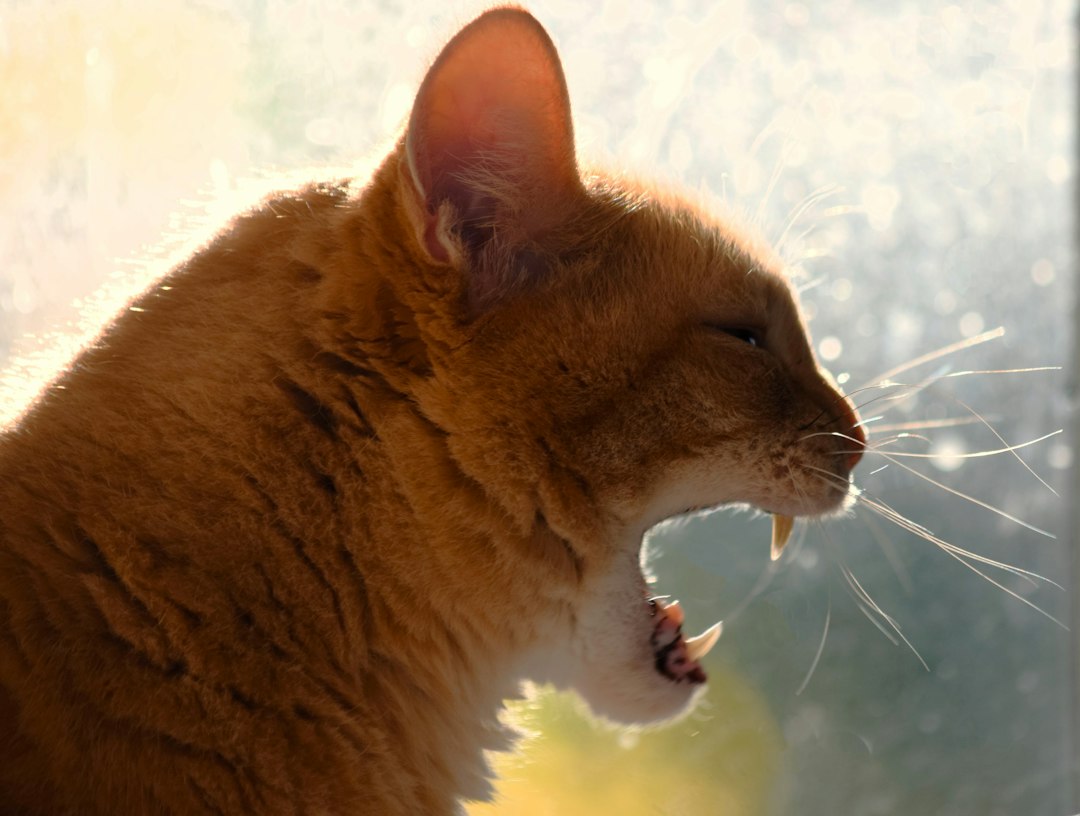
Cats, creatures of routine and mystery, often present their humans with a puzzle, particularly when the sun dips below the horizon and the house falls silent. Then, amidst the quiet, a sound emerges – a mournful howl, a persistent meow, a vocalization that seems to pierce the darkness and stir unease in its feline companion. Understanding this nocturnal vocalization is crucial for addressing a cat’s needs and ensuring a harmonious household. This article delves into the multifaceted reasons behind a cat’s nocturnal howling, offering insights and guidance to cat owners.
To comprehend why a cat might be howling at night, it’s essential to look back at their evolutionary history. Domestic cats, Felis catus, are descendants of the African wildcat, a largely solitary and crepuscular animal. This means they are most active during dawn and dusk. While domestication has undoubtedly altered some of their behaviors, certain instincts remain deeply ingrained.
The Wildcat’s Communication Toolkit
In their wild ancestors, vocalizations played a vital role in communication. These sounds were used for a variety of purposes, including:
- Territorial marking: Hissing, growling, and sometimes even yowling were employed to warn off rivals and defend their territory. While domestic cats may not actively hunt in the same way, their territorial instincts can still manifest vocally.
- Mating calls: Unspayed and unneutered cats, particularly females in heat, will vocalize intensely to attract mates. This is often a loud, insistent, and drawn-out sound that can be quite disruptive.
- Distress signals: Kittens cry out to their mothers when they are cold, hungry, or scared. This innate ability to signal distress can, in some instances, carry over into adulthood.
- Social bonding: While often perceived as solitary, cats do engage in social interactions. They use a range of vocalizations, from purrs and chirps to meows, to communicate with each other and, importantly, with their human companions.
The Shift to Domesticity and its Impact
The transition from a wild existence to living with humans has brought about significant changes. Cats have learned that vocalizing with humans can elicit responses – food, attention, a clean litter box, or simply a comforting presence. This learned behavior, combined with their underlying evolutionary drives, contributes to their nocturnal vocalizations. A cat that has successfully “trained” its human to respond to certain sounds at night is likely to continue that behavior.
If you’ve ever wondered why your cat howls at night, you might find it helpful to explore related insights in this article. Cats are known for their nocturnal behaviors, and understanding the reasons behind their nighttime vocalizations can help you address any concerns. To learn more about this intriguing topic, check out the article here: Why Does My Cat Howl at Night?.
Age-Related Factors in Nocturnal Howling
A cat’s age can be a significant determinant of their vocalization patterns. Kittens and senior cats, in particular, may exhibit increased nocturnal howling for distinct reasons.
Kitten Vocalizations: The Need for Reassurance
Young kittens are entirely dependent on their mothers for warmth, food, and security. When separated from their mother or littermates, especially for the first time, they are prone to distress calls.
- Separation anxiety: A kitten experiencing its first night away from its mother and siblings can feel profoundly alone and insecure. Their howling is a plea for comfort and reassurance, akin to a baby crying for its parent. This is often accompanied by trembling and a general sense of unease.
- Hunger and cold: If a kitten is not adequately fed or kept warm, it will vocalize its discomfort. This is a basic survival instinct.
- Exploration and curiosity: As kittens begin to explore their new environment, they may become disoriented or frightened by unfamiliar sounds or shadows. Their vocalizations can be a way of seeking guidance or alerting their presence.
Providing a warm, comfortable bed, a readily available food and water source, and a quiet, secure environment can help alleviate a kitten’s nocturnal howling. Introducing them gradually to their new surroundings and ensuring they have opportunities for play and interaction during the day can also contribute to better sleep at night.
Senior Cat Vocalizations: Cognitive Decline and Physical Discomfort
As cats age, they can develop various health issues and cognitive changes that may lead to increased nocturnal vocalization.
- Feline Cognitive Dysfunction (FCD): Similar to dementia in humans, FCD can affect older cats, leading to confusion, disorientation, and changes in sleep-wake cycles. A cat with FCD might howl because they are unsure of their surroundings, have forgotten where their litter box or food bowl is, or simply feel anxious. This can manifest as pacing, vocalizing, and changes in social interaction.
- Sensory decline: Vision and hearing can diminish with age. A cat with impaired senses might become more anxious in the dark and vocalize out of fear or confusion. They may not be able to easily locate their accustomed resting spots or identify familiar sounds, leading to distress.
- Pain and discomfort: Arthritis, kidney disease, hyperthyroidism, and other age-related ailments can cause chronic pain or discomfort. A cat in pain may vocalize to express their suffering, and this pain can be exacerbated at night when they are trying to rest.
- Changes in sleep patterns: Older cats, like older humans, can experience disruptions in their sleep-wake cycles. They may become more active at night and sleep more during the day, leading to increased vocalizations when their owners are trying to sleep.
It is crucial to consult a veterinarian if a senior cat begins to howl excessively at night. A thorough medical examination can help identify any underlying health issues that may be contributing to the behavior. Management strategies might include pain relief, dietary adjustments, environmental enrichment, and behavioral modification techniques.
Medical and Physical Causes of Nocturnal Howling
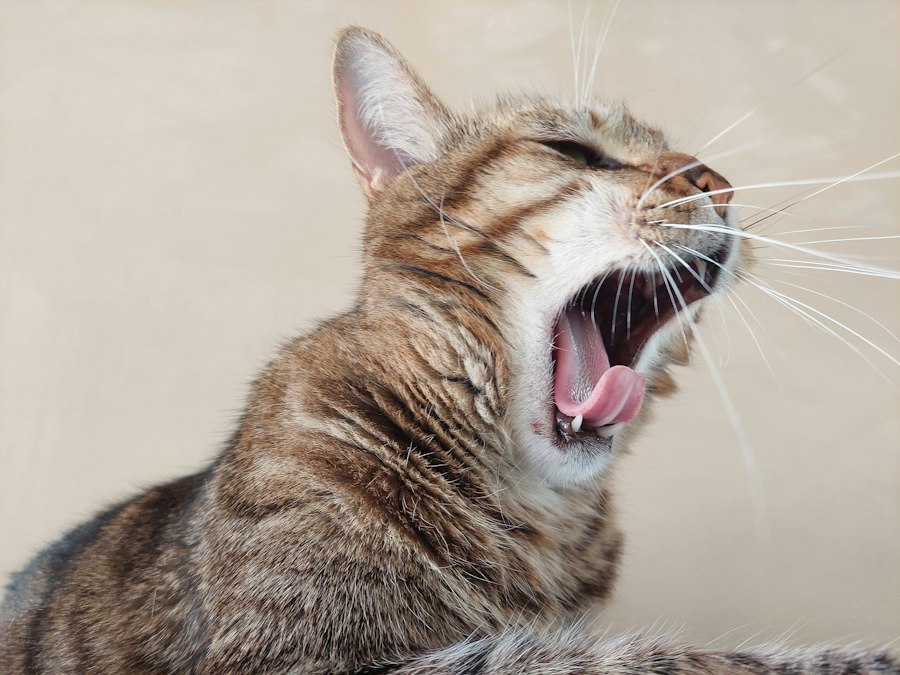
Beyond age, several medical conditions can trigger or exacerbate nocturnal howling in cats of any age. These underlying physical issues require prompt veterinary attention.
Pain and Discomfort
Any form of physical pain can lead to vocalization. Cats, being stoic creatures, often hide their discomfort until it becomes significant.
- Arthritis and joint pain: As cats age, arthritis is common. Joint stiffness and pain can make it difficult to move, find comfortable sleeping positions, and get to the litter box. This can lead to yowling, especially when they attempt to shift positions or get up.
- Gastrointestinal issues: Conditions like inflammatory bowel disease (IBD), constipation, or even gas can cause abdominal pain and discomfort, leading to vocalizations.
- Dental problems: Toothaches, gum disease, and abscesses can be excruciatingly painful. A cat suffering from dental pain may howl, particularly when trying to eat or rest.
- Urinary tract infections (UTIs) and bladder stones: These conditions can cause significant pain and discomfort during urination, leading to distressed vocalizations.
- Injuries: Even minor injuries that might not be immediately apparent can cause pain and lead to vocal outbursts.
If a cat’s howling is accompanied by other symptoms such as limping, loss of appetite, lethargy, changes in litter box habits, or a hunched posture, a veterinary visit is imperative.
Hormonal Imbalances and Reproductive Issues
For unspayed female cats, nocturnal howling is often a clear sign of being in heat.
- Estrus (Heat): A female cat in heat will experience intense hormonal changes that drive them to seek a mate. This period is characterized by increased vocalization, restlessness, rubbing against objects and people, and assuming a mating posture. The howling can be loud, persistent, and very disruptive.
- Progesterone Imbalance: In some cases, even spayed females might exhibit some hormonal fluctuations or sensitivities that could lead to vocalization, though this is less common.
- Thyroid Issues: Hyperthyroidism is a common condition in older cats that can cause increased anxiety, restlessness, and vocalization, often at night. This condition affects metabolism and can lead to a cat feeling generally unsettled.
Neutering and spaying are highly effective in preventing heat-related howling. If a cat is suspected to have a hormonal imbalance, a veterinarian can perform tests and recommend appropriate treatment.
Behavioral and Psychological Causes of Nocturnal Howling
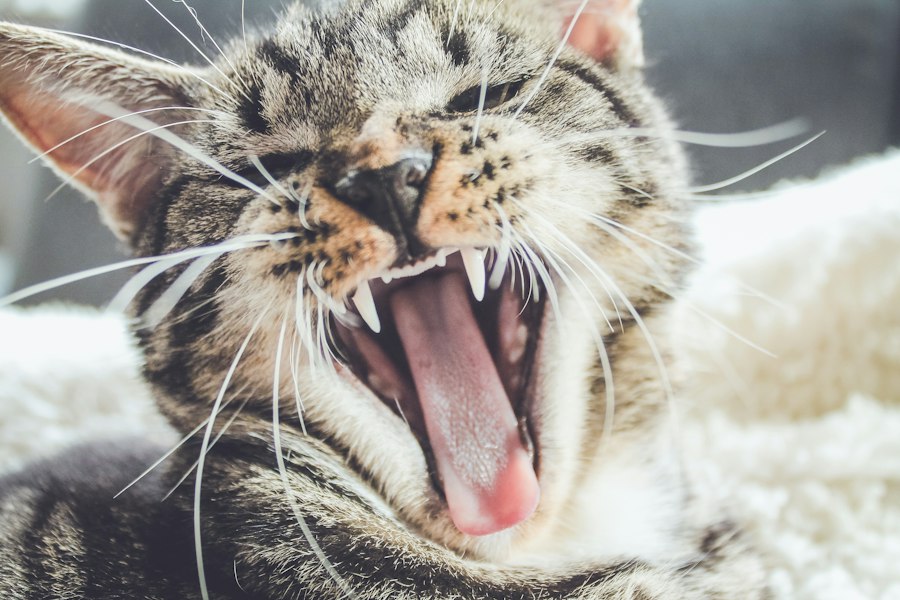
While physical ailments are a primary concern, behavioral and psychological factors also play a significant role in a cat’s nocturnal vocalizations.
Boredom and Lack of Stimulation
Cats are intelligent and active creatures that require mental and physical stimulation to thrive. A bored cat can become restless and anxious, especially at night when their humans are asleep and unavailable for play.
- Insufficient playtime: If a cat doesn’t get enough opportunities to hunt, stalk, and play during the day, they may channel that pent-up energy into nocturnal activity and vocalization.
- Lack of environmental enrichment: A sterile environment with little to explore or interact with can lead to boredom. This includes lacking climbing structures, scratching posts, puzzle feeders, and varied textures.
- Daytime sleeping patterns: If a cat sleeps for the majority of the day, they will naturally be more awake and active at night.
Encouraging active play sessions with interactive toys in the evening, providing a variety of engaging toys, and creating an enriching environment with opportunities for climbing and exploring can significantly reduce boredom-induced howling.
Anxiety and Stress
Like humans, cats can experience anxiety and stress, which can manifest in various behaviors, including nocturnal howling.
- Separation anxiety: While more common in kittens, adult cats can also develop separation anxiety if they are overly attached to their owners or have experienced traumatic separations. They may howl when left alone, even for short periods, or at night when they perceive their owner’s absence.
- Changes in routine or environment: Moving to a new home, the introduction of a new pet or person, or even a shift in the household’s daily schedule can be stressful for a cat. This can lead to insecurity and increased vocalization as they try to cope with the changes.
- Fear-based anxiety: Loud noises, unfamiliar people or animals, or past negative experiences can contribute to a cat’s overall anxiety. This can be triggered at night when they feel more vulnerable.
- Lack of security: A cat that doesn’t feel safe and secure in its environment may vocalize out of fear or to seek reassurance. This can be related to territorial disputes with other animals or feeling exposed.
Identifying the source of anxiety is the first step to addressing it. This might involve consulting with a veterinarian or a certified feline behaviorist to develop strategies for desensitization, counter-conditioning, and creating a more secure environment.
Attention-Seeking Behavior
Cats are intelligent and learn what works to get their humans’ attention. If howling at night has previously resulted in food, petting, or play, the cat will likely repeat the behavior.
- Reinforcement of vocalization: When a cat howls at night and receives a response from its owner – even a negative one, like telling them to be quiet – the cat perceives this as attention. This reinforces the idea that howling is an effective communication tool.
- Learned helplessness: In some cases, cats might feel that they are not getting enough attention or stimulation during the day and resort to nocturnal vocalizations to try and elicit a response.
The key to addressing attention-seeking howling is to avoid reinforcing the behavior. This means ignoring the howling as much as possible, at least initially, while ensuring the cat’s needs are met during the day. Providing ample attention, playtime, and enrichment during waking hours is crucial.
If you’ve ever wondered why your cat howls at night, you might find it helpful to explore some insights on feline behavior. Cats are naturally crepuscular, meaning they are most active during dawn and dusk, which can lead to nighttime vocalizations. Additionally, factors such as loneliness, boredom, or even health issues can contribute to this behavior. For a deeper understanding of your cat’s nighttime antics, check out this informative article on the topic at My Cosmic Ventures, where you can discover tips on how to manage your cat’s nighttime howling.
Solutions and Strategies for Managing Nocturnal Howling
| Reason for Howling | Description | Commonness | Suggested Action |
|---|---|---|---|
| Loneliness or Seeking Attention | Cats may howl at night if they feel lonely or want interaction. | High | Spend more time playing or cuddling with your cat before bedtime. |
| Hunger or Thirst | Howling can indicate that the cat is hungry or thirsty. | Moderate | Ensure food and water are available before night. |
| Medical Issues | Pain, discomfort, or cognitive dysfunction can cause vocalization. | Low to Moderate | Consult a veterinarian for a health check-up. |
| Mating Behavior | Unspayed or unneutered cats may howl to attract mates. | Moderate | Consider spaying or neutering your cat. |
| Territorial or Environmental Stimuli | Cats may respond to noises or other animals outside. | Moderate | Close windows or use white noise to mask outside sounds. |
| Stress or Anxiety | Changes in environment or routine can cause distress vocalizations. | Low to Moderate | Maintain a consistent routine and provide a safe space. |
Addressing nocturnal howling requires a patient, multifaceted approach that considers the underlying cause. It’s essential to rule out medical issues first.
Veterinary Consultation: The First and Most Important Step
Before attempting any behavioral modifications, a thorough veterinary examination is paramount.
- Ruling out medical conditions: As discussed, pain, hormonal imbalances, and cognitive decline can all cause nocturnal howling. A vet can diagnose and treat these issues, often resolving the vocalization problem.
- Assessing overall health: The vet can also check for any subtle health issues that might be contributing to the cat’s discomfort or anxiety.
- Discussing age-related changes: For senior cats, the vet can provide guidance on managing FCD, pain, and sensory decline.
Only after medical causes have been ruled out can behavioral and environmental interventions be confidently pursued.
Environmental Enrichment and Routine
Creating a stimulating and predictable environment can significantly reduce stress and boredom, which often contribute to nocturnal howling.
- Interactive play sessions: Dedicate at least two 15-20 minute play sessions daily, ideally in the evening before bedtime. Use toys that mimic prey, such as feather wands, laser pointers (used cautiously and ensuring the cat “catches” something), or crinkle balls.
- Puzzle feeders: These toys dispense food or treats as the cat manipulates them, providing mental stimulation and slowing down eating.
- Vertical space: Cats feel secure and enjoy observing their surroundings from elevated positions. Provide cat trees, shelves, or perches.
- Scratching posts and surfaces: Offer a variety of scratching options to satisfy their natural urge to scratch.
- Window perches: Allow cats to watch the outside world, which can be mentally stimulating.
- Consistent feeding schedule: Predictable feeding times can reduce anxiety. Consider a late-night meal or an automatic feeder to provide food during the night.
- Quiet bedtime routine: Before you go to bed, engage in a calming activity with your cat, such as gentle petting or a quiet play session.
Behavioral Modification Techniques
These techniques focus on changing the cat’s learned responses and associations.
- Ignoring attention-seeking howling: This is often the most challenging but crucial step for attention-seeking vocalizations. If your cat howls for attention, do not respond. No talking, no petting, no eye contact. Wait for a period of silence before offering a calm, positive interaction. This teaches the cat that howling does not yield the desired outcome.
- Positive reinforcement for quiet behavior: When your cat is quiet during the night, acknowledge it with a gentle, calm petting session or a small treat (during waking hours).
- Desensitization and counter-conditioning for anxiety: If anxiety is the root cause, work with a professional to gradually expose your cat to the source of their fear in a controlled manner while associating it with positive experiences (e.g., treats, praise).
- Establishing a secure sleeping area: Ensure your cat has a comfortable, safe, and quiet place to sleep, away from drafts and potential disturbances. This could be a dedicated cat bed, a cozy corner of a room, or even a carrier if they are accustomed to it.
When to Seek Professional Help
If the howling is persistent, severe, or accompanied by other concerning symptoms, professional help is essential.
- Veterinary behaviorist: For complex behavioral issues, a board-certified veterinary behaviorist can provide specialized diagnosis and treatment plans.
- Certified feline behavior consultant: These professionals can offer guidance on environmental enrichment, training techniques, and behavioral modification strategies.
Understanding your cat’s nocturnal howling is a journey that requires observation, patience, and a commitment to addressing their needs. By considering the evolutionary, age-related, medical, and behavioral factors, cat owners can decipher these midnight serenades and restore peace to their homes, ensuring a happy and healthy coexistence with their feline companions.

Why Quantum Computers Shouldn’t Be Able to Do This
FAQs
1. Why does my cat howl at night?
Cats may howl at night due to various reasons such as seeking attention, feeling lonely, experiencing cognitive dysfunction, or having medical issues like hyperthyroidism.
2. How can I stop my cat from howling at night?
To help reduce your cat’s nighttime howling, ensure they have enough mental and physical stimulation during the day, establish a bedtime routine, provide a comfortable sleeping area, and consult with a veterinarian if necessary.
3. Is nighttime howling in cats a common behavior?
Nighttime howling in cats is a common behavior, especially in older cats or those with certain medical conditions. It is important to observe your cat’s behavior and address any underlying issues causing the howling.
4. Should I ignore my cat’s nighttime howling?
Ignoring your cat’s nighttime howling may not be the best approach, as it could be a sign of distress or discomfort. It is important to investigate the cause of the howling and address any underlying issues to help your cat feel more comfortable.
5. When should I seek veterinary help for my cat’s nighttime howling?
If your cat’s nighttime howling is persistent, excessive, or accompanied by other concerning symptoms such as changes in appetite, weight loss, or lethargy, it is advisable to seek veterinary help to rule out any underlying medical conditions or behavioral issues.