A cat’s vocalizations are a rich tapestry of communication, conveying a wide spectrum of emotions and intentions. While purrs and meows often dominate our understanding of feline sounds, the less pleasant, but equally vital, defensive sounds deserve close examination. These are the noises a cat makes when feeling threatened, scared, or cornered, serving as crucial signals to both the perceived aggressor and any human observers. Understanding these defensive sounds is paramount for responsible cat ownership, enabling individuals to de-escalate potentially dangerous situations, ensure the safety of their feline companions, and interpret their pet’s distress signals more effectively. This exploration delves into the nuances of cat defensive sounds, unraveling their purpose, types, and the underlying emotions they represent.
Cats, both domestic and wild, have evolved a sophisticated arsenal of defensive mechanisms. Vocalizations play a pivotal role in this strategy, acting as a primary warning system. The evolutionary advantage of these sounds lies in their ability to communicate danger without necessarily resorting to direct physical confrontation.
Innate Survival Instincts
From the moment they are born, kittens are equipped with the basic instincts to express distress and fear. These early vocalizations are often high-pitched and piercing, designed to attract the attention of their mother. As they mature, these sounds evolve into more complex expressions of defensive intent. The underlying principle remains the same: to signal vulnerability and deter potential predators or rivals.
The Role of the Vocal Apparatus
The physical structure of a cat’s vocal apparatus, including the larynx and vocal cords, allows for a surprising range of sounds. While the mechanics of producing a hiss or a growl are similar to those of other mammals, the specific frequencies and modulations employed by cats are unique to their species. These specialized sounds are honed through natural selection to be maximally effective within their social and environmental context.
Communicating Threat Levels
Defensive sounds are not monolithic; they exist on a spectrum, directly correlating with the perceived level of threat. A mild annoyance might elicit a soft growl, while genuine fear and aggression will result in much more intense and sustained vocalizations. This graded response allows for efficient communication, enabling the cat to communicate its willingness to defend itself and the severity of its intent.
If you’re interested in understanding more about cat behavior, particularly the various sounds they make when feeling threatened, you might find this article on cat defensive sounds particularly enlightening. It delves into the different vocalizations cats use to communicate their discomfort and fear, providing insights into their body language and environmental triggers. For further reading, check out the article here: Cat Defensive Sounds Explained.
Decoding the Hiss: The Universal Warning
The hiss is perhaps the most universally recognized defensive sound made by cats. It’s a sharp, expelled burst of air through the mouth, often accompanied by a baring of teeth and an arched back. The hiss serves as a clear and unambiguous warning: “Back off!”
The Mechanics of a Hiss
A cat’s hiss is produced by forcing air rapidly through a constricted opening in its mouth. This creates a forceful expulsion of air that sounds like a sharp exhale. The tongue might be held in a specific position to further modulate the sound, often creating a sibilant quality. This sound is designed to mimic the sounds of snakes, a natural predator for many small mammals, thereby triggering an instinctive fear response in the perceived threat.
When and Why Cats Hiss
Cats hiss for a multitude of reasons, all stemming from a feeling of being threatened or uncomfortable. Common triggers include:
- Encountering an unfamiliar or perceived threat: This could be another animal, a stranger, or even an object that startles them.
- Feeling cornered or trapped: When a cat feels it has no escape route, its defensive vocalizations will escalate.
- Protecting resources: Cats may hiss to defend their food, water, territory, or even their kittens.
- Pain or illness: A cat in pain may hiss to express its discomfort and warn others not to approach.
- Sudden loud noises or movements: Startling stimuli can trigger an immediate defensive hiss.
Variations in the Hiss
While the fundamental hiss is consistent, subtle variations can exist. A short, sharp hiss might indicate a momentary startle, while a prolonged, drawn-out hiss suggests a more sustained level of fear and a stronger intent to defend. The addition of other sounds, such as growls or spits, further intensifies the message.
The Hiss as a Deterrent
The primary function of the hiss is to deter. It’s an attempt to scare off the potential aggressor without resorting to physical conflict. By making itself appear more threatening and vocalizing its distress, the cat aims to make itself a less appealing target. This is a remarkably effective strategy, especially with less determined or less aggressive animals.
The Growl: A Deeper Level of Threat
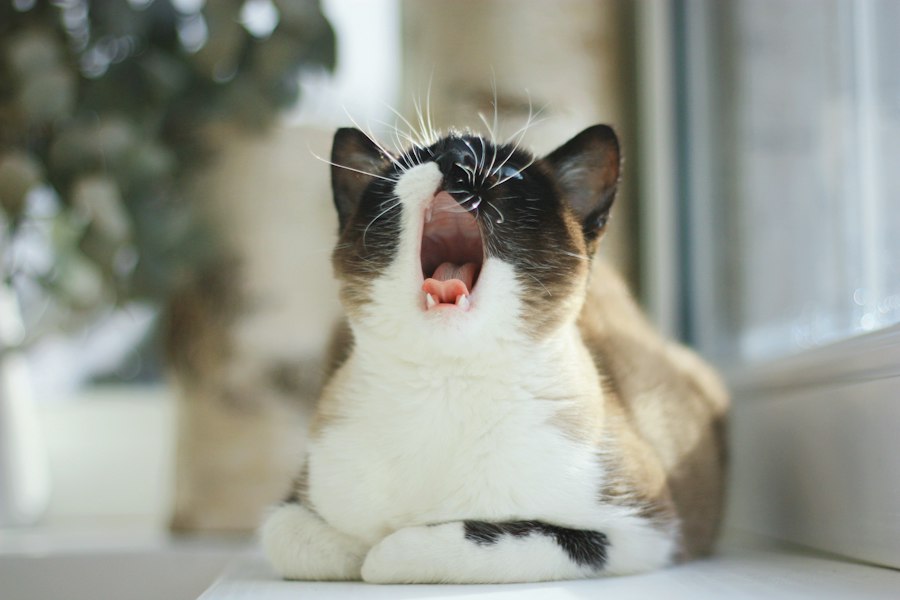
While the hiss is a sharp, explosive sound, the growl represents a more guttural and sustained expression of displeasure and aggression. It’s a lower-frequency rumble that signals a more serious intent to defend.
The Nature of the Growl
A growl is produced deep within the throat, creating a vibrating, rumbling sound. It’s a sound that resonates in the chest and can be felt as much as heard. Unlike the hiss, which is an exhalation, the growl often involves a more controlled expulsion of air, creating a sustained vibration. The baring of teeth is often even more pronounced during a growl, further emphasizing the potential for physical harm.
Triggers for Growling
Cats typically growl when they are feeling significantly threatened and the hiss has either been ignored or has not been sufficient to deter the perceived aggressor. Growls are often heard in situations such as:
- Territorial disputes: Two cats encountering each other in their respective territories may engage in growling as a prelude to a fight.
- Competition for resources: If a cat perceives another animal or person as a threat to its food, water, or favorite resting spot, it may resort to growling.
- When being handled against their will: A cat that is being held too tightly or is uncomfortable with human interaction might express its displeasure with a growl.
- During aggressive encounters: In instances of genuine aggression between animals, growls are a common vocalization.
The Growl as a Warning Escalation
The growl signifies an escalation from a mere warning to a more serious declaration of intent. It indicates that the cat is prepared to defend itself more forcefully if necessary. It’s a signal that the situation is becoming more volatile and that the perceived threat should seriously consider retreating.
The Subtleties of Growling
Similar to hisses, growls can vary in intensity. A low, rumbling growl might indicate deep displeasure, while a more rapid and intense growl suggests a heightened state of arousal and readiness to strike. The duration of the growl can also be indicative of the cat’s resolve.
The Yowl and Howl: Expressions of Extreme Distress and Aggression

The yowl and howl are the most intense and often most alarming defensive sounds a cat can produce. These prolonged, often piercing vocalizations are reserved for situations of extreme fear, pain, or aggressive territorial disputes.
The Characteristics of a Yowl/Howl
A yowl is typically a long, drawn-out, mournful sound, often with an undulating pitch. It can sound like a cry of distress or pain. A howl, while also prolonged, tends to be more aggressive and insistent, often with a higher pitch and a more powerful projection. Both sounds are designed to carry over distance and attract attention, whether it be for help or to assert dominance.
When to Expect These Sounds
These powerful vocalizations are not uttered lightly. They are reserved for the most dire circumstances:
- Extreme fear or terror: If a cat is truly terrified, perhaps due to a dangerous encounter or being lost and alone, it may yowl.
- Intense pain: A cat suffering from severe injury or illness may emit yowls or howls as an expression of its suffering.
- Fights to the death: In aggressive territorial battles, particularly between unneutered males, yowls and howls are common as they signal a high level of aggression and determination.
- Mating calls: While not strictly defensive, the yowls and howls associated with mating can sometimes be mistaken for distress calls by unfamiliar observers. However, the context and accompanying behaviors usually differentiate them.
The Social Implications of Yowling/Howling
These sounds can have significant social implications within the feline community. A yowl of distress might attract other cats to investigate, potentially offering aid or driving away a threat. A howl of aggression serves to assert dominance and warn off rivals from a particular territory.
Recognizing the Urgency
When a cat is yowling or howling, it is a signal of extreme distress or aggression that requires immediate attention. Observing the cat’s body language and the surrounding environment is crucial to understanding the specific cause and to providing appropriate intervention if necessary.
Understanding cat defensive sounds can be quite fascinating, especially when you consider how these vocalizations play a crucial role in feline communication. If you’re interested in delving deeper into this topic, you might find the article on feline behavior particularly enlightening. It explores various aspects of how cats express themselves, including their defensive sounds and body language. For more insights, check out this related article on feline behavior.
The Spit: A Sudden, Aggressive Outburst
| Defensive Sound | Description | Purpose | Common Triggers | Typical Cat Behavior |
|---|---|---|---|---|
| Hissing | A sharp, breathy sound made by forcing air through the mouth. | Warning signal to deter threats and indicate fear or discomfort. | Feeling cornered, threatened by another animal or person. | Flattened ears, arched back, puffed-up fur, retreat or defensive stance. |
| Growling | Low, guttural sound produced in the throat. | Expresses aggression or a serious warning to back off. | Intrusion into territory, perceived threat, or pain. | Staring, tense body, possible swatting or biting if provoked. |
| Spitting | Forceful expulsion of air and saliva, often accompanied by hissing. | Strong defensive reaction to immediate threat or extreme fear. | Close confrontation with another animal or person. | Raised fur, arched back, ears pinned back, ready to flee or fight. |
| Yowling | Loud, drawn-out vocalization. | Expresses distress, discomfort, or a warning to stay away. | Feeling trapped, pain, or territorial disputes. | Restless movement, dilated pupils, possible aggression or withdrawal. |
| Chirping/Chattering | Short, repetitive sounds often made when watching prey. | Frustration or excitement, sometimes defensive if prey is unreachable. | Seeing birds or small animals outside a window. | Focused gaze, twitching tail, crouched posture. |
The spit is a sudden, sharp, and often startling sound. It’s a quick expulsion of air through the mouth, often accompanied by a hiss, and is a clear indication of immediate anger and a warning to back off.
The Mechanics of a Spit
A spit is a very brief and explosive exhalation of air, often produced with considerable force. It’s frequently coupled with a hiss, amplifying the warning. The cat might also flick its head forward as it spits, adding a visual component to the threat.
The Purpose of Spitting
Spitting is a more immediate and confrontational defensive behavior than a hiss. It’s a reaction to a perceived imminent threat that the cat feels it cannot easily escape. It’s a quick, sharp way to say, “I am angry, and I am ready to defend myself right now!”
Common Scenarios for Spitting
Cats are likely to spit when:
- Startled by something very close: If something suddenly appears or moves directly in front of a cat, it may spit out of sheer surprise and fear.
- Feeling cornered and agitated: When a cat feels trapped and highly stressed, a spit can be an involuntary reaction.
- As a prelude to a physical attack: Sometimes, a spit can be the final warning before a cat lashes out with claws or teeth.
- During intense play that has gone too far: Kittens, in particular, may spit during play if they are feeling overwhelmed or if another kitten is being too rough.
The Spit as a Quick Deterrent
The suddenness and unexpected nature of a spit can be very effective at startling an aggressor, giving the cat a moment to potentially escape or for the threat to reconsider its approach. It’s a clear signal of a heightened state of agitation.
Understanding Body Language Alongside Sounds
Crucially, defensive sounds are never made in isolation. They are always accompanied by a complex array of body language cues that provide a more complete picture of the cat’s emotional state and intentions. Ignoring these visual signals can lead to misinterpretations and potentially dangerous interactions.
The Arched Back and Piloerection
One of the most common visual cues accompanying defensive sounds is an arched back, often accompanied by piloerection (hair standing on end), making the cat appear larger and more formidable. This is a classic sign of fear and aggression.
Flattened Ears and Dilated Pupils
Defensive sounds are also frequently associated with flattened ears, angled backward or sideways to protect them from potential injury, and dilated pupils, which widen in low light or when a cat is experiencing strong emotions like fear or excitement.
Tense Body Posture and Tail Signals
A cat emitting defensive sounds will typically have a tense, rigid body posture, ready to spring or flee. The tail can also be a telling indicator. It might be held low and twitching rapidly at the tip, signaling agitation, or tucked tightly between the legs, indicating extreme fear. A puffed-up tail, combined with an arched back, is a strong sign of an imminent attack.
The Importance of Context
When interpreting a cat’s defensive sounds, the context is paramount. Is the cat in its own territory or a foreign environment? Is there another animal or person present? Is the cat showing signs of pain or injury? Answering these questions will help to decipher the meaning behind the vocalizations.
Never Force Interaction
When a cat is exhibiting defensive sounds and body language, it is vital to give it space. Forcing interaction or attempting to comfort a cat that is clearly distressed can escalate the situation and lead to bites or scratches. The safest course of action is to remove any perceived threat or allow the cat a safe escape route.
By understanding the various defensive sounds cats make, and by paying close attention to their accompanying body language, individuals can become more attuned to the emotional needs of their feline companions. This knowledge fosters better relationships, promotes safer interactions, and ultimately contributes to the well-being of both cats and the people who share their lives. These vocalizations, though often associated with negative emotions, are a vital part of a cat’s communication repertoire, and understanding them is a key aspect of responsible pet ownership.

Why Quantum Computers Shouldn’t Be Able to Do This
FAQs
What are some common defensive sounds that cats make?
Cats commonly make defensive sounds such as hissing, growling, yowling, and spitting when they feel threatened or scared.
Why do cats make defensive sounds?
Cats make defensive sounds as a way to communicate their discomfort or fear, and to warn potential threats to stay away.
How can I tell if my cat is feeling defensive based on their sounds?
If your cat is making hissing, growling, or yowling sounds, along with displaying defensive body language such as flattened ears, dilated pupils, and a puffed-up tail, they are likely feeling defensive.
What should I do if my cat is making defensive sounds?
If your cat is making defensive sounds, it’s important to give them space and avoid approaching or trying to touch them. Allow them to calm down on their own terms.
Are defensive sounds a sign of aggression in cats?
Defensive sounds in cats are not necessarily a sign of aggression, but rather a way for them to protect themselves when they feel threatened. It’s important to respect their boundaries and give them the space they need.