Decoding Cat Yowling: What Your Feline Friend is Trying to Tell You
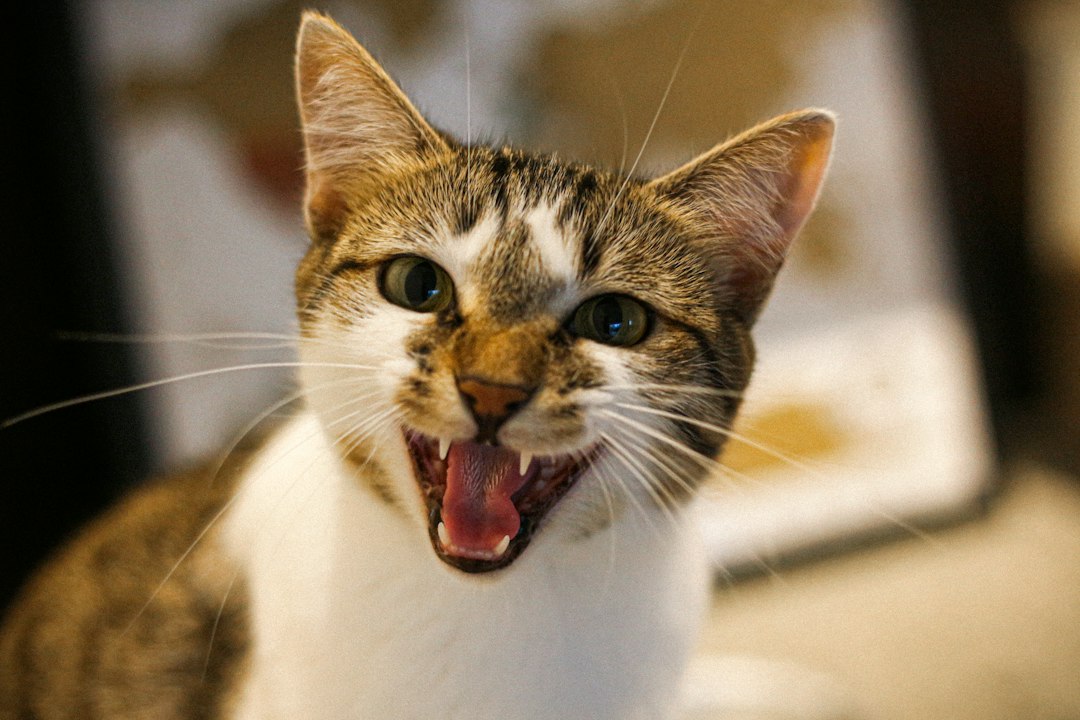
The soft rumble of purrs, the gentle kneading of paws, and the occasional, startling yowl – these are all familiar facets of living with a feline companion. While many cat owners become adept at interpreting subtle body language cues like tail flicks and ear twitches, the vocalizations of our cats can sometimes remain a mystery. Among these sounds, the yowl stands out as particularly potent, capable of conveying a wide spectrum of emotions and needs. Far from being random noise, a cat’s yowl is a sophisticated form of communication, a direct line to their internal state. Understanding these vocalizations is not just about satisfying curiosity; it’s about building a deeper bond with our pets, ensuring their well-being, and fostering a harmonious co-existence. This article aims to demystify the art of cat yowling, providing a comprehensive guide to what your feline friend is trying to tell you, from simple requests to urgent appeals.
The domestic cat, Felis catus, has a rich evolutionary history that has shaped its communication methods. While their wild ancestors, such as the African wildcat (Felis silvestris lybica), primarily relied on scent marking, body language, and a more limited range of vocalizations for survival and social interaction, the domestication process has led to a significant shift in how cats interact with humans. It is widely believed that cats began to vocalize more extensively towards humans as a way to solicit attention and resources, mirroring the way human infants cry for their caregivers. This anthropomorphic vocalization, often observed in kittens to their mothers, appears to have been effectively “weaponized” by adult cats to communicate with their human families.
The Ancestral Vocal Repertoire
The vocalizations of wild cats are generally less varied and less frequently used than those of their domestic counterparts. Their primary vocal tools include hisses, growls, and occasional chirps or trills, often employed in territorial disputes, mating rituals, or as warnings. The yowl, in its more complex and varied forms, is less prevalent in the wild, as direct confrontation or avoidance are often more efficient strategies for survival than prolonged vocal exchanges.
The Domestication Dividend: A More Vocal Cat
The shift to a domesticated lifestyle has undeniably influenced the feline vocal landscape. Living in close proximity with humans, cats have learned to adapt their communication to effectively elicit responses. The yowl, in its many forms, has become a primary tool in this communication repertoire. It’s theorized that cats have selectively bred, or at least favored, individuals who were more vocal and less fearful of humans. This has resulted in a spectrum of vocalizations, with the yowl occupying a significant portion, serving as a versatile tool for conveying a wide array of messages. This adaptation is a testament to the remarkable ability of cats to understand and manipulate their environment, including their human companions, through learned vocal cues.
If you’re curious about the various meanings behind cat yowling, you might find it helpful to explore a related article that delves deeper into feline vocalizations and their significance. Understanding why cats yowl can enhance your communication with your pet and improve your bond. For more insights, check out this informative piece at My Cosmic Ventures.
The Nuances of the Yowl: Pitch, Duration, and Intensity
To truly understand what a cat is saying with a yowl, one must consider the specific characteristics of the sound itself. A yowl is not a monolithic utterance; it is a complex signal that varies significantly in its pitch, duration, and intensity. These variations are not arbitrary; they carry distinct meanings, allowing experienced cat observers to differentiate between a mild complaint and an urgent plea.
High-Pitched and Short: The “Feed Me!” Yowl
A common yowl heard in many households is the high-pitched, often repetitive, and relatively short utterance. This sound is frequently associated with a cat’s desire for attention, particularly when it comes to food. Think of the cat weaving around your legs at mealtime, accompanied by these insistent meows. This is a learned behavior; the cat has discovered that this particular vocalization reliably leads to the desired outcome – a full food bowl. It’s a direct request, a polite (or not so polite) nudge to fulfill a basic need. The higher pitch can convey a sense of urgency or excitement, while the short duration suggests a clear and immediate objective.
Low-Pitched and Prolonged: The “Leave Me Alone!” Yowl
In contrast, a low-pitched, drawn-out yowl often signifies displeasure or a desire for space. This is the sound you might hear when you’re trying to pet a cat who has had enough, or when a new pet or person enters their territory. This prolonged, guttural sound can be interpreted as a warning, a clear signal that the cat is feeling uncomfortable, threatened, or simply wants to be left undisturbed. The lower pitch adds a sense of seriousness to the message, indicating that the cat is not to be trifled with. It’s a boundary being set, a vocal assertion of personal space.
The “Meeeow” vs. “Yeeeowww”: Subtle Variations in Meaning
Even within the broad category of “yowl,” there are subtle yet significant differences in pronunciation that can alter the meaning. A short, sharp “meow” might be a general greeting or a polite inquiry, while a longer, more drawn-out “yeeooowww” can indicate distress, pain, or a more urgent need. Observing these minute variations in sound quality can provide further insight into your cat’s emotional state. For example, a “yeeeooowww” accompanied by tense body language and dilated pupils might indicate fear or pain, whereas the same sound in a relaxed context might simply be a longer form of seeking attention.
Common Scenarios: What Your Cat’s Yowl Might Be Telling You

Beyond the basic pitch and duration, the context in which a cat yowls is crucial for accurate interpretation. Certain situations and accompanying behaviors provide vital clues to the underlying meaning of their vocalizations.
The “Attention Seeker” Yowl
This is arguably the most common type of yowl encountered by cat owners. It’s the sound of a cat who wants to be noticed, played with, or simply acknowledged. This yowl is often accompanied by rubbing against legs, following the owner around, or sitting and staring intently. The cat has learned that vocalization is an effective way to initiate interaction.
Playtime Demands
A common manifestation of the “attention seeker” yowl is the demand for playtime. The cat might bring a toy, drop it at your feet, and then emit a series of insistent yowls, often accompanied by playful pounces and leaps. This indicates a clear desire for engagement and stimulation.
Affectionate Pleas
Sometimes, the yowl is a plea for affection. The cat might be sitting near you, looking at you with wide eyes, and letting out soft, drawn-out yowls, possibly interspersed with purrs. This suggests they are seeking petting, cuddles, or simply your presence.
The “Distress and Discomfort” Yowl
When a cat is experiencing pain, illness, or significant stress, their yowls can take on a different character, often sounding more pained or anxious. This is a critical signal that should not be ignored.
Pain and Injury
A yowl that is sudden, loud, and accompanied by signs of distress like limping, hunched posture, or avoidance of touch, is a strong indicator of pain or injury. This requires immediate veterinary attention. The vocalization might be accompanied by hissing or growling if the cat is in severe pain or feels threatened by an attempt to investigate.
Illness and Nausea
Cats may yowl when they are feeling unwell due to illness, nausea, or an upset stomach. These yowls might be more subdued and could be accompanied by lethargic behavior, changes in appetite, or vomiting. A prolonged period of such vocalizations warrants a visit to the veterinarian.
Stress and Anxiety
Changes in environment, the introduction of new pets or people, or loud noises can all trigger stress and anxiety in cats, leading to increased vocalization, including yowling. These yowls might be more frantic and accompanied by signs of fear such as flattened ears, dilated pupils, and hiding.
The “Territorial Dispute” Yowl
Yowling is a significant part of feline territorial communication. This type of vocalization is often heard during encounters with other cats, whether they are inside the home or outside.
Intra-Household Conflicts
When cats within the same household have unresolved territorial issues, yowling can be a common occurrence. This might involve staring contests, swatting, and loud, aggressive yowls that signal a clear boundary dispute. It’s important to note that these yowls are not necessarily indicative of aggression but rather an attempt to establish dominance or assert presence within a shared space.
Outdoor Encounters
When your cat encounters an unfamiliar cat outdoors, whether through a window or during supervised outdoor excursions, yowling can be a way to assert their territory and warn the intruder away. These yowls are often accompanied by an arched back, puffed-up fur, and a stiff tail.
Age-Related Vocalizations: Kittens and Senior Cats
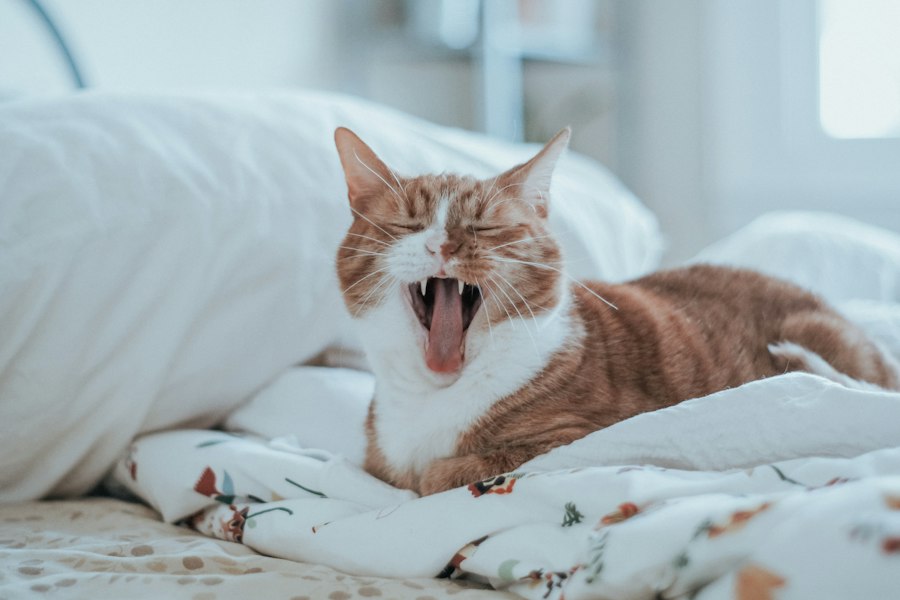
The age of a cat can significantly influence their vocalization patterns, with kittens and senior cats exhibiting distinct yowling behaviors.
Kitten’s Innocent Calls: Seeking Comfort and Food
Kittens are highly vocal, with their yowls primarily serving to communicate their dependence on their mother. These are typically high-pitched and insistent, signaling hunger, cold, or the need for comfort. When kittens are separated from their mothers, they will yowl extensively in an attempt to reconnect. As they grow and become more independent, their reliance on yowling for basic needs diminishes, though they may continue to use it to solicit attention from their human caregivers.
Senior Cat’s Concerns: Health and Cognitive Changes
As cats age, their vocalization patterns can change. Senior cats may experience a decline in cognitive function, similar to dementia in humans, which can lead to confusion and increased yowling, especially at night. This disorientation can manifest as wandering, vocalizing loudly in seemingly random patterns, and seeking reassurance.
Cognitive Dysfunction Syndrome (CDS)
One of the most common reasons for increased yowling in senior cats is Cognitive Dysfunction Syndrome (CDS), often referred to as “kitty Alzheimer’s.” Cats with CDS may become disoriented, lose their house-training, and vocalize excessively, particularly during the night. This can be a heartbreaking condition for owners, but understanding the cause can help in managing the symptoms and providing comfort to the aging feline.
Underlying Medical Issues
Beyond CDS, aging cats are more prone to various medical conditions that can cause discomfort and lead to yowling. Arthritis, hyperthyroidism, kidney disease, and other ailments can all contribute to increased vocalizations as the cat tries to communicate their pain or distress. Regular veterinary check-ups are crucial for identifying and managing these age-related health issues.
Understanding what cat yowling means can provide valuable insights into your feline friend’s behavior and needs. If you’re curious about the various sounds cats make and their significance, you might find this article on cat communication particularly enlightening. It explores the different vocalizations and what they could indicate about your cat’s emotional state or desires. For more information, you can read the article here.
Beyond the Yowl: Other Feline Communication Channels
| Reason for Cat Yowling | Description | Common Situations | Possible Owner Action |
|---|---|---|---|
| Communication | Cats yowl to communicate with other cats or humans, often to get attention or express needs. | When seeking attention, greeting, or calling other cats. | Respond calmly, provide attention or check for needs. |
| Mating Behavior | Unspayed or unneutered cats yowl loudly during mating season to attract mates. | During heat cycles or when a cat senses a mate nearby. | Consider spaying/neutering to reduce yowling. |
| Discomfort or Pain | Yowling can indicate that a cat is in pain or discomfort. | After injury, illness, or when experiencing chronic pain. | Consult a veterinarian for diagnosis and treatment. |
| Stress or Anxiety | Cats may yowl when stressed, anxious, or feeling threatened. | During changes in environment, loud noises, or presence of other animals. | Provide a safe space and reduce stressors. |
| Territorial Behavior | Yowling can be a territorial call to warn other cats to stay away. | When another cat enters their territory. | Limit outdoor access or supervise interactions with other cats. |
| Cognitive Dysfunction | Older cats may yowl due to confusion or cognitive decline. | Senior cats showing disorientation or altered sleep patterns. | Veterinary evaluation and supportive care. |
While yowling is a significant vocal tool, it’s essential to remember that cats employ a multi-faceted communication system. Understanding the interplay between vocalizations, body language, and scent marking provides a more complete picture of your feline friend’s inner world.
The Silent Language: Body Postures and Expressions
A cat’s body language is a rich tapestry of signals that can often communicate their intentions more clearly than any sound. A relaxed cat with a gently swishing tail and soft eyes is very different from a tense cat with a tucked tail, flattened ears, and wide pupils.
Tail Talk
The tail is a particularly expressive appendage. A high, gently curved tail often signifies a friendly greeting, while a rapidly flicking tail can indicate agitation or excitement. A puffed-up tail signals fear or aggression.
Ear and Eye Cues
Ears that are swiveled forward indicate interest, while ears that are flattened against the head suggest fear or aggression. Wide, dilated pupils can mean excitement or fear, while constricted pupils can indicate aggression or bright light.
The Invisible World: Scent Marking and its Role
Scent marking plays a crucial role in feline communication, establishing territory and conveying social information. While humans may not consciously perceive these scents, they are vital for cats.
Rubbing and Bunting
When a cat rubs its face and body against objects or people, it’s depositing pheromones from scent glands located on its cheeks, chin, and at the base of its tail. This is a way of marking their territory and creating a sense of familiarity and security.
Urine Spraying
Urine spraying is a more potent form of scent marking, often used to delineate territory, especially in the presence of other cats. While undesirable for many owners, it is a natural feline behavior and can sometimes be indicative of stress or territorial insecurity.
When to Seek Professional Help: Recognizing Warning Signs
While most cat yowls are normal expressions of their needs and emotions, there are times when persistent or unusual vocalizations can indicate a serious problem. Recognizing these warning signs and seeking professional help is crucial for your cat’s well-being.
Changes in Vocalization Patterns
Any sudden or significant change in your cat’s normal vocalization patterns, such as a sudden increase in yowling, a change in the quality of their meows, or the development of new, unusual sounds, should be investigated. This could be a sign of an underlying medical issue or a behavioral problem.
Accompanying Physical Symptoms
If yowling is accompanied by other physical symptoms such as lethargy, loss of appetite, vomiting, diarrhea, changes in litter box habits, or visible signs of pain or distress, it is imperative to consult a veterinarian immediately. These symptoms, when combined with unusual vocalizations, can point to a serious health concern.
Behavioral Problems and Stress
In cases where medical issues have been ruled out, persistent yowling may be indicative of behavioral problems, such as anxiety, stress, or separation anxiety. A veterinarian can help rule out medical causes and may recommend consultation with a certified animal behaviorist to address these issues. Behaviorists can provide tailored strategies to manage anxiety, modify behaviors, and improve the overall quality of life for both the cat and their owner. Understanding the intricate language of our feline companions allows for a more empathetic and responsive relationship, ensuring their needs are met and their well-being is prioritized.

Why Quantum Computers Shouldn’t Be Able to Do This
FAQs
What is cat yowling?
Cat yowling is a loud, drawn-out vocalization that cats make. It can sound like a mix between a meow and a howl, and is often a sign of distress or communication.
Why do cats yowl?
Cats yowl for a variety of reasons, including seeking attention, feeling lonely, in heat, in pain, or experiencing confusion or cognitive dysfunction. It can also be a form of communication with other cats.
Is cat yowling normal behavior?
While occasional yowling may be normal for cats, excessive or prolonged yowling can indicate an underlying issue that needs to be addressed. It is important to observe your cat’s behavior and consult with a veterinarian if the yowling persists.
How can I stop my cat from yowling?
To address cat yowling, it is important to first identify the underlying cause. Providing mental and physical stimulation, ensuring your cat’s basic needs are met, and creating a calm environment can help reduce yowling. Consulting with a veterinarian for further guidance is recommended.
When should I be concerned about my cat yowling?
If your cat’s yowling is sudden, excessive, or accompanied by other concerning symptoms such as changes in appetite, behavior, or litter box habits, it is important to seek veterinary attention promptly. Persistent yowling can be a sign of a medical issue that requires treatment.