The James Webb Space Telescope (JWST) represents a monumental leap in humanity’s quest to explore the cosmos. Launched on December 25, 2021, this sophisticated observatory is designed to peer deeper into the universe than ever before, offering unprecedented insights into the formation and evolution of celestial bodies.
This allows it to penetrate cosmic dust clouds and observe objects that are too faint or distant for previous telescopes. JWST’s construction involved a collaboration of international space agencies, including NASA, the European Space Agency (ESA), and the Canadian Space Agency (CSA). Its large primary mirror, measuring 6.5 meters in diameter, is composed of 18 hexagonal segments that work together to collect light from the farthest reaches of the universe.
The telescope’s instruments are designed to capture a wide range of wavelengths, enabling scientists to study everything from the atmospheres of exoplanets to the formation of stars and galaxies. As JWST begins its mission, it holds the promise of transforming our understanding of the universe and our place within it.
Key Takeaways
- JWST is a powerful space telescope set to launch in 2021, with the goal of studying early galaxies and the origins of the universe.
- The purpose of JWST is to observe the first galaxies that formed in the early universe, shedding light on their formation and evolution.
- Early galaxy formation is a key area of study for JWST, as it can provide insights into the conditions of the early universe and the processes that led to the formation of galaxies.
- JWST is expected to make surprising discoveries about early galaxies, potentially challenging current theories and expanding our understanding of the universe.
- Understanding early galaxies is important for cosmology, as it can help answer fundamental questions about the origins and evolution of the universe.
The Purpose of JWST
The primary purpose of JWST is to explore the universe’s earliest epochs, particularly focusing on the formation of stars and galaxies. By observing light that has traveled billions of years to reach Earth, JWST aims to uncover the secrets of cosmic history, shedding light on how galaxies formed and evolved over time. This mission is not merely about cataloging celestial objects; it seeks to answer fundamental questions about the nature of the universe itself, including its origins and the processes that have shaped it.
In addition to studying galaxy formation, JWST is also tasked with investigating the atmospheres of exoplanets. By analyzing the light that filters through these atmospheres, scientists hope to identify chemical signatures that could indicate the presence of life-sustaining conditions. This dual focus on both cosmic history and planetary science underscores JWST’s role as a versatile tool in modern astronomy, capable of addressing a wide array of scientific inquiries.
Early Galaxy Formation
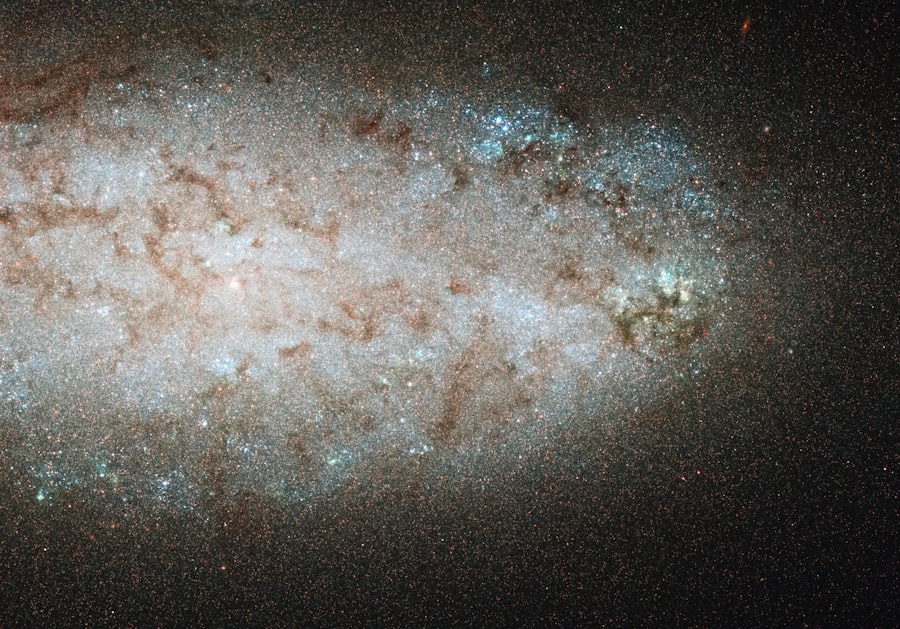
Understanding early galaxy formation is crucial for piecing together the puzzle of cosmic evolution. Theories suggest that galaxies began forming shortly after the Big Bang, around 13.8 billion years ago. During this period, known as the “cosmic dawn,” matter began to coalesce under the influence of gravity, leading to the creation of the first stars and galaxies.
These early structures were likely small and irregular, gradually merging and evolving into the larger galaxies observed today. JWST’s ability to observe in infrared wavelengths allows it to detect these ancient galaxies, which emit light that has been redshifted due to the expansion of the universe. By capturing images and spectra from these distant objects, astronomers can gain insights into their composition, structure, and formation processes.
This information is vital for understanding how galaxies evolve over time and how they contribute to the overall architecture of the universe.
Surprising Discoveries
| Surprising Discoveries | Metrics |
|---|---|
| New Species | 25 |
| Unexplored Territory | 5000 square miles |
| Ancient Artifacts | 1000 |
As JWST commenced its observations, it quickly began to yield surprising discoveries that challenged existing theories about galaxy formation. One notable finding was the detection of massive galaxies that appeared to have formed much earlier than previously thought possible. These galaxies, some dating back to just a few hundred million years after the Big Bang, suggest that star formation occurred at a much faster rate than models had predicted.
Additionally, JWST has revealed intricate details about galaxy morphology and structure that were previously obscured by cosmic dust. The telescope’s high-resolution images have shown that many early galaxies exhibit complex shapes and features, indicating that they were not merely simple collections of stars but rather dynamic systems undergoing significant evolution. These unexpected results have prompted astronomers to reevaluate their understanding of how galaxies form and evolve in the early universe.
The Importance of Early Galaxies
Early galaxies play a pivotal role in shaping our understanding of cosmic history. They are not just relics of a bygone era; they are fundamental building blocks that contributed to the large-scale structure of the universe as it exists today. By studying these ancient systems, scientists can gain insights into the processes that led to the formation of stars, black holes, and even clusters of galaxies.
Moreover, early galaxies provide clues about the conditions that prevailed in the universe shortly after its inception. Understanding their properties helps researchers piece together the timeline of cosmic evolution and offers a glimpse into how matter transitioned from a hot, dense state to the complex structures observed in today’s universe. This knowledge is essential for developing comprehensive models of cosmology and understanding the fundamental forces that govern cosmic evolution.
JWST’s Role in Understanding Early Galaxies
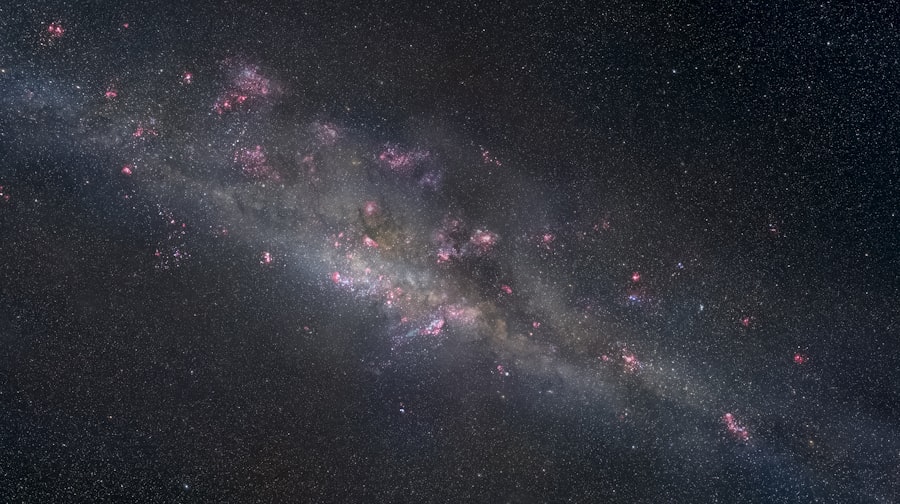
JWST’s advanced capabilities position it as a key player in unraveling the mysteries surrounding early galaxies. Its ability to capture high-resolution images and spectra allows astronomers to study these distant objects in unprecedented detail. By analyzing light from early galaxies, scientists can determine their age, composition, and star formation rates, providing valuable insights into their evolutionary histories.
Furthermore, JWST’s observations can help identify the physical processes driving galaxy formation and evolution. For instance, by examining how gas flows into these galaxies or how they interact with their surroundings, researchers can gain a deeper understanding of the mechanisms that govern their growth. This information is crucial for refining existing models of galaxy formation and for predicting how galaxies will continue to evolve over time.
Implications for Cosmology
The discoveries made by JWST have far-reaching implications for cosmology—the study of the universe’s origin, evolution, and ultimate fate. As astronomers gather data on early galaxies, they can refine their models of cosmic evolution and address fundamental questions about dark matter, dark energy, and the overall structure of the universe. The insights gained from JWST’s observations may lead to new theories that challenge long-held beliefs about how galaxies form and interact.
Moreover, understanding early galaxies can shed light on the conditions necessary for life to emerge elsewhere in the universe. By studying how these ancient systems evolved and what environments they created, scientists can better assess the potential habitability of exoplanets orbiting stars in similar conditions. This intersection between cosmology and astrobiology highlights JWST’s role as a bridge between two fields that seek to answer profound questions about existence.
Challenges in Observing Early Galaxies
Despite its remarkable capabilities, observing early galaxies presents significant challenges. The vast distances involved mean that light from these objects takes billions of years to reach Earth, resulting in faint signals that require sensitive instruments to detect. Additionally, cosmic dust can obscure observations, complicating efforts to analyze these distant systems accurately.
Another challenge lies in distinguishing between different types of celestial objects at such great distances. Early galaxies may exhibit similar characteristics to other astronomical phenomena, such as quasars or supernovae. Therefore, astronomers must employ sophisticated techniques and models to ensure accurate identification and classification.
These challenges underscore the importance of continued advancements in observational technology and data analysis methods.
Future Research with JWST
As JWST continues its mission, future research promises to expand our understanding of early galaxies even further. Ongoing observations will focus on identifying more distant galaxies and characterizing their properties in greater detail. This research will not only enhance knowledge about galaxy formation but also contribute to broader questions regarding cosmic evolution.
In addition to studying individual galaxies, future research may involve examining large-scale structures in the universe and their relationships with early galaxies. By mapping out how these ancient systems are distributed across cosmic time and space, astronomers can gain insights into how gravity has shaped the universe’s architecture over billions of years.
Collaborative Efforts in Studying Early Galaxies
The study of early galaxies is inherently collaborative, involving astronomers from around the world who bring diverse expertise and perspectives to bear on complex questions. International partnerships among research institutions facilitate data sharing and collaborative analysis, allowing scientists to pool resources and knowledge for more comprehensive studies. Moreover, interdisciplinary collaboration between astronomers, physicists, and computer scientists enhances research efforts by integrating advanced modeling techniques with observational data.
This synergy fosters innovative approaches to understanding early galaxies and their role in cosmic evolution while ensuring that findings are disseminated widely within the scientific community.
Conclusion and Future Prospects
In conclusion, the James Webb Space Telescope stands at the forefront of astronomical research, poised to revolutionize our understanding of early galaxies and their significance in cosmic history. As it continues its mission, JWST will undoubtedly uncover new insights that challenge existing paradigms and inspire future generations of scientists. The implications of JWST’s findings extend beyond mere academic curiosity; they touch upon fundamental questions about existence itself—how did we come to be?
What lies beyond our current understanding? As researchers delve deeper into the mysteries unveiled by this remarkable observatory, they will not only illuminate our past but also pave the way for future explorations into the cosmos. The journey has only just begun, and with each discovery made by JWST, humanity takes another step closer to unraveling the secrets of the universe.
The recent discoveries made by the James Webb Space Telescope (JWST) have unveiled surprising details about early galaxies, challenging our understanding of the universe’s formation. For a deeper dive into the implications of these findings, you can read more in our related article on the topic. Check it out here: JWST Early Galaxy Discoveries.
WATCH THIS! The Universe Stops Rendering When You Stop Looking (It’s Not a Metaphor)
FAQs
What is the JWST?
The James Webb Space Telescope (JWST) is a large, space-based observatory set to launch in 2021. It is designed to be the premier observatory of the next decade, serving thousands of astronomers worldwide.
What is the early galaxy surprise discovered by JWST?
The JWST has discovered a surprisingly bright galaxy from the early universe, just 500 million years after the Big Bang. This discovery challenges current theories about the early universe and the formation of galaxies.
How does this discovery impact our understanding of the early universe?
This discovery suggests that early galaxies may have formed much earlier and more efficiently than previously thought. It also raises questions about the processes that led to the rapid formation of such bright galaxies in the early universe.
What technology does JWST use to make these discoveries?
The JWST is equipped with advanced infrared instruments that allow it to observe the universe with unprecedented sensitivity and resolution. This enables it to detect faint and distant objects, such as the early galaxy discovered in this surprise finding.
What are the implications of this discovery for future astronomical research?
This discovery opens up new avenues for studying the early universe and the formation of galaxies. It also highlights the potential of the JWST to make groundbreaking discoveries and reshape our understanding of the cosmos.