
Inflation is a fundamental economic concept that refers to the general increase in prices of goods and services over time. It signifies a decrease in the purchasing power of money, meaning that as inflation rises, each unit of currency buys fewer goods and services. This phenomenon can be observed in various economies around the world, often measured by indices such as the Consumer Price Index (CPI) or the Producer Price Index (PPI).
Understanding inflation is crucial for both policymakers and consumers, as it influences economic decisions, investment strategies, and overall financial health. The roots of inflation can be traced back to various economic activities and policies. It can arise from demand-pull factors, where increased consumer demand outstrips supply, or cost-push factors, where rising production costs lead to higher prices.
Additionally, inflation can be influenced by external factors such as global commodity prices and exchange rates. As such, a comprehensive understanding of inflation requires an examination of its causes, effects, and the broader economic context in which it occurs.
Key Takeaways
- Inflation is the rate at which the general level of prices for goods and services is rising, leading to a decrease in purchasing power.
- Factors influencing inflation rates include demand-pull inflation, cost-push inflation, and built-in inflation.
- Setting the right initial conditions is crucial in managing inflation, as it can prevent the economy from overheating or falling into a deflationary spiral.
- Strategies for navigating inflation include indexation, wage and price controls, and supply-side policies.
- Central banks play a key role in managing inflation through monetary policy, such as adjusting interest rates and controlling the money supply.
Factors Influencing Inflation Rates
Several key factors contribute to the fluctuations in inflation rates, each playing a distinct role in shaping the economic landscape. One of the primary drivers is the balance between supply and demand. When demand for goods and services exceeds supply, prices tend to rise, leading to inflation.
Conversely, when supply outpaces demand, prices may stabilize or even decline. This dynamic interplay is influenced by consumer behavior, market trends, and external economic conditions. Another significant factor is the cost of production.
When businesses face rising costs for raw materials, labor, or transportation, they often pass these expenses onto consumers in the form of higher prices. This cost-push inflation can be exacerbated by geopolitical events, natural disasters, or changes in trade policies that disrupt supply chains. Additionally, monetary policy plays a crucial role; when central banks increase the money supply or lower interest rates, it can stimulate spending and investment but may also lead to higher inflation if not managed carefully.
The Importance of Setting the Right Initial Conditions
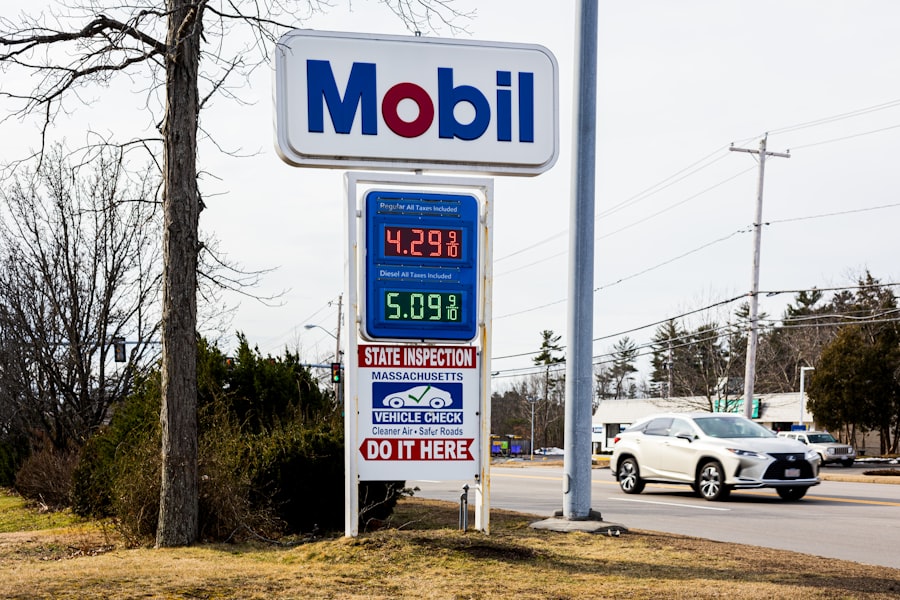
Establishing the right initial conditions is vital for managing inflation effectively. Policymakers must create an environment conducive to stable economic growth while keeping inflation in check. This involves implementing sound fiscal policies that promote sustainable spending and investment without overstimulating demand.
For instance, maintaining a balanced budget can help prevent excessive borrowing and spending that could lead to inflationary pressures. Moreover, setting appropriate interest rates is crucial for influencing consumer behavior and investment decisions. Low-interest rates can encourage borrowing and spending but may also contribute to rising inflation if demand outstrips supply.
Conversely, higher interest rates can help cool down an overheating economy but may also stifle growth if applied too aggressively. Therefore, finding the right balance is essential for fostering an environment where inflation remains manageable while supporting economic expansion.
Strategies for Navigating Inflation
| Strategy | Description |
|---|---|
| Diversify Investments | Spread investments across different asset classes to reduce risk. |
| Invest in Real Assets | Consider investing in real estate, commodities, or infrastructure to hedge against inflation. |
| Adjust Bond Holdings | Consider inflation-protected securities or shorter duration bonds to mitigate inflation risk. |
| Review Budget and Expenses | Assess and adjust spending habits to cope with rising prices. |
| Consider Salary Negotiation | Explore opportunities to negotiate higher wages to keep up with inflation. |
Navigating inflation requires a multifaceted approach that encompasses both individual and institutional strategies. For consumers, one effective strategy is to diversify investments across various asset classes. Real estate, commodities, and stocks often perform differently during inflationary periods, allowing investors to mitigate risks associated with rising prices.
Additionally, individuals may consider adjusting their spending habits by prioritizing essential goods and services while seeking value in their purchases. On a broader scale, businesses can adopt strategies to manage costs and maintain profitability during inflationary times. This may involve renegotiating contracts with suppliers, optimizing supply chain logistics, or investing in technology to enhance productivity.
By proactively addressing potential cost increases and exploring innovative solutions, companies can better position themselves to weather the challenges posed by inflation.
The Role of Central Banks in Managing Inflation
Central banks play a pivotal role in managing inflation through their monetary policy tools. By adjusting interest rates and controlling the money supply, these institutions aim to maintain price stability while fostering economic growth. When inflation rises above target levels, central banks may implement contractionary policies by increasing interest rates to curb spending and investment.
This approach helps to cool down an overheating economy and bring inflation back within acceptable limits. Conversely, during periods of low inflation or deflation, central banks may adopt expansionary measures by lowering interest rates or implementing quantitative easing. These actions are designed to stimulate economic activity by encouraging borrowing and spending.
However, central banks must tread carefully; overly aggressive policies can lead to runaway inflation if not monitored closely. Thus, the delicate balancing act of managing inflation is a core responsibility of central banks worldwide.
The Impact of Inflation on Investments and Savings

Inflation has profound implications for both investments and savings, influencing how individuals and institutions approach their financial strategies. For investors, rising inflation can erode the real returns on fixed-income investments such as bonds. As prices increase, the purchasing power of interest payments diminishes, prompting investors to seek assets that can outpace inflation.
Equities and real estate are often viewed as more resilient options during inflationary periods due to their potential for capital appreciation. On the other hand, savers face challenges as well; traditional savings accounts often yield interest rates that fail to keep pace with inflation. This situation can lead to a decline in real wealth over time as the value of saved money diminishes.
To counteract this effect, individuals may explore alternative savings vehicles such as inflation-protected securities or high-yield savings accounts that offer better returns relative to inflation rates.
Adjusting Fiscal and Monetary Policies in Response to Inflation
In response to rising inflation rates, governments and central banks must be prepared to adjust their fiscal and monetary policies accordingly. Fiscal policy adjustments may involve altering government spending or taxation levels to influence overall demand within the economy. For instance, reducing public spending can help alleviate inflationary pressures by curbing demand for goods and services.
Monetary policy adjustments are equally critical; central banks may raise interest rates or implement measures to reduce the money supply in order to combat inflation effectively. These actions aim to stabilize prices while ensuring that economic growth remains on track. However, policymakers must remain vigilant about the potential trade-offs involved; aggressive measures to control inflation could inadvertently stifle growth or lead to increased unemployment if not carefully calibrated.
The Relationship Between Inflation and Economic Growth
The relationship between inflation and economic growth is complex and often debated among economists. Moderate levels of inflation are generally seen as a sign of a healthy economy; they indicate rising demand and increased consumer spending. However, when inflation accelerates beyond manageable levels, it can hinder economic growth by creating uncertainty for businesses and consumers alike.
High inflation can lead to increased costs for businesses, which may result in reduced investment and hiring decisions.
Therefore, striking a balance between fostering growth while keeping inflation in check is essential for sustainable economic development.
Inflation’s Effect on Consumer Behavior and Purchasing Power
Inflation significantly impacts consumer behavior and purchasing power, shaping how individuals allocate their resources. As prices rise, consumers may become more discerning in their spending habits, prioritizing essential goods over discretionary items. This shift can lead to changes in market dynamics as businesses adapt their offerings to meet evolving consumer preferences.
Moreover, inflation can create a sense of urgency among consumers who fear that prices will continue to rise. This anticipation may prompt individuals to make purchases sooner rather than later, potentially leading to short-term spikes in demand that further exacerbate inflationary pressures. Understanding these behavioral shifts is crucial for businesses seeking to navigate an inflationary environment effectively.
Long-Term Planning for Inflation: Building Resilience
Long-term planning for inflation involves building resilience into financial strategies at both individual and institutional levels. For individuals, this may mean creating diversified investment portfolios that include assets likely to perform well during inflationary periods. Additionally, establishing emergency funds can provide a buffer against unexpected price increases or economic downturns.
For businesses, long-term resilience can be achieved through strategic planning that accounts for potential fluctuations in costs and pricing strategies. Companies may invest in technology that enhances efficiency or explore alternative sourcing options to mitigate risks associated with supply chain disruptions. By proactively addressing potential challenges posed by inflation, both individuals and organizations can better position themselves for future success.
Case Studies: Successful Approaches to Managing Inflation
Examining case studies of successful approaches to managing inflation provides valuable insights into effective strategies employed by various countries and organizations. For instance, during the late 1970s and early 1980s, the United States faced rampant inflation that peaked at over 13%. The Federal Reserve responded with aggressive interest rate hikes under Chairman Paul Volcker’s leadership, ultimately bringing inflation under control while navigating a challenging economic landscape.
Similarly, countries like Germany have historically demonstrated effective management of inflation through prudent fiscal policies and strong central bank independence. The Bundesbank’s commitment to price stability has contributed to low inflation rates over several decades, fostering confidence among consumers and investors alike. These case studies highlight the importance of decisive action and sound policy frameworks in addressing inflationary challenges while maintaining economic stability.
By learning from past experiences, policymakers can develop more effective strategies for managing future inflationary pressures.
Inflation is a critical economic factor that can significantly impact initial conditions for businesses and consumers alike. For a deeper understanding of how inflation interacts with various economic variables, you can read more in this related article on inflation and its implications at My Cosmic Ventures.
WATCH THIS! The Universe Stops Rendering When You Stop Looking (It’s Not a Metaphor)
FAQs
What is inflation?
Inflation refers to the rate at which the general level of prices for goods and services is rising, leading to a decrease in purchasing power.
What are the causes of inflation?
Inflation can be caused by a variety of factors, including an increase in the money supply, rising production costs, higher demand for goods and services, and external factors such as changes in exchange rates or supply chain disruptions.
How is inflation measured?
Inflation is typically measured using the Consumer Price Index (CPI) or the Producer Price Index (PPI), which track the changes in the prices of a basket of goods and services over time.
What are initial conditions in the context of inflation?
Initial conditions in the context of inflation refer to the starting point or state of the economy before inflationary pressures begin to take effect. This can include factors such as the money supply, interest rates, and government policies.
How do initial conditions impact inflation?
The initial conditions of an economy can have a significant impact on the potential for inflation. For example, a large increase in the money supply or low interest rates as initial conditions can create an environment conducive to inflationary pressures.