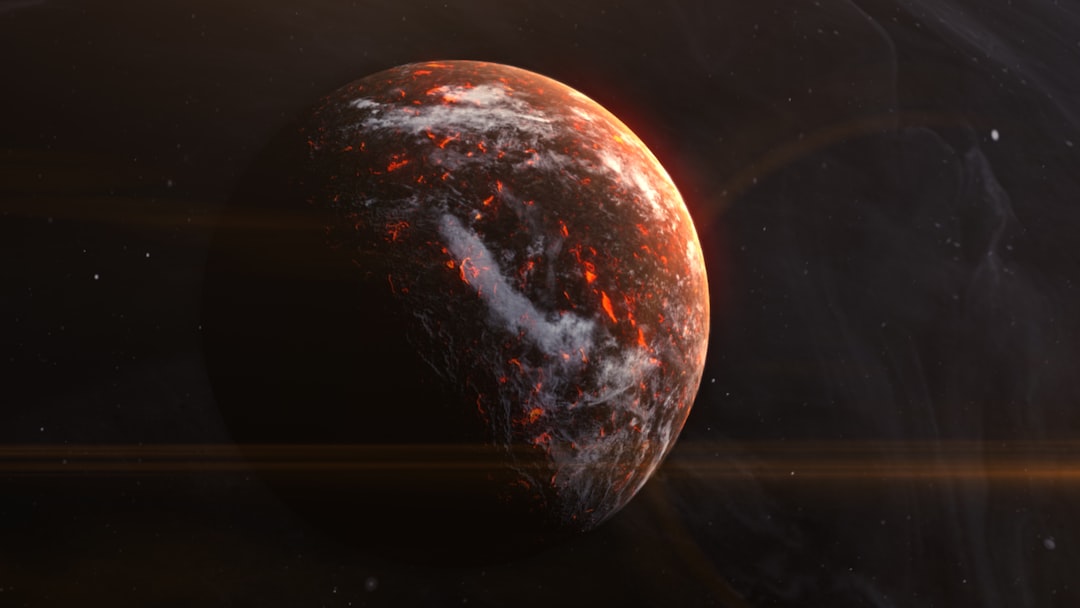
Rogue black holes, enigmatic entities that drift through the cosmos, have captured the imagination of scientists and the public alike. Unlike their more stable counterparts, which reside in the centers of galaxies, rogue black holes wander through interstellar space, unbound by the gravitational pull of any star system. These celestial phenomena are formed from the remnants of massive stars that have undergone gravitational collapse, resulting in a region of spacetime exhibiting such strong gravitational effects that nothing—not even light—can escape from it.
The existence of rogue black holes raises profound questions about the nature of the universe and humanity’s place within it. The study of rogue black holes is still in its infancy, with many mysteries yet to be unraveled. Their elusive nature makes them difficult to detect, and their potential to impact celestial bodies, including Earth, adds an element of urgency to the research.
As scientists delve deeper into the cosmos, they are beginning to understand not only how these black holes form and travel but also the implications of their existence for planetary systems. The exploration of rogue black holes is not merely an academic pursuit; it is a vital aspect of understanding the broader dynamics of the universe and ensuring the safety of our planet.
Key Takeaways
- Rogue black holes are black holes that have been ejected from their host galaxies and are now wandering through space.
- Rogue black holes pose a potential threat to Earth due to their ability to disrupt the solar system and cause catastrophic events.
- Current strategies for detecting rogue black holes include using gravitational wave detectors and monitoring the sky for unusual movements of stars and other celestial bodies.
- The potential impact of a rogue black hole on Earth could include gravitational disruption, radiation, and even the possibility of Earth being captured by the black hole.
- Developing planetary defense systems against rogue black holes is crucial for safeguarding Earth and requires international collaboration and the involvement of space agencies.
Understanding the Threat of Rogue Black Holes to Earth
The threat posed by rogue black holes to Earth is a topic that has garnered increasing attention in recent years. While the likelihood of a rogue black hole colliding with Earth is exceedingly low, the consequences of such an event could be catastrophic. A rogue black hole passing through our solar system could disrupt planetary orbits, alter gravitational forces, and potentially lead to devastating consequences for life on Earth.
The sheer mass and gravitational pull of a black hole could create chaos in the delicate balance that sustains our planet’s environment. Moreover, the unpredictable nature of rogue black holes adds to their potential threat. Unlike other cosmic phenomena that can be monitored and predicted, rogue black holes can appear seemingly out of nowhere, making them particularly insidious.
Their ability to traverse vast distances without warning means that they could approach our solar system without any prior indication. This unpredictability necessitates a proactive approach to understanding and mitigating the risks associated with these cosmic wanderers.
Current Strategies for Detecting Rogue Black Holes

Detecting rogue black holes presents a formidable challenge for astronomers and astrophysicists. Traditional methods of identifying black holes often rely on observing their interactions with nearby matter, such as stars or gas clouds. However, rogue black holes lack such companions, making them difficult to spot.
Current strategies for detection involve a combination of advanced observational techniques and theoretical modeling. One promising approach is the use of gravitational wave detectors, which can identify ripples in spacetime caused by the merging of black holes. In addition to gravitational wave detection, astronomers are employing sophisticated imaging techniques to observe the effects of a rogue black hole’s gravity on surrounding celestial bodies.
By monitoring the motion of stars and gas clouds in regions where a rogue black hole might be present, scientists can infer its existence even in the absence of direct observation. These methods are continually evolving as technology advances, allowing researchers to refine their search for these elusive cosmic entities.
The Potential Impact of a Rogue Black Hole on Earth
| Metrics | Details |
|---|---|
| Black Hole Mass | Unknown |
| Distance from Earth | Variable |
| Impact on Earth’s Orbit | Potentially significant |
| Impact on Earth’s Climate | Uncertain |
| Survival Probability | Low |
The potential impact of a rogue black hole on Earth is a subject of intense speculation and study.
The delicate balance that governs the motion of planets could be disrupted, leading to unpredictable changes in climate and environmental conditions.
Such disturbances could result in catastrophic events, including extreme weather patterns or even the destabilization of Earth’s orbit around the Sun. Furthermore, the proximity of a rogue black hole could pose direct threats to life on Earth. The intense gravitational forces exerted by a black hole could lead to tidal forces that might tear apart celestial bodies, including planets and moons.
In extreme scenarios, Earth itself could be at risk if a rogue black hole were to pass too close. The consequences of such an encounter would be dire, underscoring the importance of understanding these cosmic phenomena and developing strategies for planetary defense.
Developing Planetary Defense Systems Against Rogue Black Holes
In light of the potential threats posed by rogue black holes, there is an urgent need for developing effective planetary defense systems. While traditional planetary defense efforts have focused primarily on asteroids and comets, the unique challenges presented by rogue black holes require innovative approaches. One avenue being explored is the creation of early warning systems that can detect gravitational anomalies indicative of a rogue black hole’s presence.
These systems would rely on a network of observatories equipped with advanced sensors capable of monitoring gravitational waves and other cosmic signals. By establishing a comprehensive surveillance network, scientists hope to identify potential threats well in advance, allowing for timely responses to mitigate risks. Additionally, research into theoretical models that predict the trajectories and behaviors of rogue black holes could enhance our understanding and preparedness for such events.
International Collaboration for Planetary Defense

Addressing the threat posed by rogue black holes necessitates international collaboration among scientists, governments, and space agencies worldwide.
Collaborative efforts can facilitate information sharing, resource pooling, and joint research initiatives aimed at understanding rogue black holes and their potential impacts.
International partnerships can also enhance public awareness and education about the risks associated with rogue black holes. By fostering a global dialogue on this issue, scientists can engage policymakers and the public in discussions about the importance of planetary defense. Such collaboration not only strengthens scientific research but also promotes a sense of shared responsibility for safeguarding Earth against cosmic threats.
The Role of Space Agencies in Protecting Earth from Rogue Black Holes
Space agencies play a crucial role in protecting Earth from potential threats posed by rogue black holes. Organizations such as NASA, ESA (European Space Agency), and others are at the forefront of research and exploration aimed at understanding these enigmatic phenomena. Through missions designed to study gravitational waves, cosmic radiation, and other astrophysical phenomena, space agencies contribute valuable data that enhances our understanding of rogue black holes.
Moreover, space agencies are instrumental in developing technologies that can aid in detecting and monitoring rogue black holes. By investing in advanced telescopes, satellites, and observational instruments, these organizations are paving the way for more effective detection methods. Additionally, space agencies often collaborate with academic institutions and research organizations to foster innovation in planetary defense strategies.
Public Awareness and Education about Rogue Black Holes
Public awareness and education about rogue black holes are essential components of any planetary defense strategy. As scientific understanding evolves, it is crucial to communicate findings effectively to the public to foster informed discussions about cosmic threats. Educational initiatives can help demystify complex concepts related to rogue black holes and their potential impacts on Earth.
Engaging with communities through outreach programs, workshops, and public lectures can spark interest in astrophysics and planetary defense among diverse audiences. By promoting scientific literacy and encouraging curiosity about the universe, society can cultivate a culture that values research and innovation in addressing cosmic challenges.
Ethical and Moral Considerations in Planetary Defense
The pursuit of planetary defense against rogue black holes raises important ethical and moral considerations. As humanity seeks to protect itself from cosmic threats, questions arise regarding resource allocation, prioritization of research efforts, and potential consequences of intervention strategies. For instance, should significant resources be devoted to monitoring rogue black holes when other pressing global issues demand attention?
Additionally, ethical dilemmas may emerge regarding how to respond if a rogue black hole were detected on a collision course with Earth. Decisions about evacuation plans or potential mitigation strategies would require careful consideration of human rights and societal impacts. Engaging ethicists alongside scientists in discussions about planetary defense can help navigate these complex issues while ensuring that actions taken are justifiable and equitable.
The Future of Planetary Defense Against Rogue Black Holes
The future of planetary defense against rogue black holes holds promise as advancements in technology and scientific understanding continue to evolve. As detection methods improve and international collaboration strengthens, humanity may become better equipped to identify potential threats before they become imminent dangers. Ongoing research into gravitational waves and other cosmic phenomena will likely yield new insights into the behavior and characteristics of rogue black holes.
Moreover, as public interest in space exploration grows, there may be increased support for funding initiatives aimed at planetary defense research. This could lead to innovative solutions that enhance our ability to monitor cosmic threats while fostering a greater appreciation for the complexities of the universe. Ultimately, a proactive approach to planetary defense will be essential in safeguarding Earth from potential encounters with rogue black holes.
The Importance of Planetary Defense in Safeguarding Earth
In conclusion, the study of rogue black holes represents not only an intriguing scientific endeavor but also a critical aspect of planetary defense. Understanding these cosmic wanderers is essential for assessing their potential threats to Earth and developing effective strategies for detection and mitigation. As humanity continues to explore the universe, it must remain vigilant in safeguarding its home planet from cosmic dangers.
The collaborative efforts among scientists, space agencies, governments, and the public will play a pivotal role in advancing our knowledge and preparedness regarding rogue black holes. By fostering awareness and engaging in ethical discussions about planetary defense, society can ensure that it is equipped to face whatever challenges may arise from the depths of space. Ultimately, prioritizing planetary defense is not just about protecting Earth; it is about embracing humanity’s responsibility as stewards of our planet within the vast cosmos.
In the ongoing discussion about planetary defense, the threat posed by rogue black holes has garnered significant attention. For a deeper understanding of the strategies and technologies being explored to mitigate this cosmic danger, you can read the article on planetary defense at My Cosmic Ventures. This resource provides valuable insights into the potential risks and the innovative approaches scientists are considering to protect our planet from such celestial threats.
WATCH THIS! The Invisible Threat: A Rogue Black Hole Headed for Our Solar System?
FAQs
What is a rogue black hole?
A rogue black hole is a black hole that has been ejected from its original galaxy and is now traveling through space without being bound to any particular star system or galaxy.
How can a rogue black hole pose a threat to Earth?
If a rogue black hole were to come close to our solar system, its gravitational pull could disrupt the orbits of planets and other celestial bodies, potentially causing catastrophic consequences for Earth.
What are some proposed methods for planetary defense against rogue black holes?
Proposed methods for defending against rogue black holes include early detection and tracking, as well as the development of technologies to alter the trajectory of the black hole or mitigate its effects on our solar system.
What are some challenges in developing planetary defense against rogue black holes?
Challenges in developing planetary defense against rogue black holes include the difficulty of detecting and tracking these objects in the vastness of space, as well as the technological and logistical challenges of altering the trajectory of a massive object like a black hole.
Are there any international efforts to address the threat of rogue black holes?
There are ongoing discussions and collaborations among space agencies and scientific organizations to study the potential threat of rogue black holes and develop strategies for planetary defense. However, no specific international program dedicated to this issue currently exists.