
In recent years, the phenomenon of missing debris has emerged as a significant environmental concern, capturing the attention of scientists, policymakers, and the general public alike. This issue encompasses a wide range of materials, from plastic waste to abandoned fishing gear, that have either been lost or improperly disposed of in various ecosystems. The term “missing debris” refers not only to the physical absence of these materials but also to the broader implications of their presence in the environment.
As the world grapples with increasing pollution and waste management challenges, understanding the dynamics of missing debris becomes crucial for fostering sustainable practices and protecting natural habitats. The ramifications of missing debris extend far beyond mere aesthetics; they pose serious threats to wildlife, marine ecosystems, and human health. The intricate web of life that sustains our planet is often disrupted by the presence of these materials, leading to dire consequences for biodiversity and ecological balance.
As researchers delve deeper into this issue, they uncover alarming statistics and case studies that highlight the urgency of addressing missing debris. The need for comprehensive strategies to manage and mitigate this problem has never been more pressing, as communities worldwide strive to create a cleaner and healthier environment for future generations. Why Did NASA Hide 3i Atlas
Key Takeaways
- The missing branch of debris poses a significant environmental threat that is often overlooked.
- The impact of missing debris on the environment includes pollution, habitat destruction, and harm to wildlife.
- The search for missing debris requires advanced technology and collaborative efforts from various stakeholders.
- Uncovering the causes of missing debris involves examining human behavior, industrial practices, and waste management systems.
- Technology plays a crucial role in finding missing debris, including satellite imaging, drones, and underwater robots.
The Impact of Missing Debris on the Environment
The environmental impact of missing debris is profound and multifaceted. One of the most immediate effects is the physical harm caused to wildlife. Animals often mistake plastic and other debris for food, leading to ingestion that can result in malnutrition, internal injuries, or even death.
Marine creatures, such as turtles and seabirds, are particularly vulnerable as they navigate through polluted waters filled with discarded materials. The ingestion of microplastics has become a growing concern, as these tiny particles infiltrate the food chain, ultimately affecting human health as well. Moreover, missing debris contributes to habitat degradation.
Coastal areas, rivers, and forests are often littered with waste that disrupts natural processes and diminishes the quality of these ecosystems. For instance, plastic waste can smother coral reefs, blocking sunlight and hindering photosynthesis, which is vital for the survival of marine life. Similarly, terrestrial ecosystems suffer when debris accumulates in natural habitats, leading to soil contamination and altered water drainage patterns.
The cumulative effects of these disruptions can lead to a decline in biodiversity, threatening species that rely on healthy ecosystems for survival.
The Search for the Missing Debris
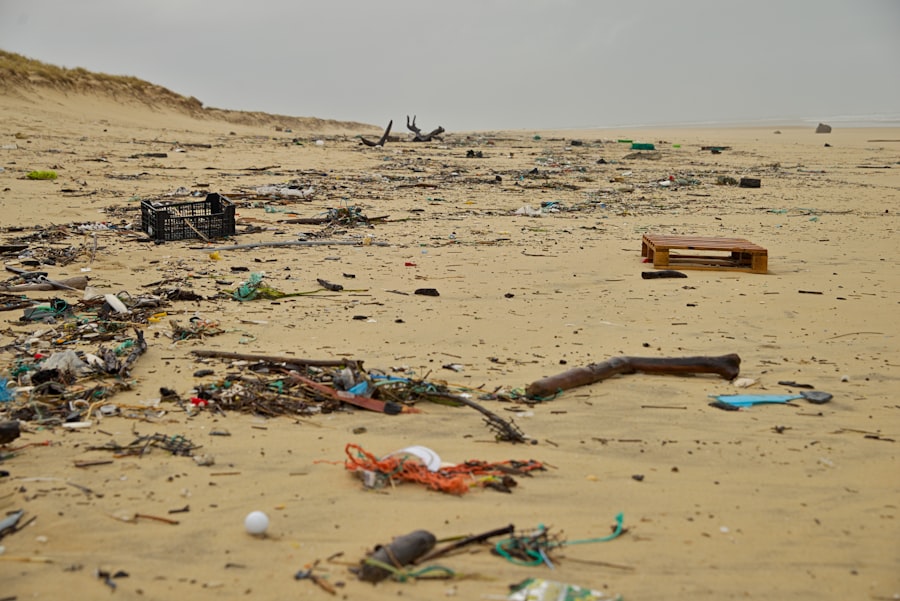
Efforts to locate and quantify missing debris have gained momentum in recent years, driven by a growing awareness of its environmental implications. Researchers and environmental organizations have initiated various projects aimed at mapping debris hotspots and understanding its distribution across different ecosystems. These initiatives often involve extensive fieldwork, where teams collect data on the types and quantities of debris found in specific areas.
By employing scientific methods such as remote sensing and aerial surveys, they can create detailed assessments that inform future cleanup efforts. In addition to field research, citizen science has emerged as a powerful tool in the search for missing debris. Engaging local communities in monitoring efforts not only enhances data collection but also fosters a sense of ownership and responsibility towards the environment.
Volunteers participate in beach cleanups and litter surveys, contributing valuable information that helps researchers identify trends and patterns in debris accumulation. This collaborative approach not only aids in locating missing debris but also empowers individuals to take action in their own communities.
Uncovering the Causes of Missing Debris
| Category | Metrics |
|---|---|
| Debris Type | Plastic, Metal, Organic |
| Location | Ocean, Beach, River |
| Causes | Human activity, Natural disasters |
| Impact | Environmental, Economic, Health |
Understanding the root causes of missing debris is essential for developing effective solutions. A significant contributor to this issue is consumer behavior and the pervasive culture of disposability that characterizes modern society. The convenience of single-use products has led to an increase in waste generation, with many items ending up in landfills or natural environments rather than being properly recycled or disposed of.
This throwaway mentality perpetuates a cycle of pollution that is difficult to break. Another critical factor is inadequate waste management infrastructure in many regions. In developing countries, where resources for waste collection and disposal are limited, improper disposal practices often lead to significant amounts of debris entering waterways and landscapes.
Additionally, extreme weather events such as floods and hurricanes can exacerbate this problem by displacing waste from landfills into surrounding areas. Addressing these underlying causes requires a multifaceted approach that includes policy changes, community engagement, and investment in sustainable waste management systems.
The Role of Technology in Finding Missing Debris
Advancements in technology have revolutionized the search for missing debris, providing innovative tools and methods for tracking and managing waste. Drones equipped with high-resolution cameras are increasingly being used to survey large areas for debris accumulation. These aerial perspectives allow researchers to identify hotspots that may require immediate attention while also providing valuable data for long-term monitoring efforts.
Moreover, artificial intelligence (AI) is playing a pivotal role in analyzing data related to missing debris. Machine learning algorithms can process vast amounts of information from various sources, including satellite imagery and social media reports, to predict patterns of debris accumulation.
As technology continues to evolve, its integration into environmental management strategies will be crucial for addressing the challenges posed by missing debris.
The Consequences of Ignoring Missing Debris

Failing to address the issue of missing debris carries significant consequences for both the environment and society at large. One immediate effect is the continued degradation of natural habitats, which can lead to irreversible damage to ecosystems. As wildlife populations decline due to habitat loss and pollution, the delicate balance of nature is disrupted, resulting in cascading effects that can impact human communities as well.
Furthermore, ignoring missing debris can have economic repercussions. Coastal regions that rely on tourism may suffer as polluted beaches deter visitors, leading to decreased revenue for local businesses. Additionally, fishing industries face challenges when marine life is affected by pollution; declining fish populations can threaten livelihoods and food security for communities dependent on these resources.
The long-term costs associated with cleaning up polluted environments far outweigh the initial investments needed to prevent debris from entering ecosystems in the first place.
Solutions for Managing and Preventing Missing Debris
Addressing the issue of missing debris requires a comprehensive approach that encompasses prevention, management, and community engagement. One effective strategy is implementing stricter regulations on single-use plastics and promoting alternatives that are biodegradable or reusable. Governments can incentivize businesses to adopt sustainable practices through tax breaks or grants for eco-friendly initiatives.
Education plays a vital role in preventing future debris accumulation. By raising awareness about the impacts of waste on the environment, communities can foster a culture of responsibility towards consumption and disposal practices. Schools can incorporate environmental education into their curricula, teaching students about recycling, composting, and responsible consumer choices from an early age.
Engaging local organizations in outreach efforts can further amplify these messages and encourage collective action.
The Importance of Public Awareness and Education
Public awareness is a cornerstone in the fight against missing debris. When individuals understand the consequences of their actions on the environment, they are more likely to adopt sustainable practices in their daily lives. Campaigns aimed at educating communities about proper waste disposal methods can significantly reduce littering behaviors and promote recycling initiatives.
Moreover, social media platforms have become powerful tools for spreading awareness about environmental issues related to missing debris. Activists and organizations utilize these channels to share information about cleanup events, educational resources, and success stories from around the world. By harnessing the power of digital communication, they can reach a broader audience and inspire collective action towards addressing this pressing issue.
Collaborative Efforts to Address Missing Debris
Collaboration among various stakeholders is essential for effectively tackling the problem of missing debris. Governments, non-profit organizations, businesses, and local communities must work together to develop comprehensive strategies that address both prevention and cleanup efforts. Multi-sector partnerships can leverage resources and expertise from different fields, creating a more robust response to environmental challenges.
International cooperation is also crucial in addressing transboundary issues related to missing debris. Many waterways connect multiple countries, making it imperative for nations to collaborate on policies aimed at reducing pollution at a global scale. Initiatives such as international treaties or agreements focused on marine litter can facilitate knowledge sharing and best practices among countries facing similar challenges.
The Economic and Social Implications of Missing Debris
The economic implications of missing debris extend beyond immediate cleanup costs; they also encompass long-term impacts on industries reliant on healthy ecosystems. For instance, tourism-dependent economies may experience declines due to polluted environments deterring visitors. Similarly, fishing industries face challenges when marine life is affected by pollution; declining fish populations can threaten livelihoods and food security for communities dependent on these resources.
Socially, communities burdened by high levels of pollution often experience health disparities linked to environmental degradation. Vulnerable populations may be disproportionately affected by exposure to toxic materials found in missing debris, leading to increased health risks such as respiratory issues or waterborne diseases. Addressing these disparities requires targeted interventions that prioritize environmental justice alongside ecological restoration efforts.
Taking Action to Address the Missing Branch of Debris
In conclusion, addressing the issue of missing debris necessitates immediate action from all sectors of society. The environmental impacts are too significant to ignore; wildlife suffers, ecosystems degrade, and human health is compromised when waste is allowed to accumulate unchecked. By understanding the causes behind this phenomenon and leveraging technology for effective solutions, communities can work towards mitigating its effects.
Public awareness campaigns play a crucial role in fostering a culture of responsibility towards waste management while collaborative efforts among stakeholders can amplify impact through shared resources and knowledge. Ultimately, taking action against missing debris is not just an environmental imperative; it is a moral obligation towards future generations who will inherit the planet we leave behind. Through concerted efforts at local, national, and international levels, society can pave the way for a cleaner and more sustainable future free from the burden of missing debris.
In recent discussions about the missing branch of debris from the ongoing space exploration efforts, an insightful article on the topic can be found on My Cosmic Ventures. This article delves into the implications of such debris on future missions and the importance of tracking space junk. For more information, you can read the full article [here](https://www.mycosmicventures.com/sample-page/).
WATCH THIS! Why NASA Hid the 3I/ATLAS Anomaly
FAQs
What is the missing branch of debris?
The missing branch of debris refers to a piece of wreckage or debris that is unaccounted for in a particular incident or accident.
Why is the missing branch of debris important?
The missing branch of debris is important because it could provide crucial evidence or information about the cause of an incident or accident. Finding and analyzing this missing piece of debris could help investigators understand what happened and prevent similar incidents in the future.
How do investigators search for the missing branch of debris?
Investigators use various methods to search for the missing branch of debris, including conducting underwater searches, using sonar technology, and analyzing satellite imagery. They may also rely on eyewitness reports and debris drift modeling to narrow down the search area.
What challenges are involved in finding the missing branch of debris?
Challenges in finding the missing branch of debris include the vastness of the search area, difficult weather conditions, and the depth of the water in which the debris may be located. Additionally, the passage of time and natural forces such as ocean currents can make it harder to locate the missing debris.
What happens if the missing branch of debris is not found?
If the missing branch of debris is not found, investigators may have to rely on other evidence and data to piece together what happened. This could include analyzing flight data, conducting forensic examinations, and interviewing witnesses to reconstruct the sequence of events.