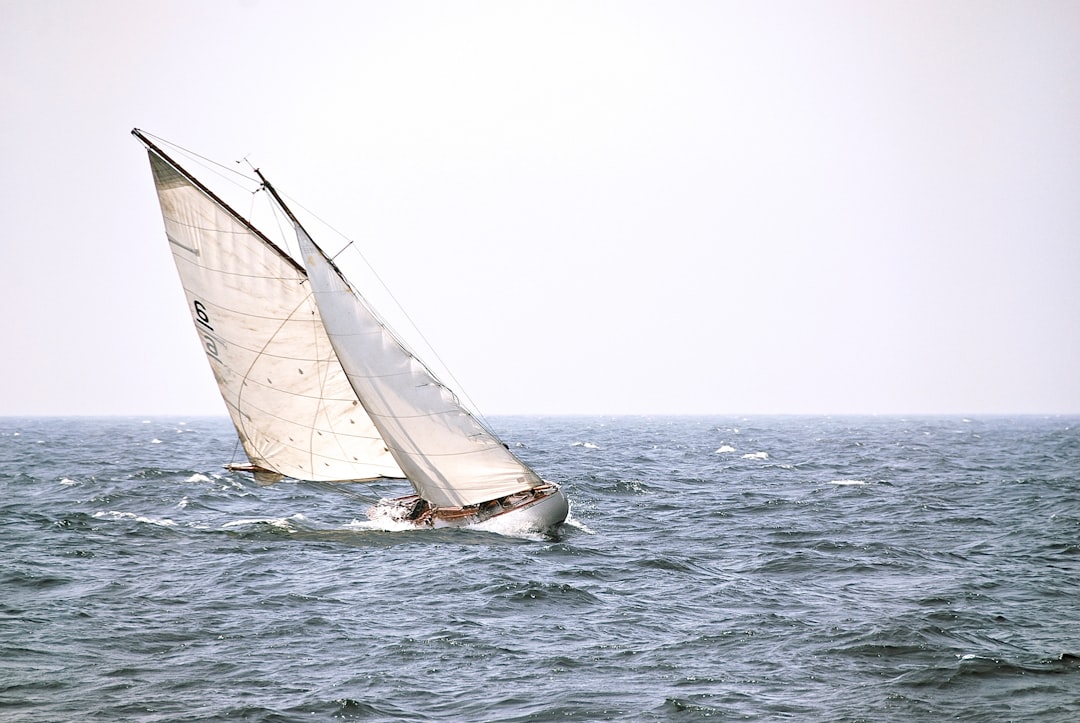
Passive sails represent a fascinating intersection of engineering and environmental consciousness. Unlike traditional sails that require active control and manipulation by a crew, passive sails operate autonomously, harnessing natural forces such as wind and water currents to propel vessels. This innovative approach to sailing has gained traction in recent years, particularly as the maritime industry seeks sustainable alternatives to conventional propulsion methods.
By utilizing the principles of aerodynamics and hydrodynamics, passive sails can significantly enhance the efficiency of marine travel while reducing reliance on fossil fuels. The concept of passive sails is rooted in the desire to create systems that can function with minimal human intervention. This not only simplifies the operation of vessels but also opens up new possibilities for their use in various applications, from commercial shipping to recreational boating.
As the world grapples with the pressing need for sustainable practices, understanding the mechanics and benefits of passive sails becomes increasingly important. Their potential to revolutionize maritime transport is a topic of growing interest among researchers, engineers, and environmentalists alike. Why Did NASA Hide 3i Atlas
Key Takeaways
- Passive sails harness wind energy to propel ships without the use of traditional engines or fuel.
- They work by capturing wind energy and converting it into forward thrust, reducing the reliance on fossil fuels.
- Advantages of passive sails include reduced fuel consumption, lower emissions, and potential cost savings for shipping companies.
- Types of passive sails include traditional cloth sails, modern rigid sails, and innovative kite sails.
- Applications of passive sails range from commercial shipping to recreational sailing, offering sustainable alternatives to traditional propulsion methods.
How Passive Sails Work
The operation of passive sails hinges on their ability to capture and convert energy from the environment into forward motion. These sails are designed to optimize their shape and orientation to maximize the forces acting upon them. When wind flows over the surface of a passive sail, it creates a difference in pressure on either side, generating lift that propels the vessel forward.
This principle is similar to that of an airplane wing, where the aerodynamic design allows for efficient movement through the air. In addition to wind, passive sails can also exploit water currents. By strategically positioning the sails, vessels can harness the kinetic energy of moving water, further enhancing their propulsion capabilities.
This dual approach not only increases efficiency but also allows for greater versatility in navigating various marine environments. The integration of advanced materials and design techniques has led to the development of sails that are lightweight yet durable, capable of withstanding harsh marine conditions while maintaining optimal performance.
Advantages of Passive Sails
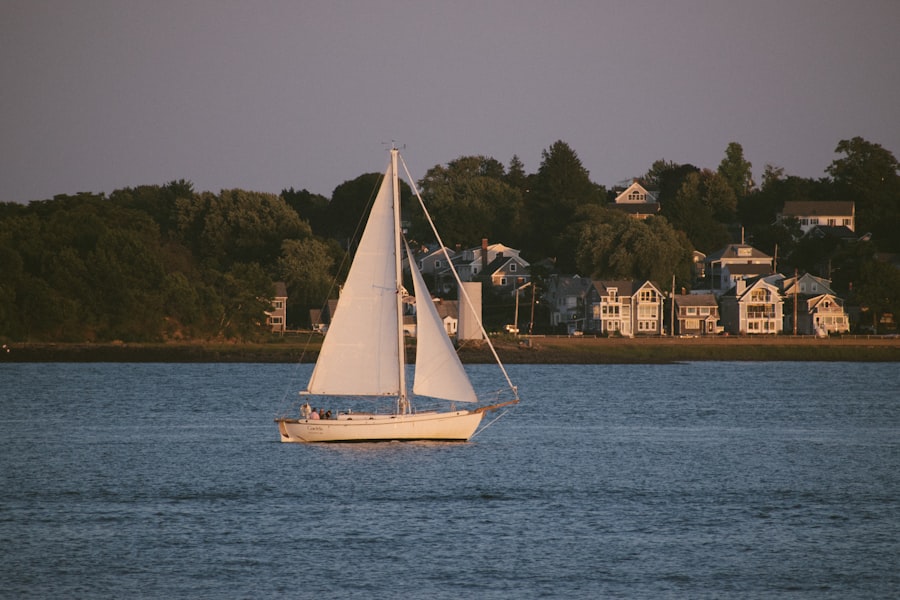
One of the most significant advantages of passive sails is their potential to reduce fuel consumption and greenhouse gas emissions. By relying on natural forces for propulsion, vessels equipped with passive sails can operate with minimal or no reliance on traditional fuel sources. This shift not only contributes to lower operational costs but also aligns with global efforts to combat climate change and promote sustainable practices within the maritime industry.
Moreover, passive sails can enhance the overall efficiency of marine travel. With their ability to harness both wind and water currents, these sails can provide a consistent source of propulsion, allowing vessels to maintain higher speeds over longer distances. This efficiency translates into shorter travel times and reduced wear and tear on engines, ultimately leading to lower maintenance costs.
Additionally, the simplicity of passive sail systems can lead to reduced crew requirements, further decreasing operational expenses and increasing safety on board.
Types of Passive Sails
| Type of Passive Sail | Description |
|---|---|
| Spinnaker | A large, balloon-like sail used for downwind sailing. |
| Genoa | A large jib that overlaps the main sail and is used for upwind sailing. |
| Code Zero | A specialty sail designed for light wind and close reaching. |
| Storm Jib | A small, heavy sail used in strong winds and stormy conditions. |
There are several types of passive sails, each designed for specific applications and environments. One common type is the fixed sail, which remains in a set position and relies on wind direction to generate thrust. These sails are often used in larger vessels where stability and reliability are paramount.
Fixed sails can be constructed from various materials, including advanced composites that offer strength without adding significant weight. Another type is the adjustable sail, which can change its angle or shape in response to varying wind conditions.
Adjustable sails are particularly beneficial for smaller crafts or racing boats, where maneuverability and speed are critical. Additionally, some designs incorporate features such as flaps or winglets that enhance lift and reduce drag, further improving efficiency.
Applications of Passive Sails
The applications of passive sails extend beyond traditional sailing vessels. In commercial shipping, these sails can be integrated into cargo ships to reduce fuel consumption during long voyages. By harnessing wind energy, shipping companies can lower operational costs while simultaneously decreasing their carbon footprint.
This integration is particularly relevant as global trade continues to expand and environmental regulations become more stringent. In recreational boating, passive sails offer enthusiasts a unique way to experience sailing without the complexities associated with traditional rigs. Smaller boats equipped with passive sails can provide a more accessible entry point for novice sailors while still delivering an exhilarating experience on the water.
Furthermore, research vessels and oceanographic platforms are increasingly utilizing passive sails to enhance their mobility while conducting scientific studies in remote areas.
Design Considerations for Passive Sails
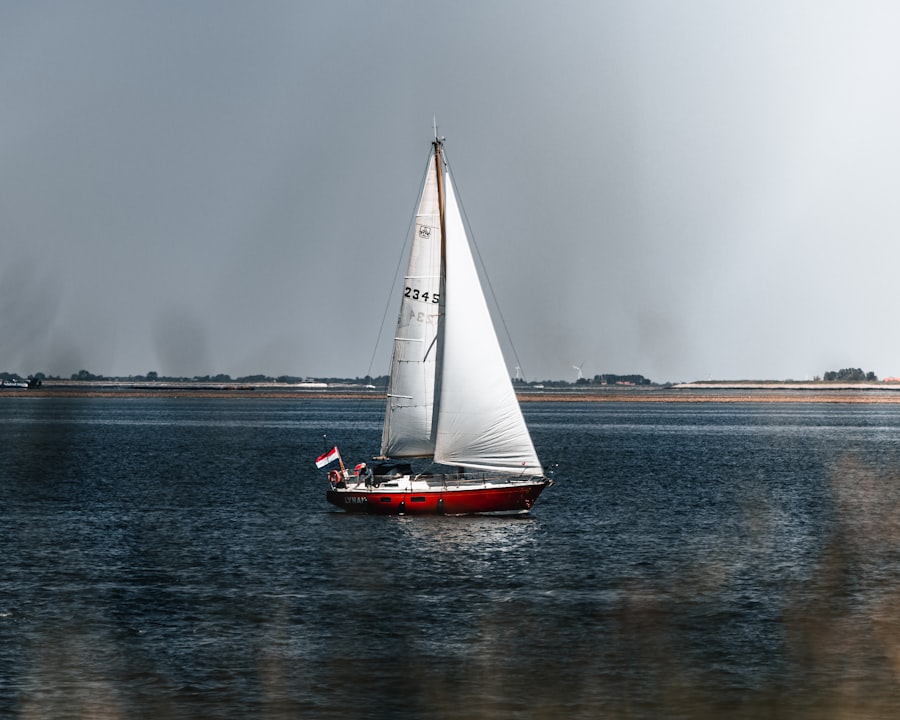
Designing effective passive sails requires careful consideration of various factors, including material selection, shape optimization, and structural integrity. The choice of materials plays a crucial role in determining the sail’s performance and durability. Lightweight composites are often favored for their strength-to-weight ratio, allowing for larger sail areas without compromising stability.
The shape of the sail is equally important; it must be aerodynamically efficient to maximize lift while minimizing drag. Engineers often employ computational fluid dynamics (CFD) simulations to analyze airflow patterns around different sail designs, enabling them to refine shapes for optimal performance. Additionally, structural integrity must be ensured to withstand the forces exerted by wind and water without failure.
This involves careful engineering of support structures and attachment points to distribute loads evenly across the sail.
Environmental Benefits of Passive Sails
The environmental benefits of passive sails are profound and multifaceted. By reducing reliance on fossil fuels, these sails contribute directly to lower greenhouse gas emissions, helping mitigate climate change impacts associated with maritime transport. As shipping accounts for a significant portion of global emissions, integrating passive sails into commercial fleets represents a substantial opportunity for environmental improvement.
Furthermore, passive sails promote cleaner oceans by minimizing oil spills and other pollutants associated with traditional fuel sources. The adoption of renewable energy technologies in maritime operations aligns with broader sustainability goals aimed at preserving marine ecosystems. As awareness grows regarding the importance of protecting ocean health, passive sails emerge as a viable solution that harmonizes economic interests with environmental stewardship.
Challenges and Limitations of Passive Sails
Despite their numerous advantages, passive sails face several challenges and limitations that must be addressed for widespread adoption. One significant hurdle is the variability of wind conditions; not all regions experience consistent winds suitable for sailing. This unpredictability can limit the effectiveness of passive sails in certain areas or during specific seasons.
Additionally, integrating passive sails into existing vessel designs may require significant modifications or retrofitting efforts. Shipowners may be hesitant to invest in new technologies without clear evidence of return on investment or operational benefits. Furthermore, regulatory frameworks governing maritime operations may not yet fully accommodate innovative propulsion methods like passive sails, creating additional barriers to implementation.
Future Developments in Passive Sails Technology
The future of passive sails technology holds great promise as researchers and engineers continue to explore innovative designs and materials. Advances in aerodynamics and hydrodynamics will likely lead to more efficient sail shapes that can capture energy from both wind and water more effectively than ever before. Additionally, ongoing developments in materials science may yield lighter yet stronger composites that enhance sail performance while reducing maintenance needs.
Moreover, integrating smart technologies into passive sail systems could revolutionize their operation. Sensors and automation could enable real-time adjustments based on changing environmental conditions, optimizing performance without requiring constant human intervention. As these technologies evolve, they may pave the way for fully autonomous vessels capable of navigating vast oceans with minimal environmental impact.
Case Studies of Successful Implementation of Passive Sails
Several case studies illustrate the successful implementation of passive sails across various sectors. One notable example is the use of Flettner rotors—cylindrical structures that utilize Magnus effect principles—to enhance propulsion on cargo ships. These rotors have been retrofitted onto several vessels, resulting in significant fuel savings and reduced emissions during voyages.
Another case study involves recreational sailing communities that have embraced passive sail designs for small boats and yachts. These vessels often feature innovative rigging systems that allow sailors to harness wind energy efficiently while enjoying a more straightforward sailing experience. The positive feedback from users has spurred interest in further developing these designs for broader applications.
Harnessing the Potential of Passive Sails
In conclusion, passive sails represent a transformative approach to maritime propulsion that aligns with contemporary sustainability goals while offering numerous operational advantages. Their ability to harness natural forces for movement not only reduces fuel consumption but also minimizes environmental impact—a critical consideration in today’s world facing climate challenges. As technology continues to advance and awareness grows regarding the benefits of passive sailing systems, it is likely that these innovations will play an increasingly prominent role in shaping the future of maritime transport.
By embracing this potential, stakeholders across industries can contribute to a more sustainable future while enjoying the myriad benefits that passive sails have to offer.
A passive sail is an innovative technology designed to harness wind energy without the need for active control systems. For those interested in exploring more about the applications and benefits of passive sailing, you can read a related article on this topic at this link. This article delves into the mechanics of passive sails and their potential impact on sustainable transportation.
WATCH THIS! Why NASA Hid the 3I/ATLAS Anomaly
FAQs
What is a passive sail?
A passive sail is a type of sail that does not require active manipulation or adjustment by the sailor. It is designed to harness the wind’s energy and propel a boat without the need for constant adjustment.
How does a passive sail work?
Passive sails work by capturing the energy of the wind and converting it into forward motion for a boat. They are designed to be self-adjusting, using the shape and design of the sail to automatically respond to changes in wind direction and intensity.
What are the advantages of using a passive sail?
The main advantage of using a passive sail is that it reduces the need for constant attention and adjustment by the sailor, allowing for a more relaxed and efficient sailing experience. Passive sails can also be more reliable in varying wind conditions.
What are some examples of passive sails?
Examples of passive sails include traditional square-rigged sails, certain types of modern self-adjusting sails, and wind turbines used for sailing vessels. These sails are designed to harness the wind’s energy with minimal input from the sailor.
Are passive sails commonly used in modern sailing?
While passive sails are not as common in modern recreational sailing as they once were, they are still used in certain types of sailing vessels, particularly in commercial shipping and in specialized sailing applications such as wind-assisted propulsion systems.