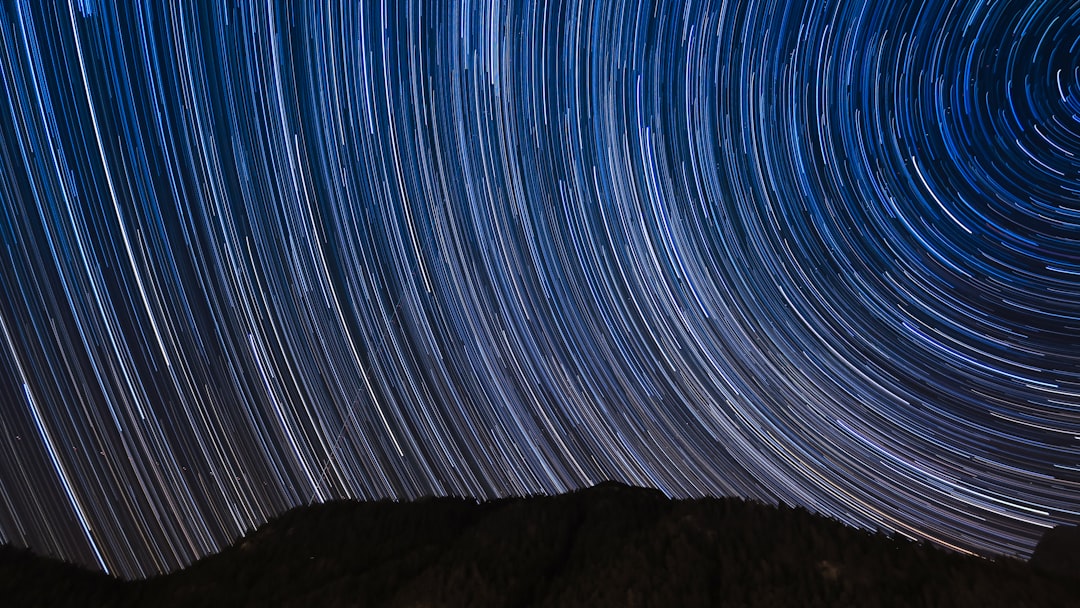
Astronomy, the study of celestial bodies and the universe as a whole, has long captivated the human imagination. Among its many wonders, the field is also home to a range of mysterious phenomena that challenge our understanding of reality. Ghostly apparitions, often dismissed as mere folklore or superstition, have found their way into the realm of astronomy, sparking curiosity and debate among scientists and enthusiasts alike.
These spectral occurrences, whether they manifest as unexplained lights in the sky or eerie sounds emanating from distant galaxies, invite both skepticism and intrigue. As humanity continues to explore the cosmos, the intersection of the ethereal and the scientific raises profound questions about existence, perception, and the nature of reality itself.
While many may regard these occurrences as figments of imagination or misinterpretations of natural events, they nonetheless provoke a deeper inquiry into the unknown. The quest to understand these apparitions has led to a rich tapestry of historical accounts, scientific investigations, and cultural narratives that reflect humanity’s enduring fascination with the cosmos. As astronomers peer into the depths of space, they are not only searching for answers about celestial bodies but also grappling with the mysteries that lie beyond the veil of human comprehension. Why Did NASA Hide 3i Atlas
Key Takeaways
- Ghostly apparitions in astronomy have been a mysterious and intriguing phenomenon for centuries, captivating the imagination of scientists and the public alike.
- The history of ghostly apparitions in astronomy dates back to ancient civilizations, with numerous accounts of unexplained celestial events and sightings.
- Understanding the science behind ghostly phenomena involves exploring concepts such as optical illusions, atmospheric conditions, and the behavior of light in space.
- Technology plays a crucial role in unveiling ghostly apparitions, with advancements in telescopes, cameras, and data analysis enabling scientists to capture and study these elusive phenomena.
- Famous cases of ghostly encounters in astronomy, such as the “Wow! signal” and unexplained celestial objects, continue to fuel speculation and interest in the unknown.
The History of Ghostly Apparitions in Astronomy
The history of ghostly apparitions in astronomy is as old as the discipline itself. Ancient civilizations often attributed celestial phenomena to divine or supernatural forces, interpreting unusual lights or movements in the sky as omens or messages from the gods. For instance, the ancient Greeks believed that comets were harbingers of doom, while other cultures viewed them as signs of impending change.
These interpretations laid the groundwork for a long-standing relationship between astronomy and the supernatural, where celestial events were imbued with meaning beyond their physical manifestations. As time progressed, the advent of modern science brought about a shift in how people perceived these ghostly phenomena. The Enlightenment era ushered in a new wave of skepticism, prompting scholars to seek rational explanations for what had once been considered mystical occurrences.
However, even as scientific understanding advanced, reports of ghostly apparitions persisted. The 19th century saw a resurgence of interest in spiritualism and the paranormal, coinciding with significant advancements in astronomical observation. This period marked a fascinating intersection where scientific inquiry and supernatural beliefs coexisted, leading to a rich tapestry of stories that continue to captivate imaginations today.
Understanding the Science Behind Ghostly Phenomena

To comprehend ghostly phenomena within an astronomical context, one must delve into the scientific principles that govern our understanding of the universe. Many apparitions can be attributed to natural occurrences such as atmospheric anomalies, cosmic rays, or even psychological factors like pareidolia—the tendency of humans to perceive familiar patterns in random stimuli. For instance, unusual light displays in the night sky may result from meteor showers or auroras, phenomena that can easily be misinterpreted as ghostly apparitions by those untrained in astronomy.
Moreover, advancements in astrophysics have revealed that certain celestial events can produce effects that mimic ghostly encounters. Pulsars, for example, emit beams of radiation that can create rhythmic patterns detectable from Earth. These signals may be perceived as eerie sounds or lights by those unfamiliar with their origins.
Understanding these scientific principles not only demystifies ghostly phenomena but also enriches our appreciation for the complexities of the universe. By grounding these experiences in scientific inquiry, astronomers can separate fact from fiction while still acknowledging the wonder that such phenomena inspire.
The Role of Technology in Unveiling Ghostly Apparitions
| Technology | Role |
|---|---|
| Infrared Cameras | Capture images in low light conditions, potentially revealing ghostly apparitions |
| Electromagnetic Field (EMF) Detectors | Detect changes in electromagnetic fields, which are believed to be associated with paranormal activity |
| Voice Recorders | Record electronic voice phenomena (EVP) believed to be the voices of spirits |
| Thermal Imaging Cameras | Can detect temperature anomalies that may indicate the presence of a ghostly figure |
In recent years, technology has played a pivotal role in unraveling the mysteries surrounding ghostly apparitions in astronomy. The development of advanced telescopes and imaging techniques has allowed astronomers to capture unprecedented details of celestial events. High-resolution imaging can reveal previously unseen features of distant galaxies or nebulae, providing clarity to what might have been misinterpreted as ghostly phenomena.
Additionally, sophisticated software algorithms can analyze vast amounts of data collected from space missions, helping researchers identify patterns and anomalies that may warrant further investigation. Moreover, technology has facilitated real-time monitoring of astronomical events, enabling scientists to respond quickly to unusual occurrences. For instance, when a supernova is detected, astronomers can deploy observational resources to study its behavior and characteristics immediately.
This proactive approach not only enhances our understanding of such events but also diminishes the likelihood of misinterpretation as ghostly apparitions. As technology continues to evolve, it promises to unveil even more secrets hidden within the cosmos, allowing humanity to explore the boundaries between science and the supernatural with greater precision.
Famous Cases of Ghostly Encounters in Astronomy
Throughout history, there have been numerous famous cases of ghostly encounters in astronomy that have captured public attention and sparked debate among scientists and enthusiasts alike. One notable example is the phenomenon known as “The Marfa Lights,” which have been observed near Marfa, Texas, for over a century. These mysterious lights appear at night and have been described as glowing orbs that dance across the desert landscape.
While some attribute these lights to atmospheric conditions or vehicle headlights, others believe they may be manifestations of something more enigmatic. Another intriguing case is that of “The Hessdalen Lights” in Norway, where unexplained lights have been reported since the 1980s. These lights exhibit unusual behavior, such as changing colors and moving erratically across the sky.
Scientific investigations have attempted to explain these phenomena through various theories, including ionized gas emissions and electrical discharges. However, despite extensive research, no definitive explanation has been reached, leaving room for speculation about their true nature. Such cases not only fuel curiosity but also highlight the ongoing struggle between scientific inquiry and the allure of the unknown.
Debunking Myths and Misconceptions about Ghostly Phenomena
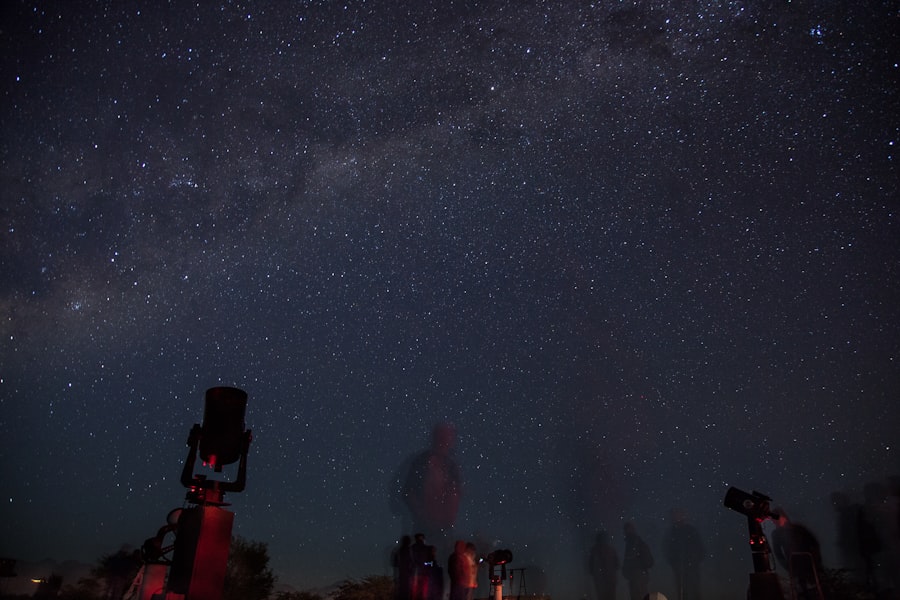
Despite their captivating nature, ghostly phenomena are often shrouded in myths and misconceptions that can cloud public understanding. One common myth is that all unexplained lights or sounds in the sky are evidence of extraterrestrial life or supernatural forces. While it is tempting to attribute these occurrences to otherworldly beings or spirits, many can be explained through natural phenomena or human error.
For instance, meteorological conditions can create optical illusions that mimic ghostly apparitions, leading observers to draw incorrect conclusions. Additionally, misconceptions about ghostly phenomena can perpetuate fear and misunderstanding within society. The portrayal of such occurrences in popular media often sensationalizes them, leading individuals to believe in unfounded theories without considering scientific explanations.
By debunking these myths and providing accurate information about ghostly phenomena, scientists can foster a more informed public discourse that encourages curiosity while grounding it in reality.
The Cultural and Societal Impact of Ghostly Apparitions in Astronomy
Ghostly apparitions in astronomy have had a profound cultural and societal impact throughout history. They have inspired countless works of art, literature, and folklore that reflect humanity’s fascination with the unknown. From ancient myths surrounding celestial bodies to modern science fiction narratives exploring extraterrestrial life, these phenomena have shaped cultural perceptions of the cosmos and our place within it.
Moreover, ghostly apparitions often serve as a lens through which societies grapple with existential questions about life and death. The idea that there may be something beyond our physical existence resonates deeply with many individuals and cultures.
This connection between astronomy and spirituality fosters a sense of wonder and curiosity about what lies beyond our earthly realm. As societies continue to explore these themes through various mediums—be it art, literature, or scientific inquiry—they contribute to an ongoing dialogue about humanity’s relationship with the universe.
Exploring the Psychological and Emotional Effects of Ghostly Encounters
The psychological and emotional effects of ghostly encounters can be profound and varied among individuals who experience them. For some, witnessing an unexplained phenomenon can evoke feelings of awe and wonderment, igniting a passion for exploration and discovery within the field of astronomy. These encounters may inspire individuals to pursue careers in science or engage more deeply with their understanding of the universe.
Conversely, ghostly encounters can also elicit fear or anxiety for those who interpret them as threatening or malevolent forces. The unknown often breeds apprehension; thus, individuals may struggle with feelings of vulnerability when confronted with phenomena they cannot explain. This psychological response underscores the importance of fostering a supportive environment for those who share their experiences—encouraging open dialogue while providing scientific context can help alleviate fears associated with ghostly encounters.
The Future of Investigating and Understanding Ghostly Phenomena in Astronomy
As technology continues to advance at an unprecedented pace, the future of investigating ghostly phenomena in astronomy holds great promise. With improved observational tools and data analysis techniques on the horizon, researchers will be better equipped to explore these enigmatic occurrences with greater precision than ever before. The integration of artificial intelligence into astronomical research may also enhance our ability to identify patterns within vast datasets—potentially uncovering new insights into ghostly phenomena previously overlooked.
Furthermore, interdisciplinary collaboration between astronomers, psychologists, and cultural scholars will enrich our understanding of how ghostly encounters are perceived across different contexts. By combining scientific inquiry with insights from psychology and cultural studies, researchers can develop a more holistic approach to investigating these phenomena—one that acknowledges both their physical origins and their impact on human experience.
Ethical Considerations in Researching and Reporting Ghostly Apparitions
Researching and reporting on ghostly apparitions in astronomy raises important ethical considerations that must be addressed by scientists and communicators alike. Given the sensitive nature of such topics—often intertwined with personal beliefs and cultural narratives—researchers must approach their work with respect for diverse perspectives while maintaining scientific integrity. This balance is crucial in fostering trust between scientists and the public while ensuring accurate information is disseminated.
Moreover, ethical considerations extend to how findings are communicated through media channels. Sensationalized reporting can perpetuate misconceptions or fear surrounding ghostly phenomena; thus, responsible journalism is essential in presenting information accurately while acknowledging its complexities. By prioritizing ethical standards in research and reporting practices, scientists can contribute positively to public discourse surrounding ghostly apparitions while promoting informed curiosity about these mysterious occurrences.
Embracing the Unknown in Astronomy’s Ghostly Phenomenon
In conclusion, astronomy’s exploration of ghostly phenomena invites humanity to embrace the unknown with open minds and hearts. While scientific inquiry seeks to demystify these occurrences through rational explanations and technological advancements, there remains an inherent beauty in acknowledging their enigmatic nature. Ghostly apparitions serve as reminders that even within a framework grounded in empirical evidence, there exists a realm beyond our comprehension—a space where wonder thrives alongside inquiry.
As society continues to navigate this delicate balance between science and spirituality, it is essential to foster curiosity while remaining grounded in reality. By embracing both aspects—scientific exploration and appreciation for mystery—humanity can cultivate a deeper understanding of its place within the cosmos while celebrating the rich tapestry woven by both knowledge and wonderment. In doing so, we honor not only our quest for understanding but also our innate desire to connect with something greater than ourselves—a journey that transcends time and space itself.
In exploring the intriguing concept of the “ghost in the room” in astronomy, one can gain further insights by reading a related article on cosmic phenomena. For a deeper understanding of the mysteries of the universe, check out this informative piece on My Cosmic Ventures, which delves into various astronomical wonders and theories that challenge our perception of reality.
WATCH THIS! Why NASA Hid the 3I/ATLAS Anomaly
FAQs
What is the “ghost in the room” in astronomy?
The “ghost in the room” in astronomy refers to dark matter, a mysterious and invisible substance that makes up about 27% of the universe’s mass and energy.
What is dark matter?
Dark matter is a hypothetical form of matter that does not emit, absorb, or reflect light, making it invisible and undetectable by traditional telescopes. Its presence is inferred from its gravitational effects on visible matter and light.
How was dark matter discovered?
The existence of dark matter was first proposed by Swiss astronomer Fritz Zwicky in the 1930s, who noticed discrepancies in the mass of galaxy clusters based on their observed motion. Further evidence for dark matter has been gathered from the rotation of galaxies and the large-scale structure of the universe.
What is the significance of dark matter in astronomy?
Dark matter plays a crucial role in the formation and evolution of galaxies and the large-scale structure of the universe. Understanding dark matter is essential for developing a complete picture of the cosmos and the forces that govern its behavior.
How is dark matter being studied?
Scientists are studying dark matter through a variety of methods, including astronomical observations, computer simulations, and experiments with particle accelerators and underground detectors. Efforts are ongoing to directly detect dark matter particles and understand their properties.