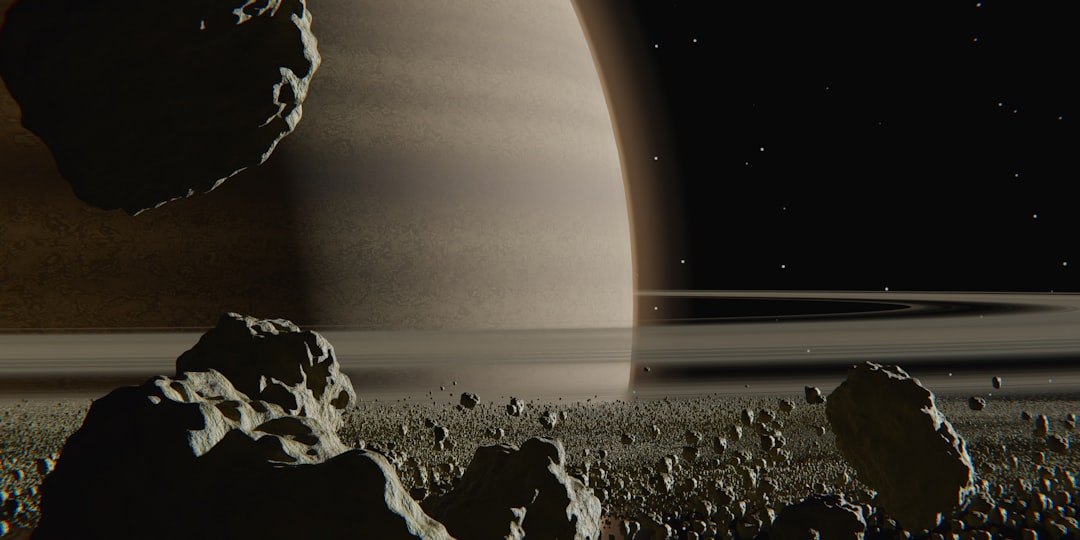
The concept of solar system visitors has captivated the imagination of humanity for centuries. These visitors, often referred to as asteroids, comets, and other celestial bodies, traverse the vast expanse of space, occasionally crossing paths with Earth. Their unpredictable journeys and potential for interaction with our planet have sparked both scientific inquiry and public fascination.
As humanity continues to explore the cosmos, understanding these visitors becomes increasingly vital, not only for the advancement of knowledge but also for the safety and future of life on Earth. Solar system visitors are not merely objects of curiosity; they play a significant role in the dynamics of our solar system. Their orbits can provide insights into the formation and evolution of planetary bodies, while their composition can reveal clues about the early solar system.
As scientists develop more sophisticated tools and technologies to observe these celestial wanderers, the potential for groundbreaking discoveries grows. The study of solar system visitors is a multidisciplinary endeavor, drawing from fields such as astronomy, geology, and planetary science, and it holds the promise of answering some of humanity’s most profound questions about our place in the universe. Why Did NASA Hide 3i Atlas
Key Takeaways
- Solar system visitors are celestial objects that travel through our solar system from outside of it.
- Historical sightings of solar system visitors date back to ancient times, with recorded observations of comets and meteors.
- Theories about the origin of solar system visitors include the idea that they may be remnants from the formation of other solar systems.
- Characteristics of solar system visitors can vary widely, from icy comets to rocky asteroids and even interstellar objects.
- Recent discoveries and observations of solar system visitors have included the first confirmed interstellar object, ‘Oumuamua, and the discovery of active asteroids.
Historical Sightings of Solar System Visitors
Throughout history, various cultures have recorded sightings of solar system visitors, often attributing them to divine or supernatural phenomena. Ancient civilizations, such as the Babylonians and Greeks, meticulously documented celestial events, including the appearances of comets and meteors. These early observations laid the groundwork for future astronomical studies and highlighted humanity’s long-standing fascination with the cosmos.
The Great Comet of 1577, for instance, was a significant event that prompted astronomers like Tycho Brahe to challenge existing beliefs about the nature of celestial bodies. In more recent history, the discovery of asteroids in the early 19th century marked a turning point in humanity’s understanding of solar system visitors. The first asteroid, Ceres, was discovered in 1801 by Giuseppe Piazzi, followed by others such as Pallas and Juno.
The 1908 Tunguska event in Siberia, attributed to an airburst from a small asteroid or comet, further underscored the importance of studying these visitors and their potential consequences for our planet.
Theories about the Origin of Solar System Visitors
The origins of solar system visitors are a subject of ongoing research and debate among scientists. One prevailing theory suggests that many asteroids and comets are remnants from the early solar system, leftover building blocks that never coalesced into planets. These primordial objects can provide valuable insights into the conditions that existed during the formation of our solar system approximately 4.6 billion years ago.
By studying their composition and structure, researchers hope to reconstruct the processes that led to the creation of planets and other celestial bodies. Another theory posits that some solar system visitors may originate from outside our solar system altogether. Interstellar objects, such as ‘Oumuamua and Comet Borisov, have been identified as potential visitors from other star systems.
These objects challenge traditional notions of solar system formation and raise intriguing questions about the possibility of life beyond our own solar neighborhood. The study of these interstellar visitors could reveal not only their origins but also provide clues about the prevalence of similar objects throughout the galaxy.
Characteristics of Solar System Visitors
| Visitor | Size | Composition | Orbit |
|---|---|---|---|
| Comets | Small | Icy and rocky | Elongated |
| Asteroids | Varies from small to large | Rocky or metallic | Mainly between Mars and Jupiter |
| Meteors | Small | Rocky or metallic | Varies, can be part of a meteoroid stream |
Solar system visitors exhibit a diverse array of characteristics that make them fascinating subjects for study. Asteroids, for example, vary widely in size, shape, and composition. Some are small boulders just a few meters across, while others can be hundreds of kilometers in diameter.
Their surfaces may be rocky, metallic, or even icy, reflecting their unique histories and origins. Comets, on the other hand, are often characterized by their bright tails and fuzzy comas, which form when they approach the Sun and their ices vaporize. The orbits of these visitors also vary significantly.
Some follow stable paths within the asteroid belt between Mars and Jupiter, while others have highly elliptical orbits that bring them close to Earth. This variability poses both opportunities and challenges for scientists seeking to understand their behavior and predict their movements. By analyzing their trajectories and physical properties, researchers can gain insights into their potential interactions with Earth and assess any associated risks.
Recent Discoveries and Observations of Solar System Visitors
Recent advancements in technology have led to a surge in discoveries related to solar system visitors. Space telescopes like Hubble and ground-based observatories have enhanced our ability to detect and track these celestial bodies with unprecedented precision. In 2017, astronomers observed ‘Oumuamua, the first known interstellar object to pass through our solar system.
Its elongated shape and unusual trajectory sparked intense debate about its nature and origin, highlighting the need for further investigation into such enigmatic visitors.
Launched in 2016, OSIRIS-REx successfully collected samples from the near-Earth asteroid Bennu in 2020 and is set to return those samples to Earth in 2023.
This mission aims to shed light on the composition of asteroids and their potential role in delivering organic materials to Earth—an essential factor in understanding the origins of life on our planet.
Potential Impacts of Solar System Visitors on Earth
The potential impacts of solar system visitors on Earth are a topic of significant concern among scientists and policymakers alike. While most asteroids and comets pose little threat due to their small size or distant orbits, larger objects can have catastrophic consequences if they collide with our planet. The extinction event that wiped out the dinosaurs approximately 66 million years ago is widely believed to have been caused by a massive asteroid impact.
Such historical events underscore the importance of monitoring these celestial bodies to mitigate potential risks. In addition to direct impacts, solar system visitors can also influence Earth’s environment in more subtle ways. For instance, dust particles from comets can enter Earth’s atmosphere and contribute to meteor showers, creating stunning displays in the night sky.
Furthermore, some researchers speculate that asteroids may have played a role in delivering water and organic compounds to Earth during its formative years—an essential factor in the development of life as we know it.
Efforts to Study and Track Solar System Visitors
Efforts to study and track solar system visitors have intensified in recent years as awareness of their potential risks has grown. Various space agencies around the world have established programs dedicated to monitoring near-Earth objects (NEOs) to assess their trajectories and potential hazards. NASA’s Near-Earth Object Observations (NEOO) program is one such initiative that aims to identify and characterize NEOs through a combination of ground-based telescopes and space missions.
International collaboration is also crucial in addressing the challenges posed by solar system visitors. Organizations like the European Space Agency (ESA) and various global observatories work together to share data and resources for tracking these objects. By pooling expertise and technology, scientists can enhance their ability to predict potential impacts and develop strategies for planetary defense.
The Search for Extraterrestrial Life in Solar System Visitors
The search for extraterrestrial life has expanded beyond traditional boundaries as researchers explore solar system visitors for signs of life or prebiotic materials. Comets and asteroids are considered prime candidates for harboring organic compounds that could provide clues about life’s origins. Missions like NASA’s Rosetta, which studied Comet 67P/Churyumov-Gerasimenko, have revealed complex organic molecules within cometary material, suggesting that these celestial bodies may have played a role in delivering life’s building blocks to Earth.
Moreover, some scientists propose that microbial life could exist within subsurface oceans on icy moons like Europa or Enceladus—bodies that may have originated from materials delivered by comets or asteroids. The exploration of these environments is critical for understanding whether life exists beyond Earth and how it might arise under different conditions.
Future Missions to Investigate Solar System Visitors
Looking ahead, numerous missions are planned to further investigate solar system visitors and enhance our understanding of these celestial wanderers. NASA’s DART (Double Asteroid Redirection Test) mission aims to test a method for deflecting an asteroid by crashing a spacecraft into it—a crucial step in developing planetary defense strategies against potential threats. Additionally, ESA’s Hera mission will follow up on DART by studying the binary asteroid system Didymos after DART’s impact.
These missions represent a concerted effort to not only understand the physical characteristics of asteroids but also develop practical solutions for mitigating potential hazards they may pose.
Public Interest and Fascination with Solar System Visitors
The public’s interest in solar system visitors remains robust, fueled by media coverage of significant discoveries and events related to these celestial bodies. Movies, documentaries, and books often depict asteroids and comets as harbingers of doom or as vessels carrying extraterrestrial life—capturing imaginations worldwide. This fascination has led to increased support for space exploration initiatives aimed at studying these objects.
Educational programs aimed at engaging young minds in astronomy have also gained traction as interest in space exploration grows. Schools often incorporate lessons about asteroids and comets into their curricula, inspiring future generations to pursue careers in science and technology fields related to space research.
The Future of Research and Exploration of Solar System Visitors
As humanity continues its quest for knowledge about solar system visitors, future research will likely focus on several key areas: improving detection methods for NEOs, understanding their composition through sample-return missions, and exploring their potential role in planetary defense strategies. The integration of advanced technologies such as artificial intelligence will enhance data analysis capabilities, allowing scientists to process vast amounts of observational data more efficiently. Moreover, international collaboration will be essential as countries work together to address shared challenges posed by solar system visitors.
By fostering partnerships between space agencies, universities, and private organizations worldwide, researchers can pool resources and expertise to advance our understanding of these celestial wanderers. In conclusion, solar system visitors represent a rich field of study that encompasses historical observations, scientific theories about their origins, characteristics that define them, recent discoveries that expand our knowledge base, potential impacts on Earth, ongoing efforts to track them, searches for extraterrestrial life within them, future missions aimed at investigating them further, public interest that fuels exploration initiatives, and a promising future for research in this area. As humanity continues its journey into space exploration, understanding these visitors will be crucial not only for scientific advancement but also for ensuring the safety and sustainability of life on Earth.
The recent discovery of a mysterious object passing through our solar system has sparked intrigue among astronomers and space enthusiasts alike. This enigmatic visitor, which some speculate could be an interstellar probe, raises questions about the origins and nature of such celestial bodies. For a deeper dive into the implications of this discovery and its potential connections to other cosmic phenomena, check out the related article on our website: Exploring the Solar System Visitor Mystery.
WATCH THIS! Why NASA Hid the 3I/ATLAS Anomaly
FAQs
What is the solar system visitor mystery?
The solar system visitor mystery refers to the unidentified objects or phenomena that enter our solar system from outer space, often causing curiosity and speculation among scientists and the public.
What are some examples of solar system visitors?
Examples of solar system visitors include comets, asteroids, and interstellar objects such as ‘Oumuamua, the first known interstellar object to pass through our solar system.
Why are solar system visitors of interest to scientists?
Solar system visitors are of interest to scientists because they provide valuable opportunities to study objects from other parts of the universe, which can offer insights into the formation and evolution of our own solar system.
How do scientists study solar system visitors?
Scientists study solar system visitors using a variety of methods, including telescopic observations, spacecraft missions, and analysis of the composition and behavior of the objects themselves.
What are some of the mysteries surrounding solar system visitors?
Some of the mysteries surrounding solar system visitors include their origins, compositions, and the potential for them to carry organic molecules or even life from other parts of the universe.